Around the table
The art of entertaining.
The best dinners aren't the most elaborate — they're the ones where the host sits down. Here's how I try to.
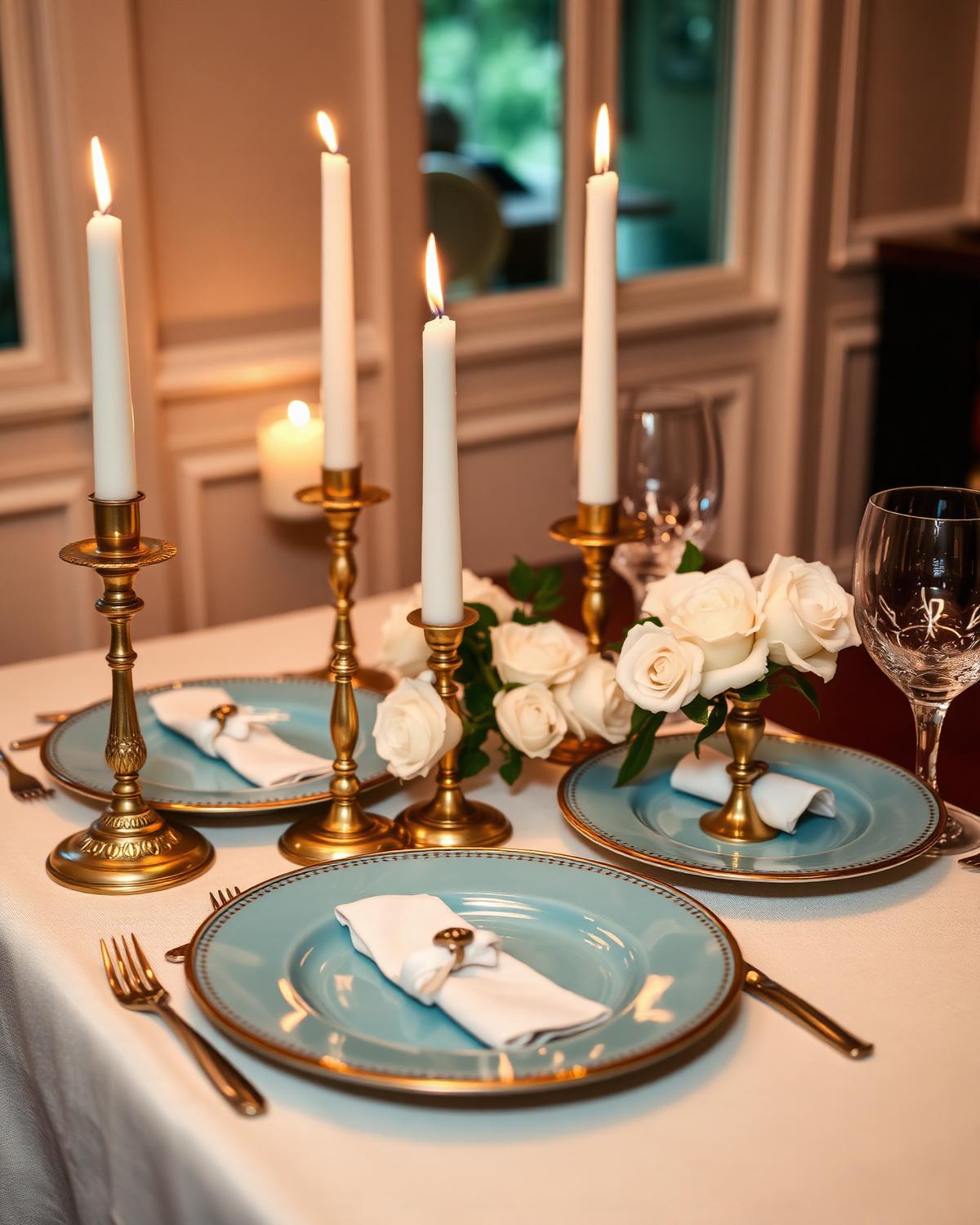
13 August 2026 · The oriental table
South East Asia, and everything I want more of.
There are dishes in this part of the world that are so incredible they leave you wanting more before you have finished the plate. Singapore, Indonesia, Malaysia, Burma, Thailand, Vietnam, China, Japan — here is how I would build an evening from each of them.
Singapore
Seafood, and a lot of chilli
The main event
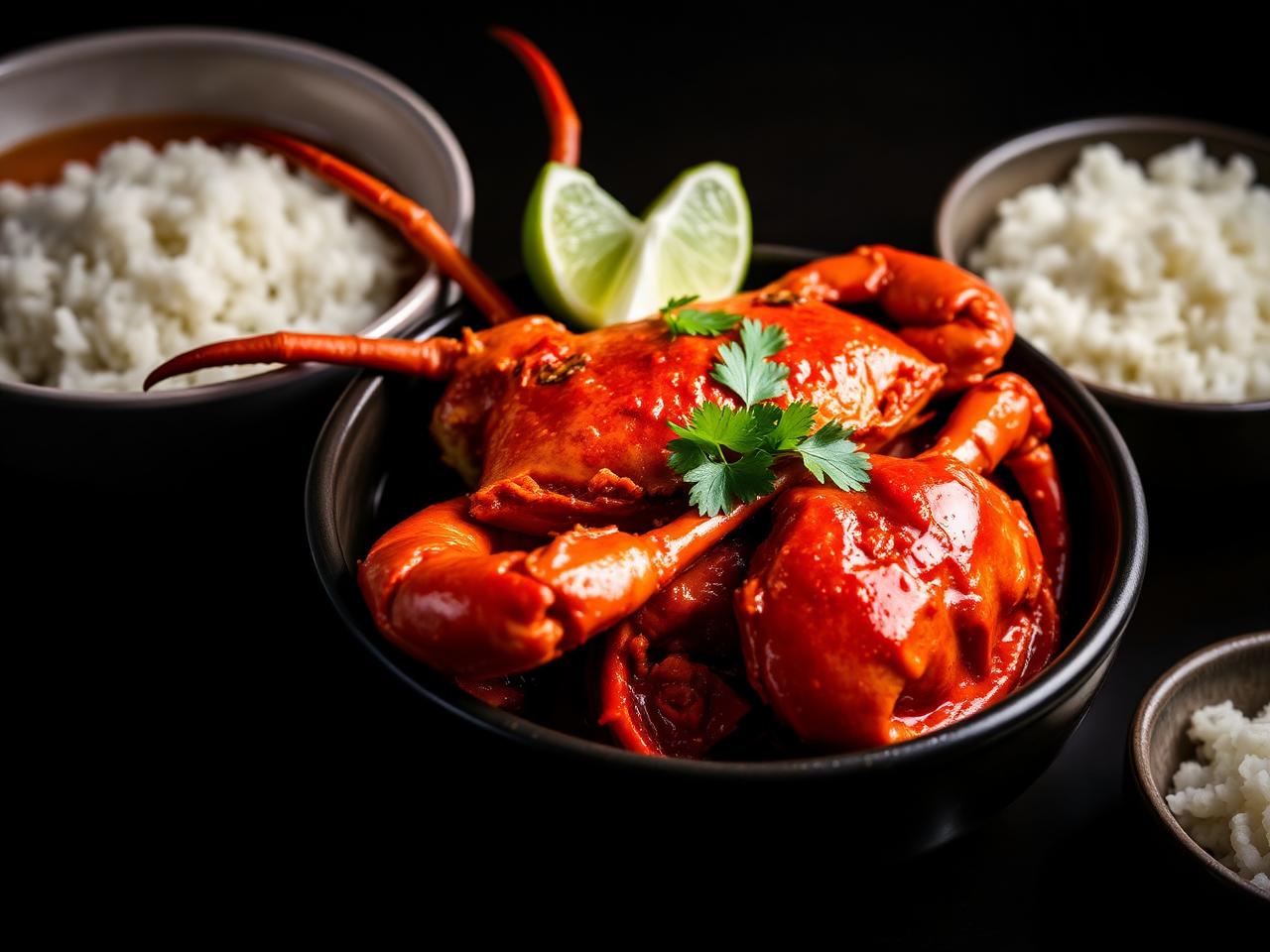
Chilli crab
This is HOT. You can temper the chilli, but that rather defeats the purpose — chilli is in the name. Serve with fresh limes or lemons over rice.
Get the recipe →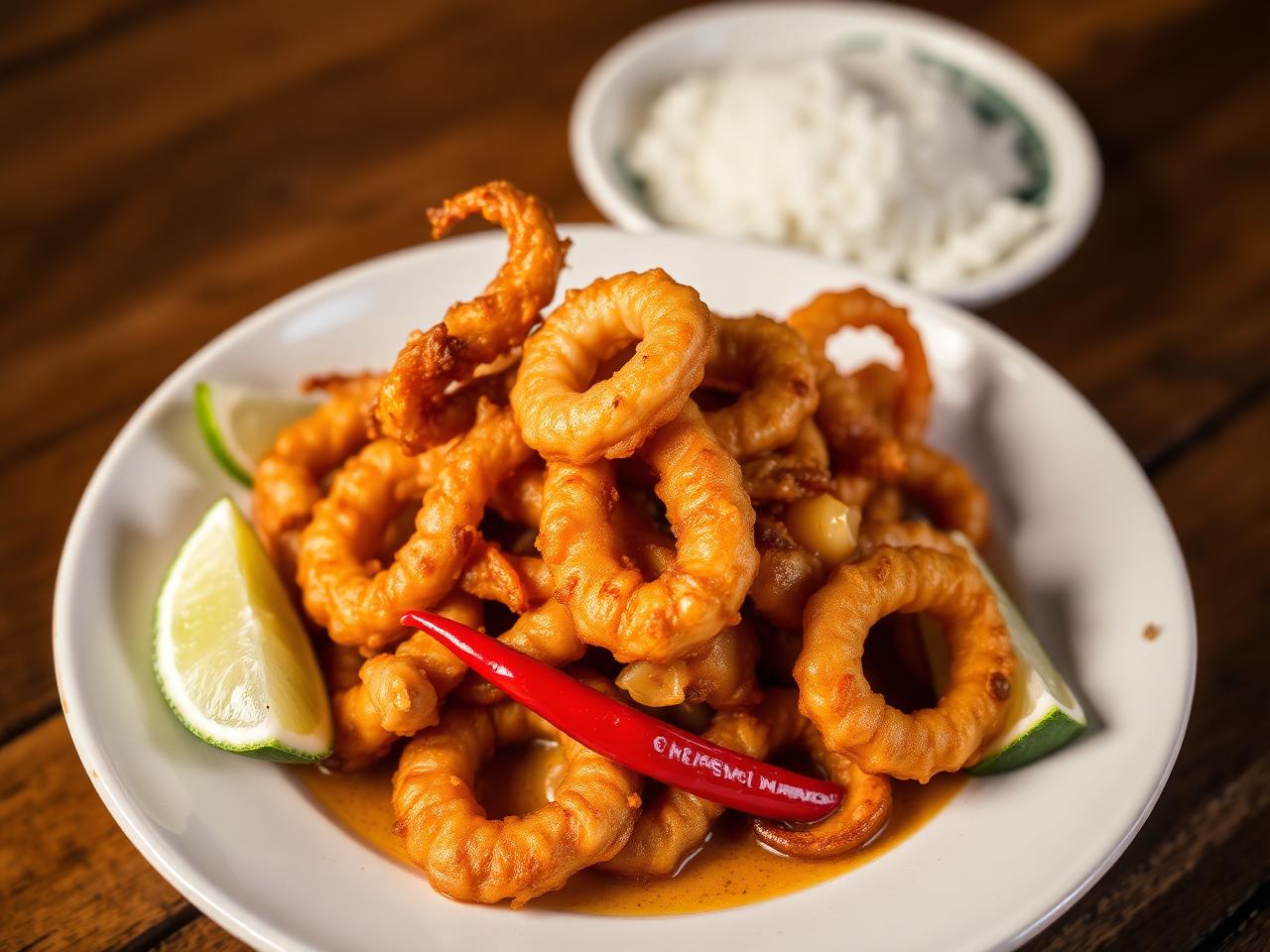
Starter or main
Goreng sotong
Fried squid, marinated two full hours before it goes near the oil. A starter, or a main next to the crab for a seafood evening.
Get the recipe →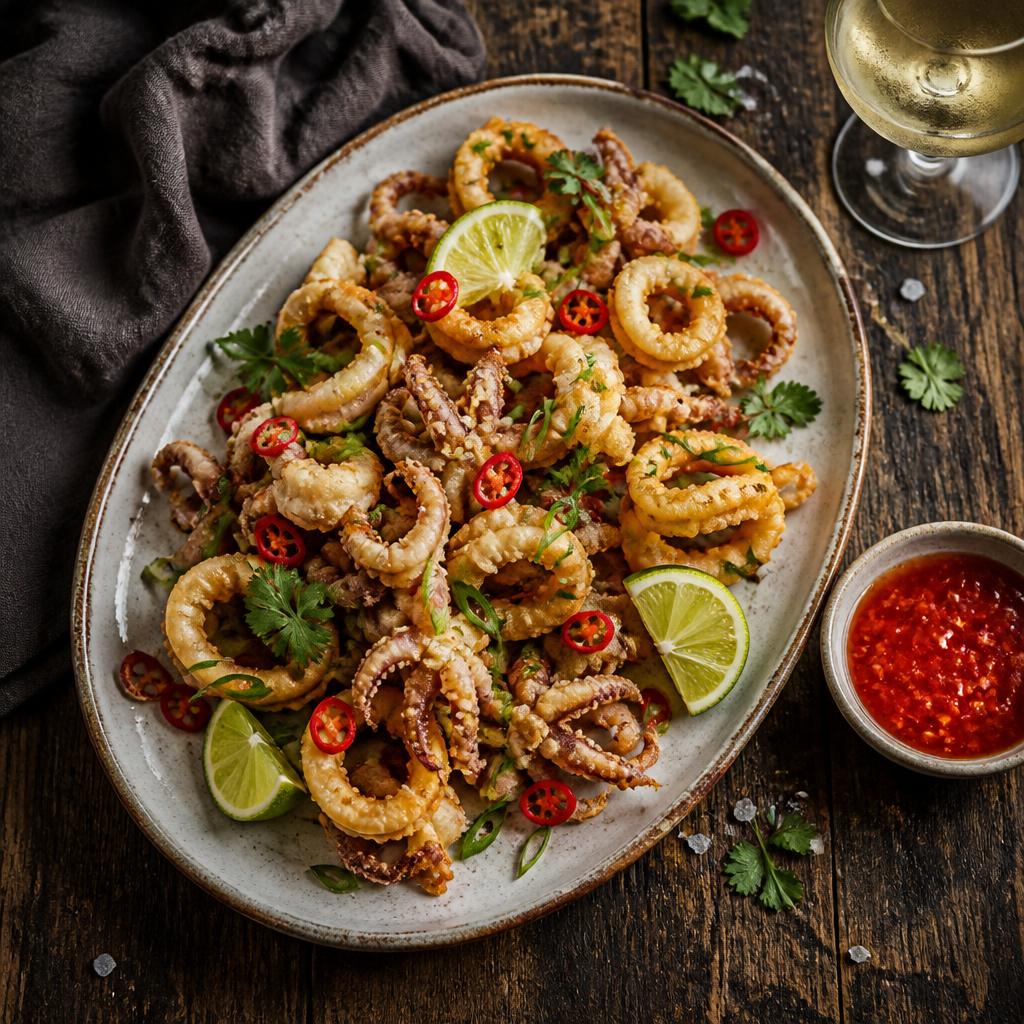
Stands alone
Sambal sotong
Squid in chilli. I would not serve it with the first two — this is a dish that is perfect on its own as a main.
Get the recipe →Indonesia
Peanut sauce, slow beef, and the best relish there is
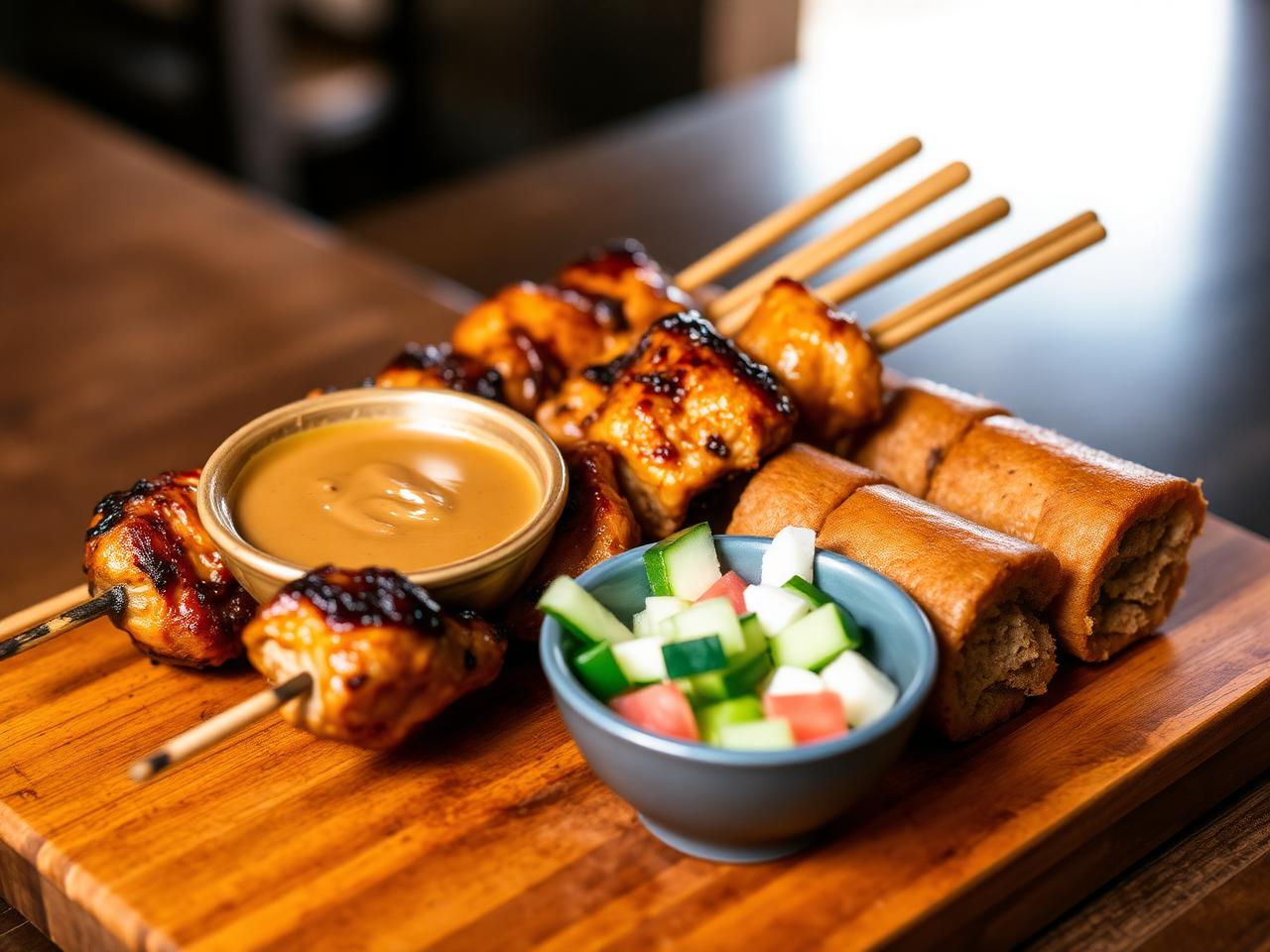
Chicken satè
Satè ayam
Serve with rice and a cucumber salad, or lontong as the natives would call it. With the sauce, always. It is delicious.
Get the recipe →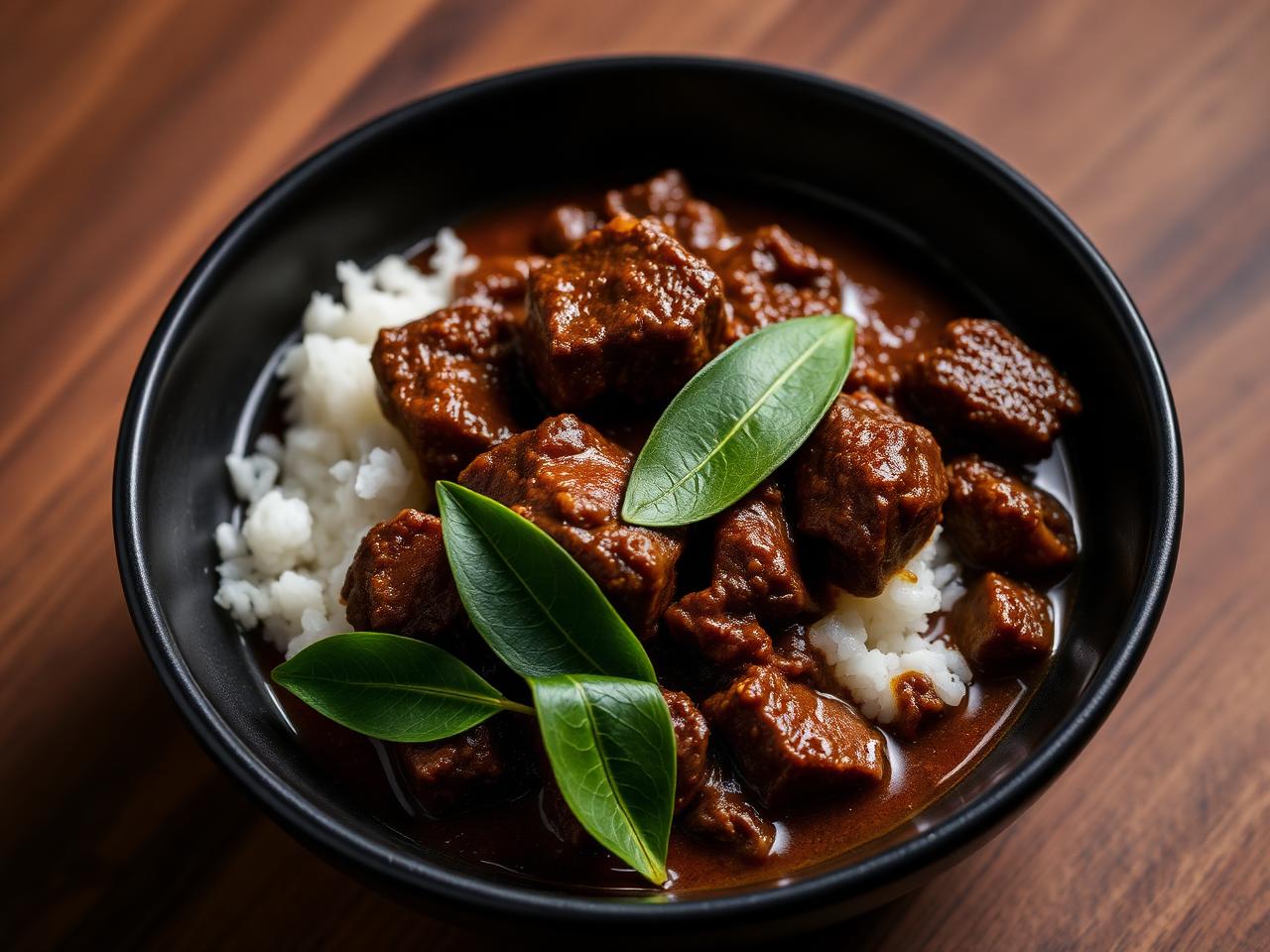
My absolute favourite
Rendang Padang
Beef cooked down for hours until the coconut turns to dark spiced caramel around the meat. Serve hot with rice.
Get the recipe →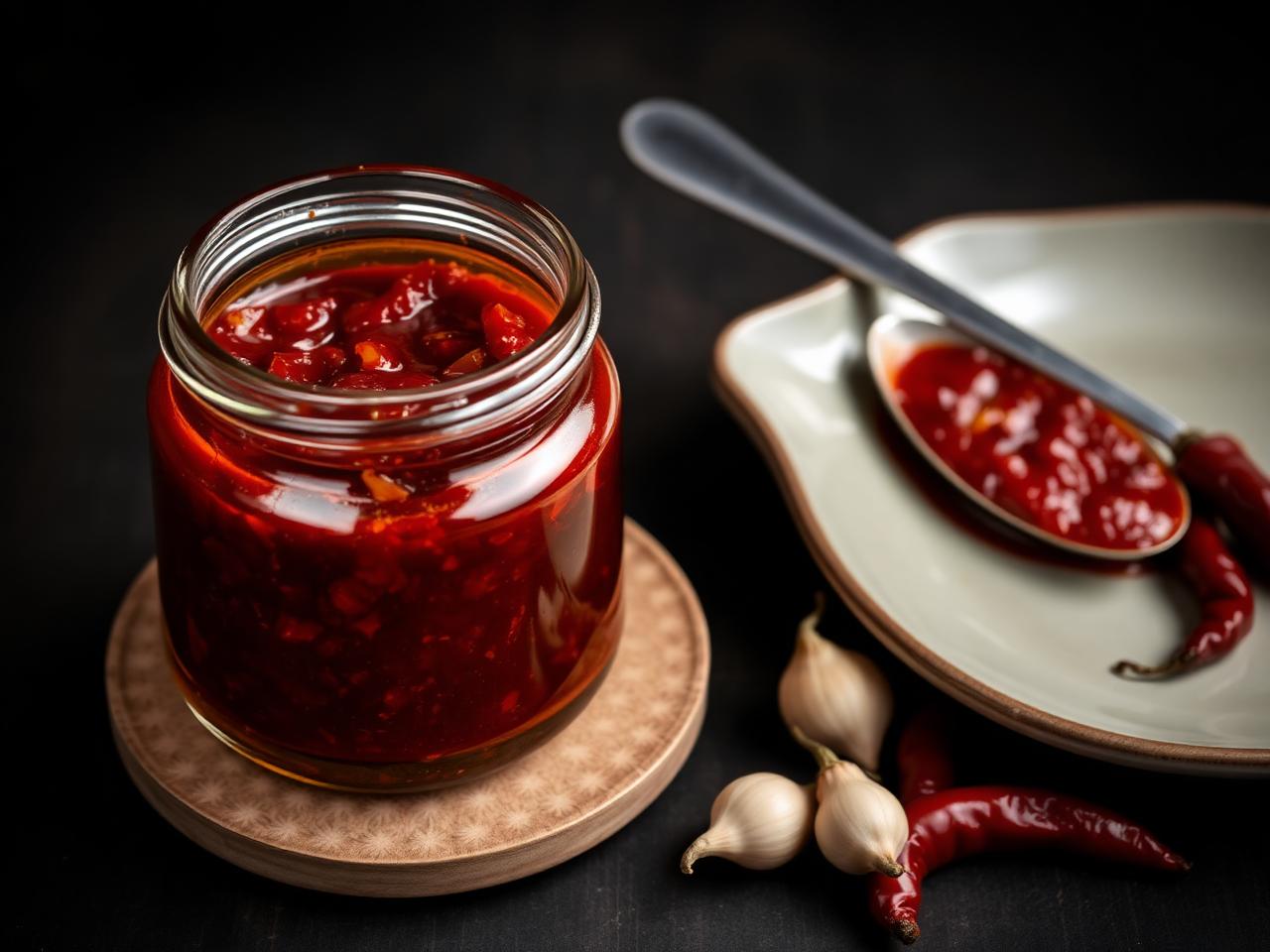
My favourite hot relish
Sambal bajak
It keeps for a good while, so it goes on just about everything — and personally, I do.
Get the recipe →Malaysia & the region
A wow dish, and a light lunch
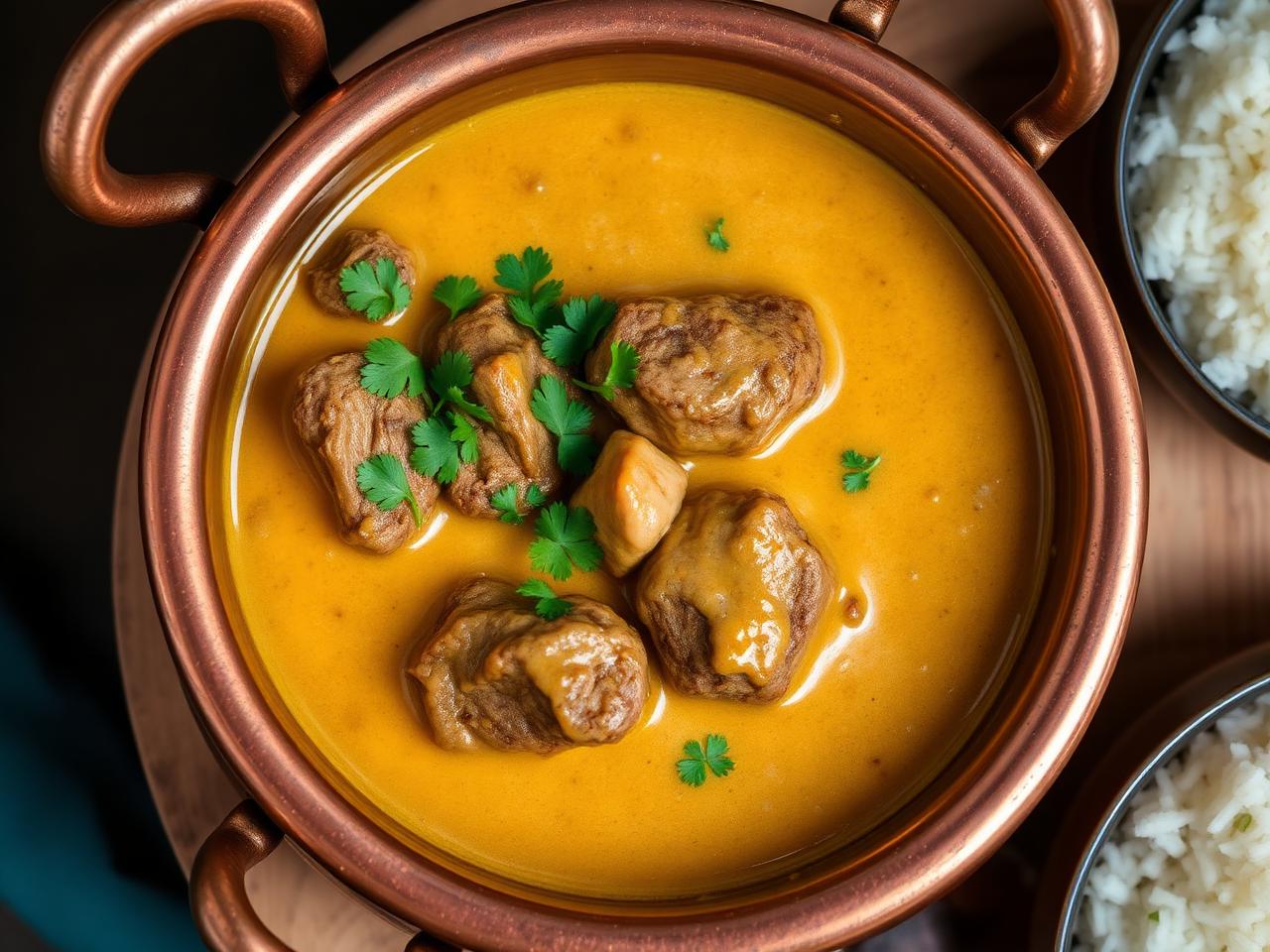
Lamb curry, Malaysia
Kambing korma
OMG, this is fantastic. Best with rice for me, but noodles can be subbed in. Indeed a wow dish.
Get the recipe →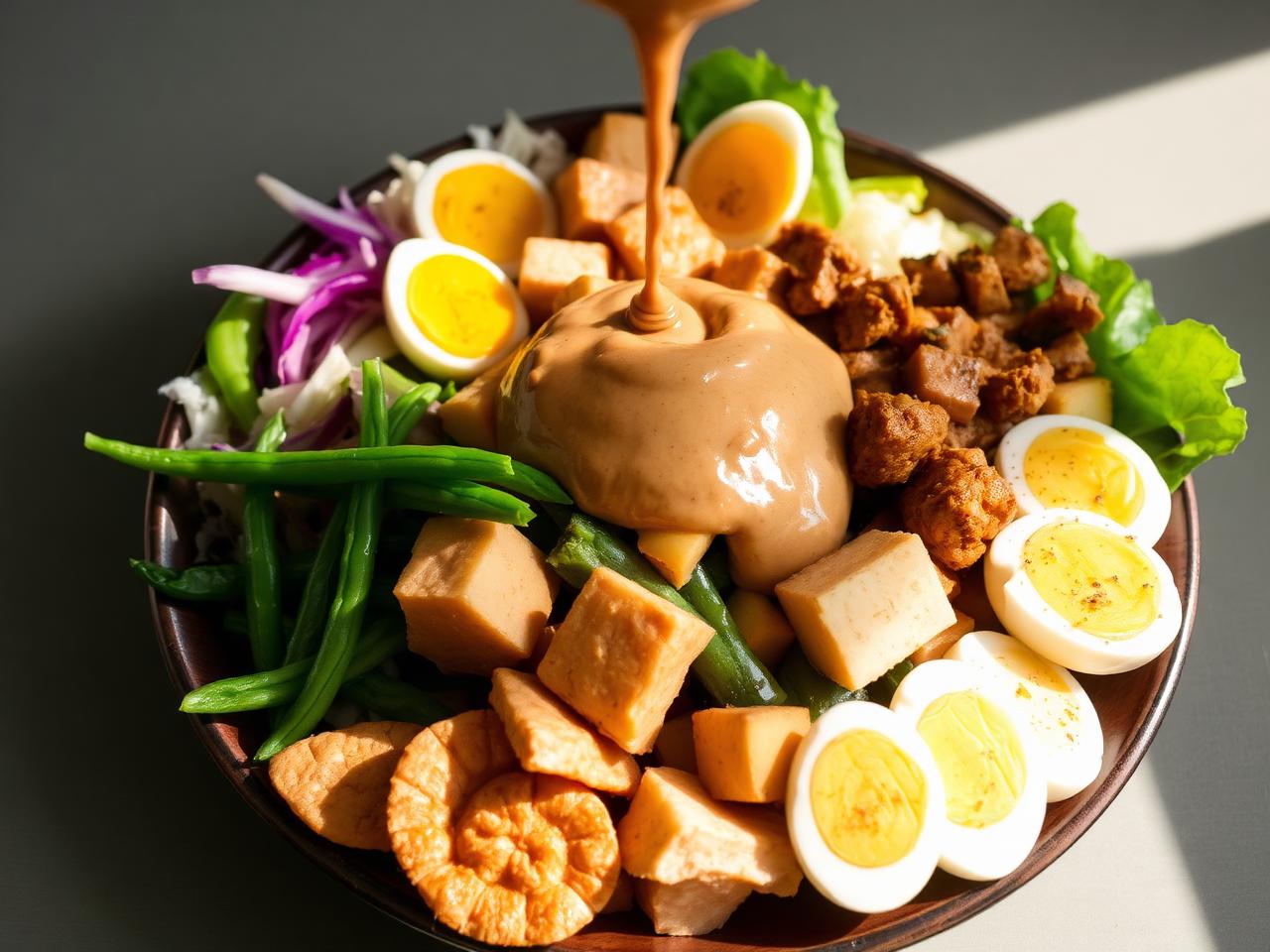
Light lunch
Gado gado
Everyone knows it, and you can get it in Malaysia, Singapore or Indonesia. I love peanut sauce, so this is right up my alley.
Get the recipe →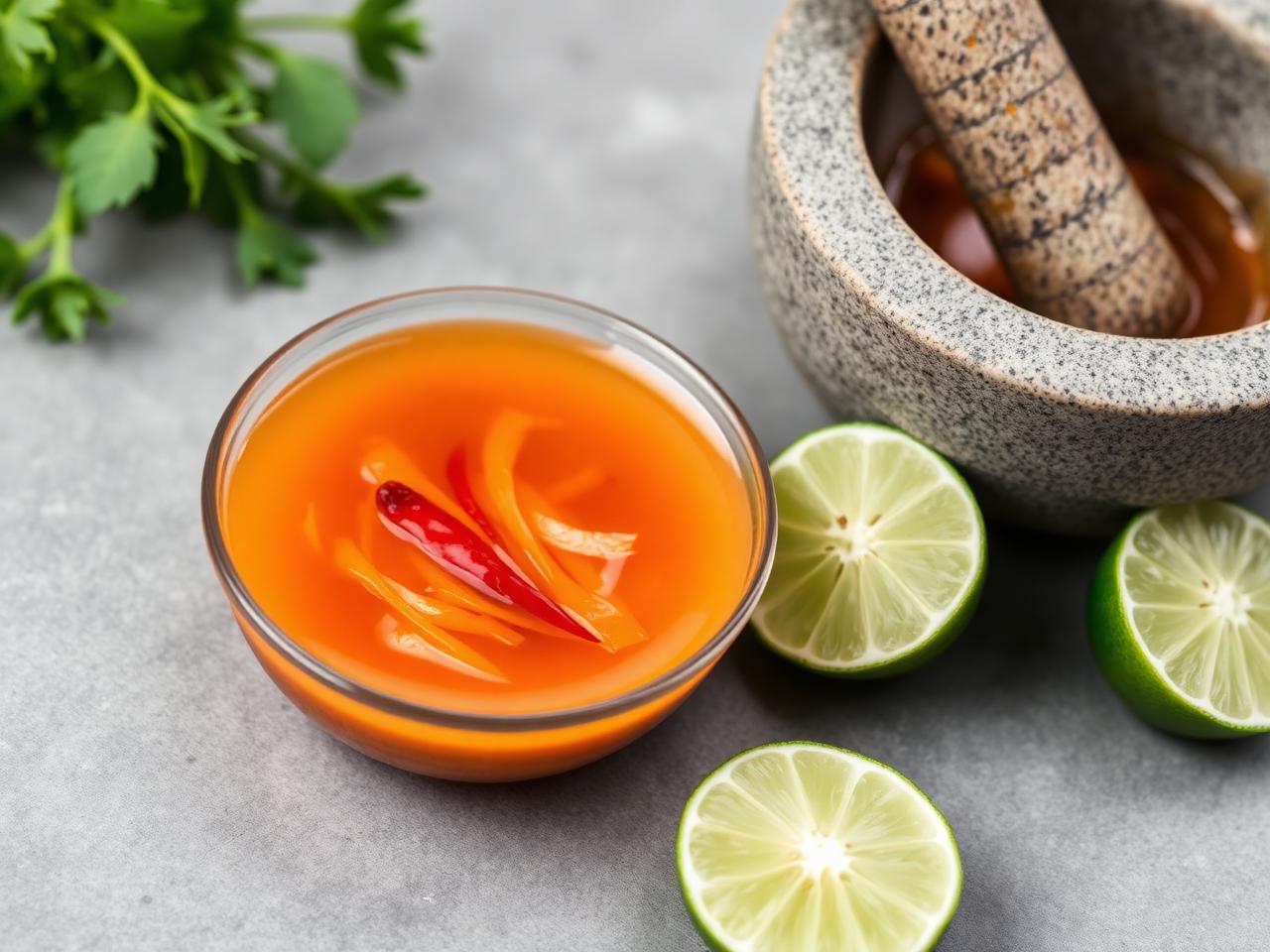
Vietnam
Nuoc cham
Hot, tangy, and it goes over anything. Mortar and pestle only — a blender will not give you the right consistency.
Get the recipe →Burma
Two dishes, one incredible evening
Spiced fried fish with onions
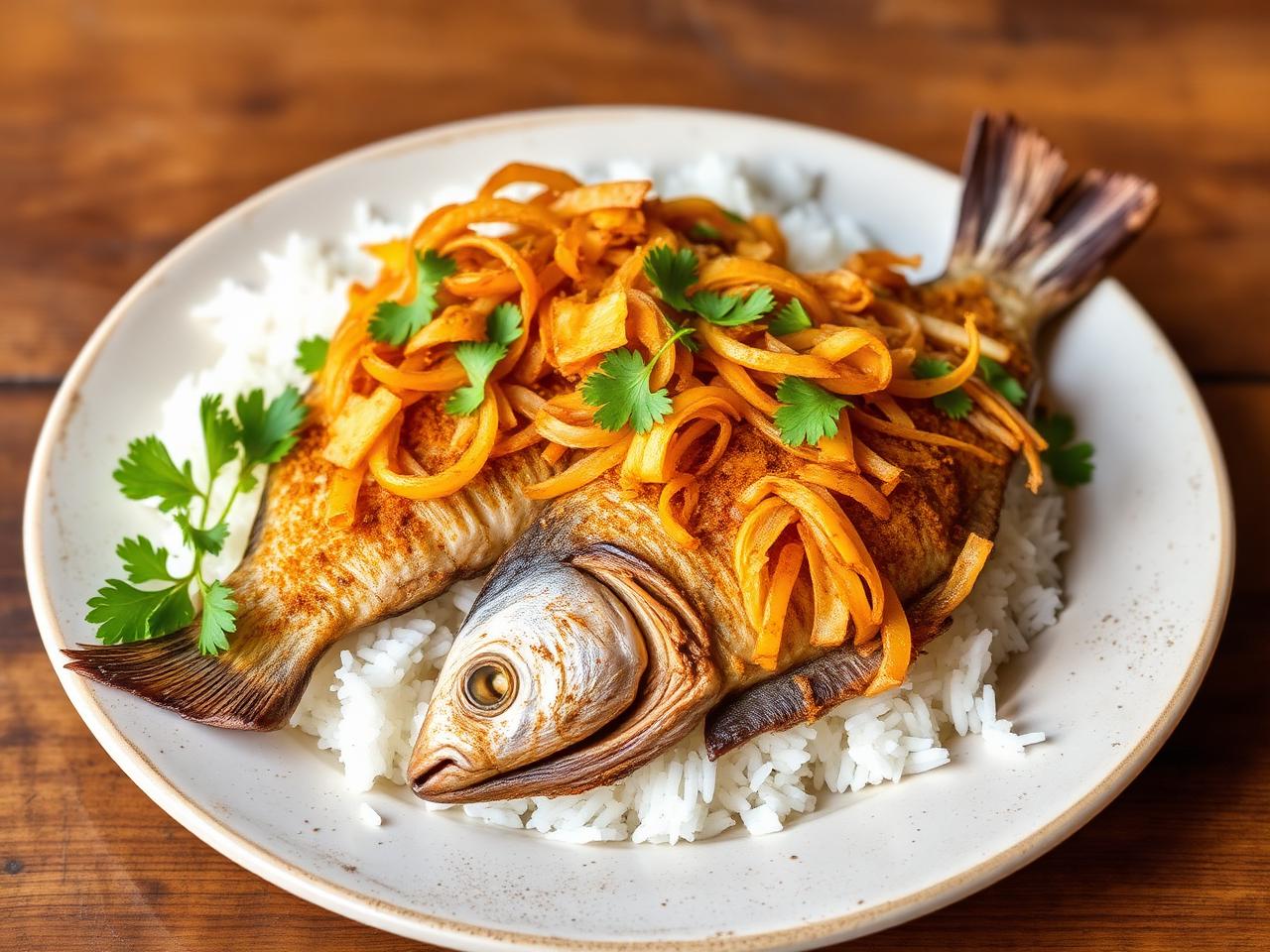
Ngà-gyaw
A humble dish that is a lot more than a simple fish dish — the aromatics underpinning it are perfection. White rice, and it stands alone.
Get the recipe →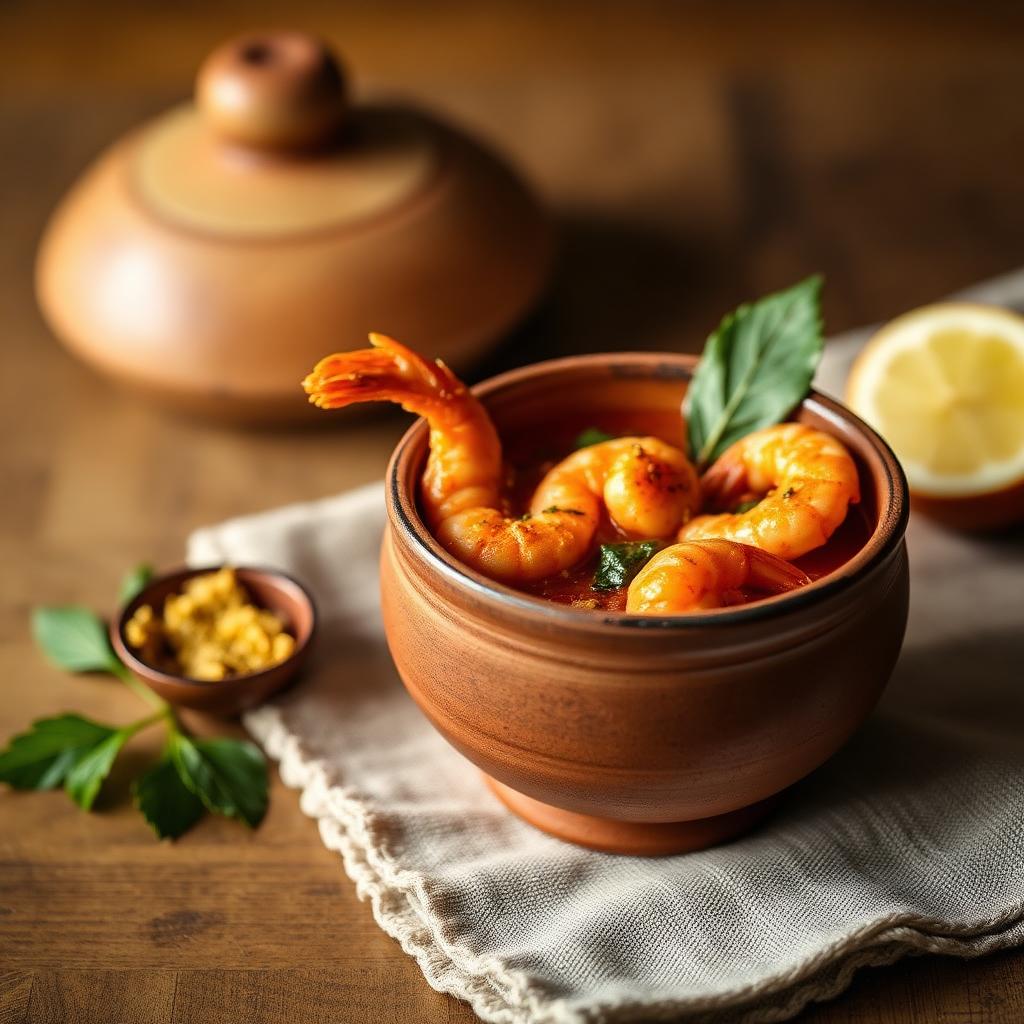
Prawn curry with tomatoes
Pazun hin
A show stopper. The bigger the prawns the better — I use tiger or Mozambican.
Get the recipe →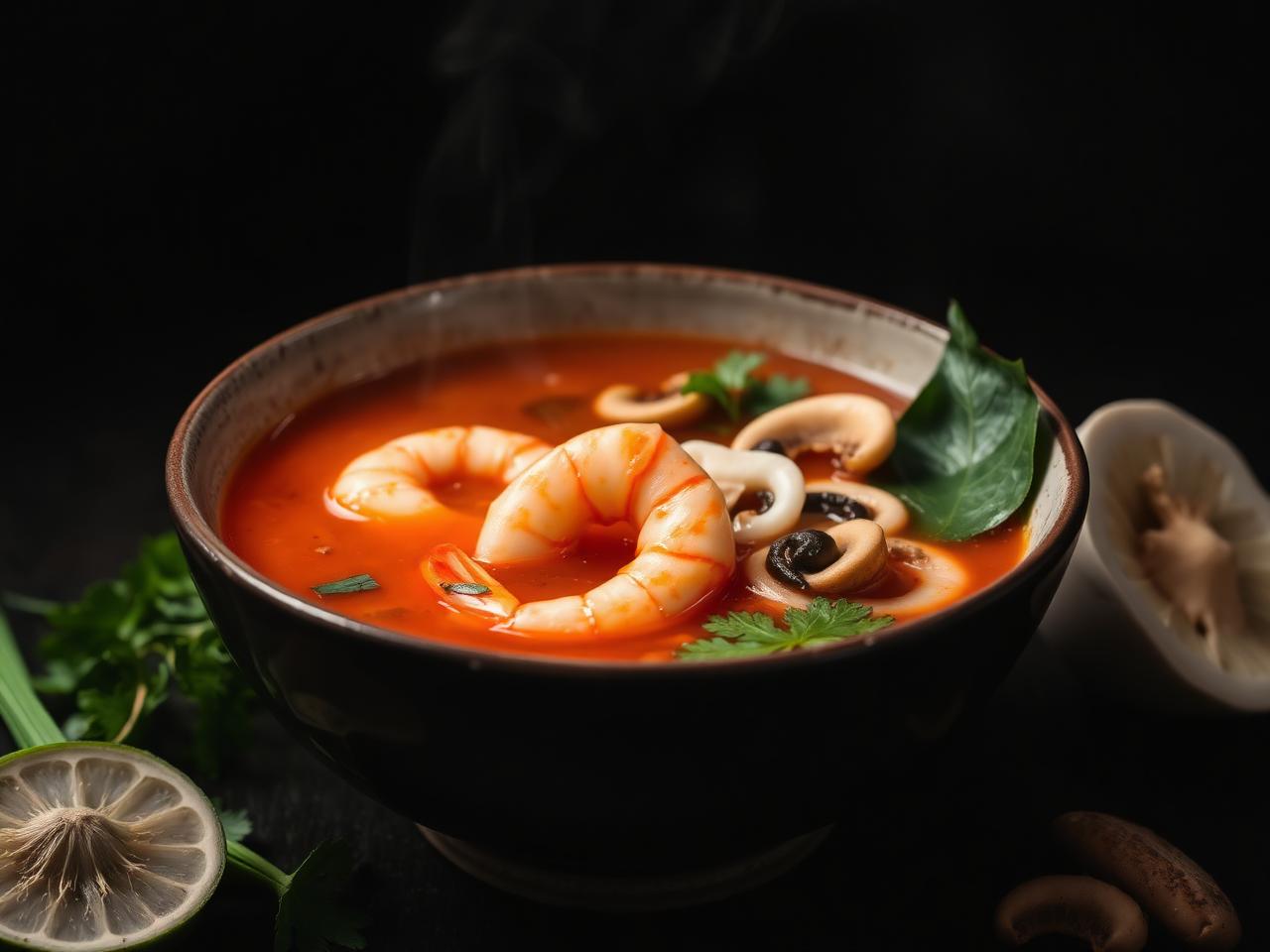
Thailand · winter soup
Tom yum kung pla muek
Prawns and squid in hot-sour broth. I make mine with chicken stock rather than pork. Lemon juice to taste, always. Fresh coriander, always.
Get the recipe →Thailand
Standing ovation territory
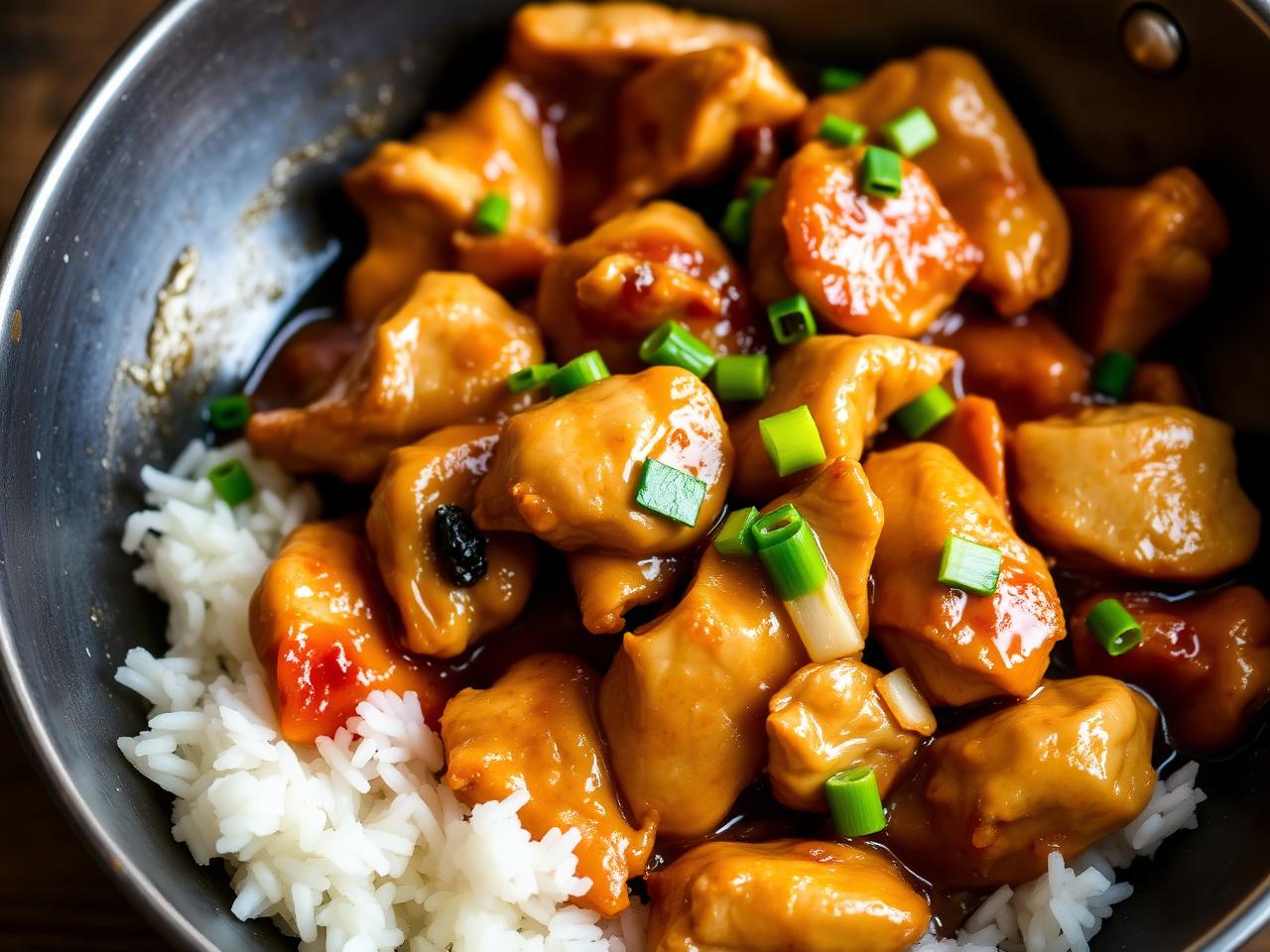
Chicken, ginger and honey
Pad king kai
Vastly improved if cooked the day before and reheated just before serving. Amazing, flavourful, and I absolutely love it.
Get the recipe →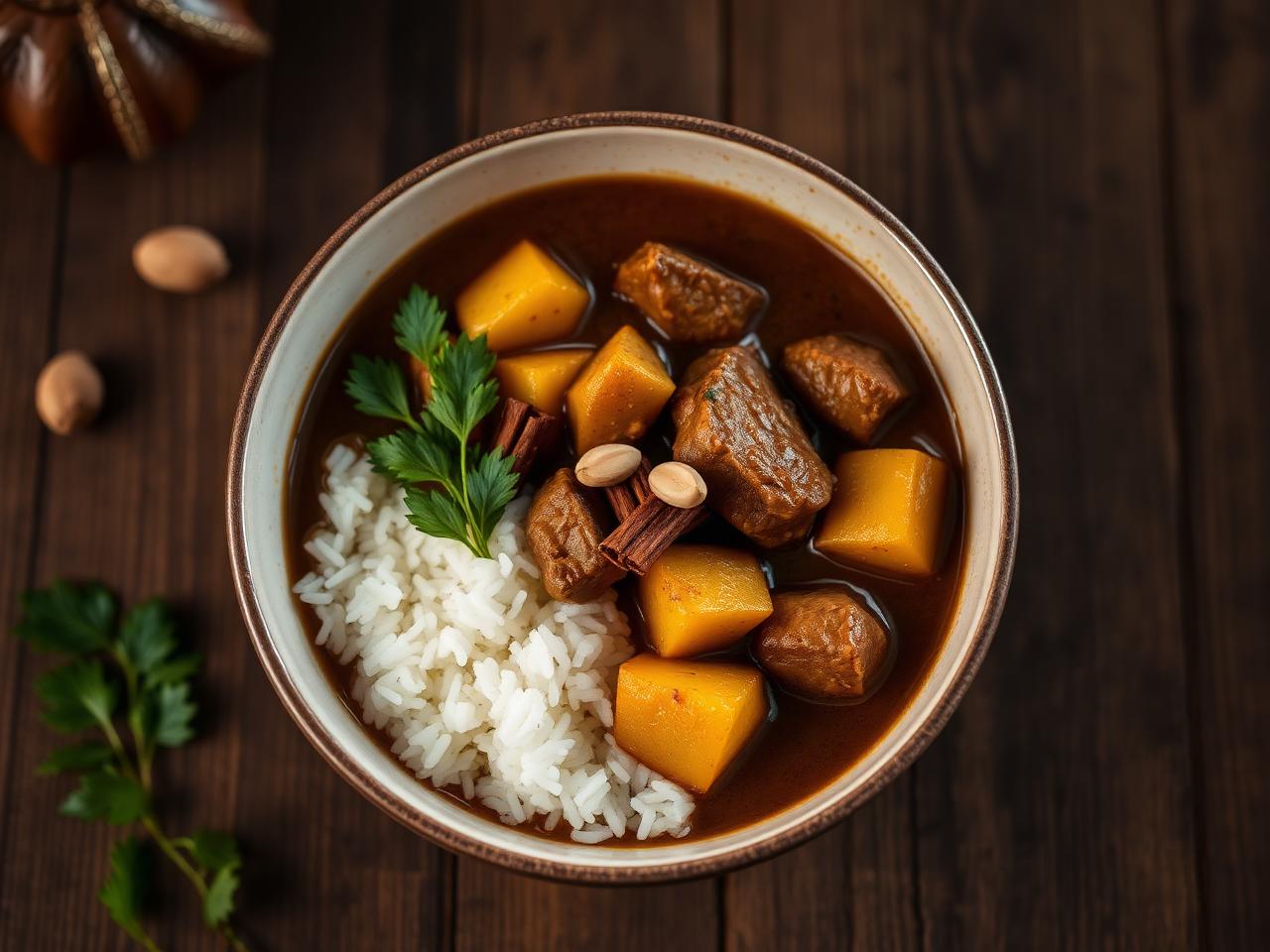
Clap-hands incredible
Massaman curry
King Rama VI wrote that a lady who makes a good massaman will never be short of suitors. Cook away, single ladies.
Get the recipe →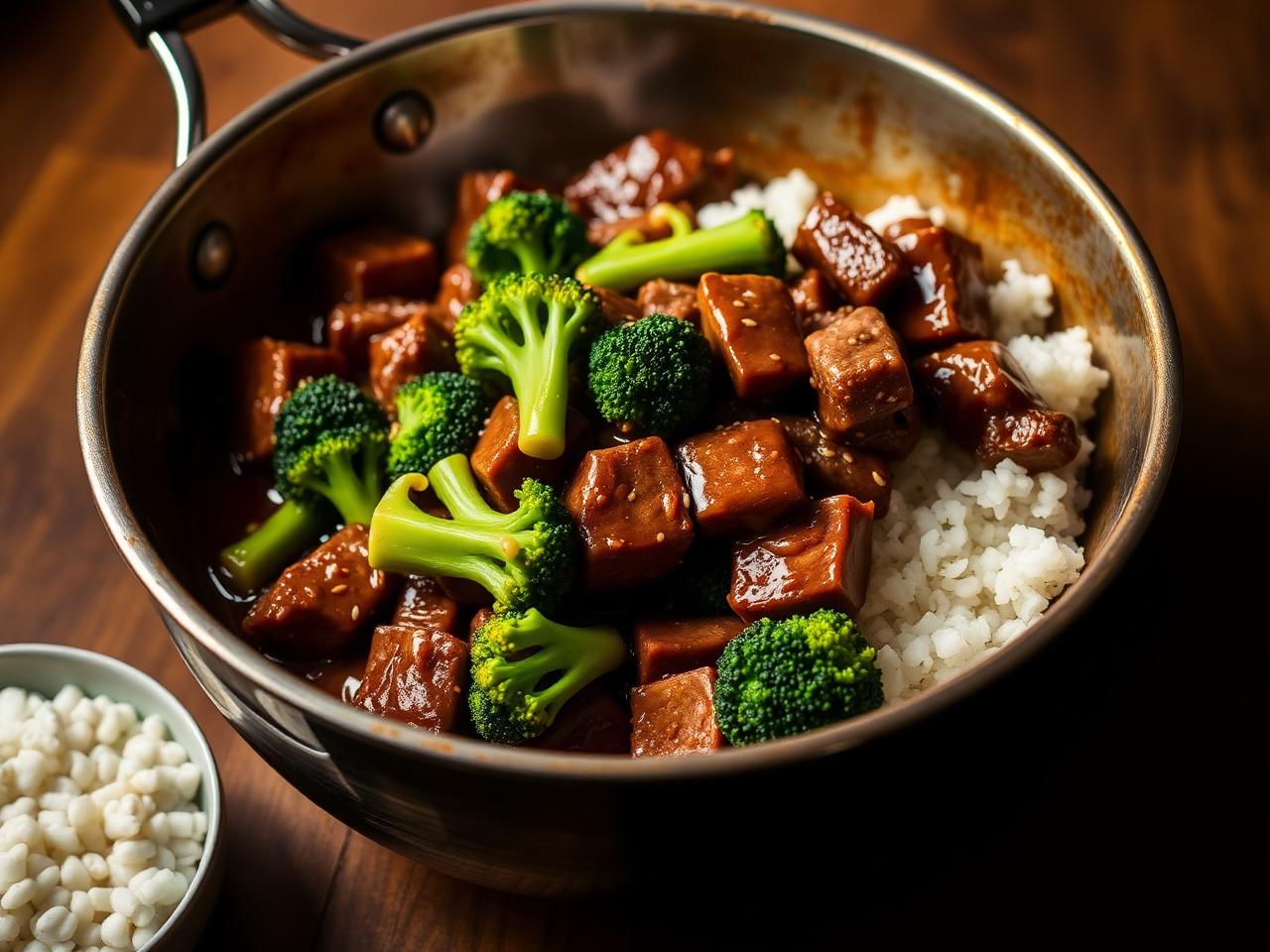
China · weeknight
Beef with broccoli
My absolute favourite Chinese dish. Humble, easy, and so fantastic. I have it over steamed rice.
Get the recipe →China & Japan
Noodles, stock, skewers and dumplings
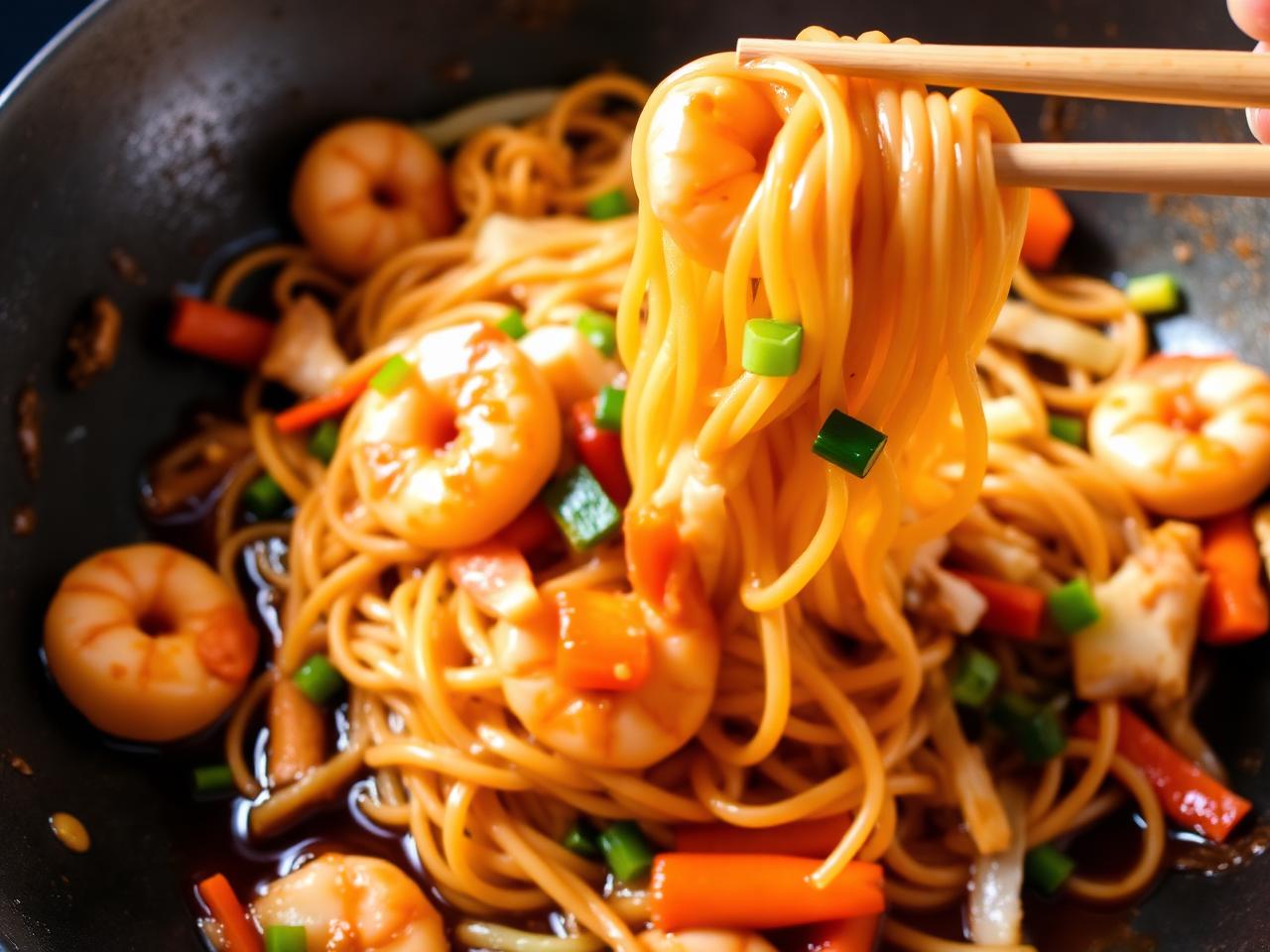
Chow mein
Shijin chaomian
Could there be anything more popular? For a long time it was all I ate, and over noodles. Ten out of ten.
Get the recipe →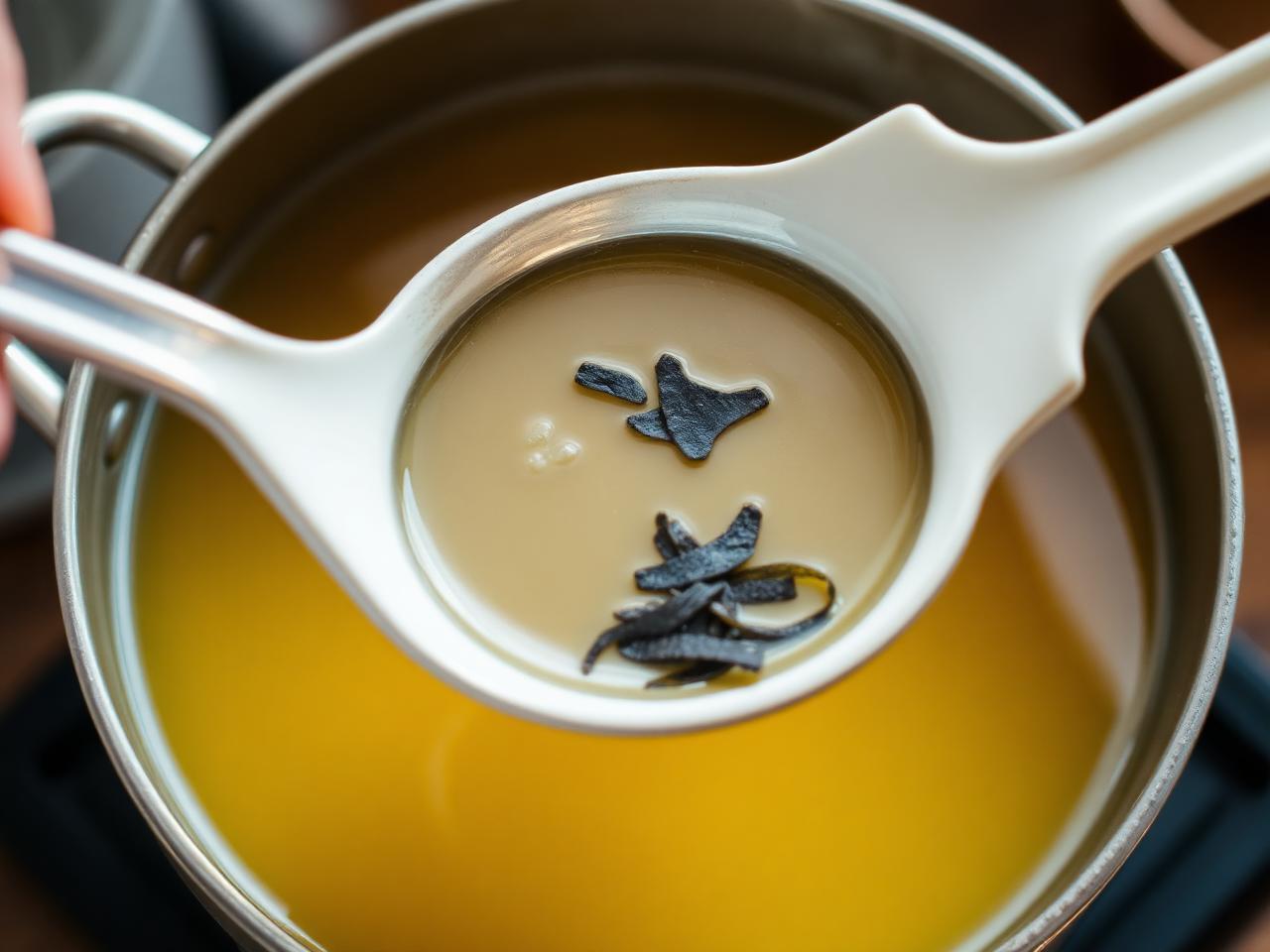
The basic stock
Dashi
A light fish and seaweed stock, and indispensable in Japanese cooking. Everything else starts here.
Get the recipe →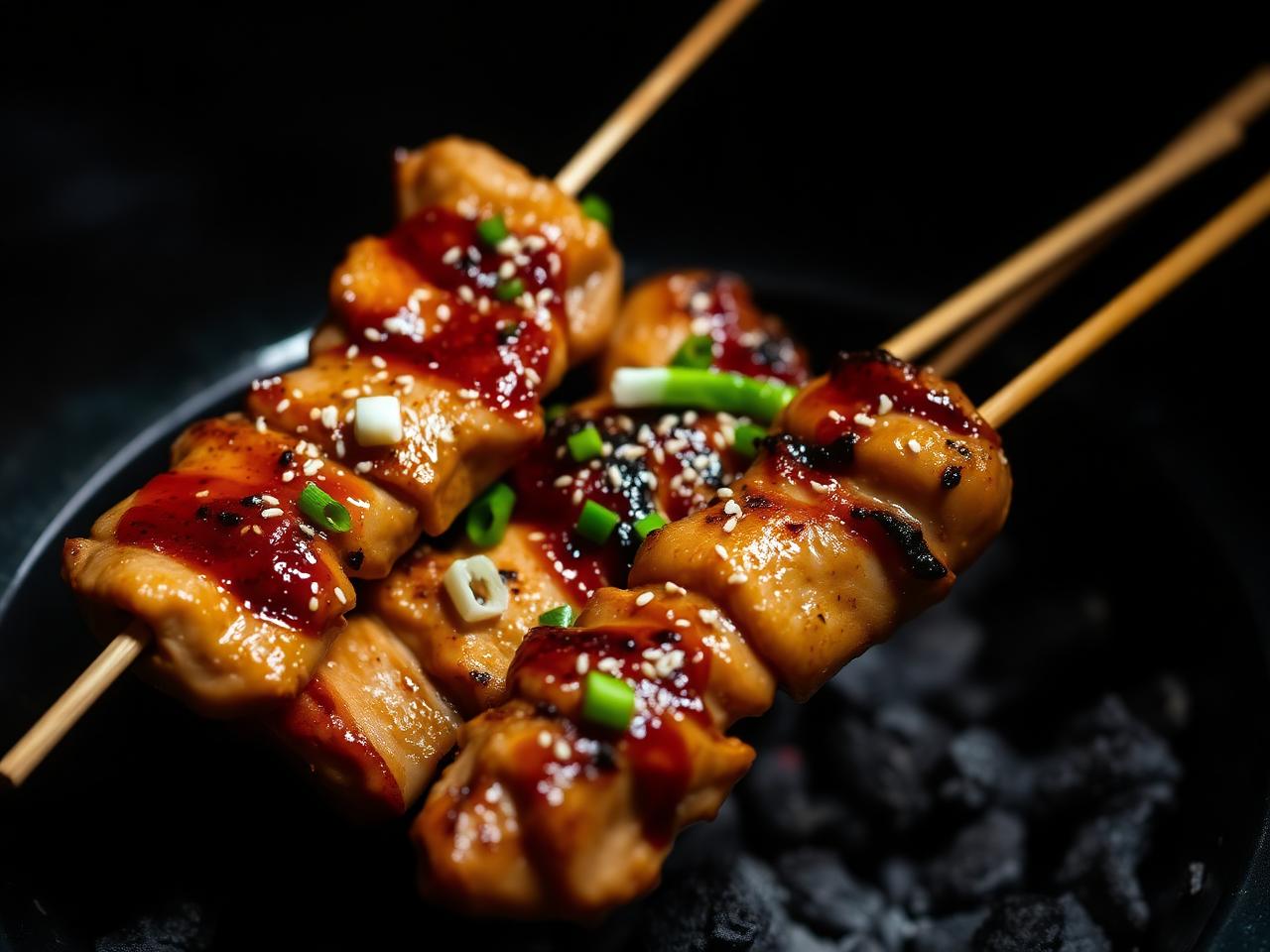
Grilled chicken
Yakitori
Intensely amazing, and one of the most popular of all Japanese grilled dishes. Use soaked skewers.
Get the recipe →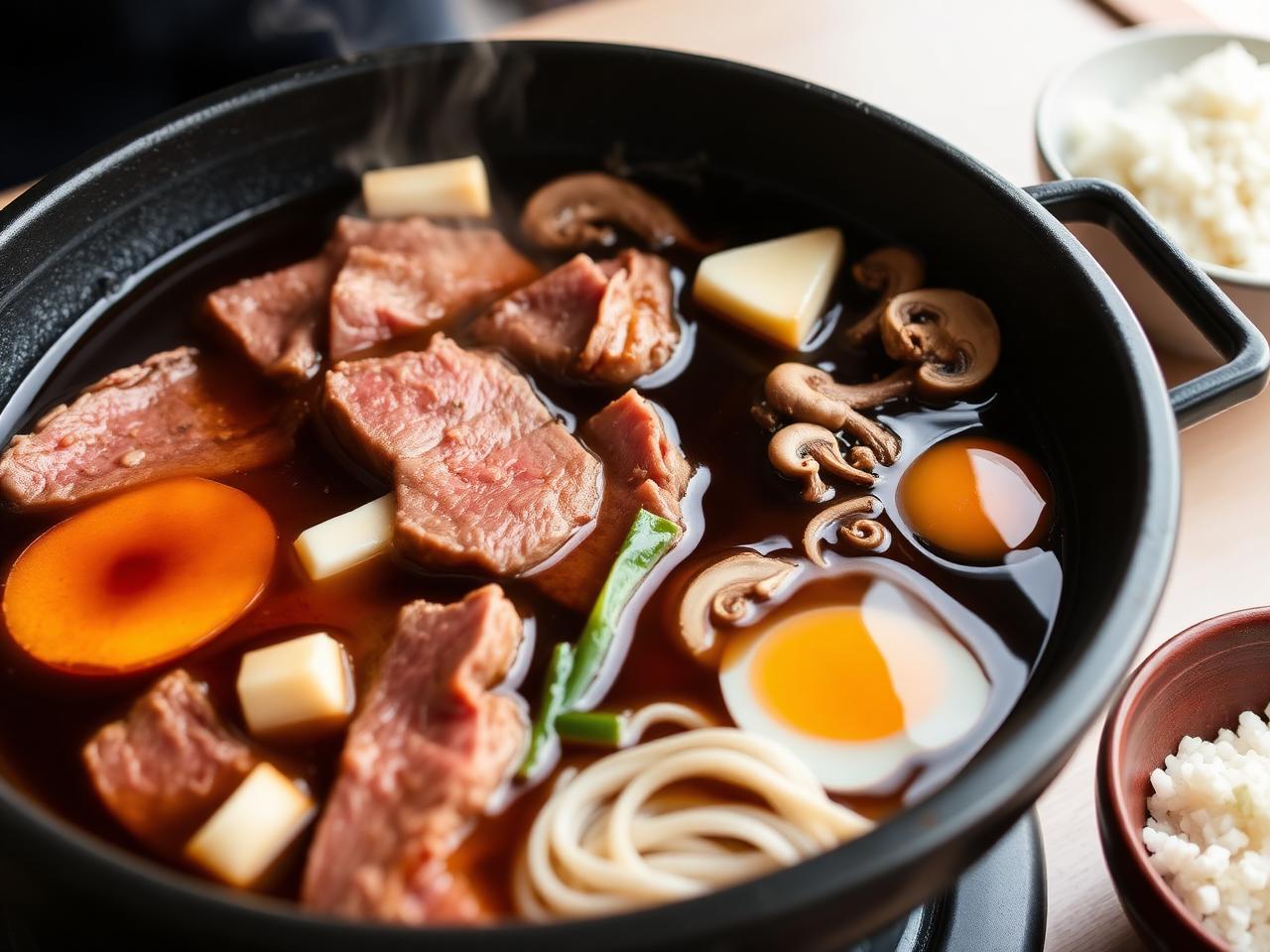
Meal in one
Sukiyaki
An extraordinary combination of ingredients, and the juices that blend together are unsurpassed. Serve with steamed rice and vary the vegetables by season.
Get the recipe →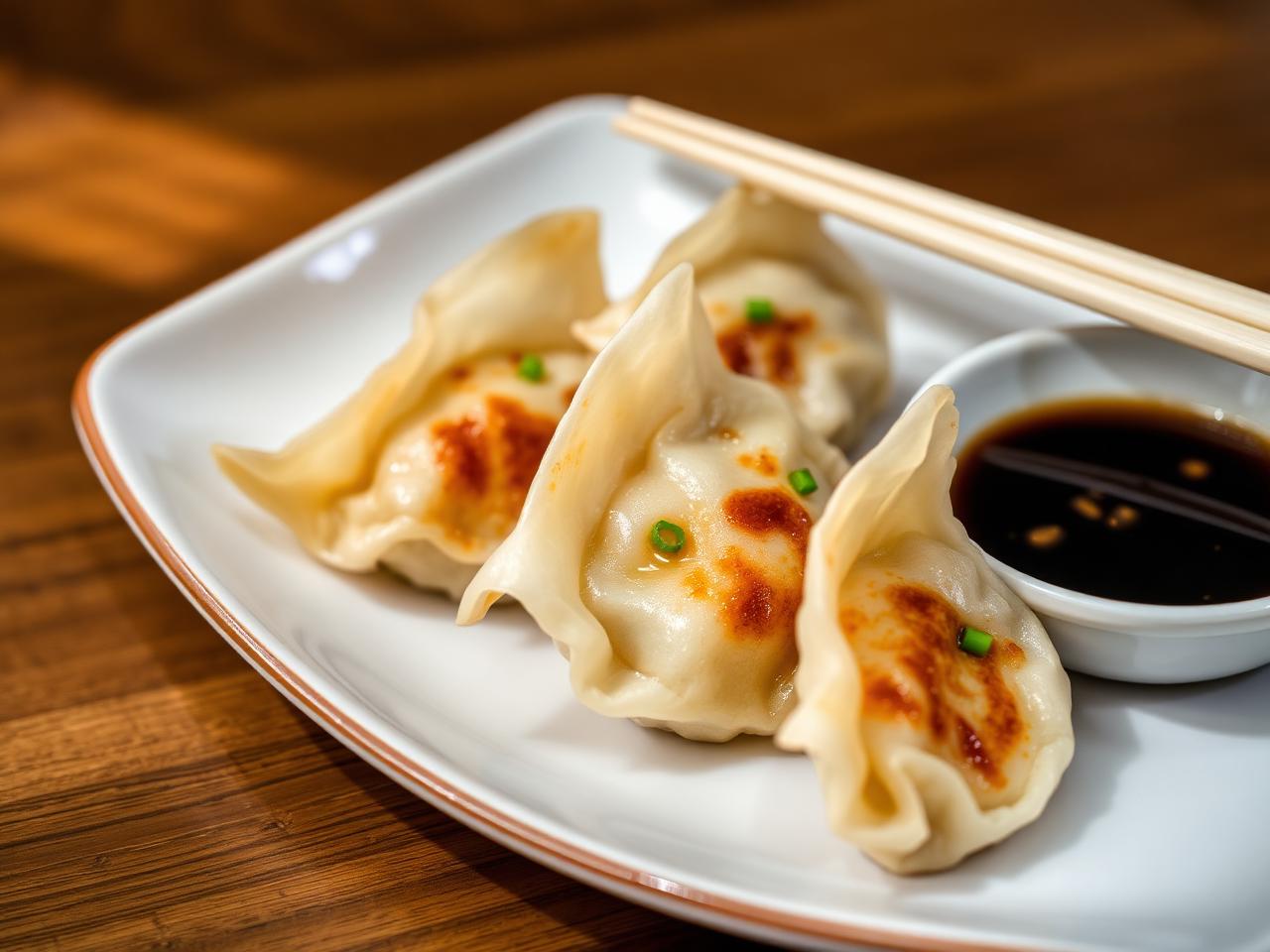
Fried dumplings
Gyoza yaki
Very well known, and fantastic anyway. Humble, crisp-bottomed, and gone within minutes.
Get the recipe →How I would serve it
A seafood evening
Goreng sotong to start, Singapore chilli crab as the main, rice underneath everything and fresh limes or lemons on the table. Sambal sotong does not belong here — that one stands perfectly on its own.
A Burmese evening
Ngà-gyaw and pazun hin side by side as two options, white rice, and the biggest prawns you can find — tiger or Mozambican. Your guests will love you for it.
Everything gets sauce
Nuoc cham and sambal bajak live on my table permanently. The nuoc cham is pounded in a mortar and pestle, never a blender, and keeps a week. The sambal keeps a month under its own oil.
Cook it the day before
Pad king kai and rendang are both vastly better reheated. Make them the day before, sit down with your guests, and let the fridge do the work.
King Rama VI wrote that a lady who makes a good massaman will never be short of suitors. Imagine. Cook away, single ladies, cook away.
10 August 2026 · The unbothered kitchen
A tornado, a ravioli, and my first choux.
Learning something new every day is the whole point of me. Yesterday it was a tornado omelette off MasterChef Australia and my first batch of homemade ricotta. Today that ricotta becomes butternut ravioli in burnt butter with candied pine nuts, and then — for the first time in my life — choux pastry, filled with bananas Foster cream.
Yesterday's win
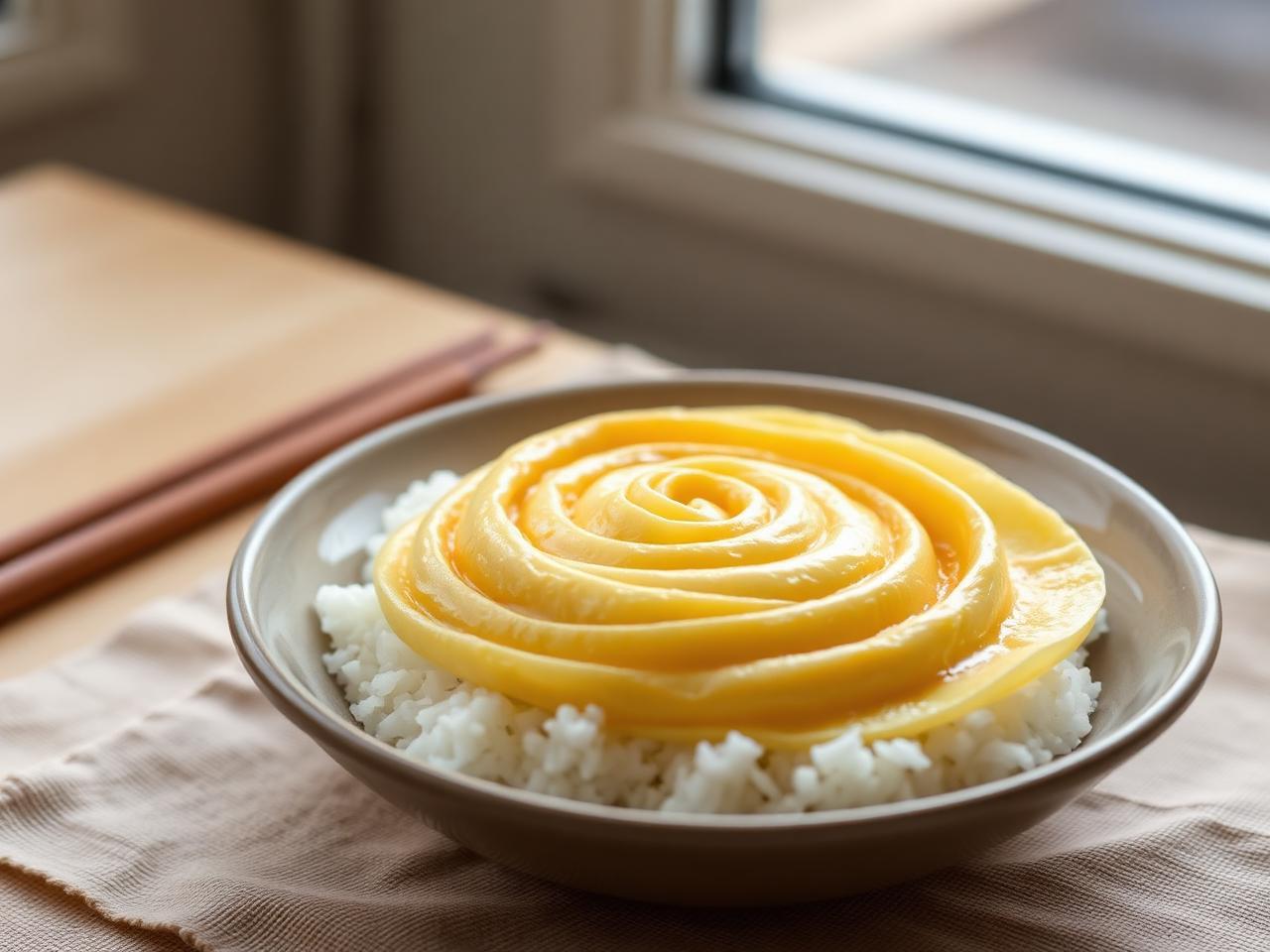
The tornado omelette.
I saw it made on MasterChef Australia and made it the next day. Strained egg, a hot non-stick pan, a pair of chopsticks spun in one direction while the pan turns the other — and ninety seconds later you have a soft golden furl sitting on hot rice. It is incredible, and it is easier than it looks.
Watch it before you try it — tornado omelette videos on YouTube show the chopstick spin better than any recipe can.
Get the recipe →And the ricotta that started all of this: how to make ricotta at home. Milk, cream, salt, lemon, patience — that is the entire trick.
Step one
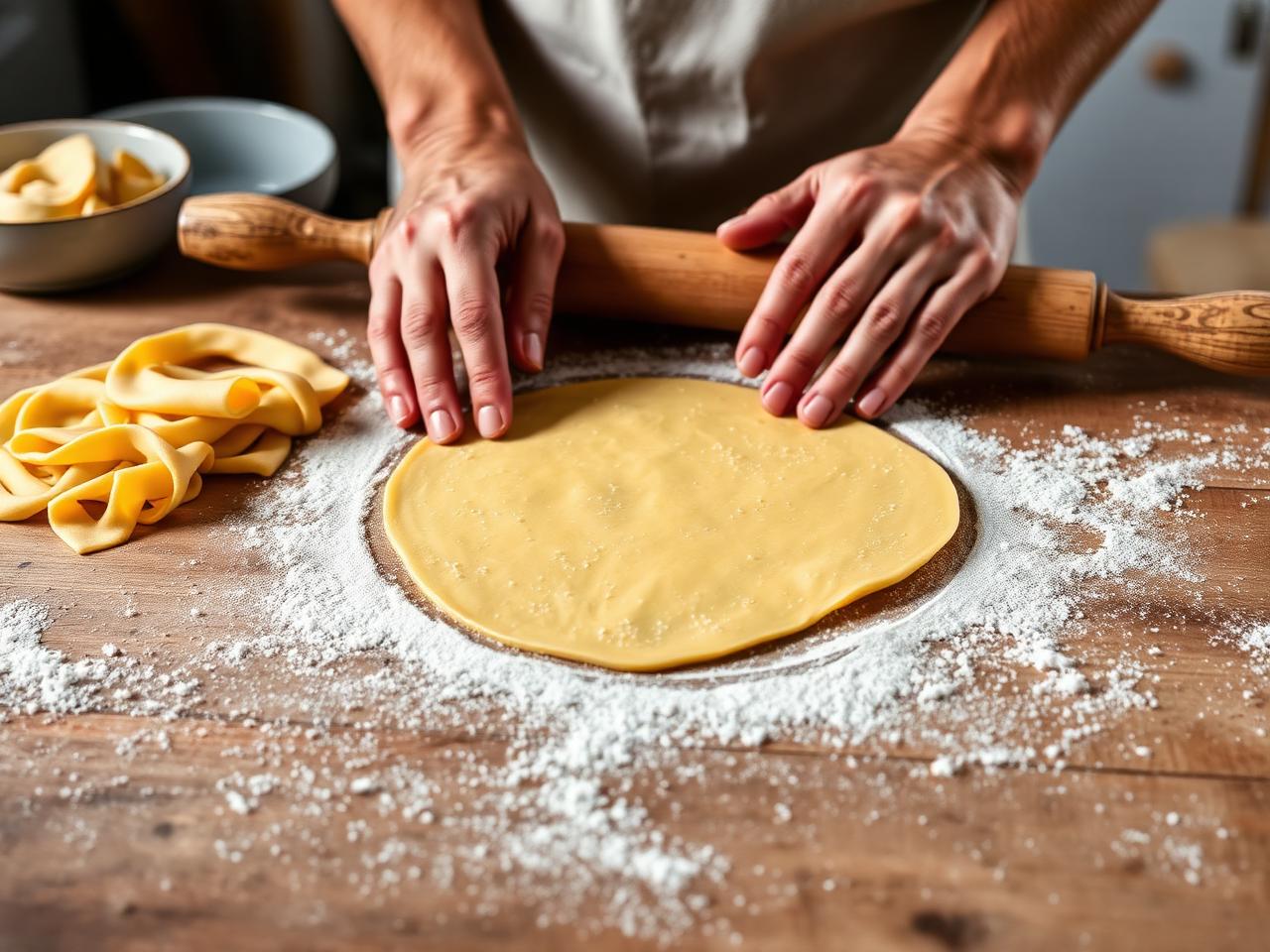
Fresh egg pasta — Jamie's method
One large egg to 100g of Tipo 00, kneaded a full ten minutes, rested, then rolled until you can see your hand through the sheet.
Step two
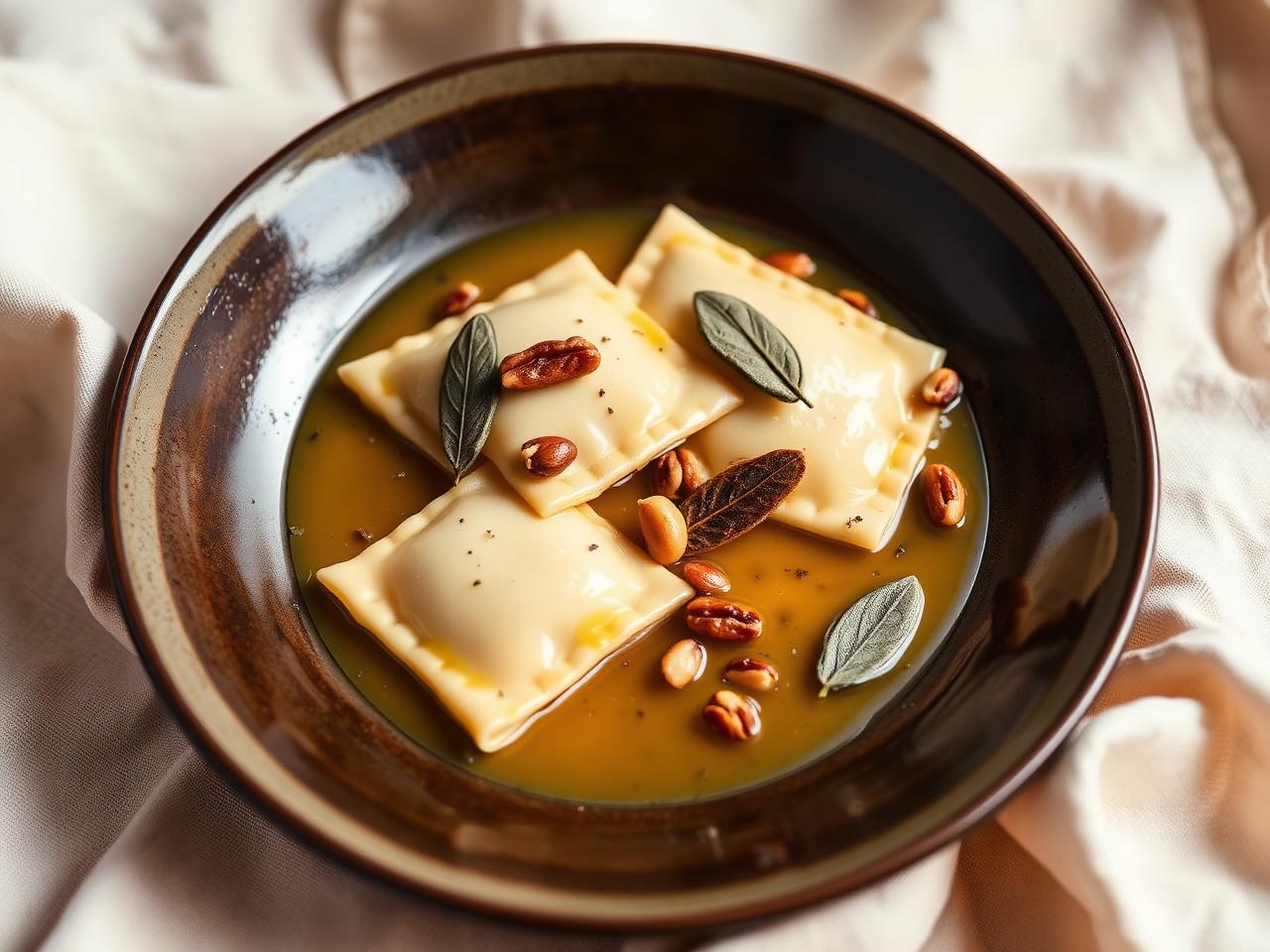
Butternut and ricotta ravioli
Roasted butternut drained hard, folded through homemade ricotta with parmesan, nutmeg and toasted hazelnuts for the crunch.
Step three
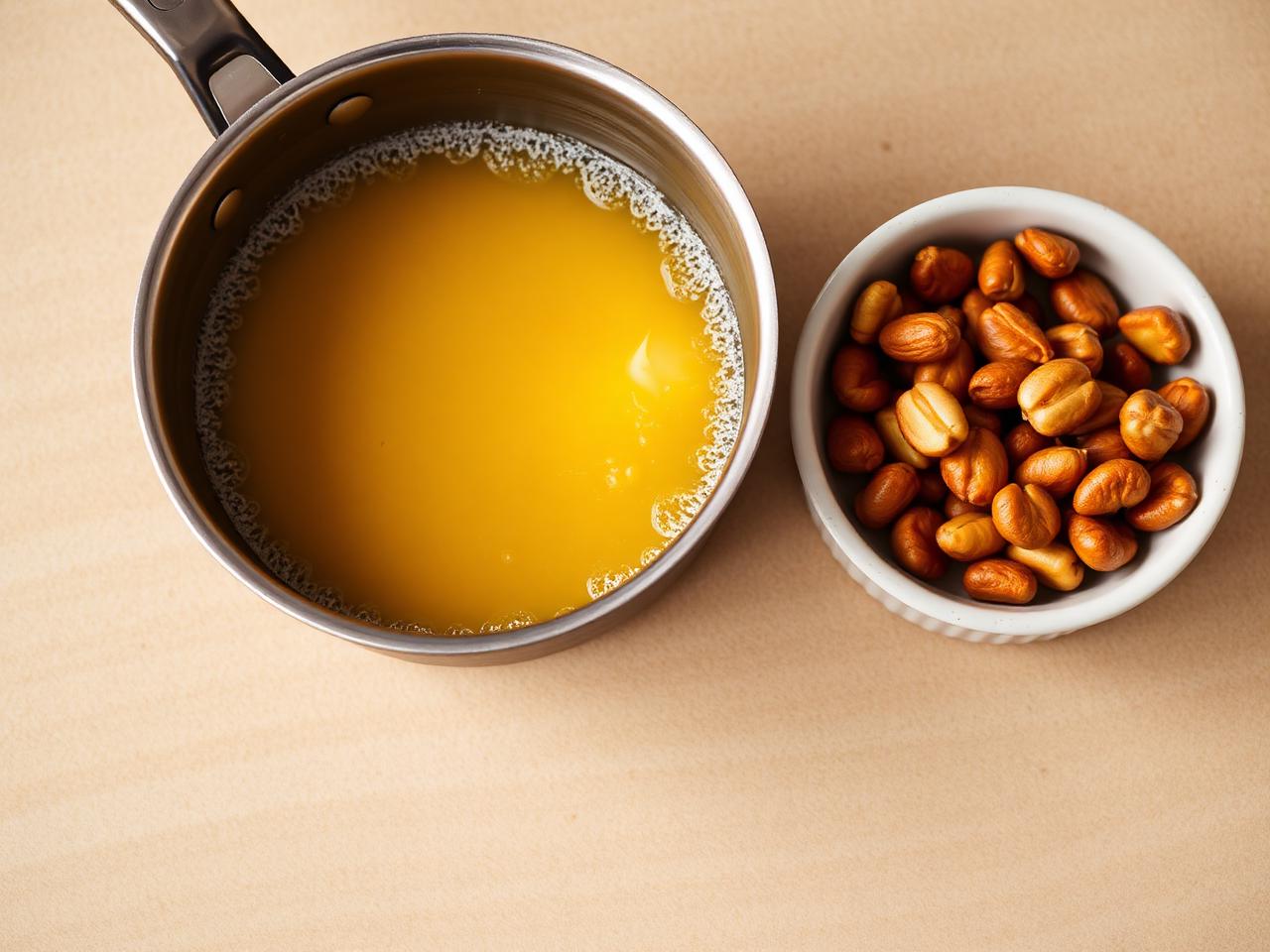
Burnt butter, candied pine nuts
Butter taken to hazelnut brown, stopped dead with lemon, crisp sage — and pine nuts lacquered in salted caramel.
Today's first
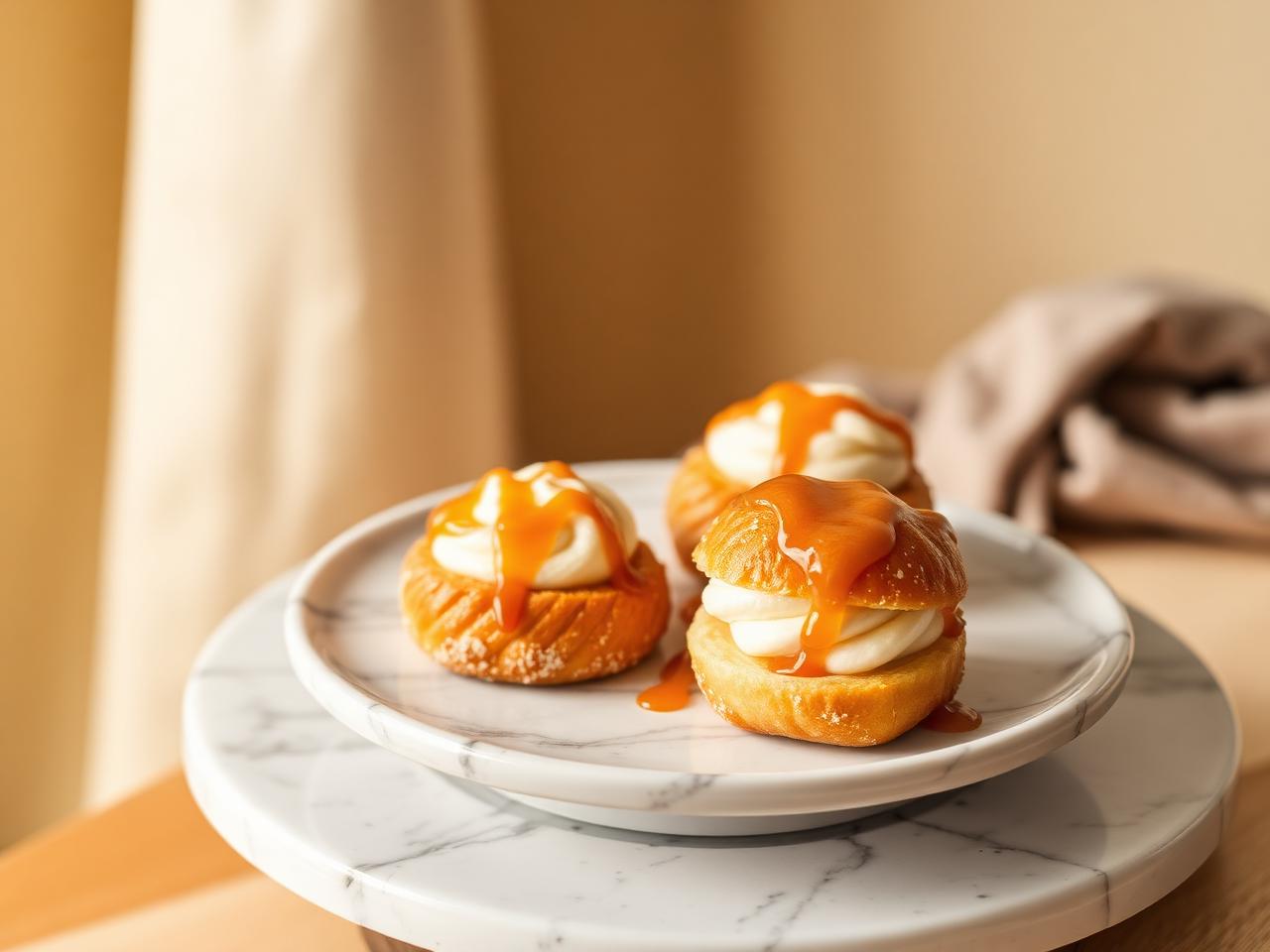
Choux pastry, filled with bananas Foster.
- Dry the dough out in the pan for two or three minutes until a film forms on the base. Skip this and it collapses.
- Cool before the eggs, then add them slowly and stop when the dough falls in a slow, glossy V — never by the number of eggs.
- Do not open the oven for the first twenty-five minutes, and dry the baked shells out with the door ajar.
- The filling: bananas caramelised in butter and dark brown sugar, flamed with rum, cooled and rippled through whipped cream and mascarpone.
9 August 2026 · Around the world with lunch
An international Sunday lunch.
Italy made the cheese, France made the chicken, and my mother made the shopping list possible. Two firsts in one afternoon: ricotta from scratch, and chicken chasseur — Julia Child's hunter's chicken, reimagined by Bobby Flay. This is what going around the world with lunch looks like from a Jo'burg kitchen.
France · the main
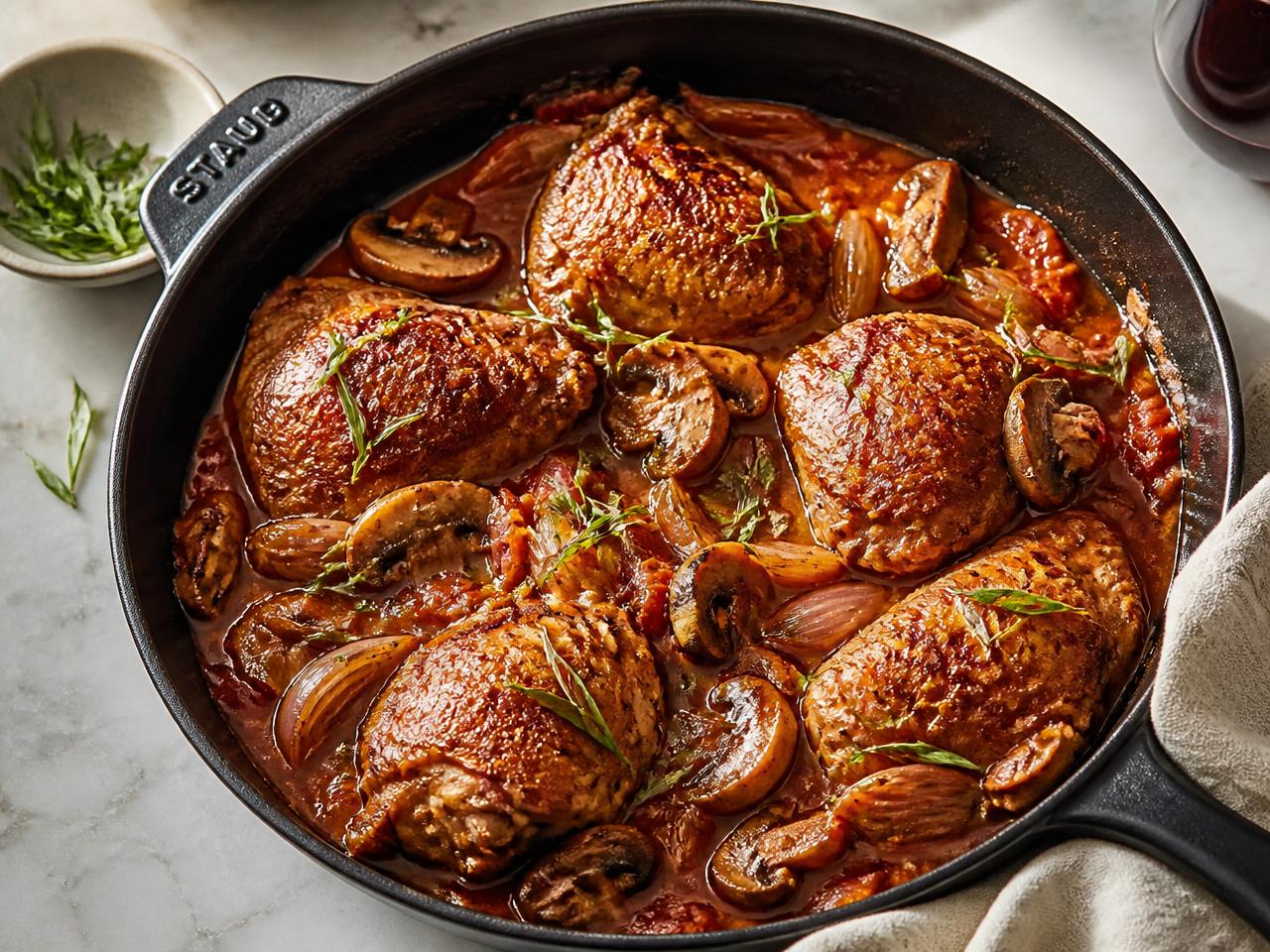
Chicken chasseur.
Bone-in thighs browned hard, then shallots, mushrooms, brandy, white wine and tomato, finished with cold butter and a lot of tarragon. Julia Child taught the technique; Bobby Flay gave it the swagger. My first time making it, and the house smelled like a very good decision.
Get the recipe →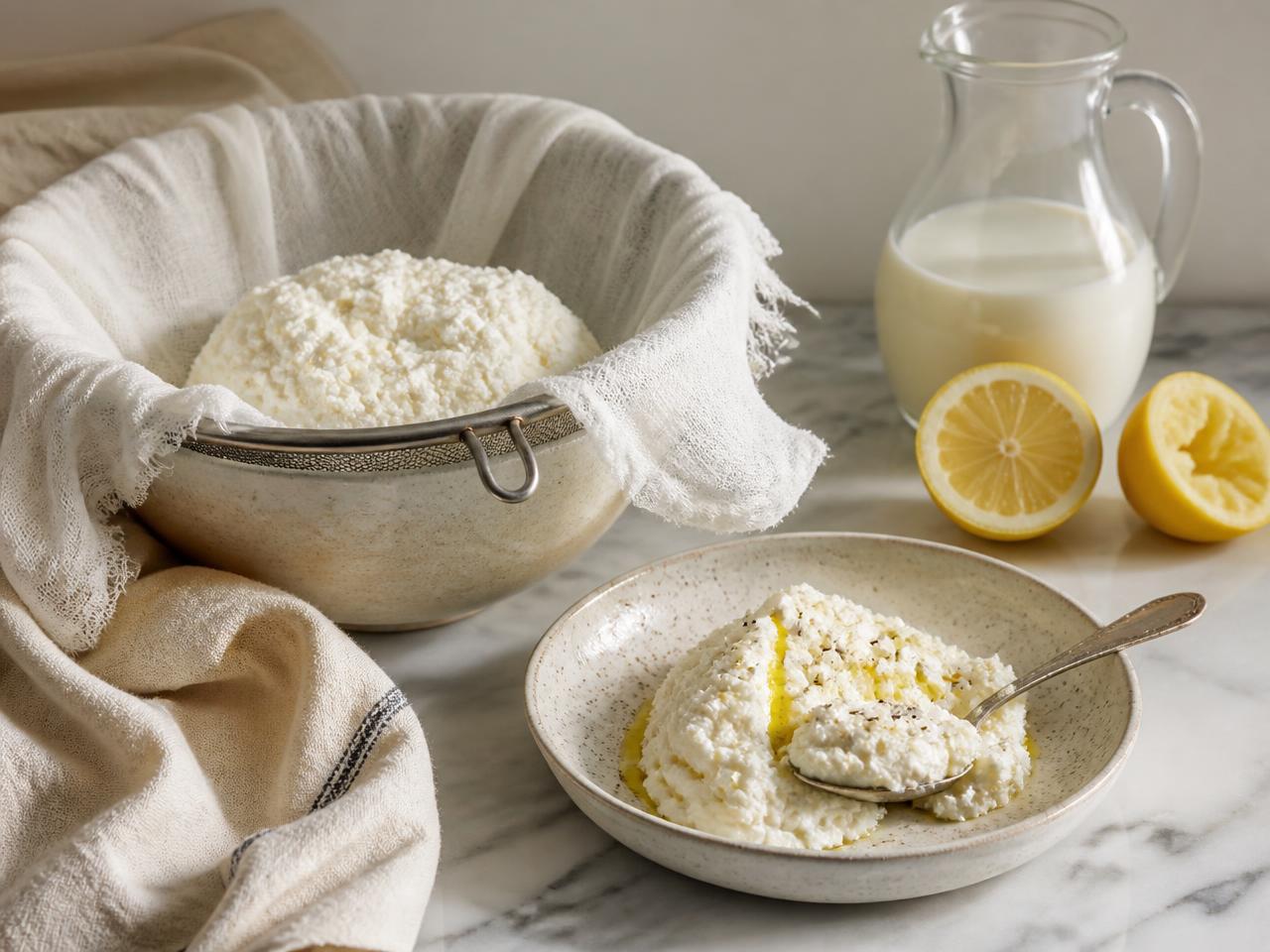
Italy · the first
Homemade ricotta.
Milk, cream, salt, lemon. That is the whole list. Heat it gently, add the acid, stir once and then leave it completely alone. Twenty minutes later you have warm, milky curds that make the shop-bought tub feel like an apology. I was ridiculously proud of myself.
Get the recipe →Something borrowed
Thank you, Mom.
I did not have everything I needed to make lunch today, so I borrowed from my mother — as one does, at any age. Half of this meal exists because she opened her cupboard without asking a single question. That is its own kind of recipe.
8 August 2026 · Watch this space
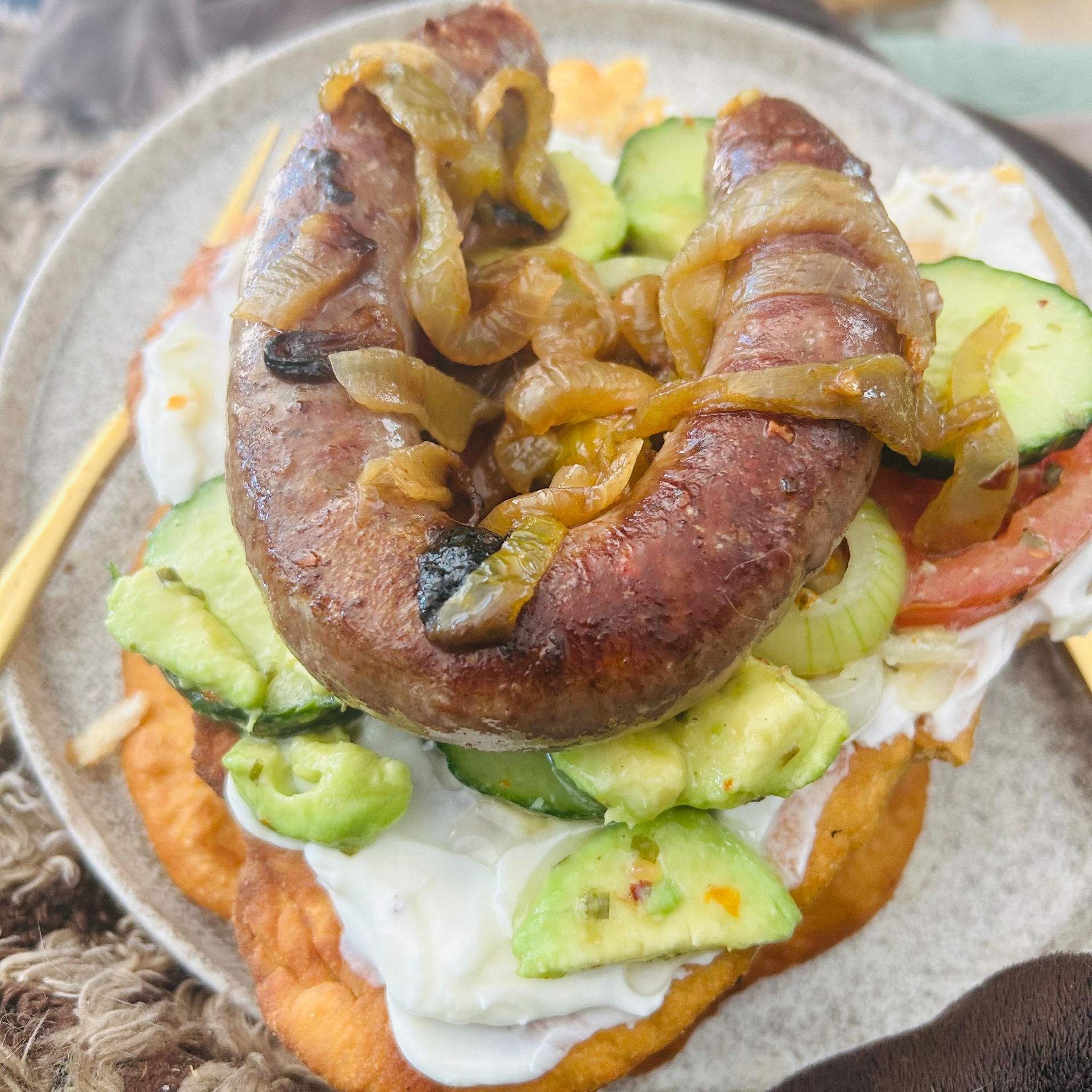
The lángos boerie-roll.
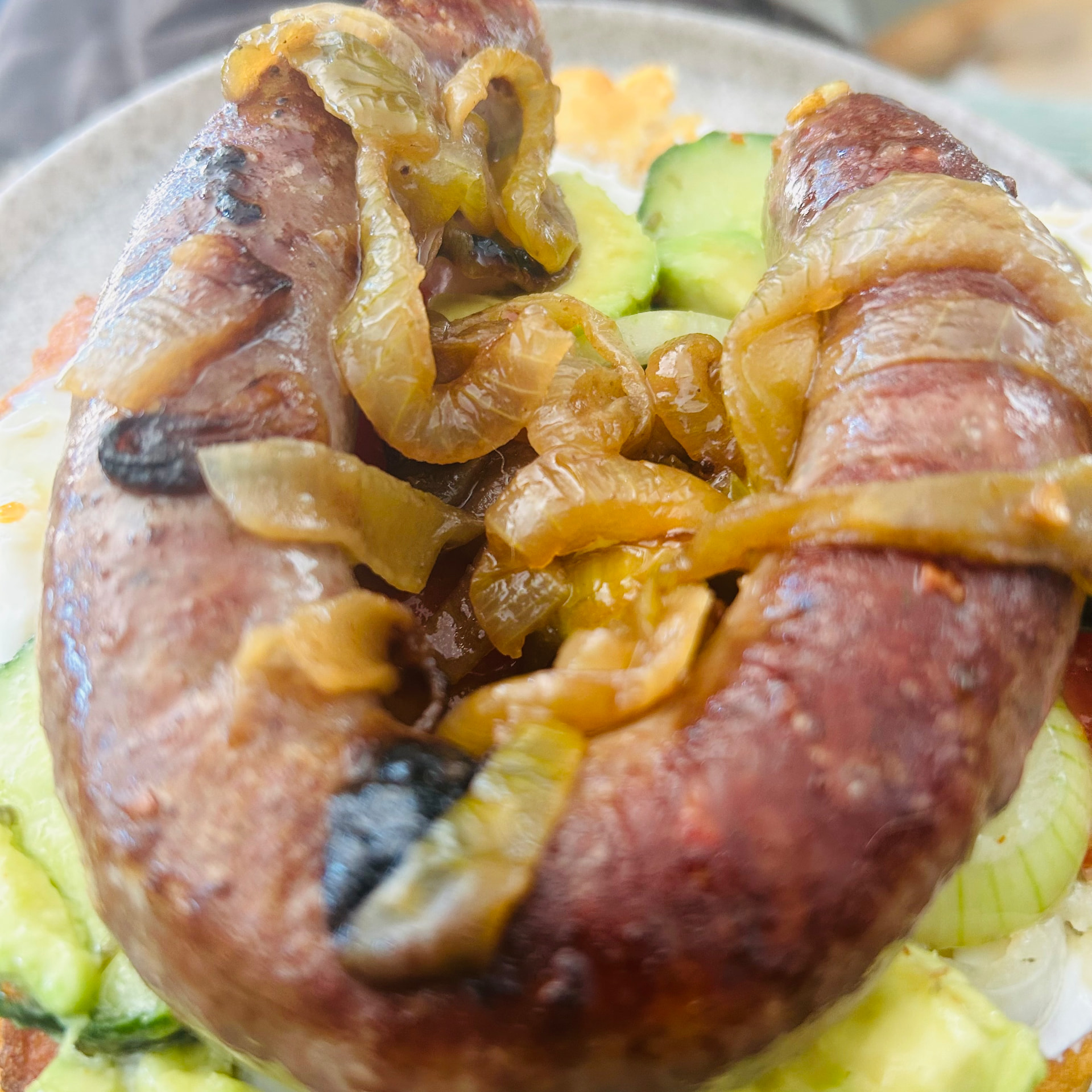
Lángos is now my favourite bread by a million miles — a vetkoek's skinny cousin that doesn't suck up oil. And I will say it plainly: I am not South African when it comes to food. I fry my boerewors the way the Italians do, brown with onions until they caramelise, then beef stock and into the oven. The sausage stays plump and juicy, and the gravy is sensational.
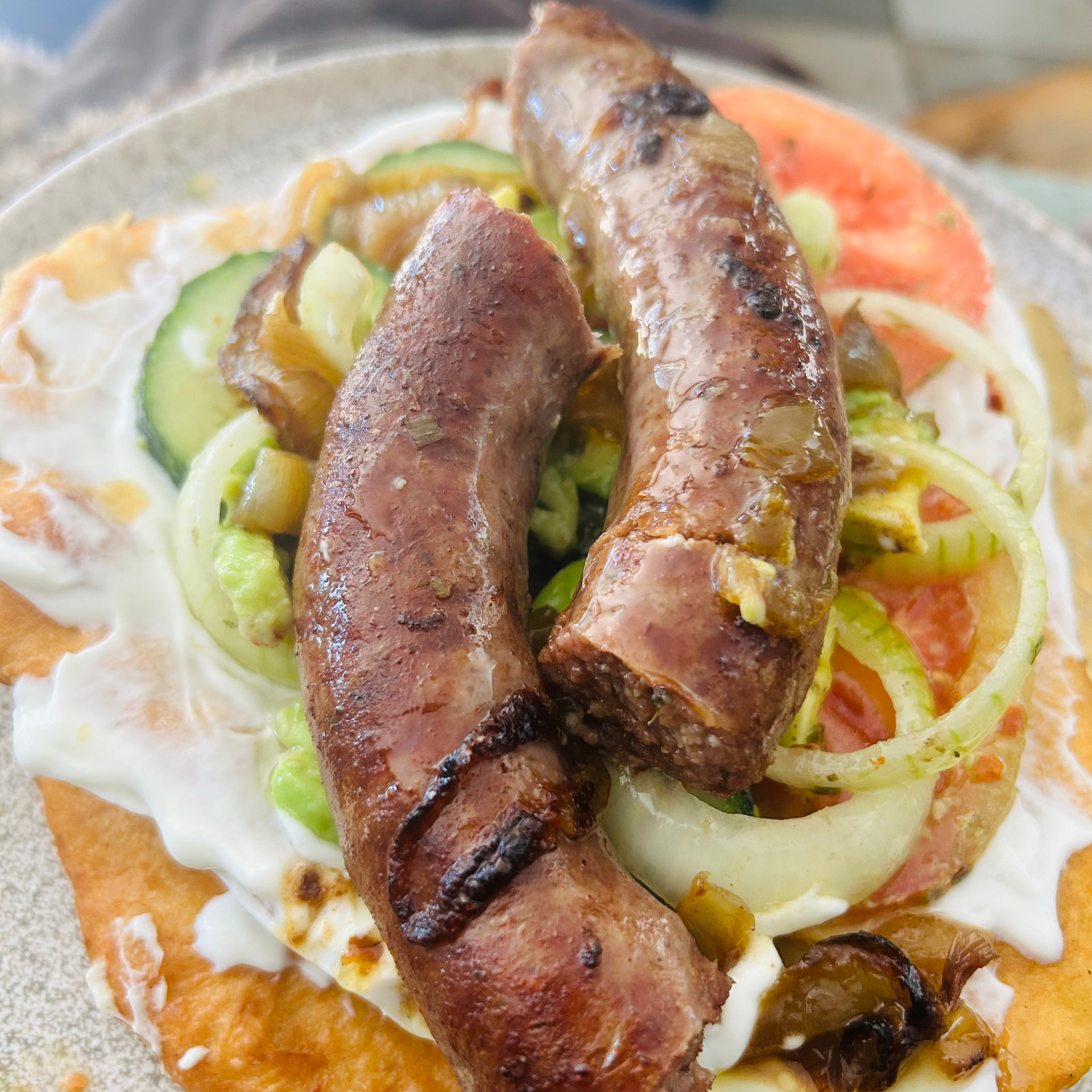
How I build it
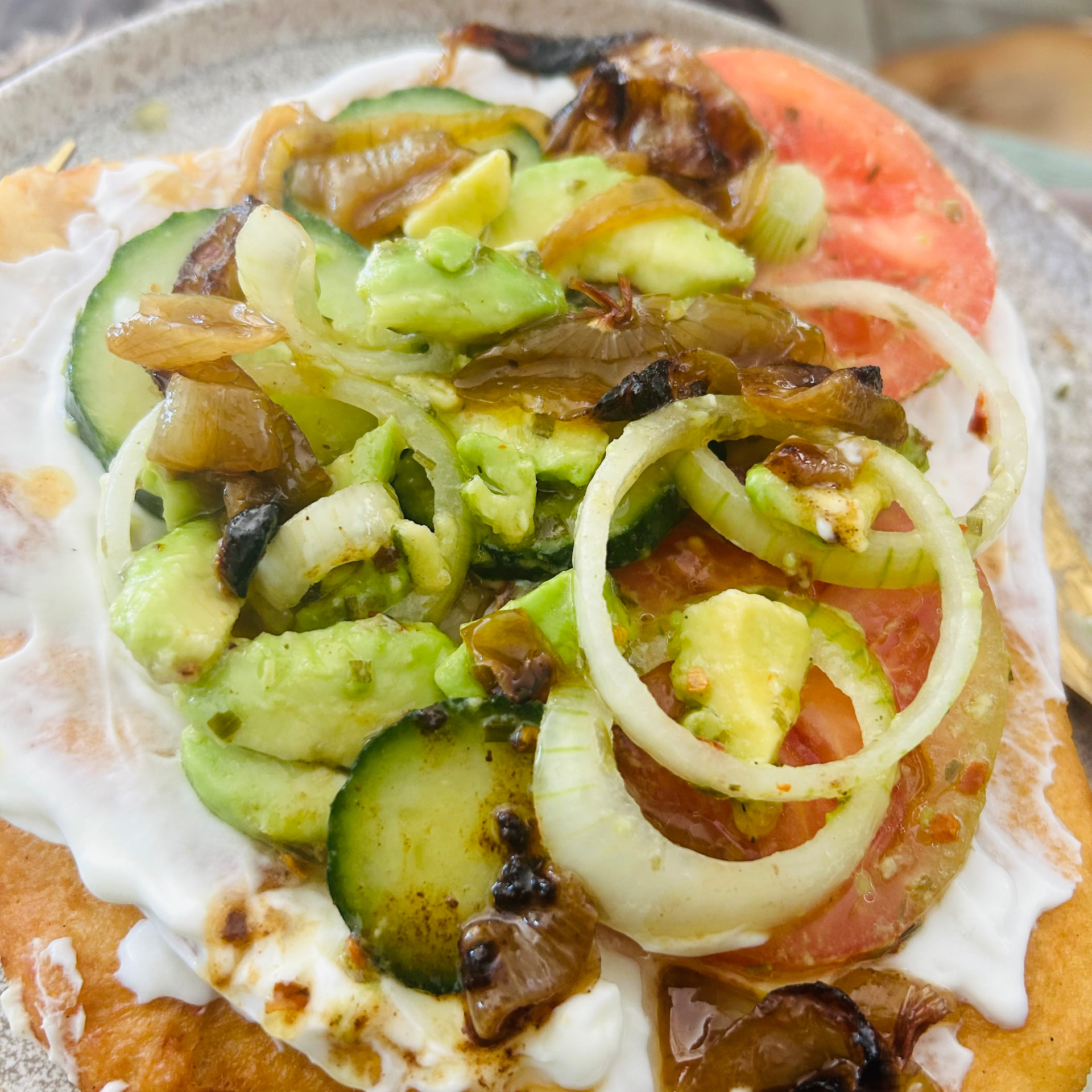
Bread, labneh, salad, wors.
Hot lángos first. Then a thick spread of lemony labneh. Then a simple salad — avocado, cucumber, tomato and fine onion rings — dressed in a chive and lemon oil vinaigrette. Then the wors across the top with a spoonful of caramelised onions and gravy.
And let me tell you: the angels from on-high were singing. It is glorious. I would open a lángos bakery tomorrow and play with a hundred toppings. Watch this space — my excited is excited.
Get the recipe →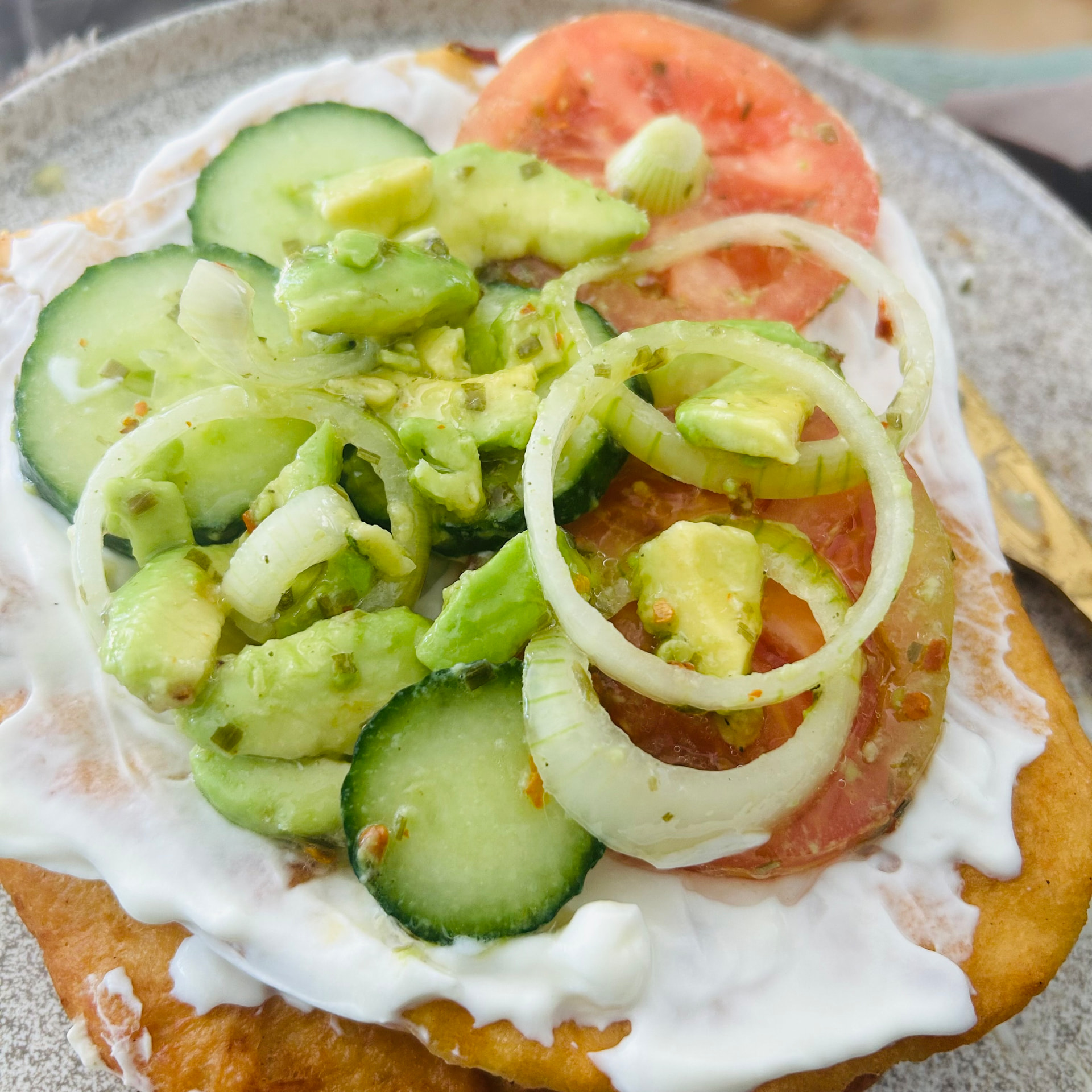
7 August 2026 · Budapest street food
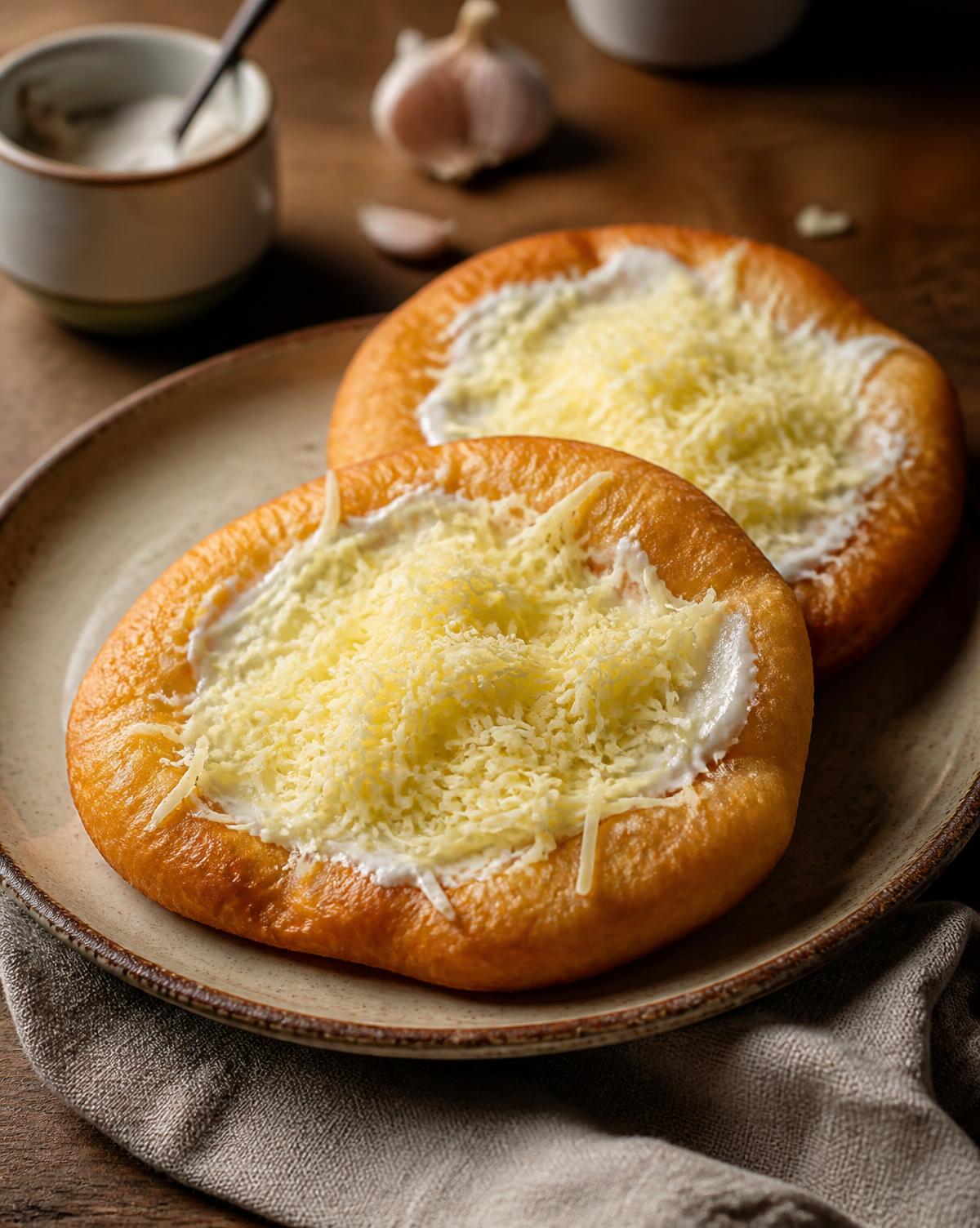
Lángos — Hungarian fried bread.
A dedication to Hungarian food, which never once pretended to be polite. Soft dough stretched by hand, fried until it puffs up gold, brushed with garlic water, then smothered in soured cream and grated cheese.
The method
Slack dough, hot oil, raw garlic.
The dough has to be soft and slightly sticky — if it feels tight, another splash of warm milk. A little riced potato in it keeps the crumb tender. Then a long, slow rise while the afternoon goes by.
Stretch each round thin in the middle and thicker at the rim, and fry hot and fast so it puffs instead of drinking oil. The garlic water goes on while it is still too hot to hold, then soured cream and a blanket of cheese that half melts into it. Eat standing up.
Get the recipe →6 August 2026 · Breakfast for dinner
My perfect comfort food.
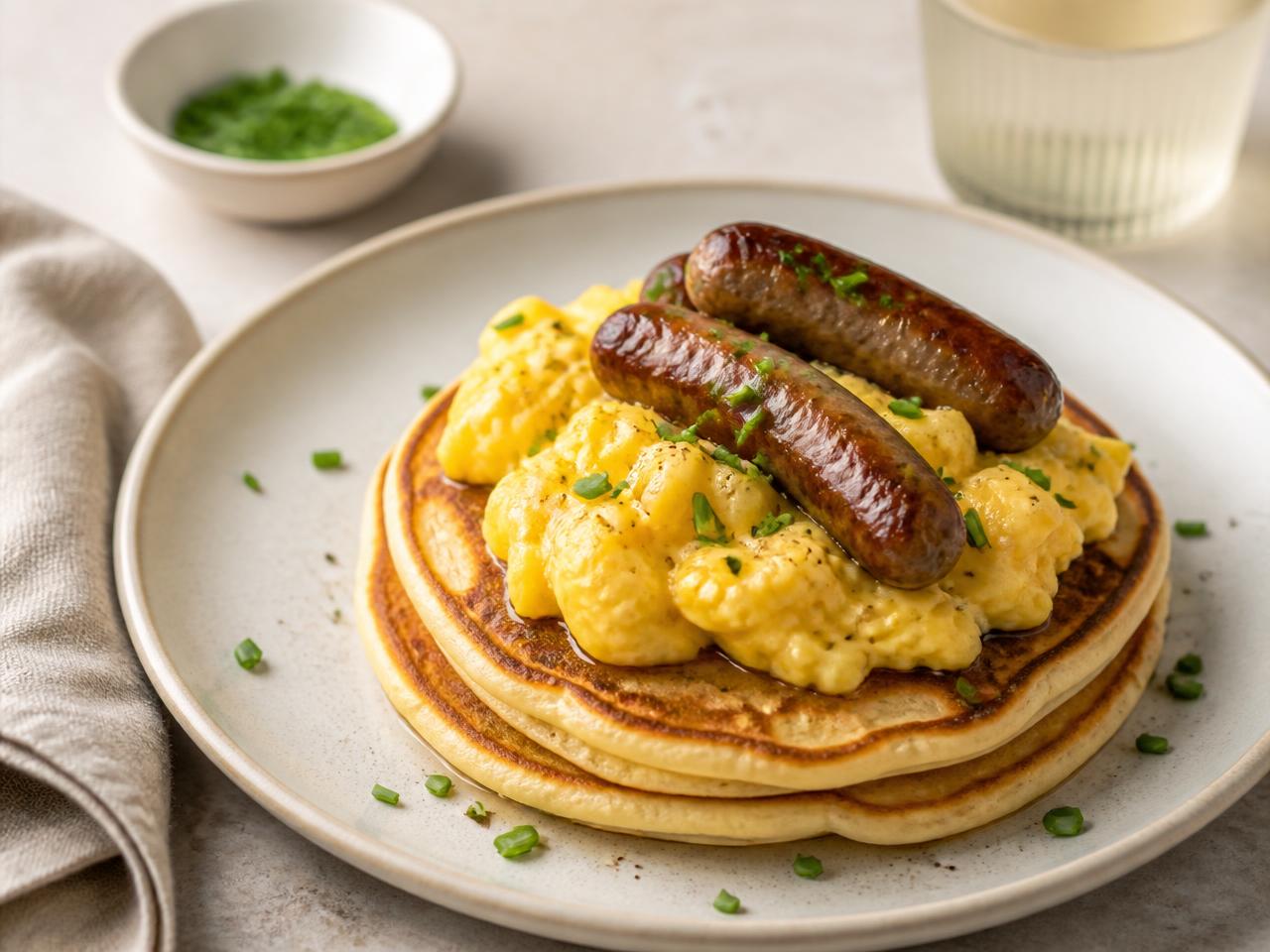
American pancakes are a lot less pretentious than their French cousin, the crêpe. Fluffy, light and lovely — and the perfect vehicle for savoury or sweet. I love them with scrambled eggs and sausage, and a simple saucy tomato salad on the side. When I am sick, this is what I crave.
The base
American pancakes.
One batter, two dinners. Drop the sugar and you're savoury — soft scrambled eggs, browned sausage, chives. Keep it and you're sweet — blueberry compote, bananas Foster, butter and syrup. Lumps in the batter are correct, the ten-minute rest is not optional, and you only ever flip once.
Get the recipe →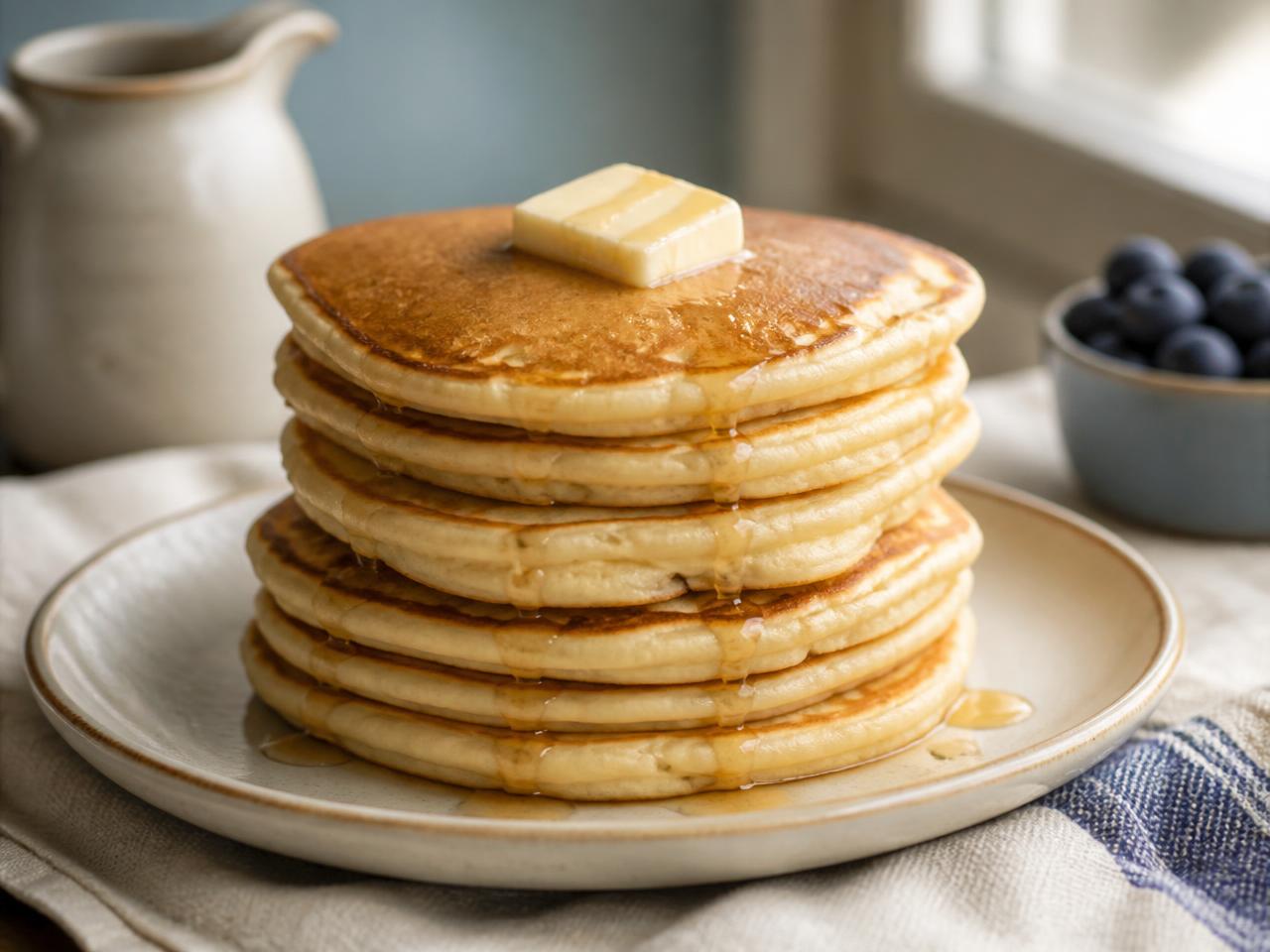
Savoury side
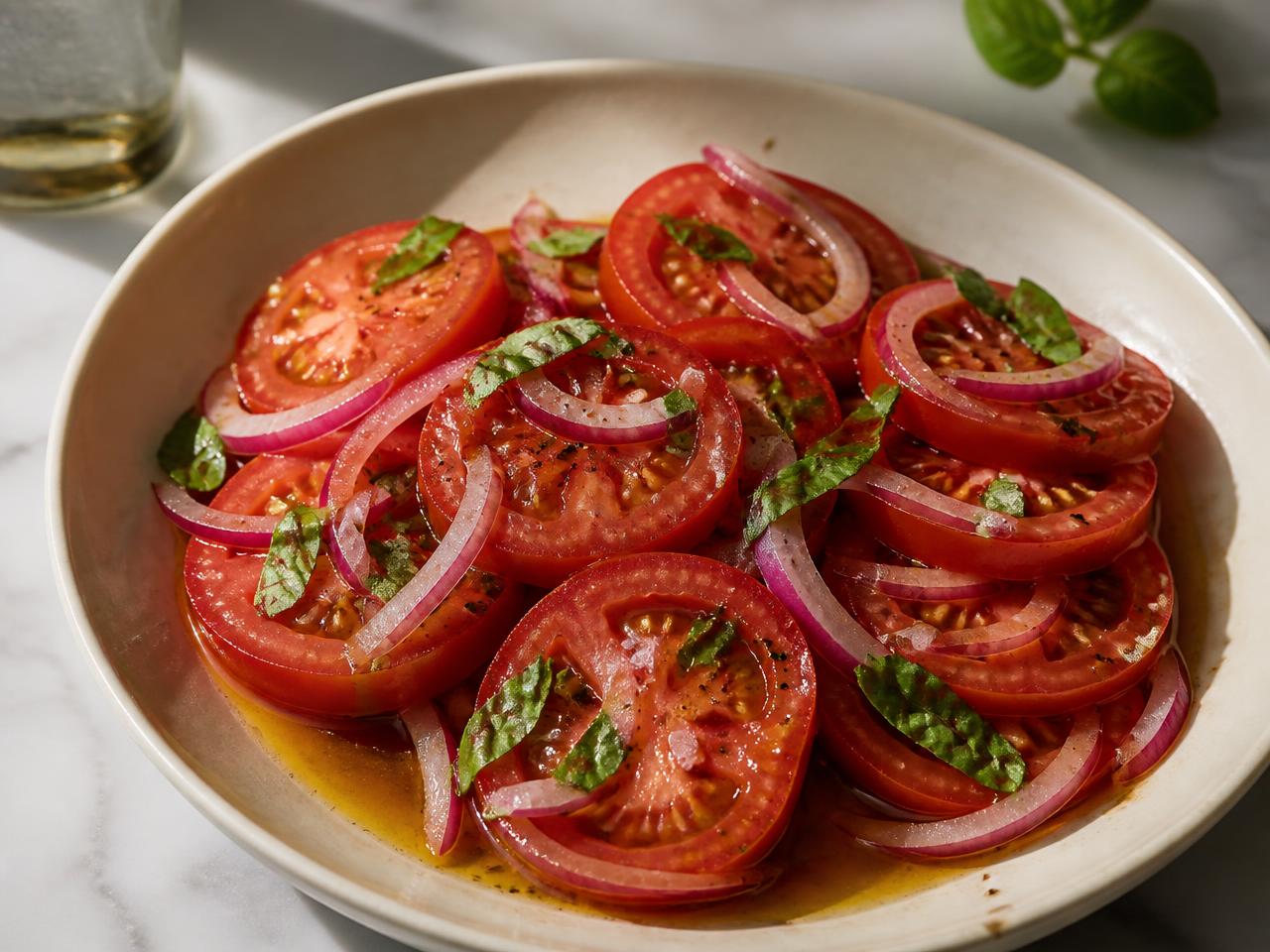
Simple saucy tomato salad
Ripe tomatoes, red onion, oil and vinegar left to make their own sauce. Sharp enough to cut clean through the butter — and don't you dare drain the juices.
Sweet option
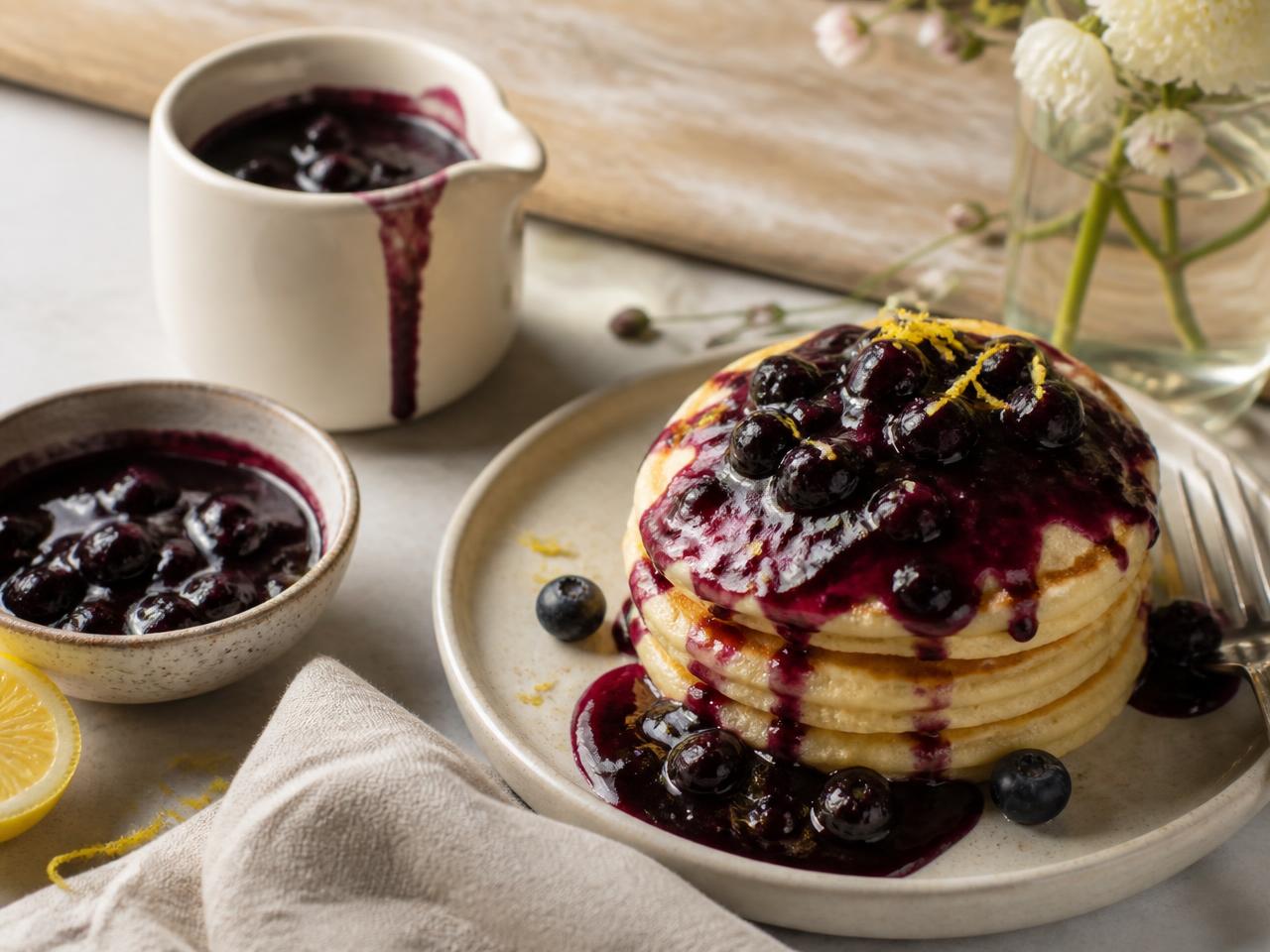
Blueberry compote
Half the berries collapse into a glossy purple syrup, half stay whole and burst on the spoon. Sharp with lemon rather than sugary — frozen berries work perfectly.
Sweet option
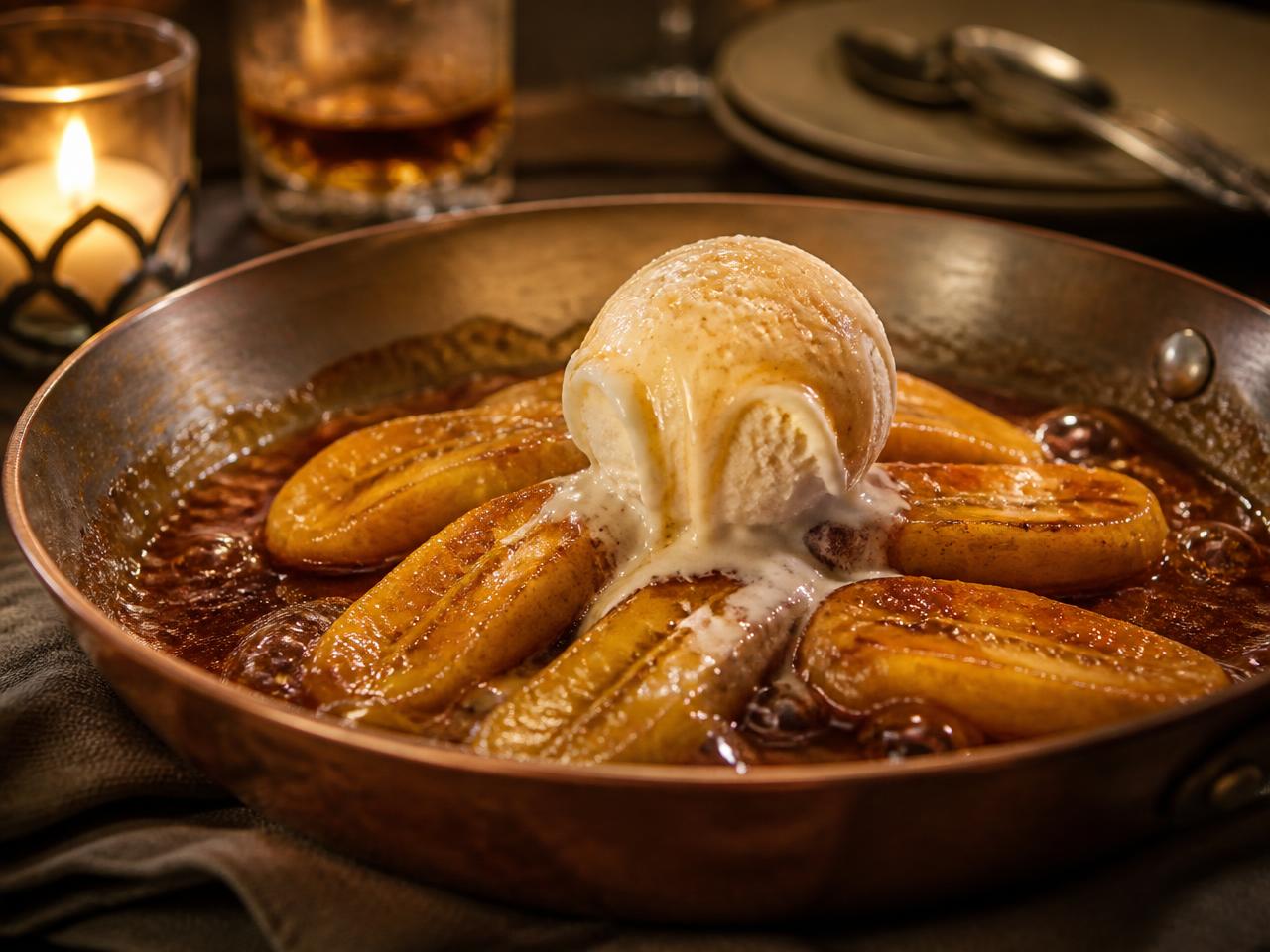
Bananas Foster
New Orleans, 1951. Bananas caramelised in butter and brown sugar, flamed with dark rum, ice cream melting into the sauce. Ten minutes and enormous drama.
How I build the plate
Savoury first, sweet after.
- Savoury: two warm pancakes, soft scrambled eggs, browned sausage, chives, and the tomato salad spooned over with all its juices.
- Sweet: a short stack, salted butter, then blueberry compote or bananas Foster — never both, though I have tried.
- Keep them warm on a rack in a low oven, never stacked on a plate, or the steam softens the edges.
- Sick-day version: plain pancakes, warm compote, weak tea. Comfort doesn't need to be complicated.
6 August 2026 · Truffle hunting in Mzansi
Black gold under the oaks at Fernbank.
After searching myself into a state — asking where in South Africa a woman buys a real truffle — I came across an article in Food & Home South Africa, November 2015. Two thousand and fifteen! About a man who dreamed big, planted oaks in Dullstroom, trained his Weimaraner to find what was hiding under them, and waited seven years for the earth to answer. Cameron and his beautiful dog struck black gold.


The dog, the oaks, the mist — Dullstroom, Mpumalanga
The story
Seven years of faith.
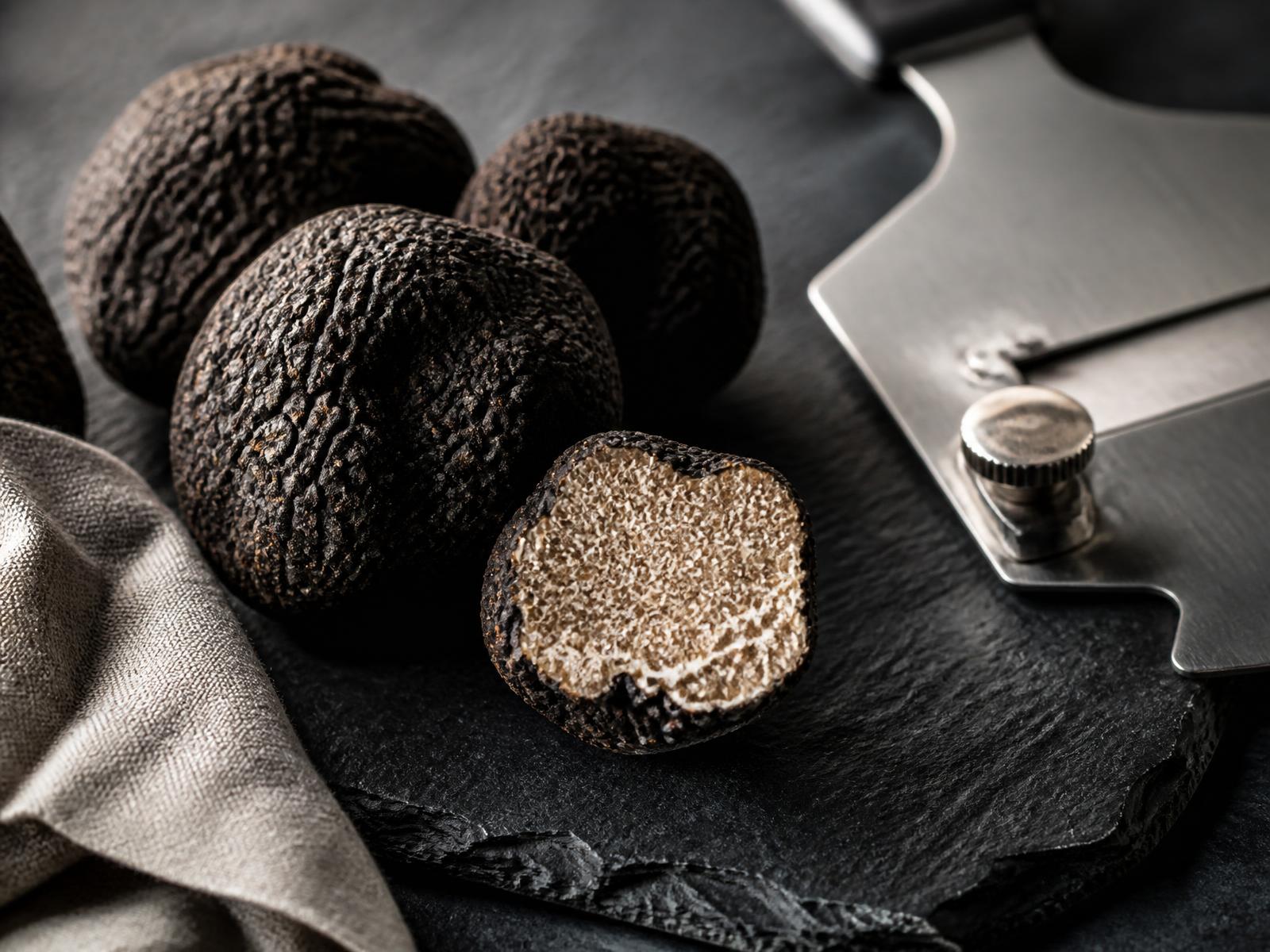
Truffles are not planted, they are hoped for. Young oak and hazel saplings are inoculated with the spores of Tuber melanosporum — the black Périgord winter truffle — and then planted out into soil that has to be right: alkaline, well-drained, cold enough in winter, hot enough in summer. Then you wait. Four years, seven years, sometimes never. The fungus lives in partnership with the roots of the tree, feeding it minerals and water, and taking sugars in return. When it finally fruits, it fruits underground, invisible, up to 30cm down — which is why you need a nose that isn't yours.
Hence the Weimaraner. Pigs were the old way and pigs eat the profits; dogs are trained from puppyhood on truffle oil and scent games until they can pinpoint a ripe truffle through soil and leaf litter, sit, and be paid in cheese. A Weimaraner — the "grey ghost", a German pointing breed bred for exactly this kind of patient, nose-led work — is a glorious choice.
What they farm
The black Périgord.
Because the southern hemisphere runs upside down, our black truffle season falls in winter — roughly June to August, while Europe's runs December to March. It means South African truffles arrive on the world's tables exactly when France has none. Ingenuity, again.
- The scent: wet forest floor, dark chocolate, cold earth, something almost animal.
- How to use it: raw, shaved paper-thin at the very last second — over hot buttered pasta, soft scrambled eggs, risotto, mash, a plain omelette. Heat kills it.
- The egg trick: store the truffle in a sealed jar with eggs or arborio rice overnight. The shells are porous; by morning the eggs are perfumed all the way through.
- Never: wash it early, keep it in water, or cook it hard. Brush the soil off dry, wrap in kitchen paper, refrigerate, and use within a week.
Fernbank Farm
Weddings, trout, and the golden goose.
Dullstroom, Mpumalanga. They do weddings, they do trout fishing, and then there is the real prize: truffles. This is a testament to the South African spirit — faithful, ingenious, never say die. I have been searching far and wide and these black gems were on our doorstep the whole time. Who would have thunk it? Not me.
Oh, I am so visiting you, @fernbankfarm. I am a South African curious searcher, and I am coming for you. Is there anything better? REAL TRUFFLES. Farmed in Mzansi.
Visit Fernbank Farm →With thanks
Thank you to Food & Home South Africa for the November 2015 article that told me Cameron's story and put Fernbank Farm on my map. Eleven years later it sent me straight down a rabbit hole — the best kind.
A manifesto
Say no to the air fryer.
To me, the air fryer is the devil. It takes away the art of cooking — the time it takes to develop flavour, to make the house smell like love. Cooking and entertaining is how I show love; going that extra mile to give the people around the table a piece of me.
I learned this from my grandmother. She fed everyone who came through her door, even if it meant there was nothing left for us. She was such a great cook — she made that humble house smell like love. When I make her recipes, my favourites, I am transported back to when it was just us, and she would pull a chair next to her so I could sit and watch what she was making.
Air fryers get you to the finish line at Usain Bolt speed. I would rather be an Ethiopian or Kenyan marathon runner — smell all the smells, feel all the feels. You might get there quicker, but you lose the soul of the food. The meal becomes impersonal.
When I got home from hospital, the first thing I wanted to do was cook. To go back to my first love, to be able to share love again. My soul comes onto a plate. I push the limits of what my loved ones think they would like, and I will forever be curious — because if I can't go to a country physically, I can go through its food. Food is the soul of a country; it's how you learn what makes that place breathe.
I will never forget the first time I made boeuf bourguignon with crusty bread — the smell, then the taste. I could have been in Provence in winter. The mother of all stews. To share an experience like that with friends and family — there is absolutely nothing better.
Cook with your soul. Cook with your pancreas. The easiest, most lasting way to imprint on someone — it's through food.
The gentle timeline
How the evening unfolds.
- 01
The day before
Set the table fully. Polish the glasses. Make the pudding. Iron the napkins watching a film.
- 02
Three hours out
Flowers in low arrangements. Candles trimmed. Playlist on. A bath, not a shower.
- 03
One hour out
Anything in the oven goes in now. Pour yourself something cold. Light the candles.
- 04
Ten minutes out
Door slightly open. Music a notch louder. Breathe. They came to see you, not the soufflé.
An ode
Middle Eastern table.
There is a rhythm to a Middle Eastern meal that has nothing to do with hunger and everything to do with gathering. The dishes do not arrive to fill you — they arrive to slow you down, to give your hands something to do while your mouth is busy laughing, and to make the table the only place anyone wants to be.
The dips — first, and for a while.
Hummus, baba ganoush, muhammara, labneh with za'atar and a pool of olive oil. Warm pita, still soft from the oven. This course is not an opener — it is the conversation. It stays on the table so no one checks their phone, so hands reach and meet in the same bowl, so stories have time to stretch their legs.
- Hummus — velvet chickpeas, tahini, lemon. The quiet anchor.
- Muhammara — smoky red pepper, walnut, pomegranate molasses. The spark.
- Labneh — strained yoghurt, thick as cream, dressed with oil and herbs. The cool down.
The mains — when the room is warm.
Only when voices are loud and cheeks are flushed do the larger plates arrive. By now nobody is in a rush. The food comes not to end the evening but to give it a second wind — something to tear, share, and argue over politely.
- Lamb tagine — apricot, almond, cinnamon. Sweet, slow, and impossible to eat quickly.
- Chicken shawarma — cardamom, allspice, garlic. Carved at the table, eaten with fingers.
- Grilled halloumi & roasted vegetables — the vegetarians' triumph, and everyone else's envy.
Why the order matters.
In the West we rush toward the main event. In the Middle East, the event is the table. The dips come first because they demand nothing — no knife, no ceremony, no full attention. They let guests arrive gently, settle in, and find their place in the conversation. By the time the lamb appears, the room is already glowing. The food is not the entertainment; it is the excuse to stay a little longer, to laugh a little louder, and to leave only when the candles have burned low.
Crowd pleaser
A ladies' summer lunch.
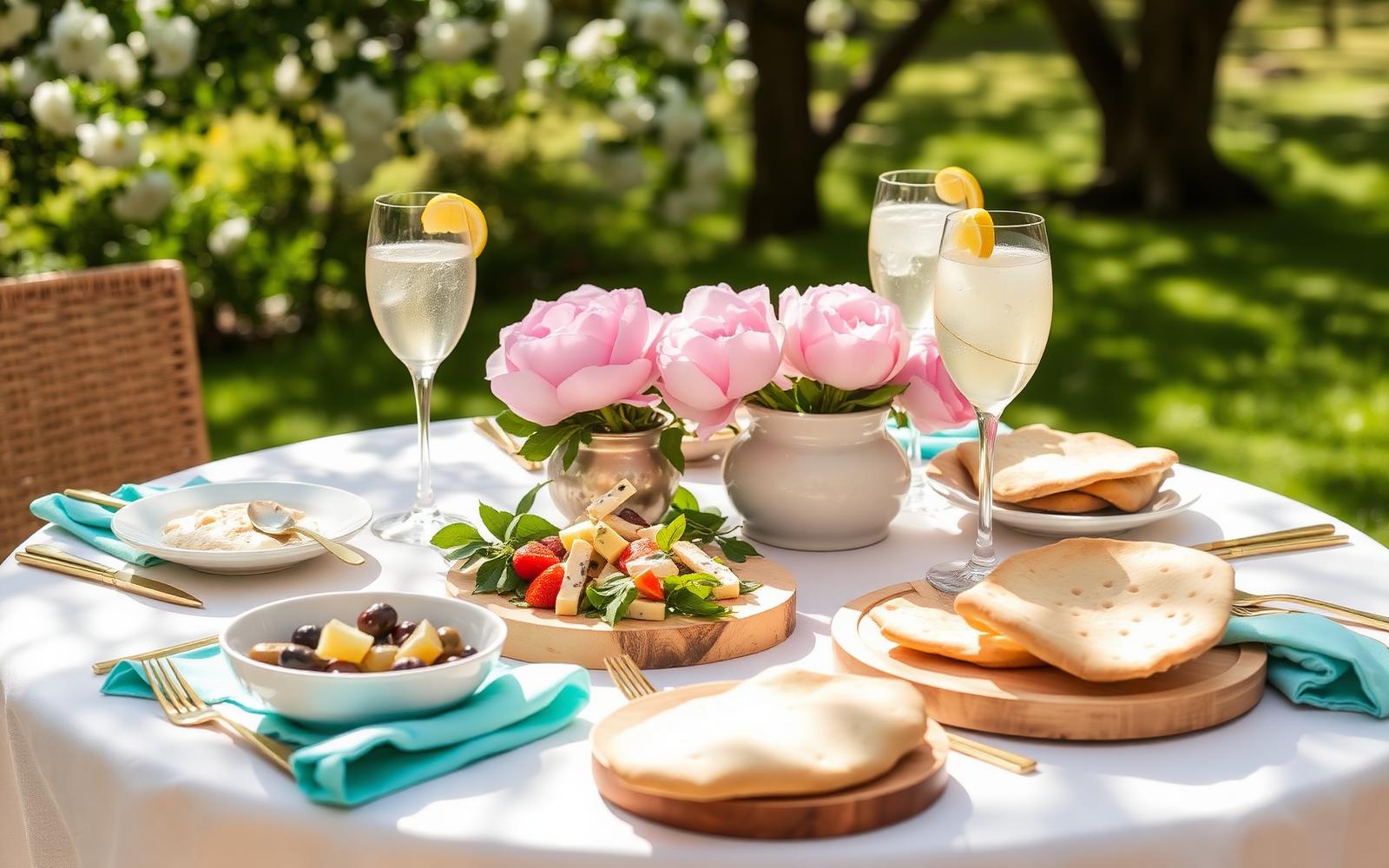
Summer is never the same in my home without this menu. It is my crowd pleaser, the one that illuminates the whole season — a girls' weekend get-together, a slow afternoon that turns into evening, light cocktails in tall glasses, music you can sing along to.
The main event
The GREAT chicken Caesar salad.
This salad is a meal on its own — moreish, generous, and (with the chicken) enough to anchor a whole lunch. My introduction to anchovies was jarring; now, having cooked with them, I cannot get enough of that fantastic dressing. Note the dressing is not cooked — it comes together raw, glossy and punchy, and it is the whole soul of the plate.
A little history — Caesar salad was born in Tijuana, Mexico, on 4 July 1924, when chef Caesar Cardini ran out of proper plates for a room of American guests and improvised with what was in his kitchen. A hundred-year-old accident that still runs my summer.
Get the recipe →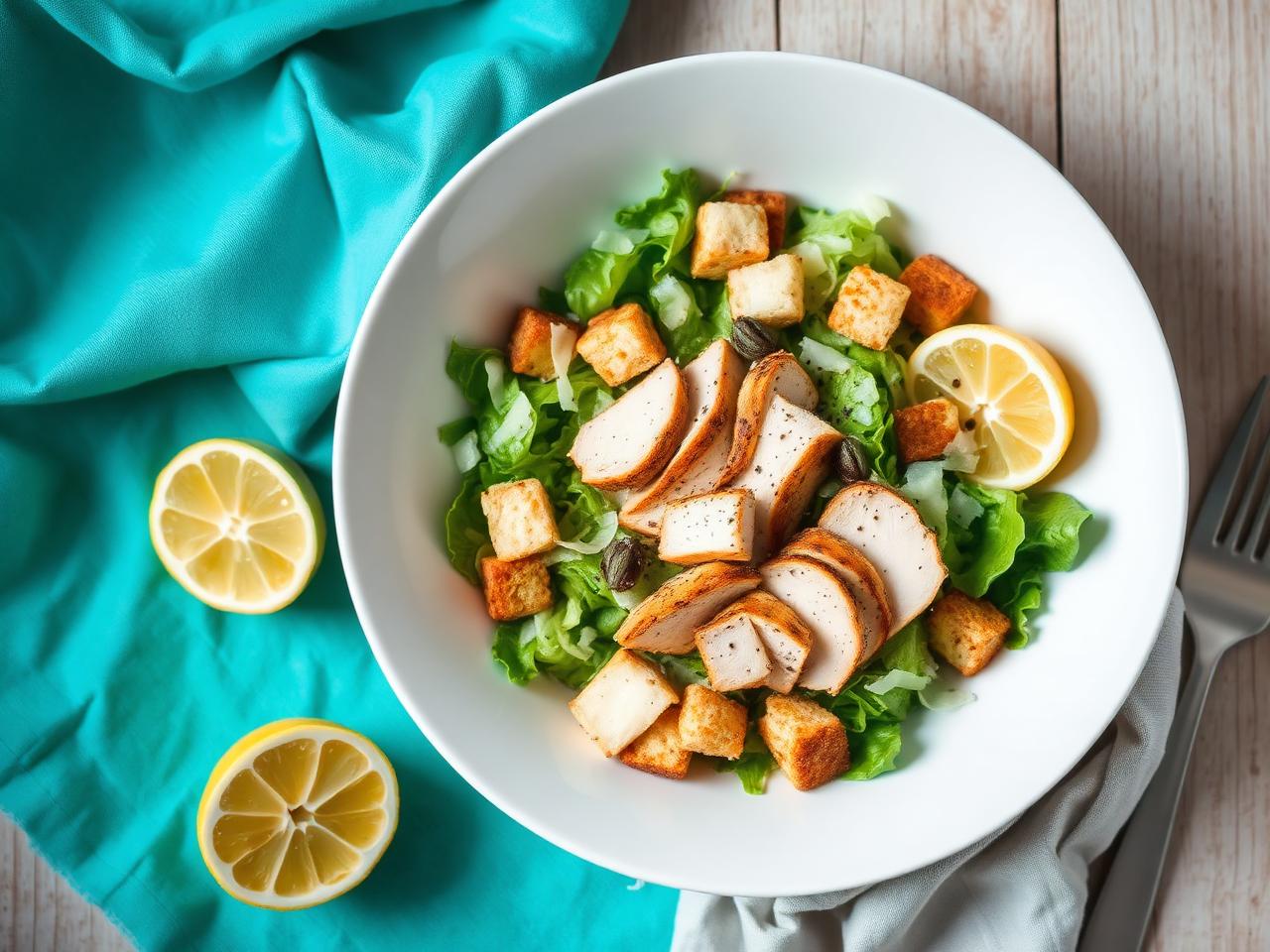
To start — the cheese board
A generous board sets the tone before anyone sits down. Cheeses of different weights, my stunning spicy olives, a bowl of hummus alongside a bowl of lemon labneh, and warm pita bread torn straight from the oven. That, honestly, is perfect.
- Spicy olives — warm, garlicky, with strips of citrus peel.
- Hummus — silky, lemony, generous with the garlic.
- Lemon labneh — cool, thick, dressed with olive oil and za'atar.
- Warm pita — soft, blistered, torn by hand.
In the glasses
Light summer cocktails — a Hugo spritz with elderflower and mint, an Aperol on ice, a tall gin and tonic with cucumber. Followed, always, by cold Chablis.
In the background
Music you can sing along to — a little Sade, a little Norah Jones, some old-school Motown once the second bottle is open. Nothing too clever, nothing too loud.
I can see only good things.
Saturday summer ritual
Niçoise salad & a girls' lunch in the sun.
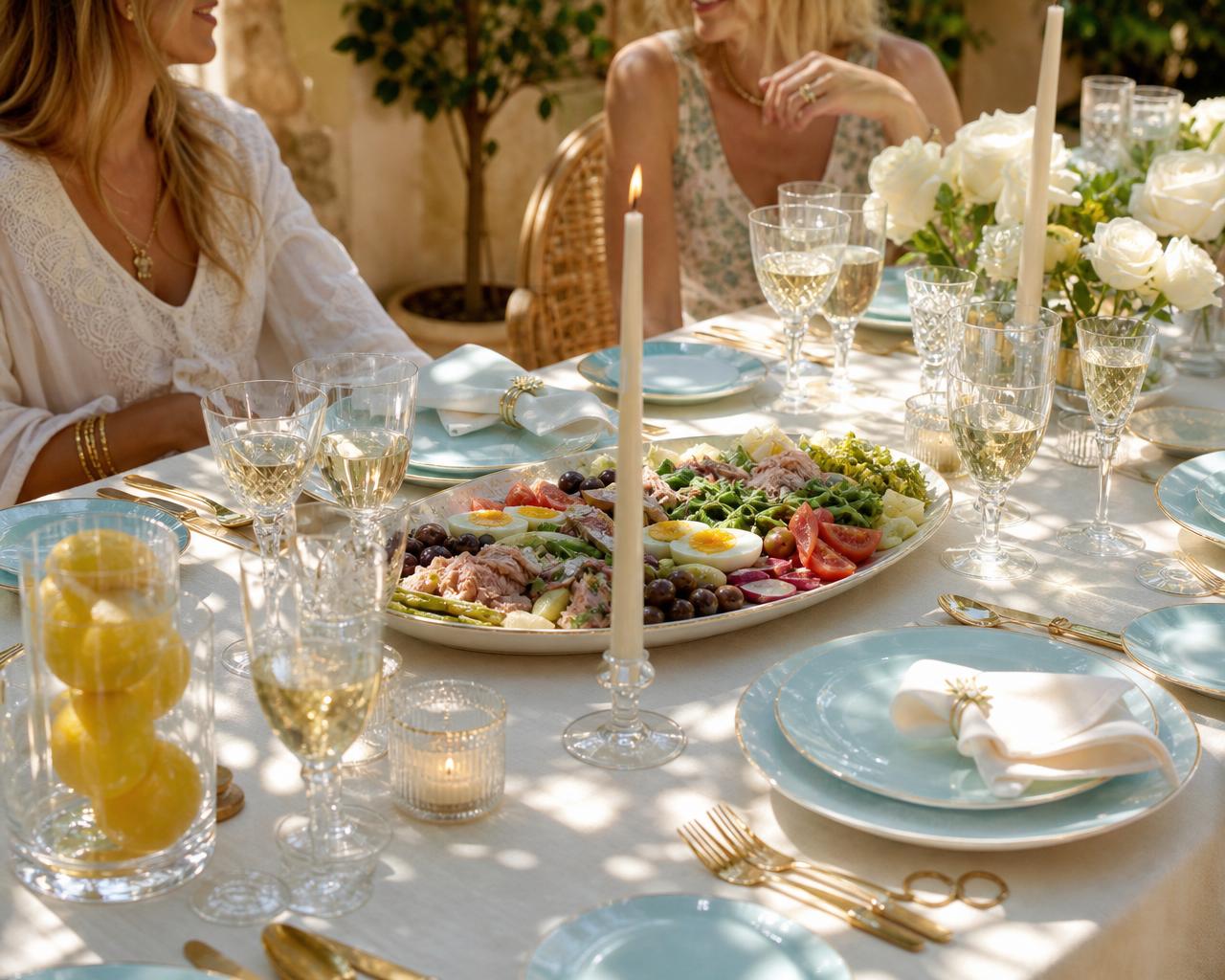
This French salad is my absolute favourite — it tastes like summer on a plate and reminds me of a restaurant my girlfriends and I used to escape to, all over-the-top girly-girl and stunning. The first time I tried it, I could not get enough; it became my go-to. Every summer, at least a hundred days, I make it as a late Saturday afternoon meal. Served with a crisp white wine, it is nothing short of delectable.
The main event
Classic Niçoise salad.
A proper Niçoise is a composed salad, not a tossed one — every ingredient keeps its dignity. Seared tuna with a ruby centre, jammy eggs, tiny warm potatoes, crisp green beans, butter lettuce, tomatoes, olives, capers and anchovies, all dressed with a sharp shallot vinaigrette. It is generous, beautiful, and the perfect excuse to linger at the table.
If you want a salad to wow your girlfriends at a once-a-month get-together, j'adore — this is the one.
Get the recipe →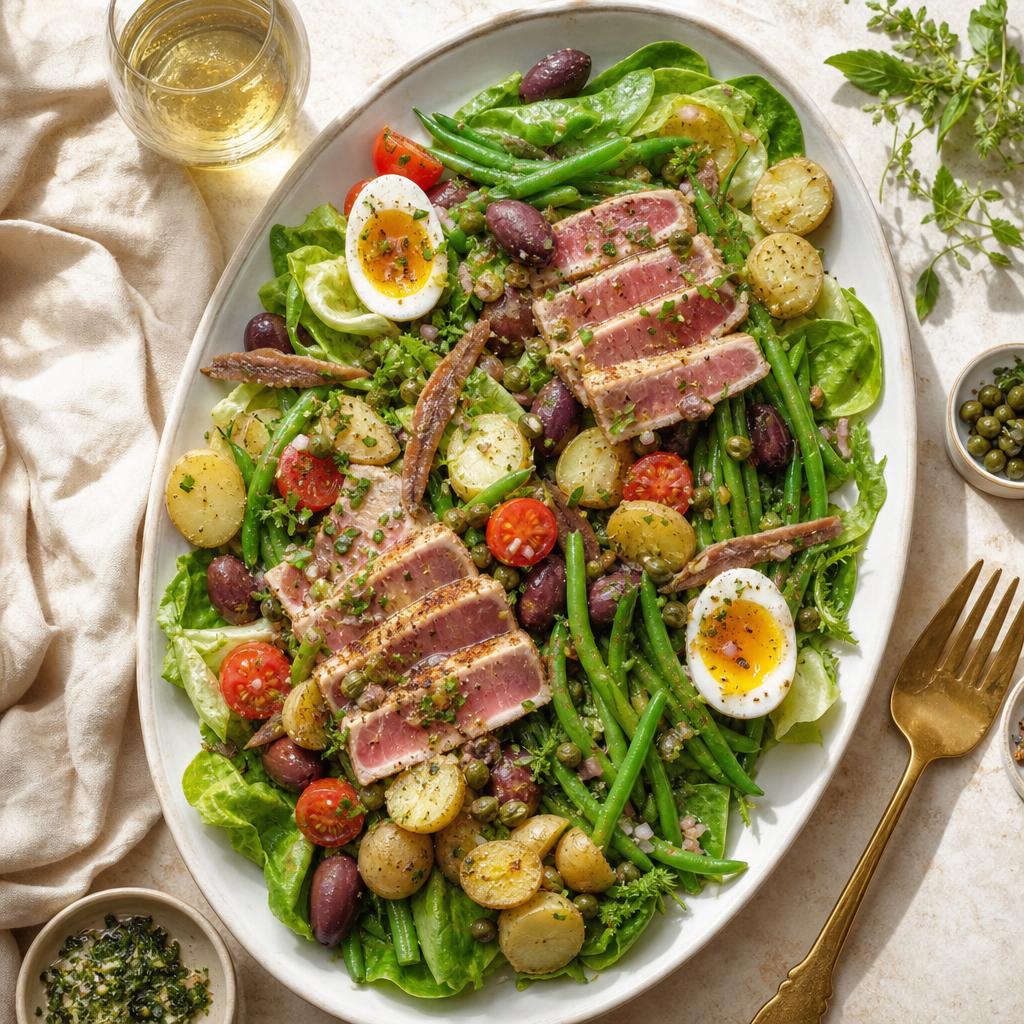
In the glasses
Circle of Life White — Waterkloof, Schapenberg. A biodynamic Cape blend that tastes like honeyed citrus, white peach and sea spray. It has the freshness to cut through the olives and anchovies, and enough texture to stand beside the tuna. The perfect Saturday afternoon companion.
On the table
Tiffany blue plates, cream linen, low white roses, a glass bowl of fresh lemons, tall candles, and crusty bread torn by hand. Keep the music light — a little French café, a little Sade — and let the afternoon stretch into the evening.
Summer, girlfriends, and a salad that never gets old.
In the glass
White wine always.
I will choose white over red every time. Red feels like work — white feels like a window opening. A cold glass of something pale and bright is the first thing I pour when guests arrive, and the last thing I reach for when the kitchen is clean.
Chablis — the queen.
Chablis is Chardonnay stripped of everything unnecessary. No oak, no butter, no theatre — just pure chalk, green apple, and the mineral soul of ancient seabed. It is grown farther north than almost any other great white, which gives it a tension and precision that warmer climates cannot replicate. It tastes like cold stone, lemon peel, and honesty. That is why it is the best: it does not shout. It simply knows exactly what it is.
My desert-island bottle. I reach for this when I want to feel like the smartest person in the room without saying a word.
Pair with: oysters, sole meunière, goat's cheese, or anything you want to taste more clearly.
Pinot Grigio — the escape.
One sip and I am on the terrazzo of a lake-side trattoria, somewhere between Milan and the Dolomites. Pinot Grigio is not trying to be profound — it is trying to be easy, and that is the whole point. Pear, green almond, and a lightness that makes you pour a second glass before the first is empty. It is summer in a bottle.
My holiday-in-a-bottle. I buy this by the case in December and it is gone before February.
Pair with: grilled prawns, lemon pasta, a bowl of olives in the afternoon sun.
South African whites worth knowing.
South Africa's wine country is producing whites that belong on any table in the world. These are the ones I reach for.
Circle of Life White — Waterkloof, Schapenberg
A biodynamic Cape blend of Sauvignon Blanc, Chenin Blanc, Sémillon and a whisper of Chardonnay from Waterkloof's high, wind-swept Schapenberg vineyards above False Bay. The Atlantic cools everything down; the granite soils give it tension; the whole-bunch fermentation in old oak gives it that quiet, textured depth. Honeyed citrus, white peach, fennel, sea spray, and a long saline finish that tastes like the wind itself.
This wine tastes like the place it comes from — and you can feel the care in every sip. Waterkloof farm by horse, ferment with wild yeasts, and let the wine make itself. It shows. A bottle of this and a slow afternoon is a complete sentence. Best paired with: line-fish crudo, grilled crayfish, roast chicken with lemon and thyme, a wedge of aged Gruyère, or a quiet view of the ocean.
Sauvignon Blanc — Constantia & Darling
Crisp, grassy, and alive with gooseberry and passionfruit. The Constantia valley is the oldest wine region in the Southern Hemisphere, and it still leads. Darling's coastal breeze gives a saline edge that works beautifully with seafood.
My Friday lunch wine. I keep a bottle in the fridge at all times for oysters and unexpected sunshine.
Chenin Blanc — Swartland & Stellenbosch
South Africa's signature grape, and the best in the world. Swartland's old bush vines produce something lean and stony; Stellenbosch gives richer, honeyed versions. Both are extraordinary.
The bottle I bring to dinner parties when I want to impress without showing off. Everyone asks where to find it.
Chardonnay — Robertson & Walker Bay
Robertson's limestone soils make Burgundian-style Chardonnay with real backbone. Walker Bay, cooled by the Atlantic, delivers elegant, restrained versions that age beautifully.
I only reach for this when I am cooking something buttery and indulgent. It rewards patience.
Viognier & Roussanne blends — Swartland
Perfumed, peachy, and weighty without being heavy. These Rhône-style blends are Swartland's quiet masterpieces — perfect for a slow roast chicken or a spiced tagine.
A newer discovery for me. I am still learning when to reach for it, but it is growing on me fast.
What to eat with them.
Light & crisp
Sauvignon Blanc and Pinot Grigio love oysters, ceviche, grilled white fish, and salads with citrus. The acidity cuts through butter and oil like a knife.
Rich & textured
Chablis and oaked Chenin Blanc stand up to roast chicken, creamy pasta, and soft cheeses. The body of the wine matches the body of the food.
Pairings made easy
What to pour with what.
A quick reference for the indecisive hour before guests arrive. Tap a bottle, see what it loves on a plate.
Chablis
Henri Latour Chablis
Pair with — Oysters, sole meunière, baked camembert, roast chicken with lemon and thyme.
The mineral chalk meets butter and shellfish like they were written for each other.
Chablis
Premier Cru Chablis
Pair with — Grilled crayfish, scallops, a wedge of aged Gruyère.
A little more weight — perfect when the dish has texture and richness.
Bubbly
Veuve du Vernay — Woolworths SA
Pair with — Anything fried, spicy olives, the first ten minutes of a dinner party.
My everyday bubbles. Cold, dry, and impossible to argue with.
Bubbly
Cap Classique — Graham Beck Brut
Pair with — Smoked salmon blinis, fish and chips, salty popcorn, celebrations of any size.
South Africa's answer to Champagne and it holds its own beautifully.
Bubbly
Prosecco
Pair with — White sangria base, brunch, peaches in summer.
Soft, peachy, easy. The wine equivalent of a yes.
Sauvignon Blanc
Constantia or Darling Sauvignon Blanc
Pair with — Goat's cheese, ceviche, grilled white fish, salads with citrus.
Saline and bright — cuts butter and oil like a knife.
Sauvignon Blanc
Sancerre
Pair with — Whipped feta with honey, herby roast chicken, asparagus.
When you want Sauvignon Blanc with manners.
Chenin Blanc
Swartland old-vine Chenin
Pair with — Roast pork belly, Thai prawn red curry, kedgeree.
Lean and stony — handles spice and richness with the same grace.
Chenin Blanc
Stellenbosch oaked Chenin
Pair with — Creamy pasta, soft cheeses, slow-roasted cauliflower.
The honeyed weight matches the body of the food.
Chardonnay
Robertson or Walker Bay Chardonnay
Pair with — Boeuf bourguignon (yes — white with the beef), buttery pasta, lobster.
Burgundian backbone. Indulgent food deserves an indulgent white.
Pinot Grigio
Italian Pinot Grigio
Pair with — Arancini, lemon pasta, grilled prawns, a bowl of olives in the sun.
Holiday in a bottle — keep one in the fridge for unexpected sunshine.
Rosé
Provence-style dry rosé
Pair with — Paella, Moroccan lamb tagine, charcuterie, almond cake.
Pale, dry, food-friendly. The middle path on a hot afternoon.
Light red
Pinot Noir — Hemel-en-Aarde
Pair with — Roast spiced duck with plums, mushroom risotto, parmigiana.
The only red I willingly pour. Silky, cool, no work required.
Cookbook of the month
Our Italian Legacy of Love.
By Ciara Viljoen — best known to me from Café del Sol Botanic in Bryanston, Johannesburg. She is putting South African Italians on the map, one beautifully written recipe at a time. I have cooked my way through so many pages of this book, and every single one has been a hit.
The tried-and-trusted favourites.
- Nonna's secret ragù(Bolognese to me and you)— A slow, rich, deeply comforting sauce that tastes like Sundays and worn wooden spoons.
- Napolitana — Bright, clean, and somehow both simple and impossible to stop eating. The kind of sauce you make in a big batch and eat straight from the pot.
- Creamy chicken pasta — Indulgent without being heavy, the kind of bowl you eat in silence because nobody can talk through how good it is.
Filet Picante — the best of the best.
Tender filet in a tomato and basil sauce that somehow manages to be both delicate and bold. The beef is seared fast, rested well, and then dressed in a sauce so fragrant you will want to wear it as perfume. This is the recipe I make when I want to remind people I can cook. It has never failed me.
The dish I reach for when I want to make a statement without saying a word.
Why this book belongs on every South African shelf.
Ciara writes with the authority of someone who grew up around Italian tables, but also with the generosity of a host who wants you to succeed. Her recipes are precise without being pedantic, and the results are consistently extraordinary. Every recipe I have made from this book has been a hit — not good, not very good, but a genuine, everyone-goes-home-happy hit. Five out of five stars. Let's put South African Italians on the map.
From the book · a love letter
Nonna's ragù — and the family-owned Italian tables of Jozi.
When anyone says to me "this recipe is from my grandmother" — my nonna — I am there. No questions asked. There are no bones about how much I adore Italy: the people, the fashion, the art, the passion, the food, the music. Everything. What we call gees in South Africa — Italians have it in their bones.
Café del Sol Botanica in Bryanston was the restaurant I loved the most, back when I could still eat out. Then lockdown happened, then the cookbook arrived, then my body stopped playing along — but the recipes stayed. This ragù is the one I make when I want a house full of people and a pot on the stove all afternoon.
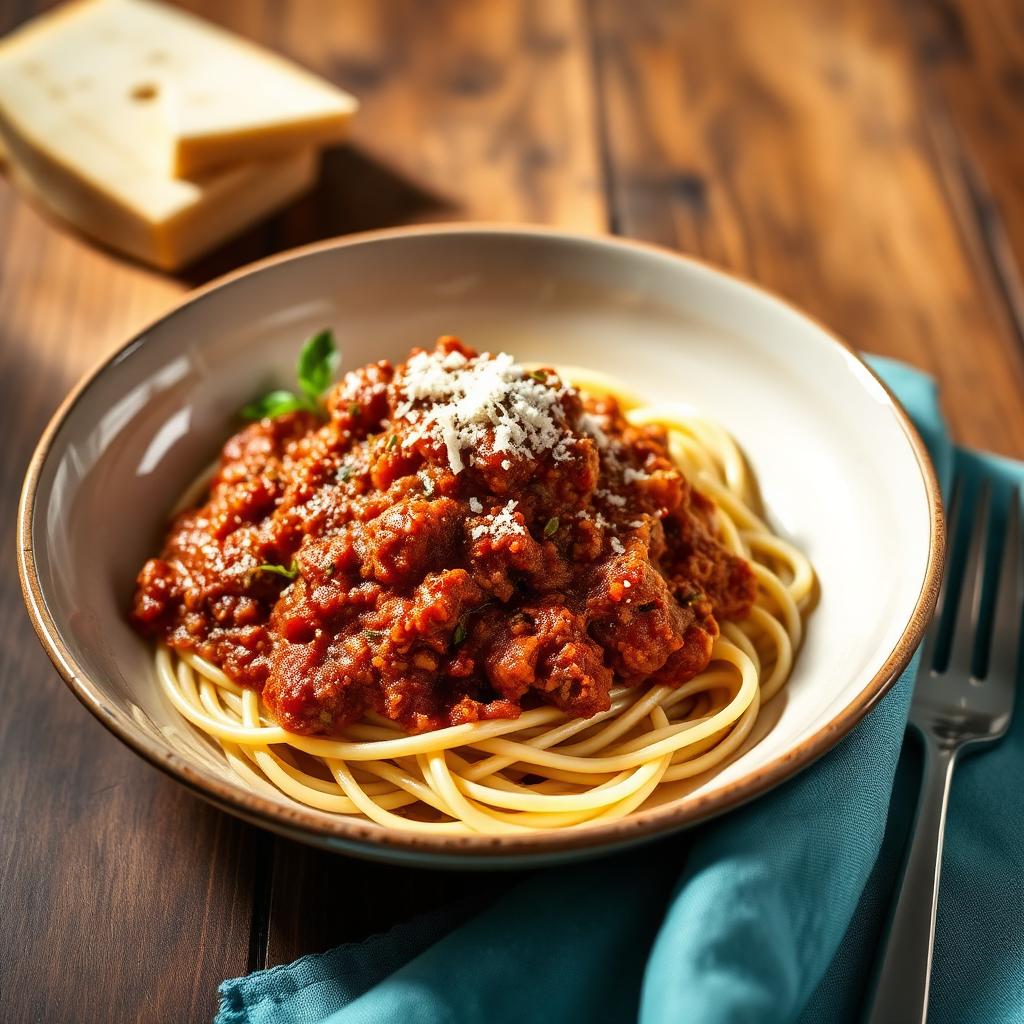
Sunday · 3 hrs (mostly slow simmer) · Serves 6, generously
Nonna's ragù — Café del Sol Botanica
The ragù from Ciara Viljoen's Café del Sol Botanica in Bryanston — slow, deep, tomatoey, the kind of sauce that fills the whole house.
Where do I find it in Jozi?!
The recipe calls for salsiccia — and just try finding it in Mzansi. My biggest gripe: porcini mushrooms. WHERE DO I BUY IT?! For anyone hunting authentic Italian produce in Johannesburg, my little black book:
- Fruits & Roots — Bryanston. Deli counter, imported pasta, the good tinned tomatoes.
- Giovanni's Deli — Norwood. Cured meats, salsiccia when the stars align, real parmigiano.
- Rosebank Sunday Market — small Italian stalls; ask for dried porcini and pancetta.
- Casalinga and the Italian Club shops around Bedfordview — old-school, the real deal.
A nod to the family-owned restaurants
Ragù is bolognese. And who does not LOVE bolognese?? To every family-owned Italian restaurant in South Africa — the ones where nonna is still somewhere in the kitchen, where the pasta is rolled that morning, where the owner comes to your table — thank you. You are keeping something sacred alive.
Italia '90. Roberto Baggio. Pavarotti closing with Puccini. Grazie mille.
A love letter to Italy
The best of Italy.
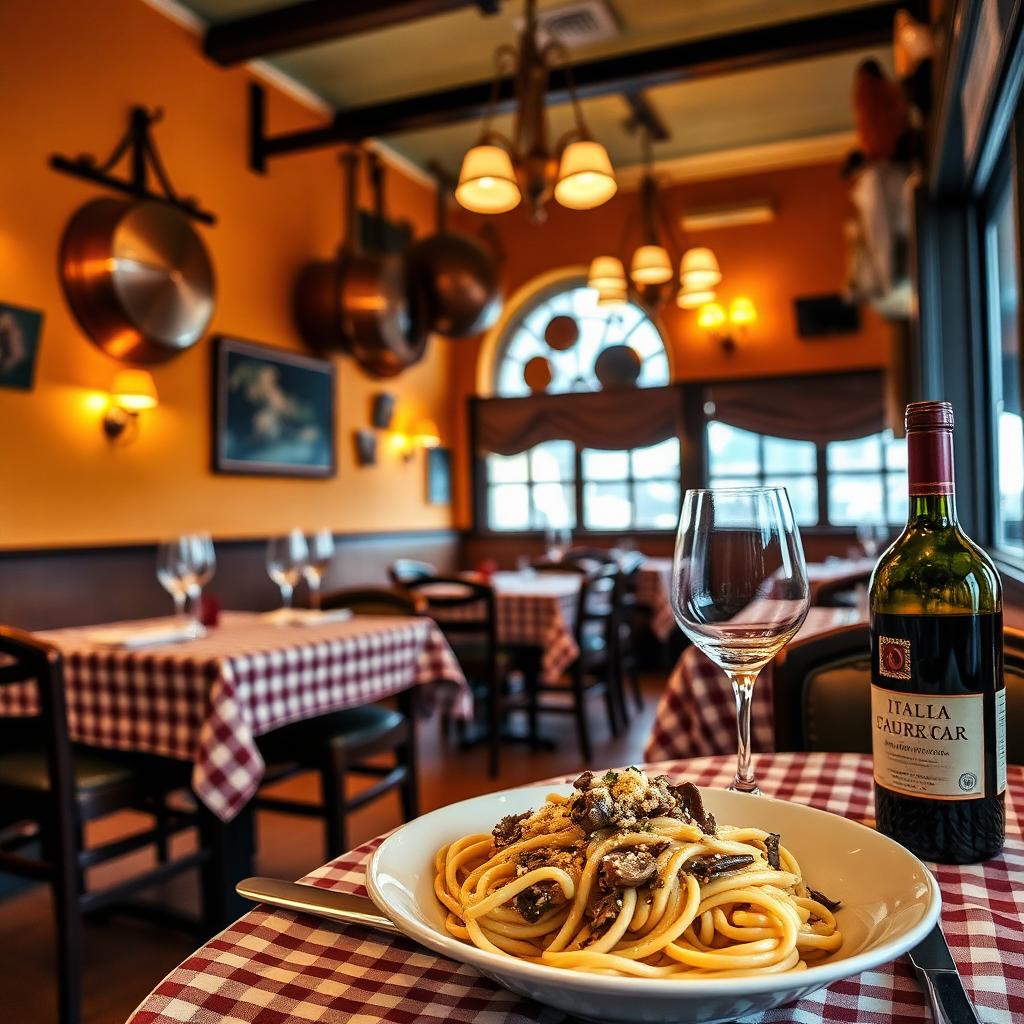
My very first real encounter with Italian food was at Primi Piatti in Eastgate Mall, with a friend from school. Up until that moment, macaroni cheese meant my gran's baked version — pasta bound in an egg custard and put in the oven. So when the menu arrived I copied my friend: penne, mushroom Alfredo, and my first-ever taste of a cheese that was not palate-scorching cheddar or its softer cousin Gouda. Parmigiano. I fell in love, hard. Whichever branch of that chain I found myself in, that bowl of pasta is all I ever ordered.
Then I made it at home — and I could control the creamy, pack in the mushrooms, and hero the dish with the best flavour bomb of them all: garlic. Calling all vampires!
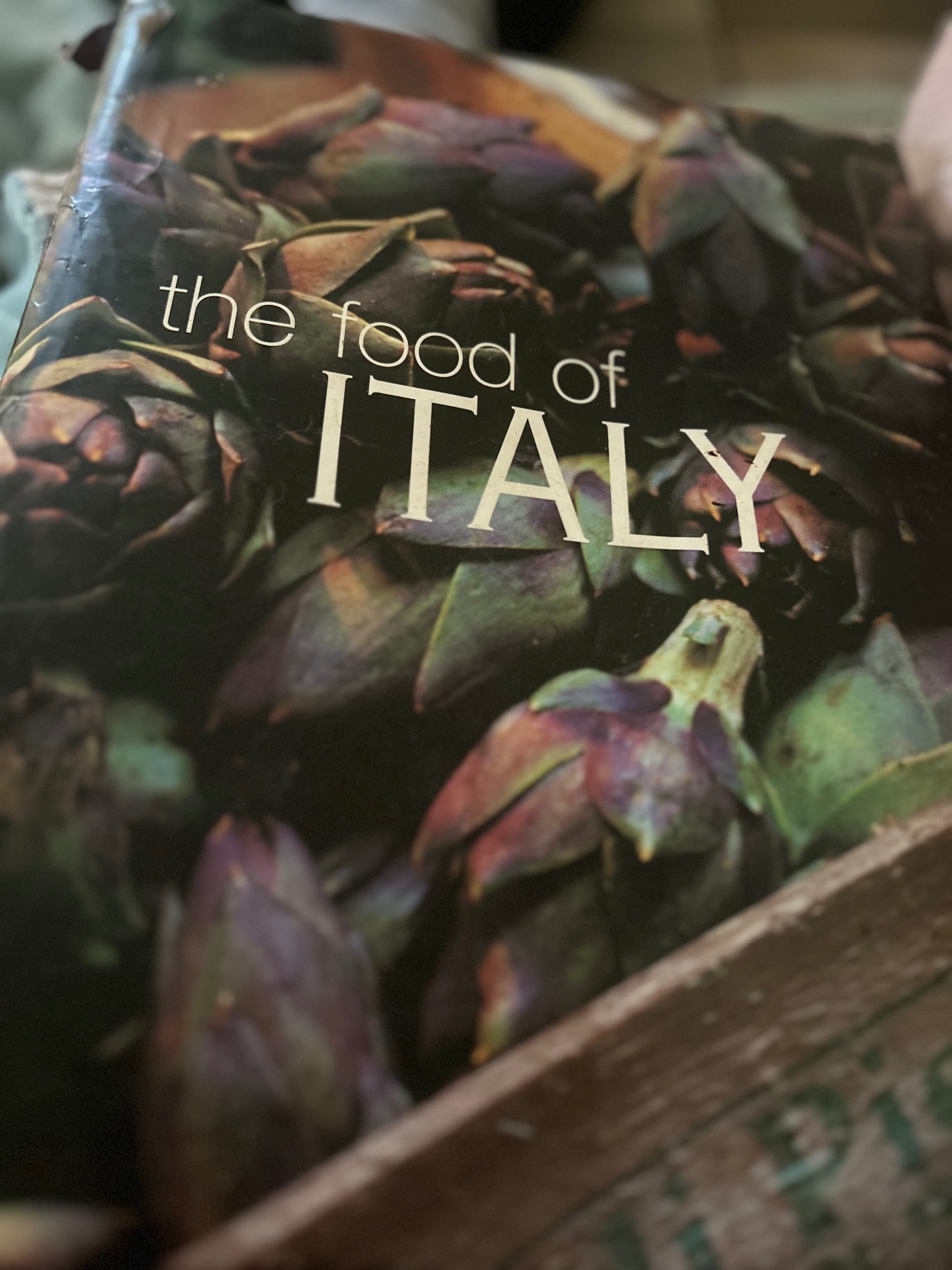
Next was buying my first Italian cookbook — The Food of Italy by Sophie Braimbridge & Jo Glyn. I tried to master every recipe I came across; I still adore this book and its regional treasures.
From the book · Bologna
My favourite beef ragù.
This one hails from Bologna and is traditionally tomato based, and I serve it as a main course. It is absolutely fantastic — spectacular, even. If you want to impress your prospective in-laws, this is what you make. The beef must be a pot-roast cut; I use silverside. I use white wine instead of red — it just tastes better to me, and I think that is a preference thing. Fresh oregano, fresh basil and parsley, always.
I used to eat it with pasta, but the gastroparesis and throat swelling are so bad now that pasta gets stuck in my throat. So it is flatbreads (I know, not traditional) or mash — easier on my throat and my digestive system. And I don't usually cook with leeks and onions; I sub, either or, never together. Something I've learned as I've grown more confident in the kitchen.
The food smells incredible. It turns a house into a home. It smells like something I would be so proud to feed my granny.
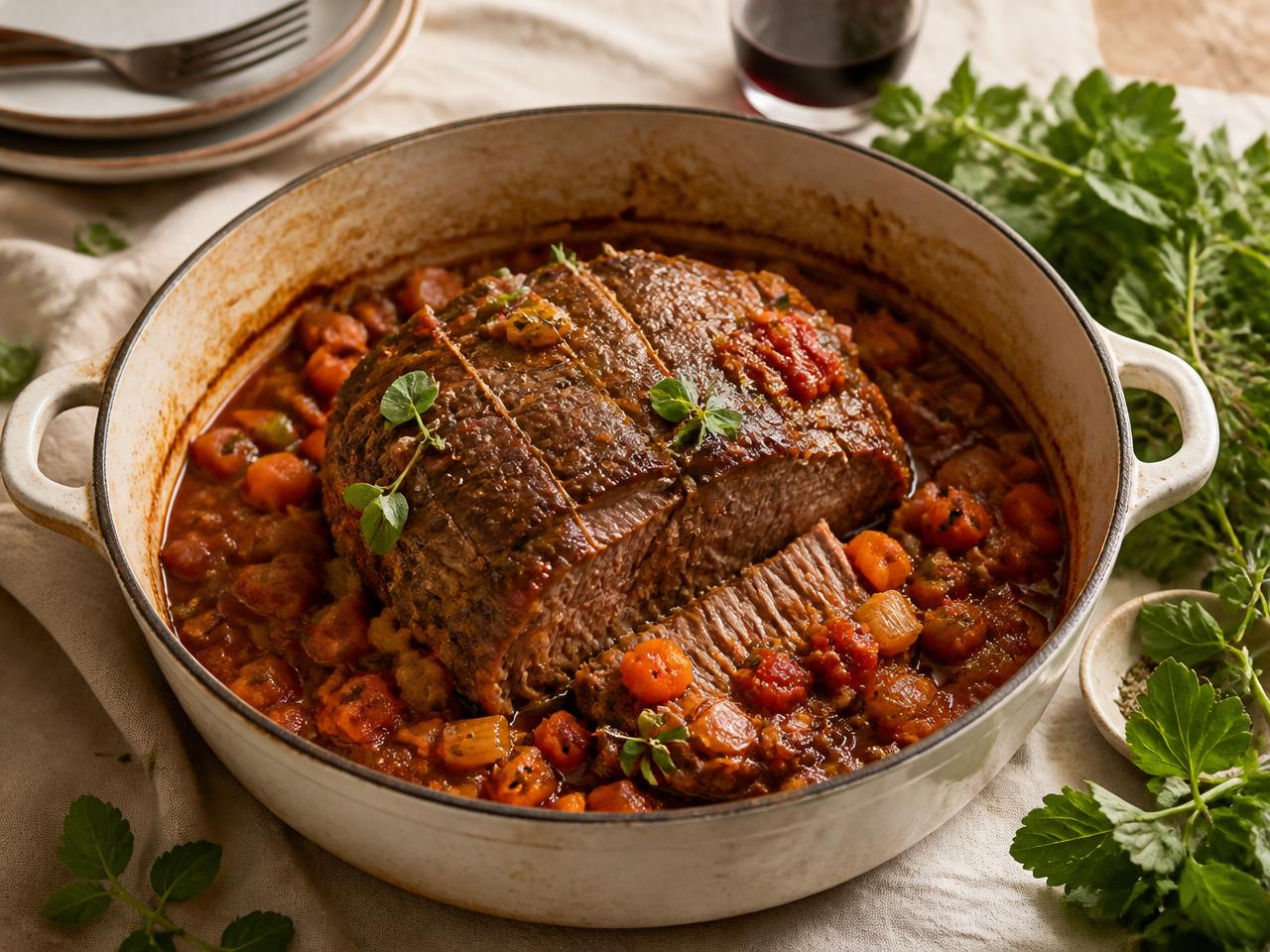
For company · 4 hrs (mostly hands-off) · Serves 6–8
Bolognese beef ragù pot roast — silverside in white wine & tomato
My favourite beef ragù, from my first Italian cookbook. A whole silverside braised low in tomato and white wine until it falls into the sauce. If you want to impress your prospective in-laws, this is what you make.
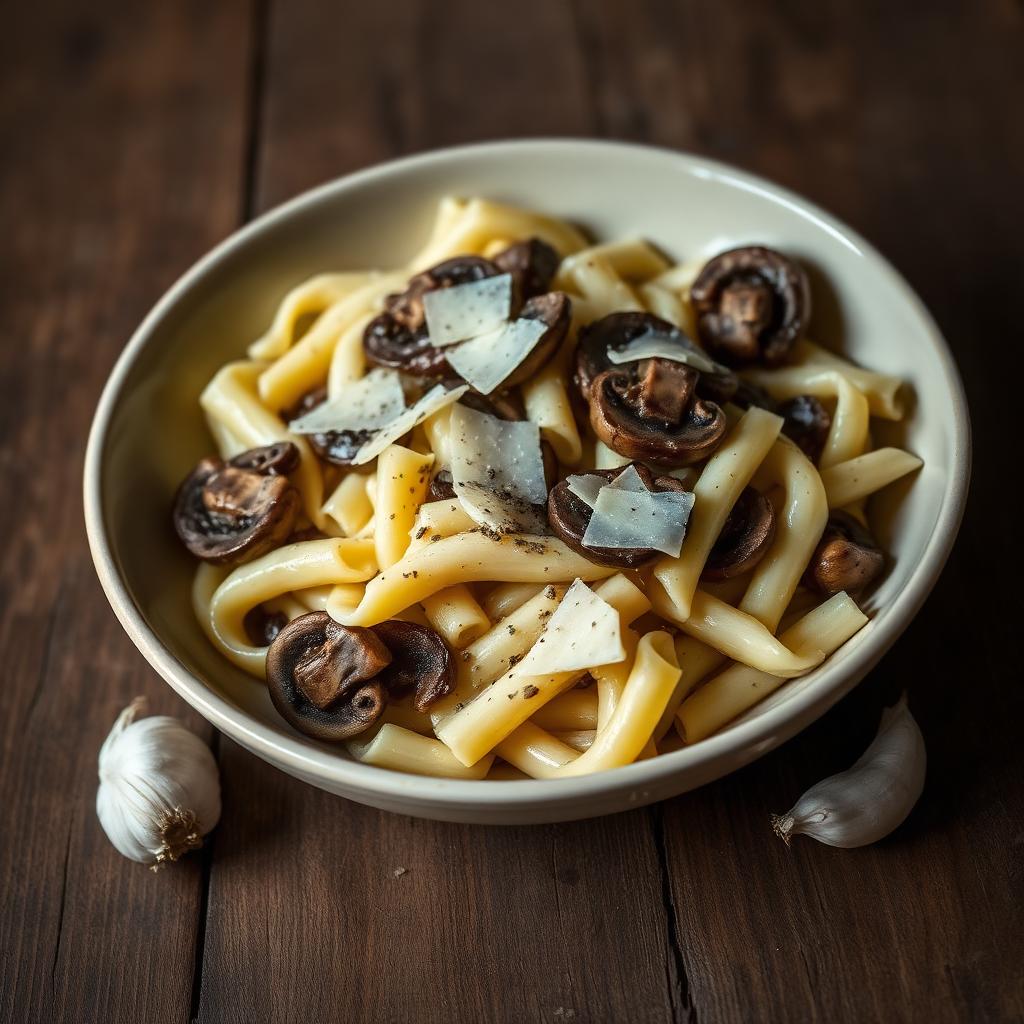
Weeknight · 30 min
Mushroom Alfredo penne (the Primi Piatti memory)
The dish that made me fall in love with Italian food — creamy, garlicky, packed with mushrooms and a snowstorm of parmigiano. Based on the classic Allrecipes fettuccine Alfredo, built up with mushrooms and garlic and swapped onto penne.
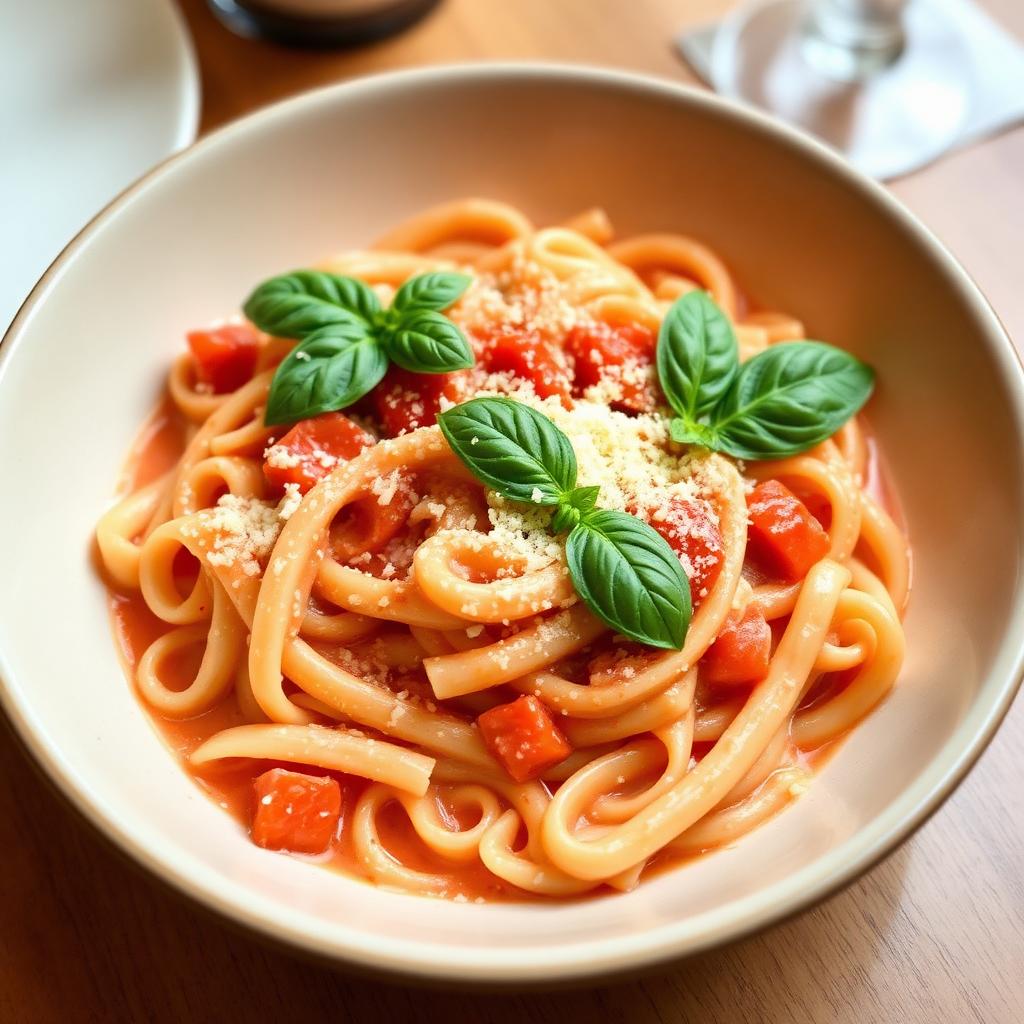
Weeknight · 35 min
Penne alla vodka
Blush-pink, silky, gently spiked — the pasta that turns a Tuesday into an occasion. Adapted from the Allrecipes classic.
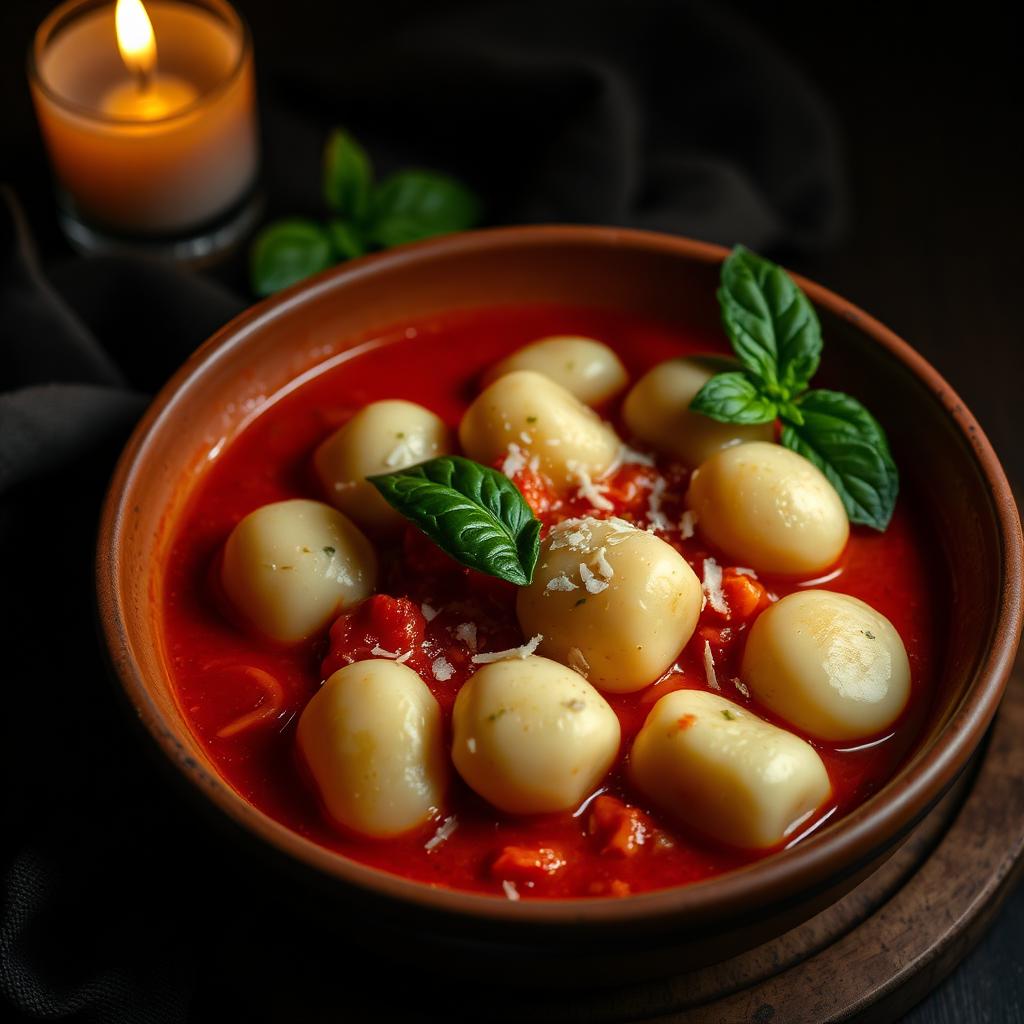
Weeknight · 40 min
Gnocchi alla pomodoro (chasing the Westcliff dragon)
Pillowy potato gnocchi in a slow-cooked San Marzano tomato sauce with basil and butter. The dish I have been chasing since a near-midnight bowl at the Westcliff hotel in Parktown.

Chasing the dragon
Gnocchi alla pomodoro at the Westcliff.
Close to midnight at the Westcliff hotel in Parktown, I ordered gnocchi alla pomodoro. By George, it was FANTASTIC. Life-affirming. I have been chasing that dragon ever since — I just cannot replicate it. If the chef is out there: thank you. My best attempt lives in the recipe above.
A destination eatery
Al Fiume on the Hennops river.
A beautiful Italian restaurant on the Hennops river, with a saxophonist playing from across the water while you eat. Only a few options on the tasting menu — each done so, so well. If you want a magical evening, this is the one.


Sunset views in Bryanston
Café del Sol Botanica.
Wonderful food, glorious sunset views over Bryanston, and in spring and summer the jacarandas put on the show of their lives. Every purple canopy is a reminder that this city knows how to do a season.
The Italian gees of the East Rand — and beyond
I grew up not too far from the Italian Club on the East Rand — I never imagined how close I would come to Italy. There is a big Italian culture in South Africa: generations of Italian families, family-owned restaurants, and of course the South African who was Michael Schumacher's engineer at Ferrari, Rory Byrne — whizzing around East Rand roads once the Formula One season was over.
I have been to Rome, and it is still by far my most favourite city in Europe — the people make it special. I cried at the Vatican. My four-year-old self, and even my high-school self, would never have imagined going to the Sistine Chapel, seeing La Pietà, hearing monks sing and sitting in mass. Grazie mille, Italia.
The Tuscan argument · 23 August 2026
Stracotto — the ragù that makes bolognese taste average.
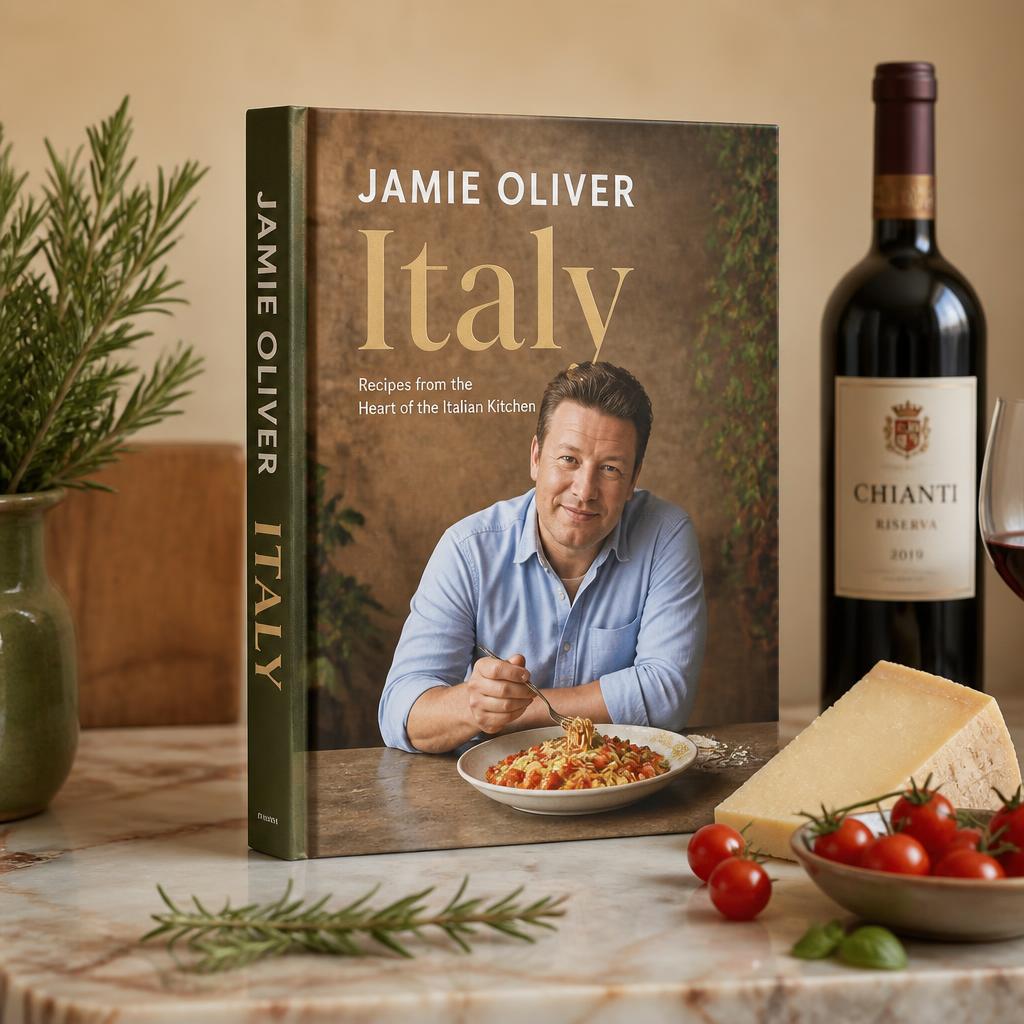
I have made this gem a few times now, and every time I do I am freshly shocked by how good it is. It is called stracotto — literally "overcooked" in Tuscan — and the name is the whole point. A big piece of beef chuck is braised slowly in Chianti, tomato and fennel until it stops being meat and becomes something you can pull apart with a spoon. It is richer, deeper and more dramatic than bolognese. And I really love a great bolognese.
I landed on it from Jamie Oliver's second Italian cookbook, the one dedicated to Gennaro Contaldo and the late, great Antonio Carluccio — may he rest in peace. It is the kind of recipe that turns a Sunday afternoon into an event and an event into a memory.
The meat
Use a big piece of stewing beef — chuck is ideal — and sear it hard. The colour on the meat is what gives the sauce its depth, so do not rush this step.
The wine
Cook with Chianti. A whole bottle goes into the pot, and the rest is for the cook. The wine's acidity and cherry fruit are what make the final sauce taste so Tuscan.
The fennel
Fresh fennel in the soffritto and fennel seeds in the braise. It lifts the richness and gives the whole pot a faint anise warmth that makes people ask what your secret is.
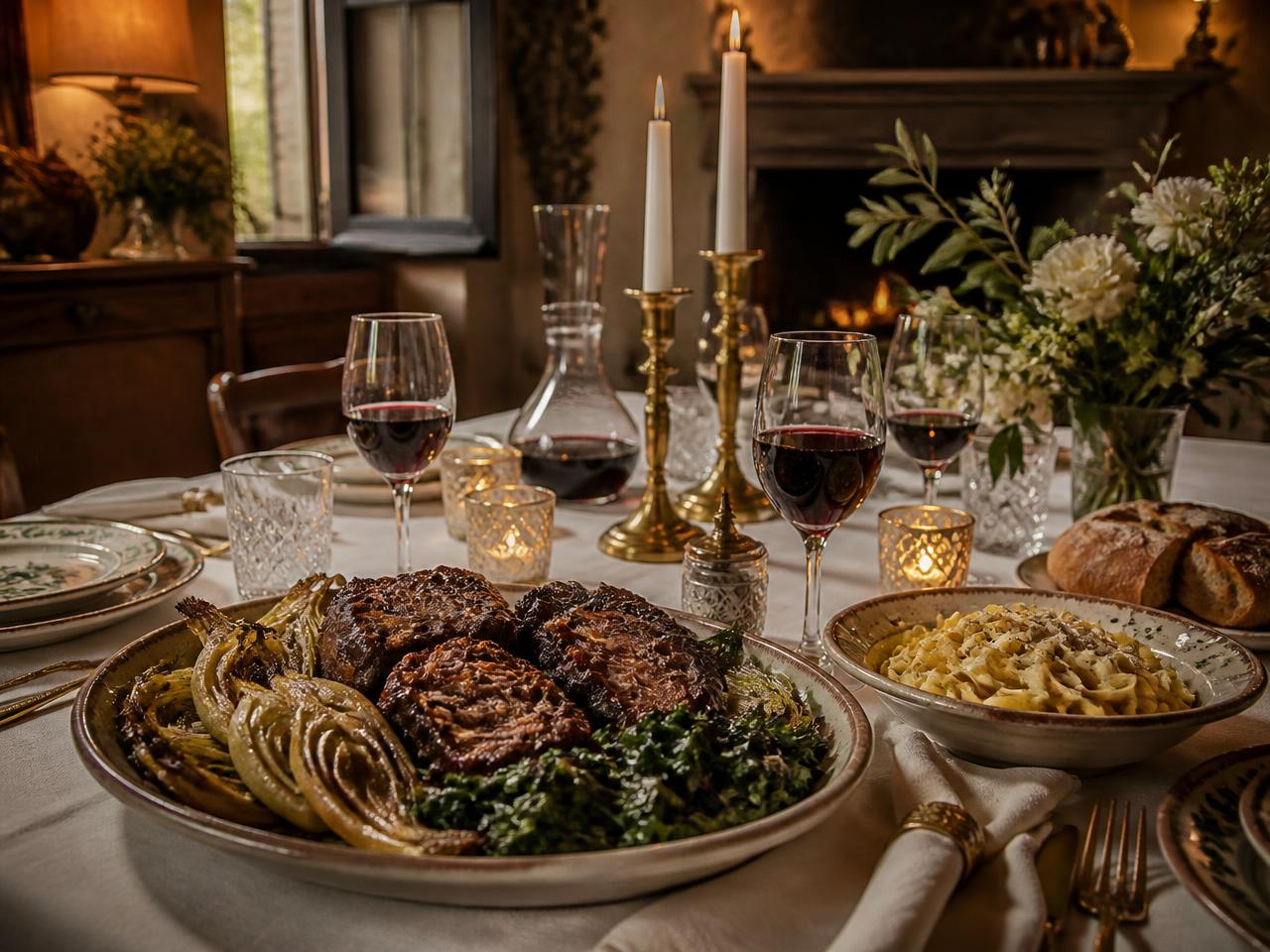
How Italians actually eat
Primo, secondo, contorno — why it works.
A traditional Italian meal is not one giant plate. It is a progression. The primo is the first proper course — usually pasta, risotto or soup, served in a modest portion so you still want what comes next. The secondo is the main event: the meat, fish or fowl, served on its own plate with no distracting sides. The contorno is a separate vegetable or salad that arrives alongside or just after — bitter greens, roasted fennel, grilled courgettes.
When you serve stracotto this way, the tagliatelle becomes the primo — a small plate of pasta dressed with a little of the sauce — and the shredded beef is the secondo, majestic on its own platter with a sharp green salad to cut through the richness. It is slower, more theatrical, and it makes the evening feel like a proper occasion.
For entertaining, this is gold. You do all the work before anybody arrives; the pot sits happily on the stove getting better while you have a drink. You bring the first course to the table, clear, then arrive with the secondo like a hero. There is no last- minute panicking, no missing the conversation, and the house smells like a trattoria in Florence.
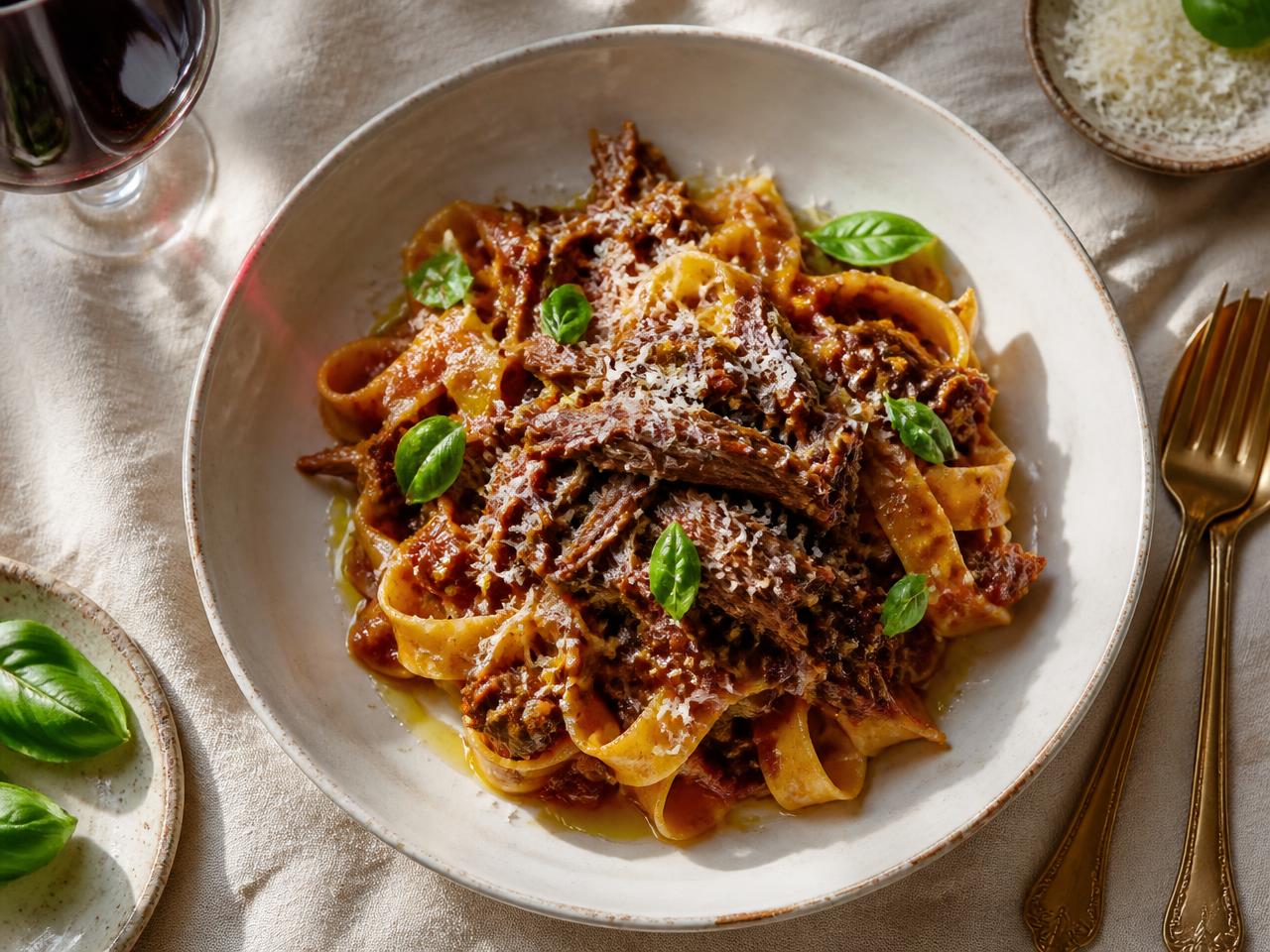
Sunday · 3 hr 30 min · Serves 6 to 8
Stracotto — Tuscan beef ragù
A Tuscan pot roast so slowly braised it makes bolognese look ordinary: beef chuck in Chianti, tomato and fennel, until the meat collapses into silk.
Make it on a Sunday when you have nowhere to be. The wait is long, the work is small, and the result is the kind of food that makes people stop mid-sentence and close their eyes.
The opener
Spicy marinated Queen olives.
The single dish that has appeared at every event I have hosted before and since I first made it — and that will keep appearing forever. Fragrant, warm, addictive, and the easiest possible thing to put between a guest and their first glass of wine.
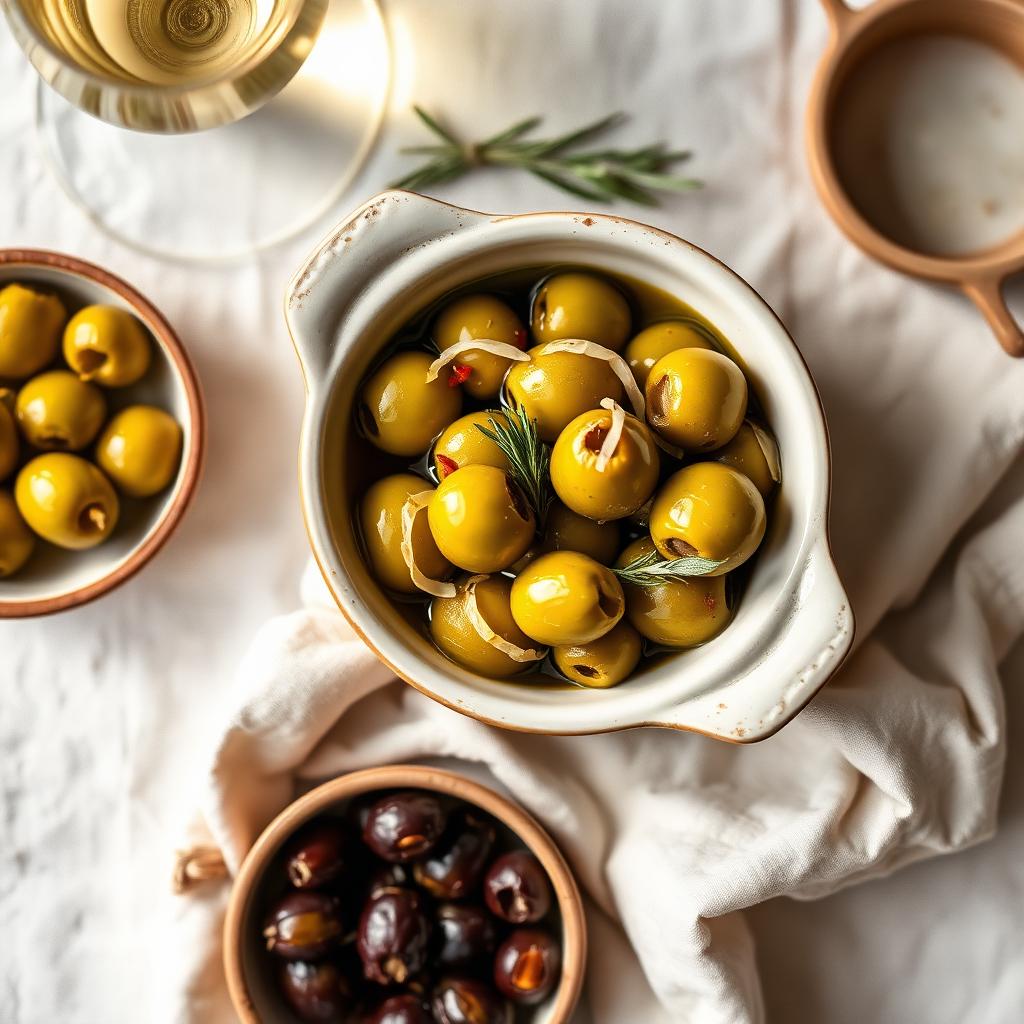
My go-to recipe is from Epicurious — warm olive oil, citrus peel, garlic, rosemary, fennel and chilli, infused gently and left to deepen overnight. An amazing addition to my lexicon, and the kind of thing I'd recommend to anyone and everyone.
The non-negotiable: Queen olives. Always. There is a reason they are called the queen of olives — big, buttery, meaty, and they hold their shape and bite even after a long swim in warm spiced oil. I buy Woolworths pitted Queen olives — consistent, generous, and ready to serve. Nothing else compares.
Put the bowl where the wine is being poured. Small empty bowl beside it for pits. Watch it disappear.
Read the full recipe →A nod to Spain
Paella, sangria & a little flamenco.
A Spanish night is the easiest themed dinner to pull off — one big pan in the middle of the table, a pitcher of something cold beside it, an almond cake waiting in the wings, and a guitar in the background. Two house rules before you start: confirm no one at the table is allergic to shellfish, and use proper cured Spanish chorizo — not the fresh cooking kind. The rest takes care of itself.
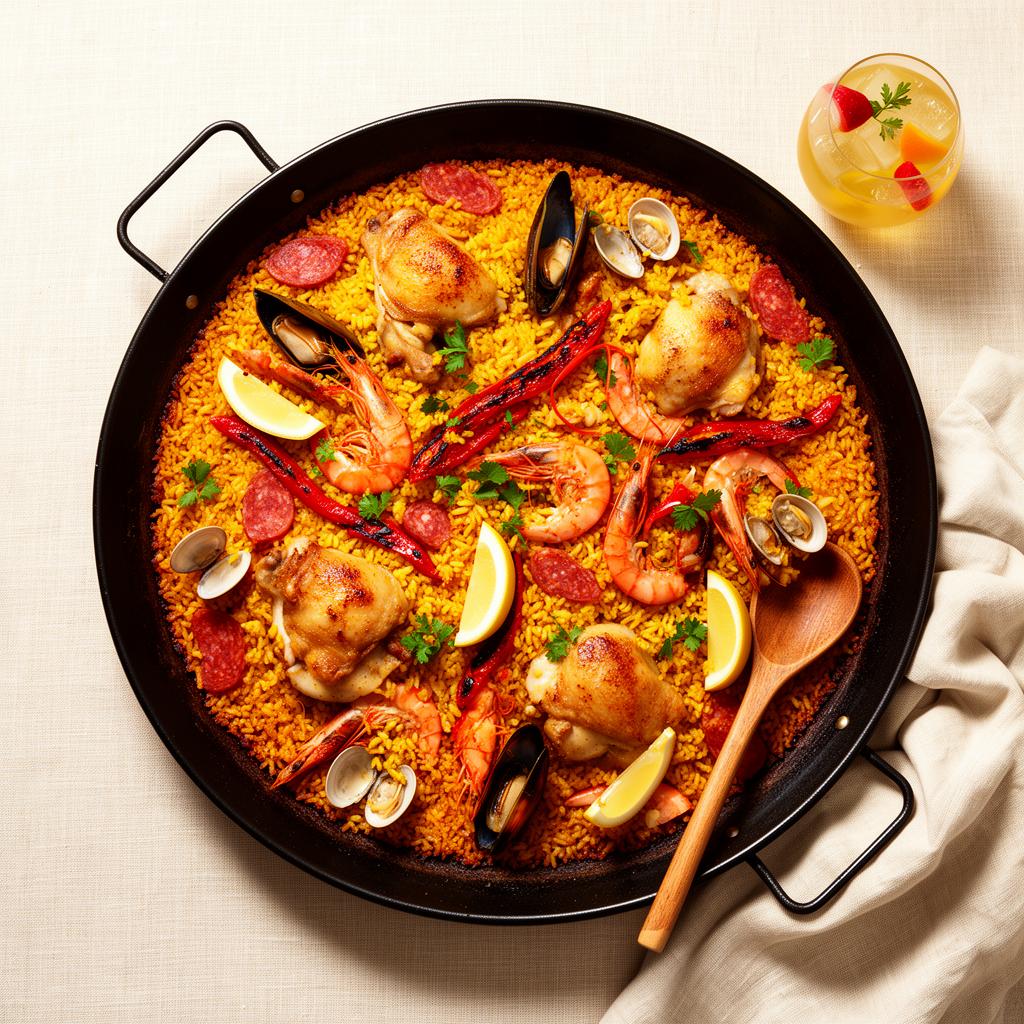
The main event
The classic paella.
I cook Jamie Oliver's version, which adds chicken. I'm told this is controversial to Valencian purists, but who am I to argue with Jamie? Chicken thighs browned in the pan, proper chorizo rendering its red oil into the rice, then prawns, mussels and clams nestled in for the last few minutes — and that prized crackling socarrat at the bottom that everyone fights over.
Don't stir once the rice goes in. That's how you earn the crust.
Read the full recipe →In the glass
The signature drink — white sangria.
Always have a signature drink. Mine is white sangria — lighter, more elegant, and a perfect companion to a saffron-stained paella. Crisp white wine, a splash of brandy, stone fruit, green apple, white grapes and mint, chilled for a few hours, topped with soda at the last moment. Pour the first glass the minute the door opens.
Read the full recipe →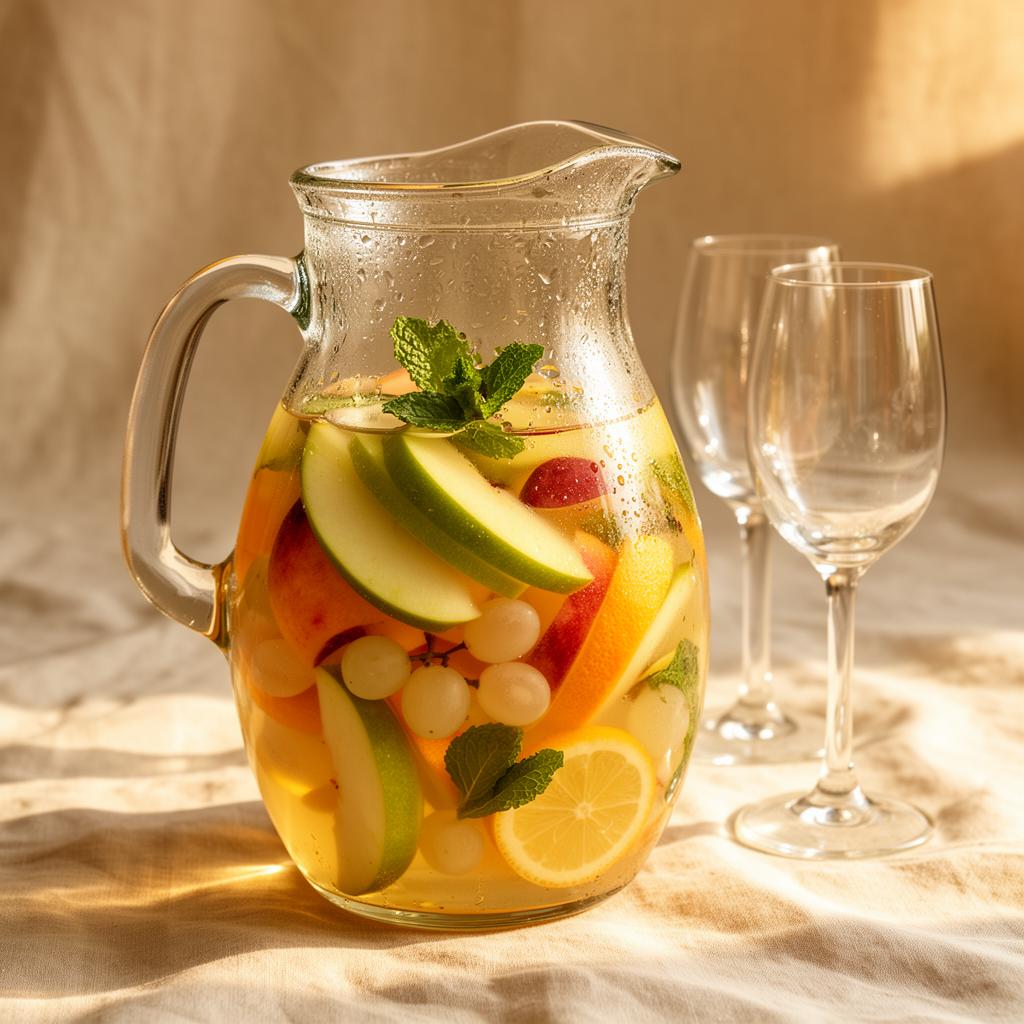
Something sweet
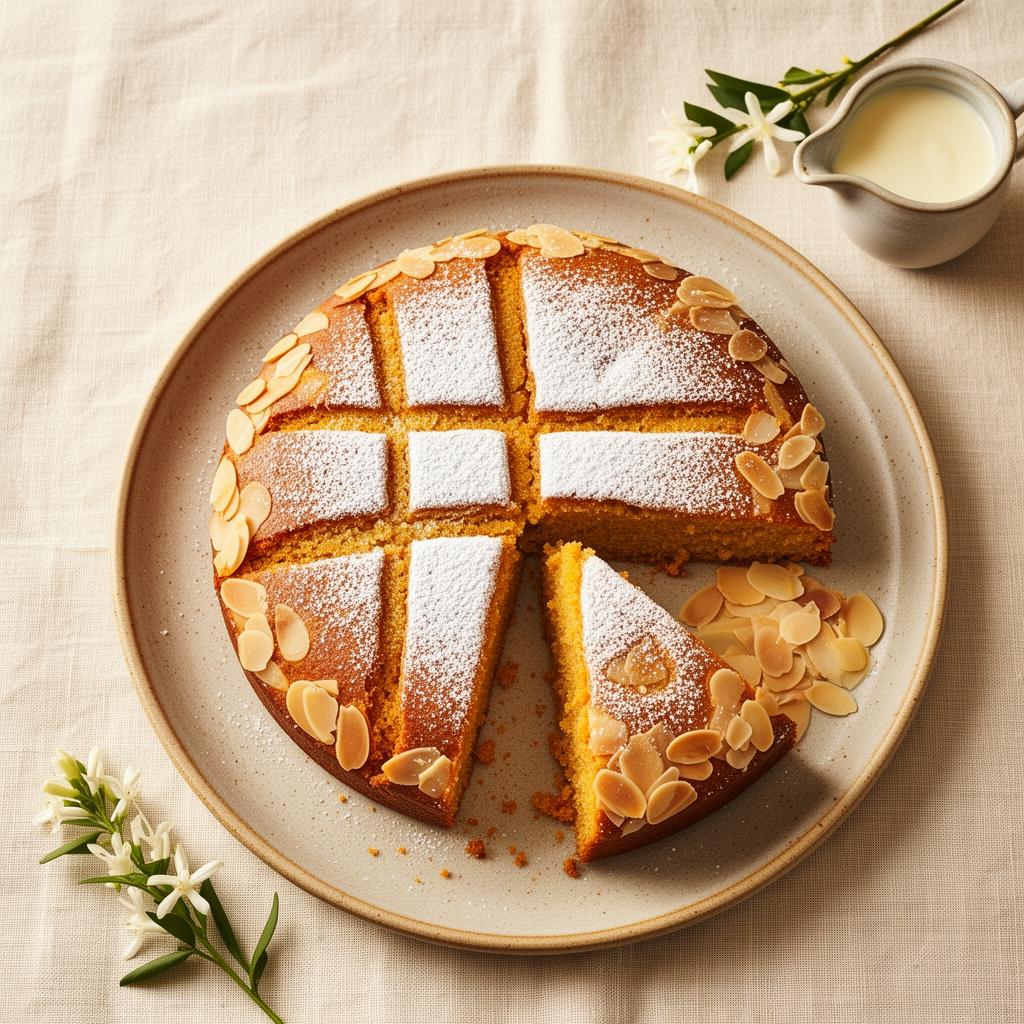
Almond cake — tarta de Santiago.
Flourless, fragrant with orange and lemon zest, and finished with the cross of Saint James stencilled in icing sugar. It's better the next day, it's naturally gluten-free, and it asks for nothing more than a small glass of sweet sherry or a thimble of strong coffee alongside. The most generous ending to a Spanish meal.
Read the full recipe →The mood music
Press play before they arrive.
Pure flamenco — palmas, cajón, the cry of a singer and the rasp of a Spanish guitar. Low enough to talk over, warm enough to make the room feel like a tablao in Seville at midnight. Light the candles, pour the sangria, hit play.
Tip: start the playlist about ten minutes before the doorbell. The room should sound lived-in by the time the first guest walks in.
Meat-free entertaining
Arancini night — the hero of an Italian evening.
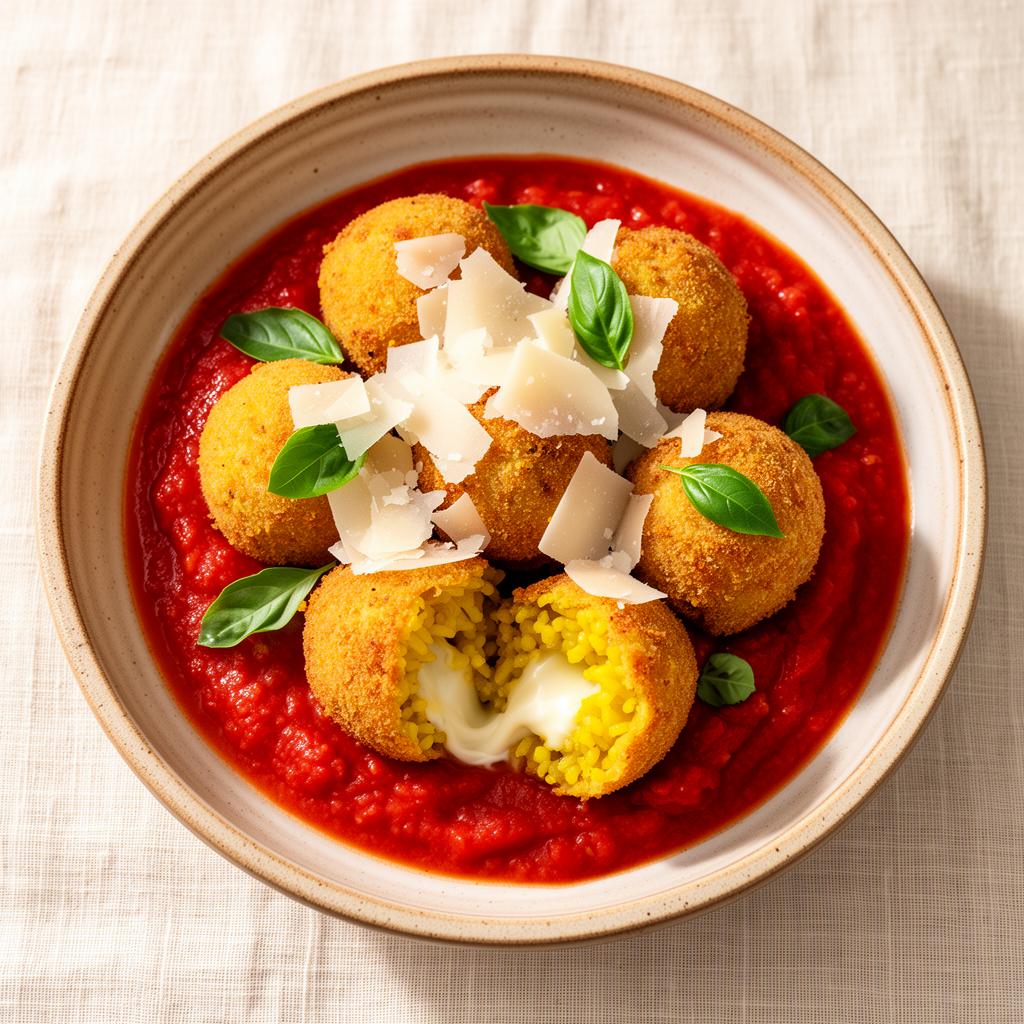
When I want to throw an Italian night that doesn't lean on a roast or a ragù, this is the one. Saffron risotto bianco set overnight, rolled around fresh mozzarella, panko-crumbed and fried to a shattering gold, then served in a deep, slow-cooked neapolitana with shaved parmesan and torn basil. It is a complete vegetarian main, generous and theatrical — guests cut one open and the room goes quiet.
The project
Arancini in neapolitana.
Start the day before with Jamie Oliver's risotto bianco and cool it overnight so it rolls cleanly. Panko is non-negotiable — nothing else gives you that lacy, shattering crust. A cube of fresh mozzarella at the centre is the molten reward. For the sauce I cook a proper neapolitana enriched with beef stock, basil and a glug of red wine — deeper and rounder than a standard tomato. I came across the combination on Epicurious and it has never let me down.
Complex, yes. Perfect, also yes. If you want to hero an Italian evening, this is the one.
Read the full recipe →Date night / girls' night
Roast spiced duck, plums & spring onion pancakes.
This is foodgasm food — life affirming, memorable, and a guaranteed crowd pleaser whether the table is two or eight. Both recipes are from BBC Good Food, my favourite food magazine. The duck is far easier than it looks; the pancakes have become my absolute favourite thing to make.
The main
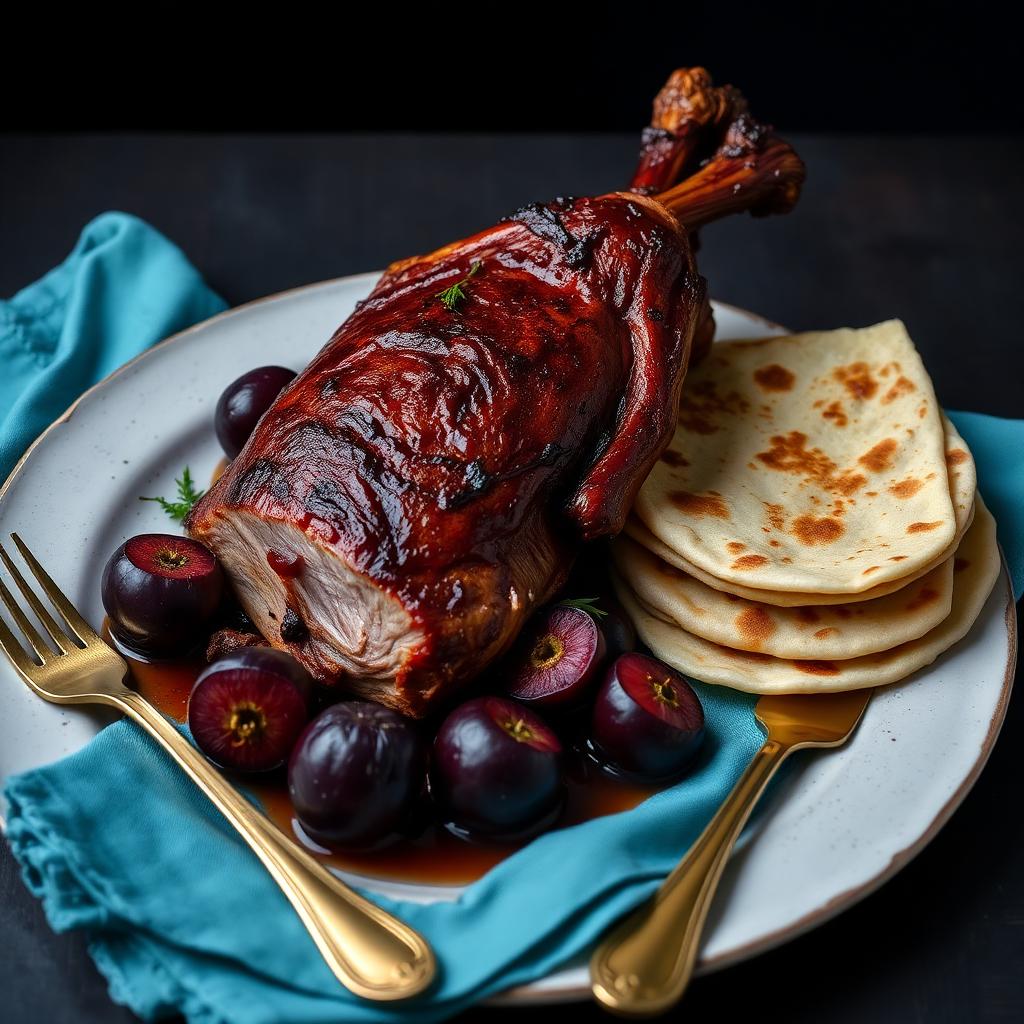
Spiced duck & pancakes.
The spice rub is simple — star anise, toasted coriander seeds and dark muscovado — but it lacquers the duck into something mahogany and glossy. Roast plums go in for the last 25 minutes, soaking up the duck fat with honey and soy. Duck has quietly become my favourite poultry.
Carve at the table. Let everyone build their own pancake — duck, plum, a smear of syrupy juices. The room goes quiet.
Read the full recipe →A French affair
Paris on my mind, Edith Piaf on the speakers.
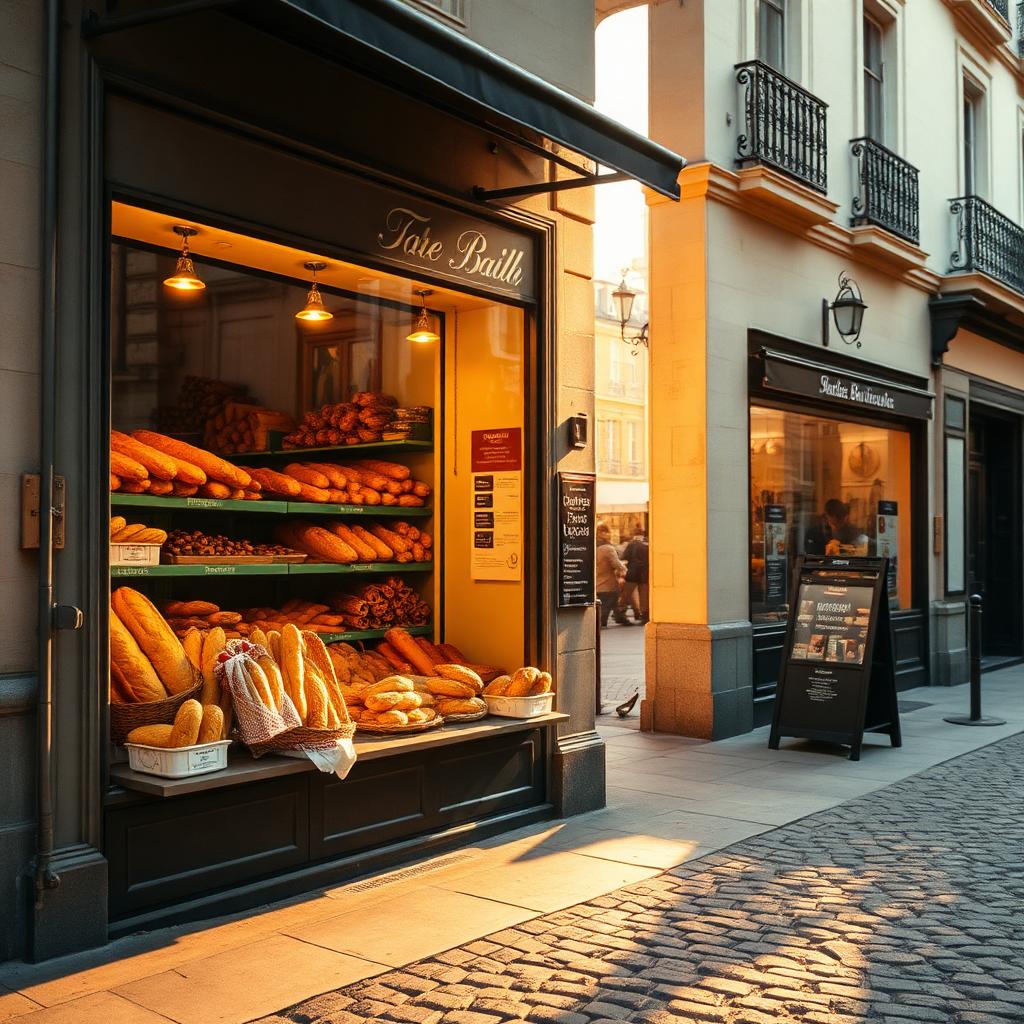
A love letter to Paris
What I love most about Paris is the pastries and the baguettes. Every street has a bakery, and the smell of warm butter and flour permeates the pavements as you walk down the Seine. That is the city, for me — a thousand small acts of bread.
The dish that made me fall for French cooking properly was boeuf bourguignon, from a French edition of Food & Home South Africa. I made it once and have been making it ever since. The technique, the smell, the softness of the beef and onions — OMG, and I mean Oh my Heavenly Father.
The menu
The French dinner I keep returning to.
To start
Baked camembert
Melted in its box with rosemary, thyme and a splash of white wine. Crusty bread, no manners required.
The main — summer
Chateaubriand
Mayonnaise from scratch, braised leeks and fennel, confit potatoes. Carved at the table.
The main — winter
Boeuf bourguignon
No carrots, ever. Torn baguette to mop the sauce. Long evening, soft candles.
To finish — always pears poached in white wine with clotted cream. Pair the wines as carefully as the courses; that is the cherry on the cake. Edith Piaf on the speakers, guest list small, and you're good to go.
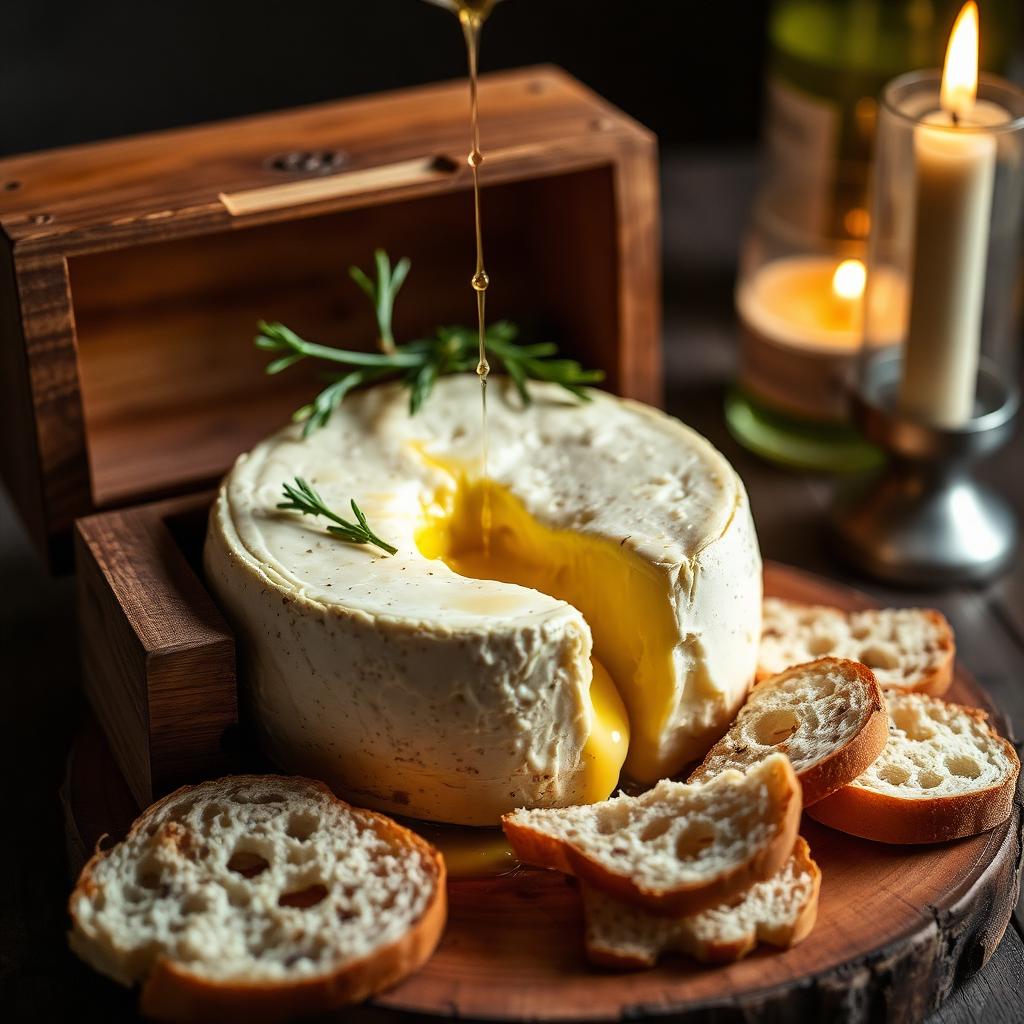
Rosemary, thyme, white wine
Baked camembert →
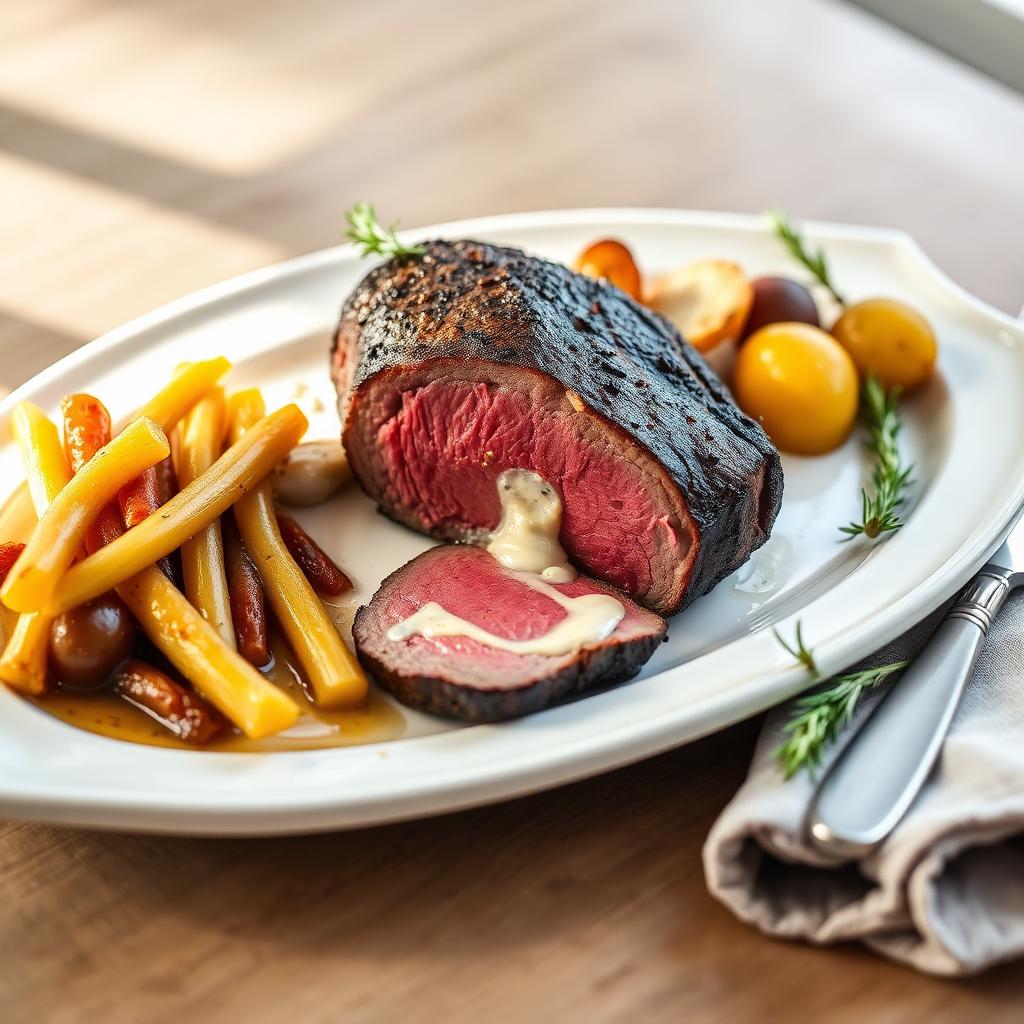
Women's Weekly — summer hero
Chateaubriand →
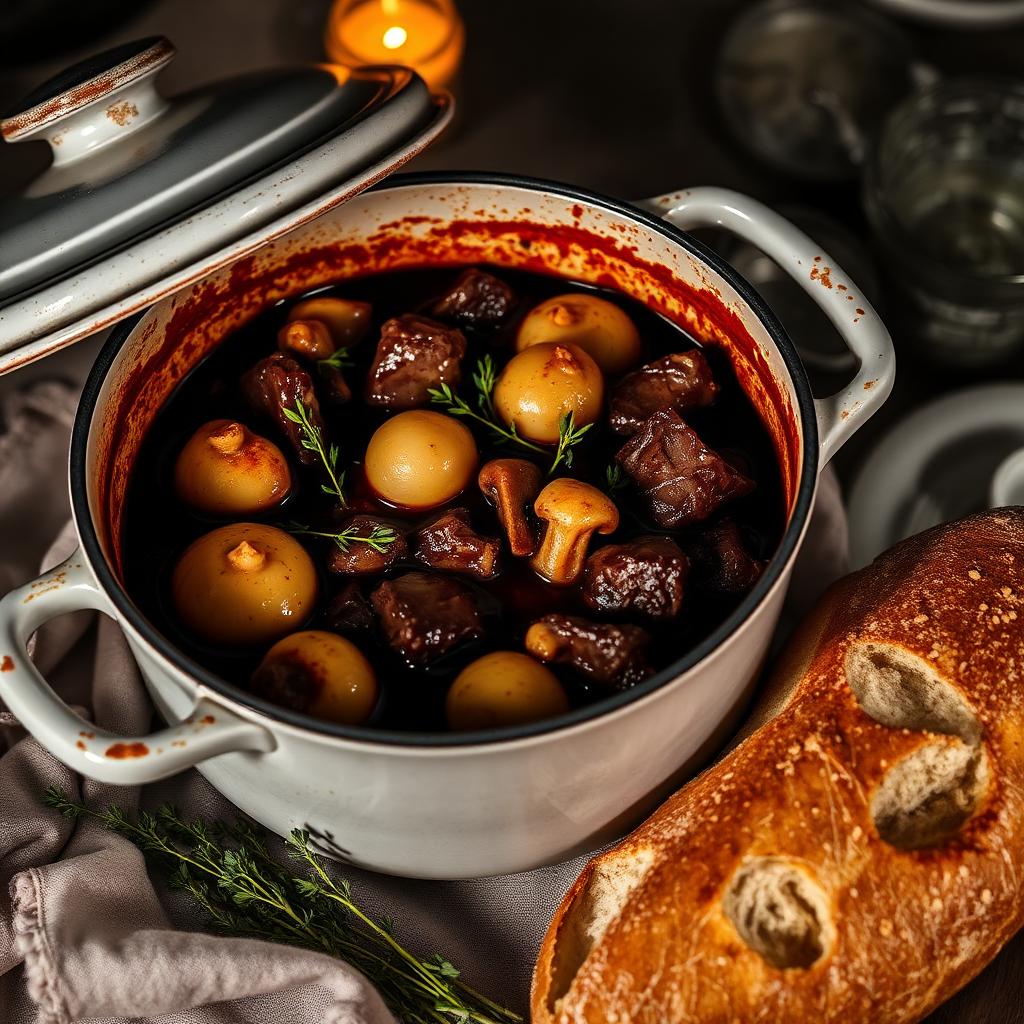
Food & Home SA — winter soul
Boeuf bourguignon →
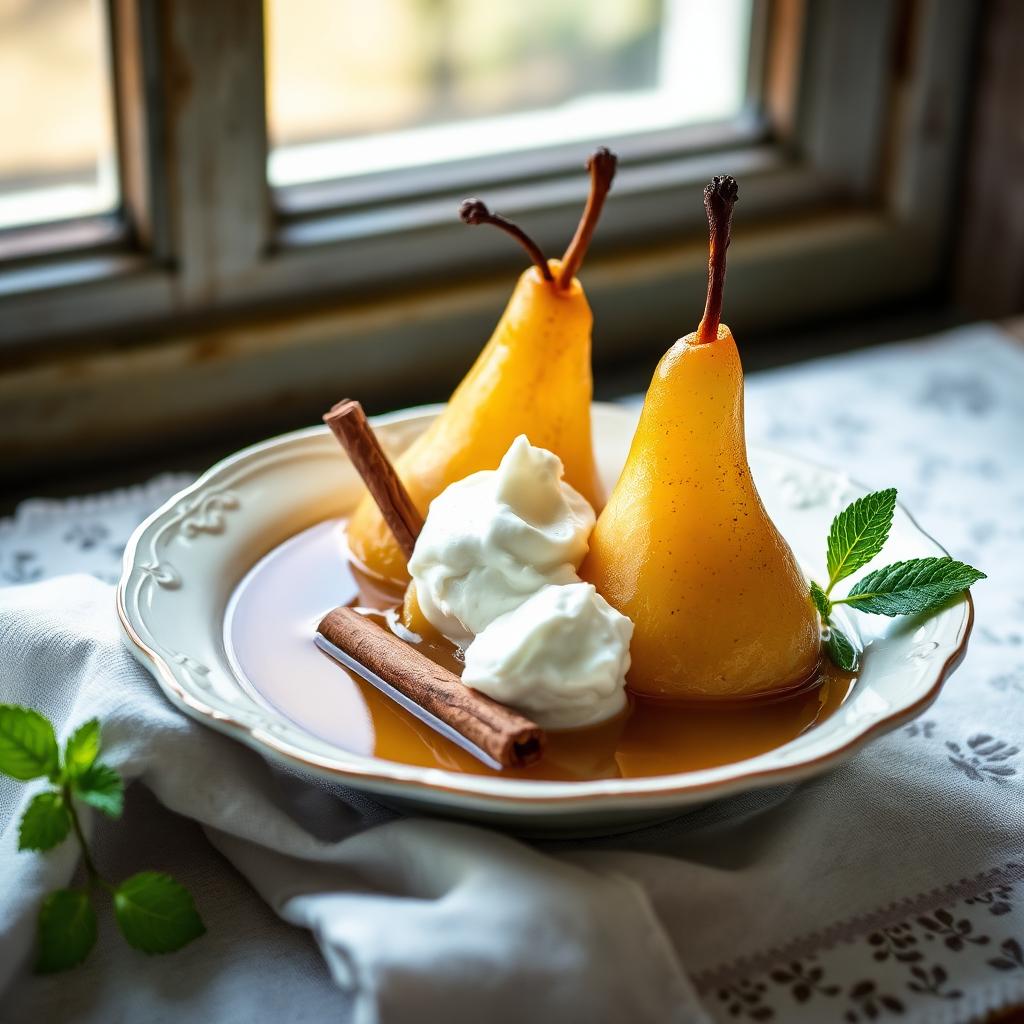
With cold clotted cream
Pears in white wine →
In the glass
My favourite Chablis — Henri Latour.
Chablis is the queen and I will always have a bottle on hand. Henri Latour is the one I keep returning to — flinty, mineral, dry enough to cut through the richest of French sauces. For something bubbly to open the night, Veuve du Vernay, and Woolworths South Africa stocks the very best of it.
From the garden
Always use fresh herbs.
Dried herbs are a compromise. Fresh thyme, rosemary, tarragon, parsley — they are non-negotiable in my cooking, and especially in French food where the herb is the seasoning. I am planning my own herb garden so I never have to reach for a jar again. A few terracotta pots by the kitchen door — that is the dream.
Hola Mexico
A Mexican evening — and Don Julio is the star of the show.
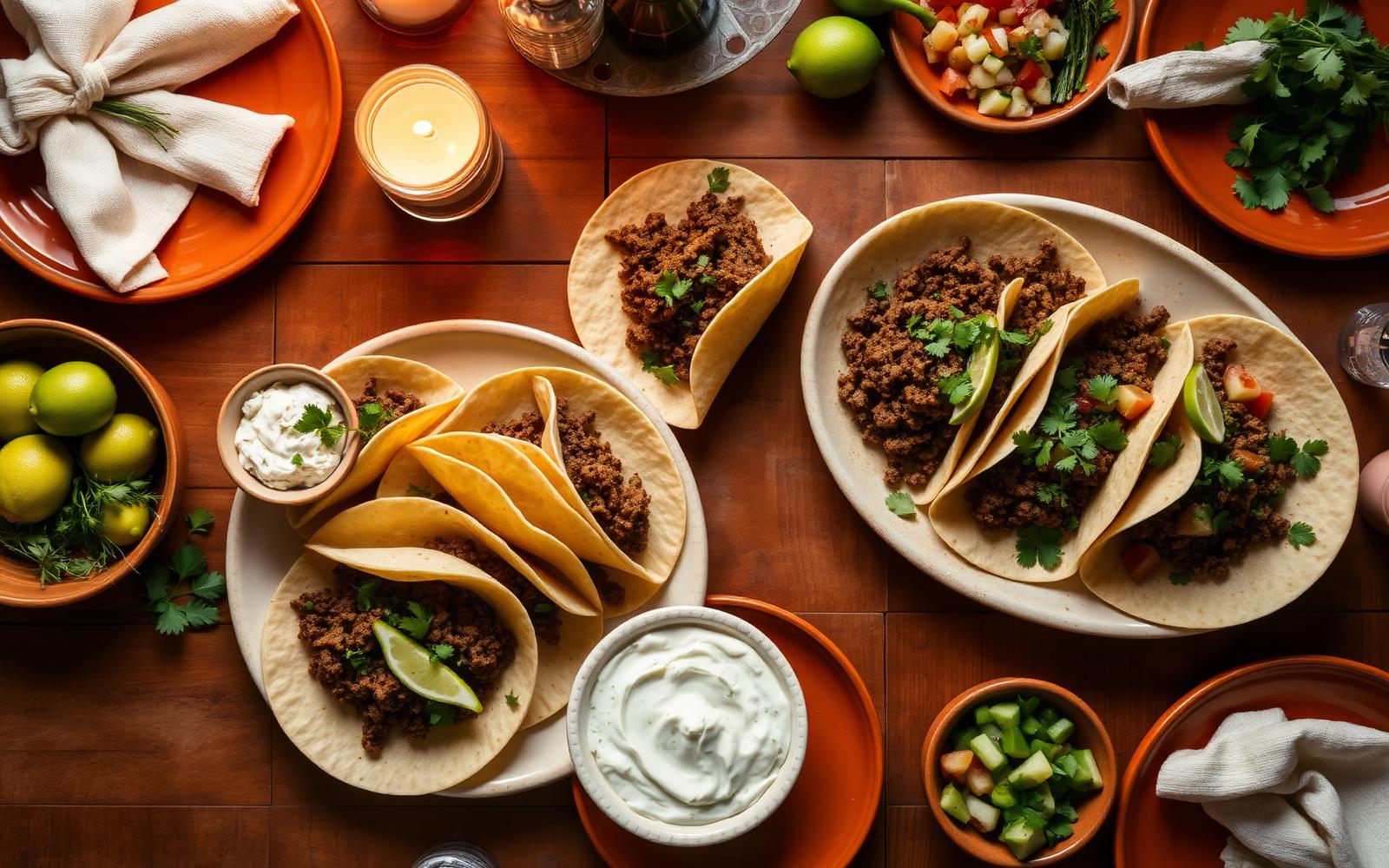
The night
Hola m'pinch — that's hello friend in the South Africa from whence I hail, and it is exactly the mood of a Mexican evening at my table. Mexican food is rustic, moreish and made to share: cumin and coriander in the air, guacamole punched with lime, a lemony tomato-and-cucumber salad, cream cheese, warm tortillas piled high. The spicier the better. Posh Spice with a little of not-so-posh spice.
Tonight it's minced beef tacos — they last longer, the house smells incredible, and the leftovers are a gift to tomorrow. But the real star, the reason the evening tips from dinner into a proper night, is Don Julio, poured slow, and a jug of spicy mango margaritas going around the table.
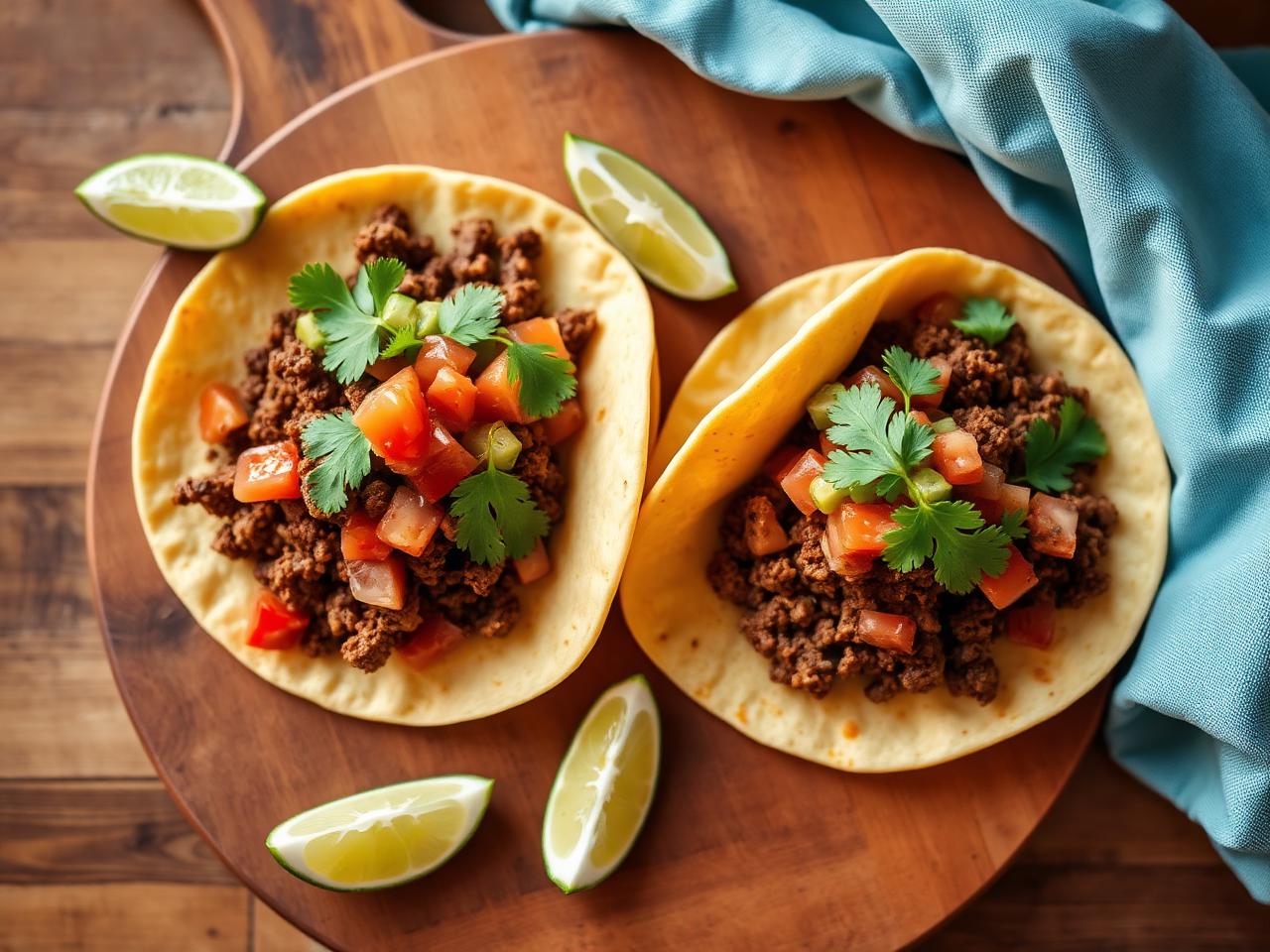
For company
35 min · Serves 4
Hola Mexico! Minced beef tacos
Beef mince · cumin · coriander · lime · guacamole · cream cheese
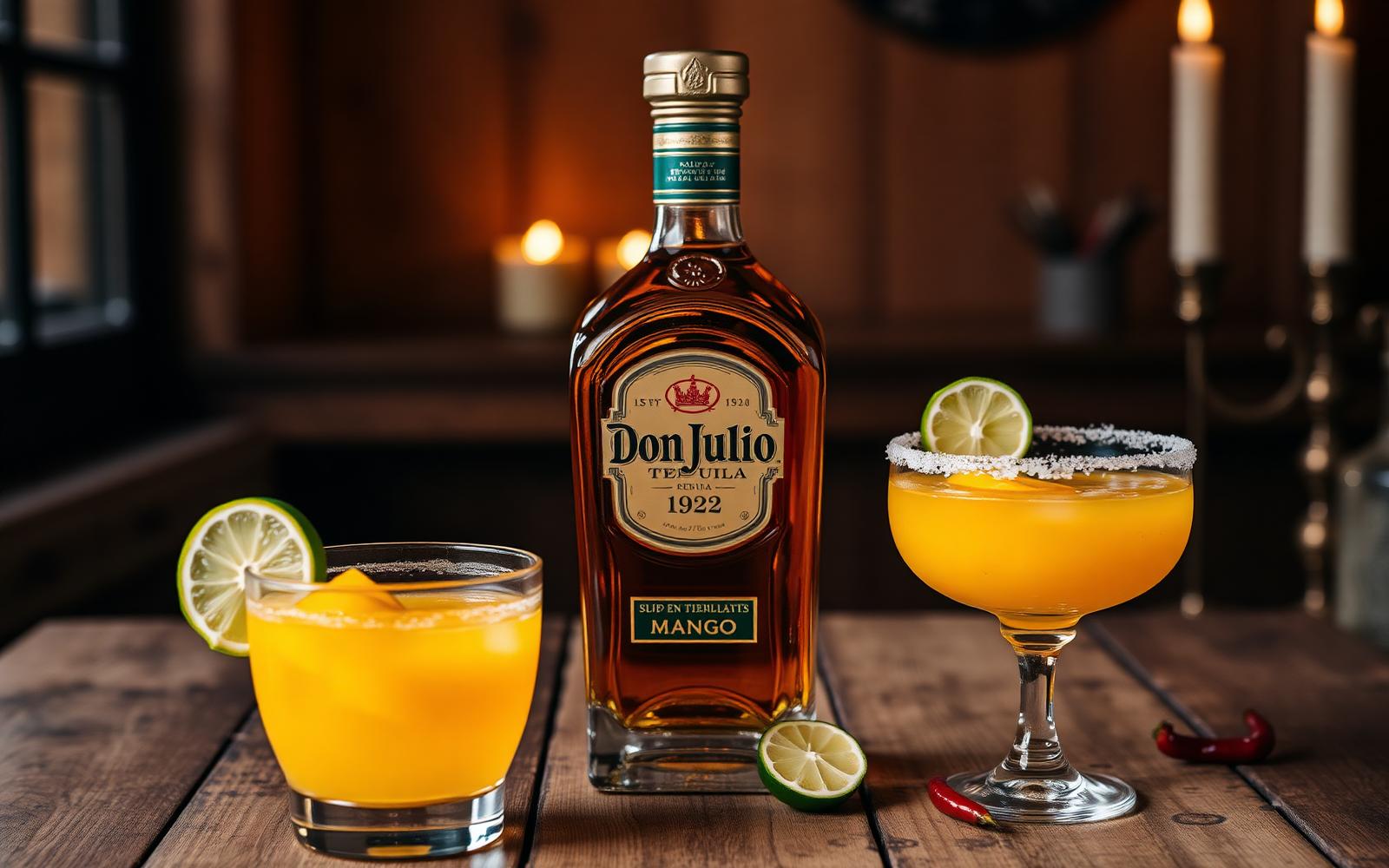
In the glass
Spicy mango margaritas.
Don Julio, fresh mango, lime, a whisper of chilli, a chilli-salt rim. Cold, bright, a little dangerous. Make them by the jug — nobody wants to wait their turn.
- Don Julio Blanco — the backbone. Clean, peppery, made for lime.
- Fresh mango & lime — never a mixer. Blend the fruit, squeeze the fruit.
- A slice of red chilli muddled in — heat that hums, not shouts.
- Chilli-salt rim — flaky salt, smoked paprika, a pinch of chilli.
Sip Don Julio neat between rounds — it deserves a moment on its own.
The perfect girls' brunch
Peonies, Bellinis and Bocelli on repeat.
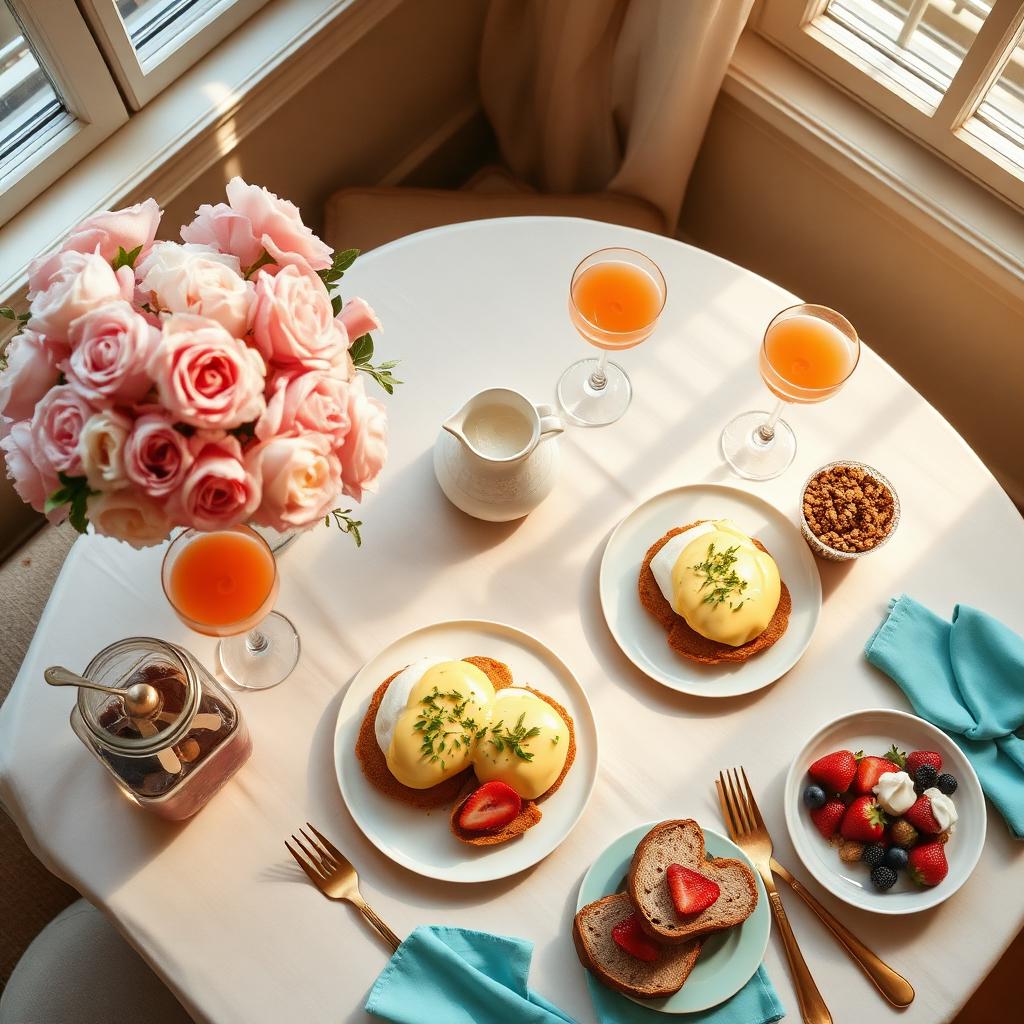
The morning
A girls' brunch, done properly, is not really about the food — it is about the light, the flowers, and the sound. Low pink peonies. Cream linen. Antique gold cutlery. Napkins in Tiffany blue. A cold flute waiting on the doormat before anyone has taken off their coat.
And in the background, always, Andrea Bocelli. Con te partirò, Vivo per lei, Canto della Terra — a voice that makes the whole room slow down and forgives everyone for being fifteen minutes late. It is the difference between hosting a brunch and setting a mood.
The whole spread is built from the brunch cookbook — everything already has its own recipe, so on the morning itself all you are doing is toasting, poaching, pouring, and answering the door.
The brunch cookbook
Everything on the table, with the recipe for each.
Smoked salmon on toasted English muffins, poached eggs, warm hollandaise. Bran and raisin muffins on a cake stand. Home-made honey granola with thick Greek yoghurt and berries. Fried mushrooms, scrambled eggs, crisp bacon, sourdough toast. Strawberries and cream. Ice-cold grapefruit Bellinis in tall flutes.
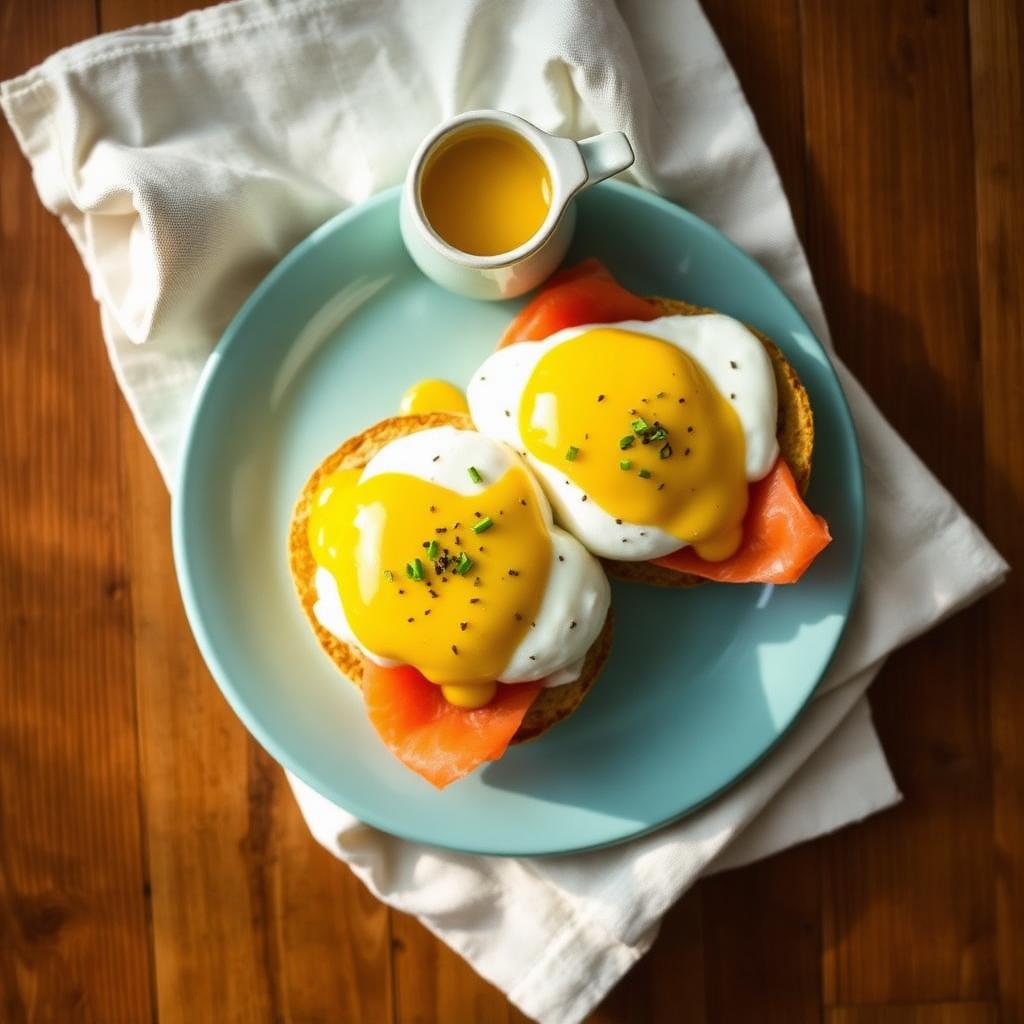
10 min · Serves 4
Foolproof hollandaise
Read the recipe →8 min · Serves 2
Perfect poached eggs
Read the recipe →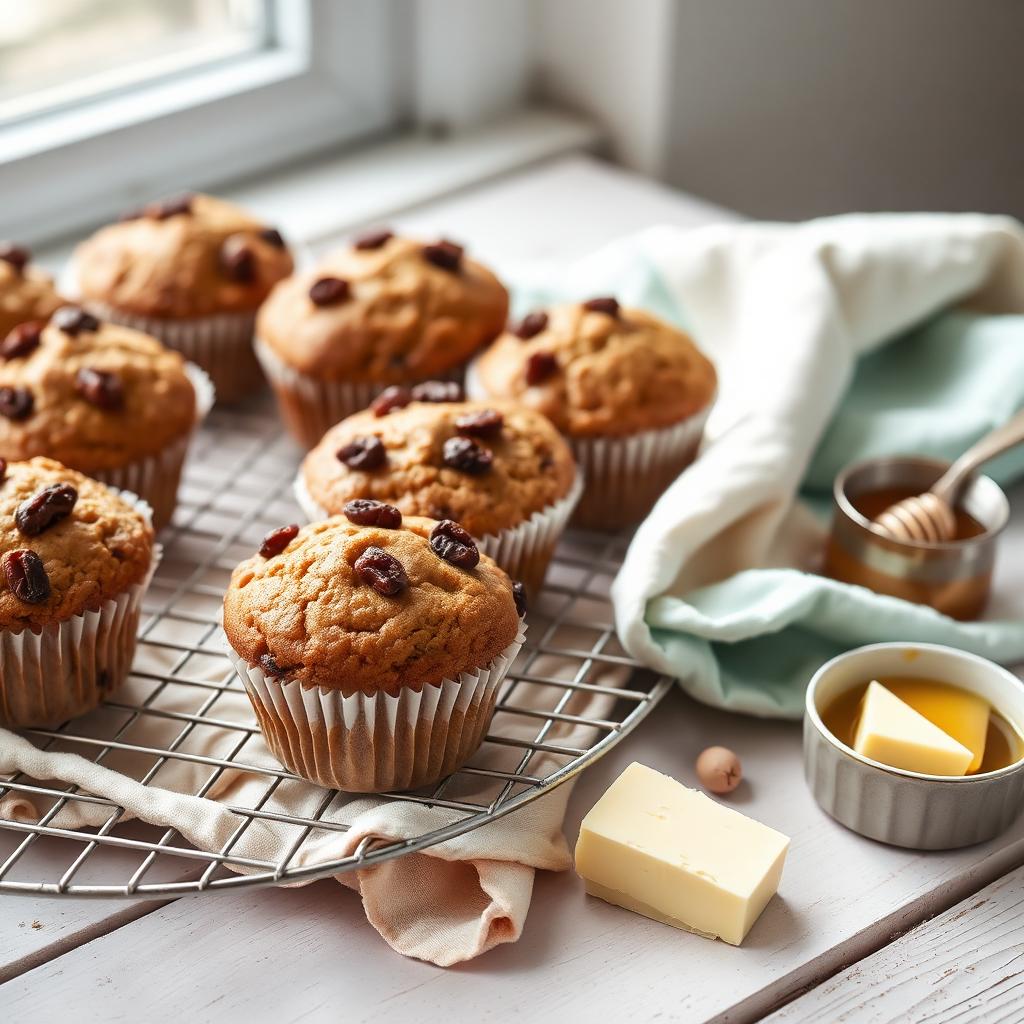
40 min · Makes 12
Bran & raisin muffins
Read the recipe →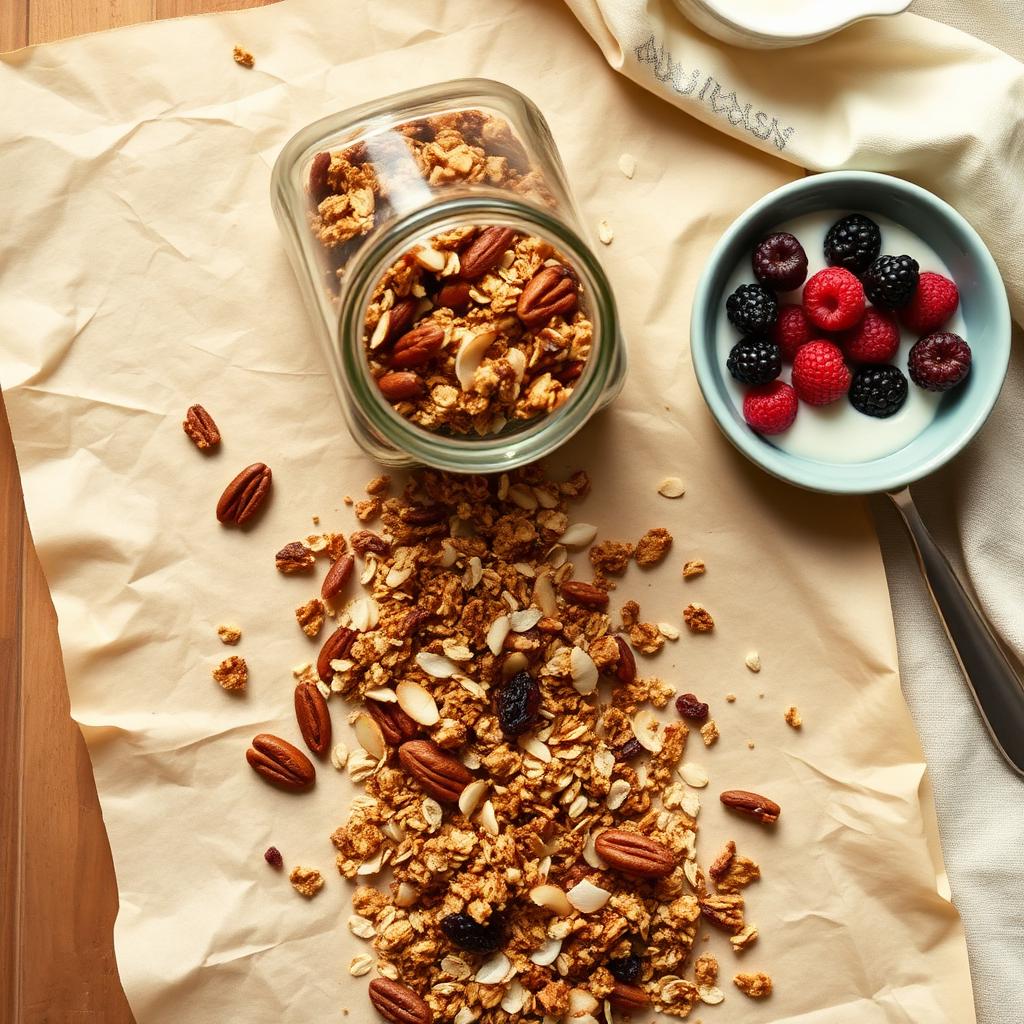
45 min · Makes 1kg
Home-made honey granola
Read the recipe →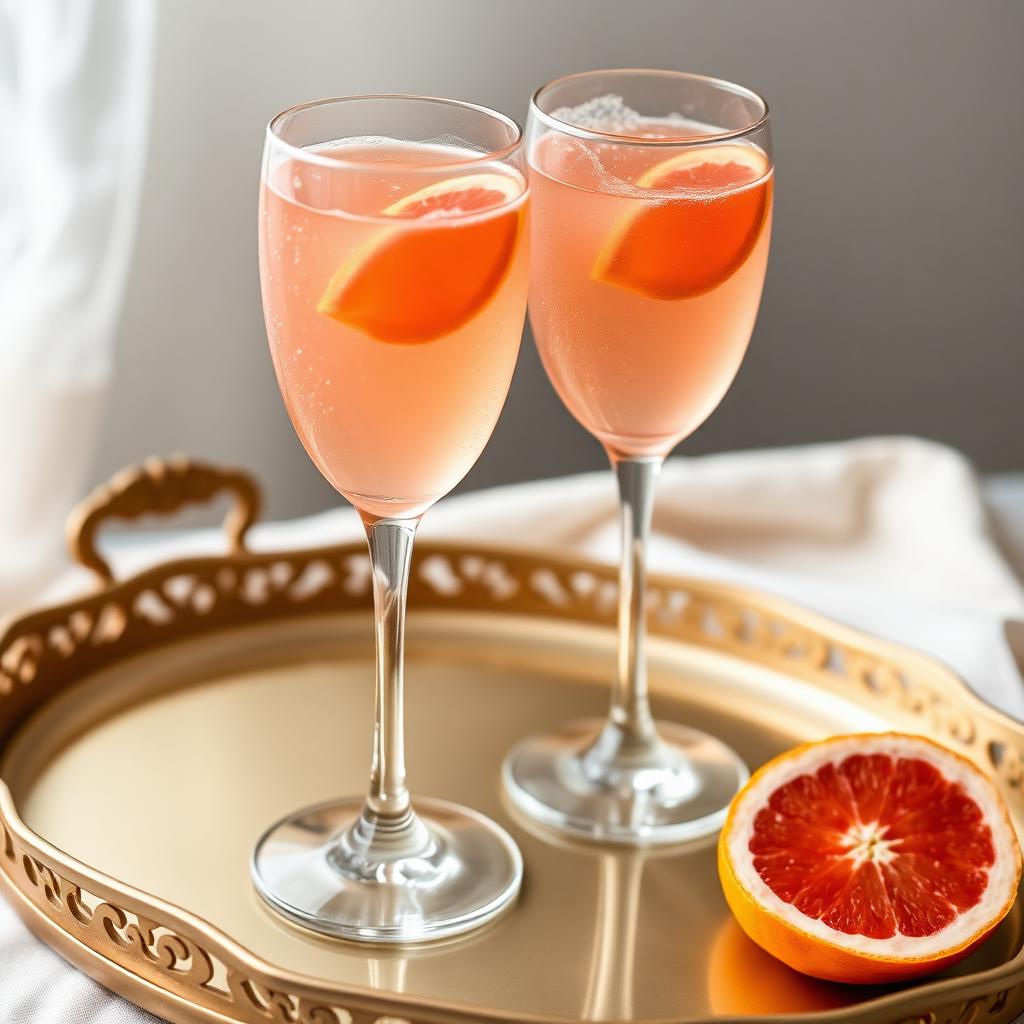
5 min · Makes 4
Grapefruit Bellinis
Read the recipe →Poach the eggs the night before, slide them into iced water, and reheat for 45 seconds in barely simmering water just before serving. Your hollandaise waits in a warm jug. Your Bellinis are already poured. You sit down with your girls, and Bocelli does the rest.
Brunch, for family or for friends
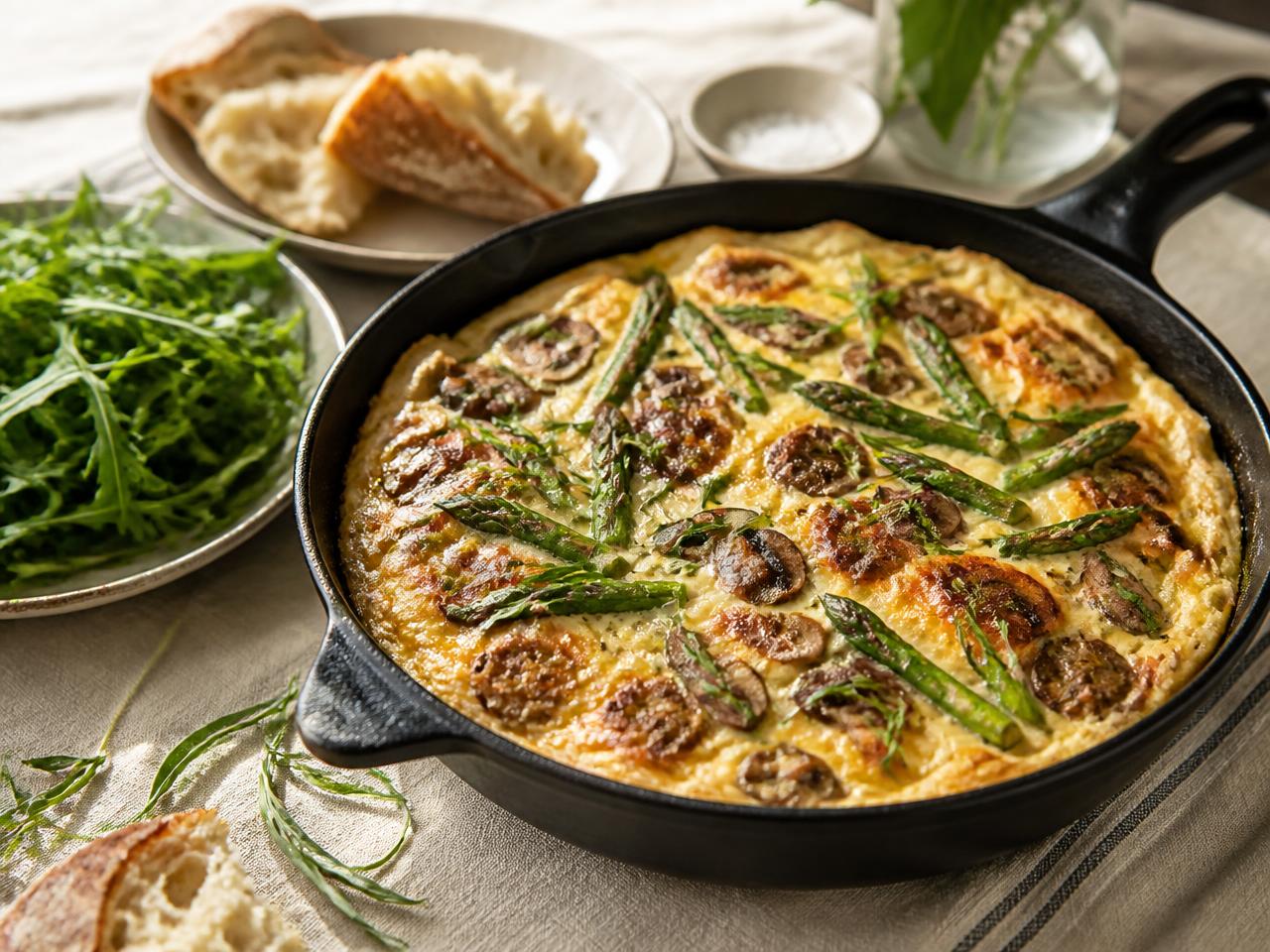
Tarragon, mushroom and sausage frittata.
A nod to BBC Good Food
I have loved BBC Good Food for years — it is the magazine I reach for when I want something honest and achievable rather than clever. This one is from May 2019, and it is a fantastic family eggy recipe. A wonderful meal, in the truest sense.
I prefer meatier mushrooms — portobellini is fantastic, shiitake is wonderful too. The recipe recommends pork sausages; I use beef. I'm not a huge fan of pork, but that's just me. I love that it has asparagus in it, and the sour cream and wholegrain mustard are a wonderful addition for texture.
Cook time is quick, and you grill it in the oven too. It is at its best when it still has a slight wobble in the middle. I add a rocket salad — keep it simple, it's a great counterpoint — and lovely baked bread on the table. Lovely for brunch.
The starter every South African orders
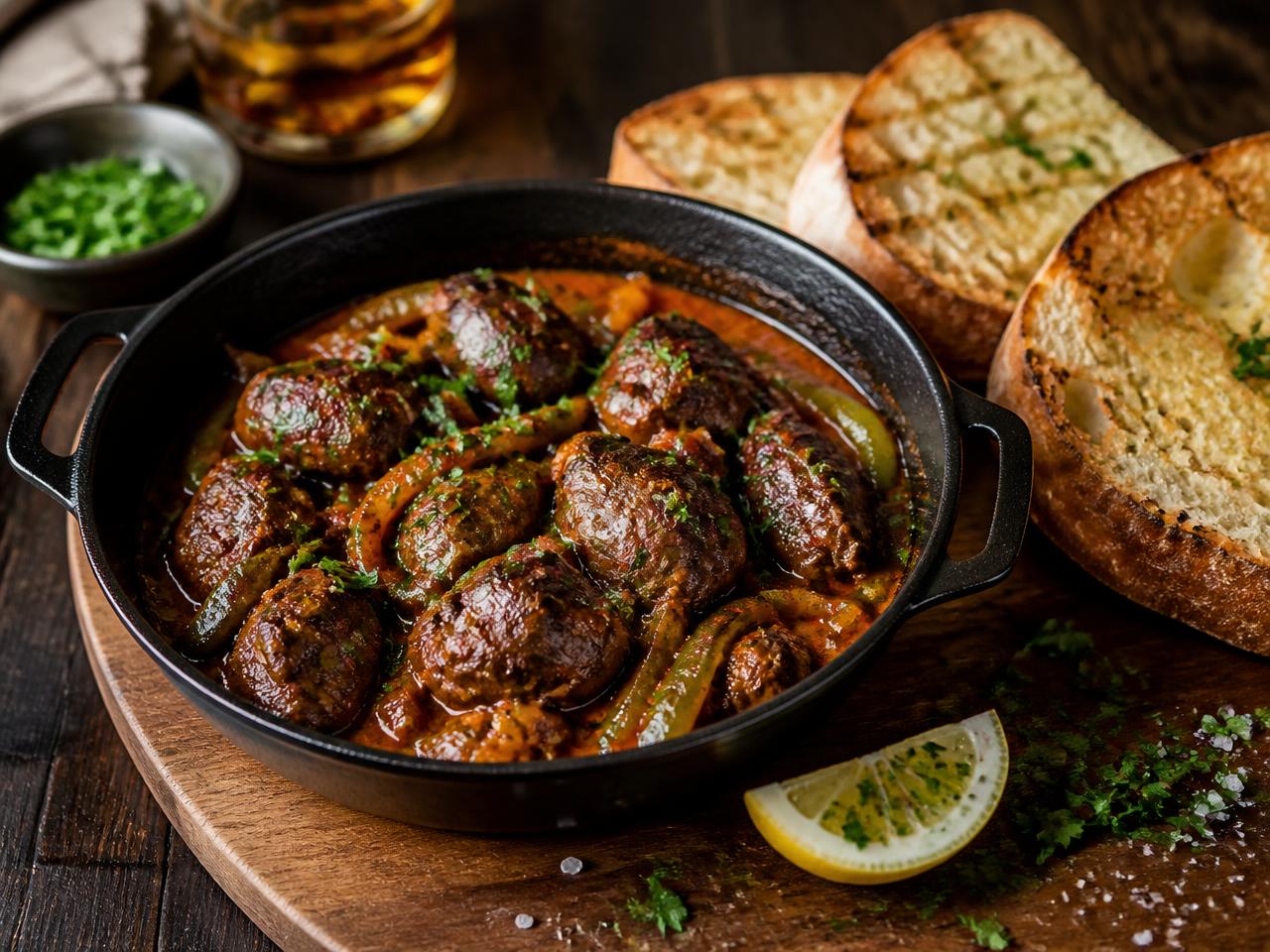
Peri-peri chicken livers on ciabatta toast.
A nod to Food & Home South Africa
The best — and I mean the very best — peri-peri recipe lives on the Food & Home South Africa website. I have made it a gazillion times and it has hit the spot every single time. I've tweaked it to my liking — green pepper, and more herbs: oreganum and sage.
We have a huge Portuguese and Mozambican community in South Africa, and that heritage is written straight into how we eat. It is why chicken livers in some kind of peri-peri sauce sit on the starter menu of almost every restaurant in the country — from the corner Portuguese café to the white-tablecloth places. It is our shared first course.
Top tip · for all cooking
Never — and I mean never — burn your garlic. Turn the burner down and emulsify the garlic so that it fragrances the dish. Acrid, burnt garlic is sacrilegious. Low heat, slow in. That is the whole tip, and it will improve everything you cook.
And the bread under it
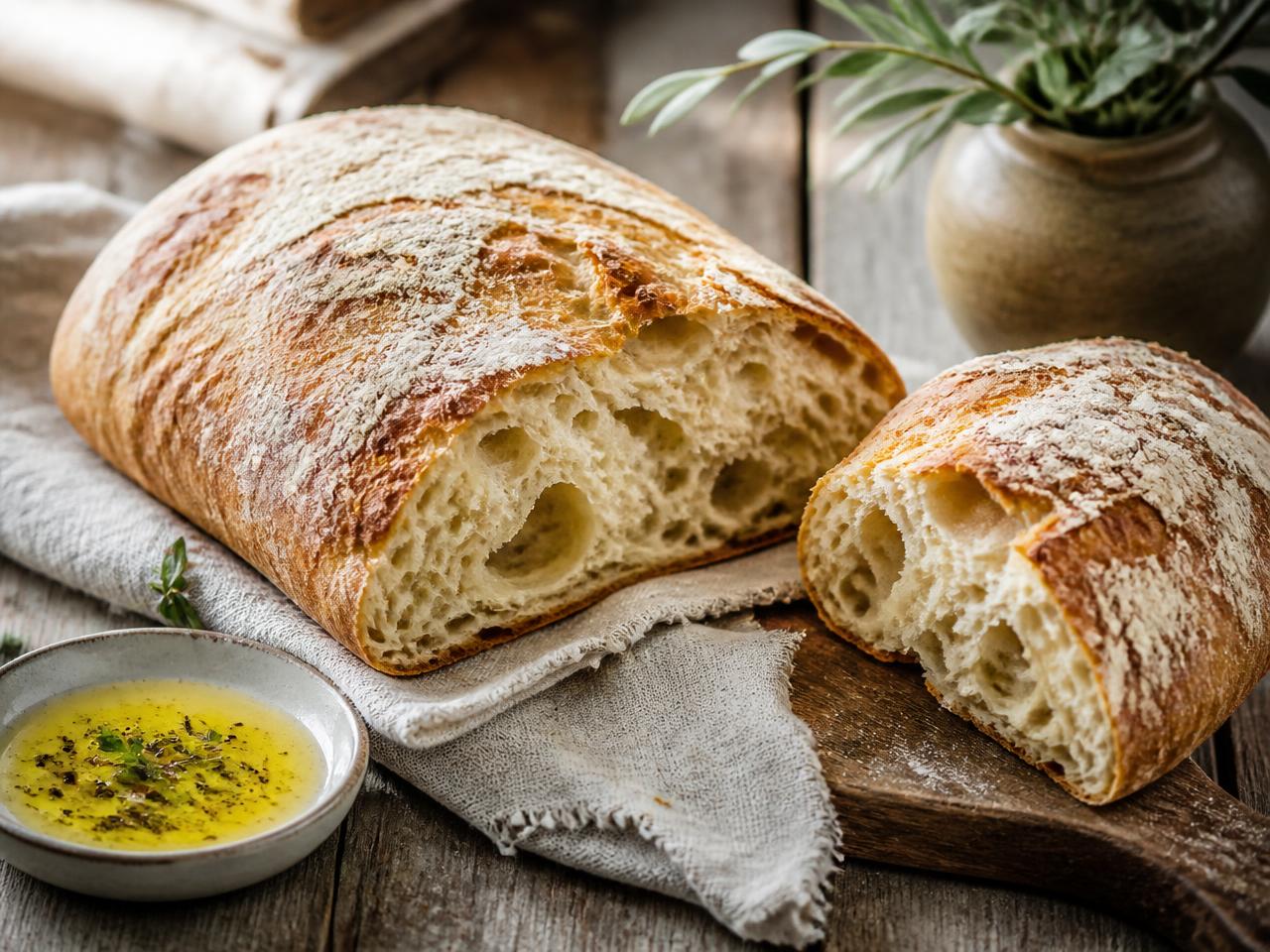
Make the ciabatta too.
An overnight biga does the flavour, and a dough far wetter than feels sensible does the crumb. Cut it thick, brush it with olive oil, char it on a griddle, and let it drink up all that peri-peri sauce.
Game-changer night
Japanese katsu curry night — with karaoke.
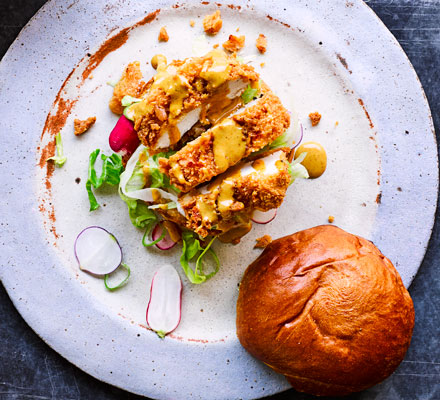
The main event
This is the night that changed the fried chicken game in my kitchen. Rosie Birkett's Japanese katsu curry burger from BBC Good Food — panko-crisp chicken, katsu curry mayo, brioche buns, and the slaw that makes people gasp. Better than any takeaway. Sushi can take a seat.
On the table: the burger, the slaw, a pile of edamame with flaky salt, a bowl of pickled ginger, and cold Asahi in frosted glasses. Ice-cream mochi for pudding.
And then — karaoke. The mics come out the moment the last plate is cleared. Whitney, The Weeknd, KC & JoJo, one obligatory Bocelli for the encore. Nobody is allowed to sit down. Nobody wants to.
Read the katsu burger recipe →A note on karaoke
Karaoke is non-negotiable on Japanese night. Set the mics up before anyone arrives — two on stands, one wireless for the roamer. Playlist queued but the songbook out for requests. House rule: if you pick it, you sing it. The shy ones always end up leading the encore.
Game-changer night
Korean gochujang night — with K-pop.
The main event
I have never been to South Korea — but between the Food Channel and my growing pile of tested recipes, I have arrived at what I now consider the best fried-chicken-adjacent dinner on the planet. Sticky, glossy, spicy, deeply flavoured gochujang spatchcock chicken, a spicy Korean slaw, and soft blistered flatbreads for tearing and wrapping.
The chicken comes from Tom Kerridge at BBC Good Food — a magnificent British chef, the man behind the only two-Michelin-starred pub in the world, and my in-house teacher of spatchcocking. He has a resident column in the magazine and I read every word. The slaw is from My Korean Kitchen — thank you Sue, for the recipe that turns cabbage into fireworks. And the flatbreads are Chef Nagi — Nagi Maehashi from Australia, the food writer behind RecipeTin Eats, whose no-nonsense, absurdly reliable recipes have quietly become the backbone of home cooks all over the world. A little bio on the woman: she left corporate finance to feed people, tests every recipe until it is bulletproof, and donates the proceeds of her cookbooks to feed Australians in need. She is a giant.
And then — K-pop. A K-pop mix on in the background from the moment guests arrive: BLACKPINK, BTS, NewJeans, TWICE, a bit of Stray Kids for the encore. Nobody sits still. Chopsticks in one hand, a soju spritz in the other.
Read the gochujang chicken recipe →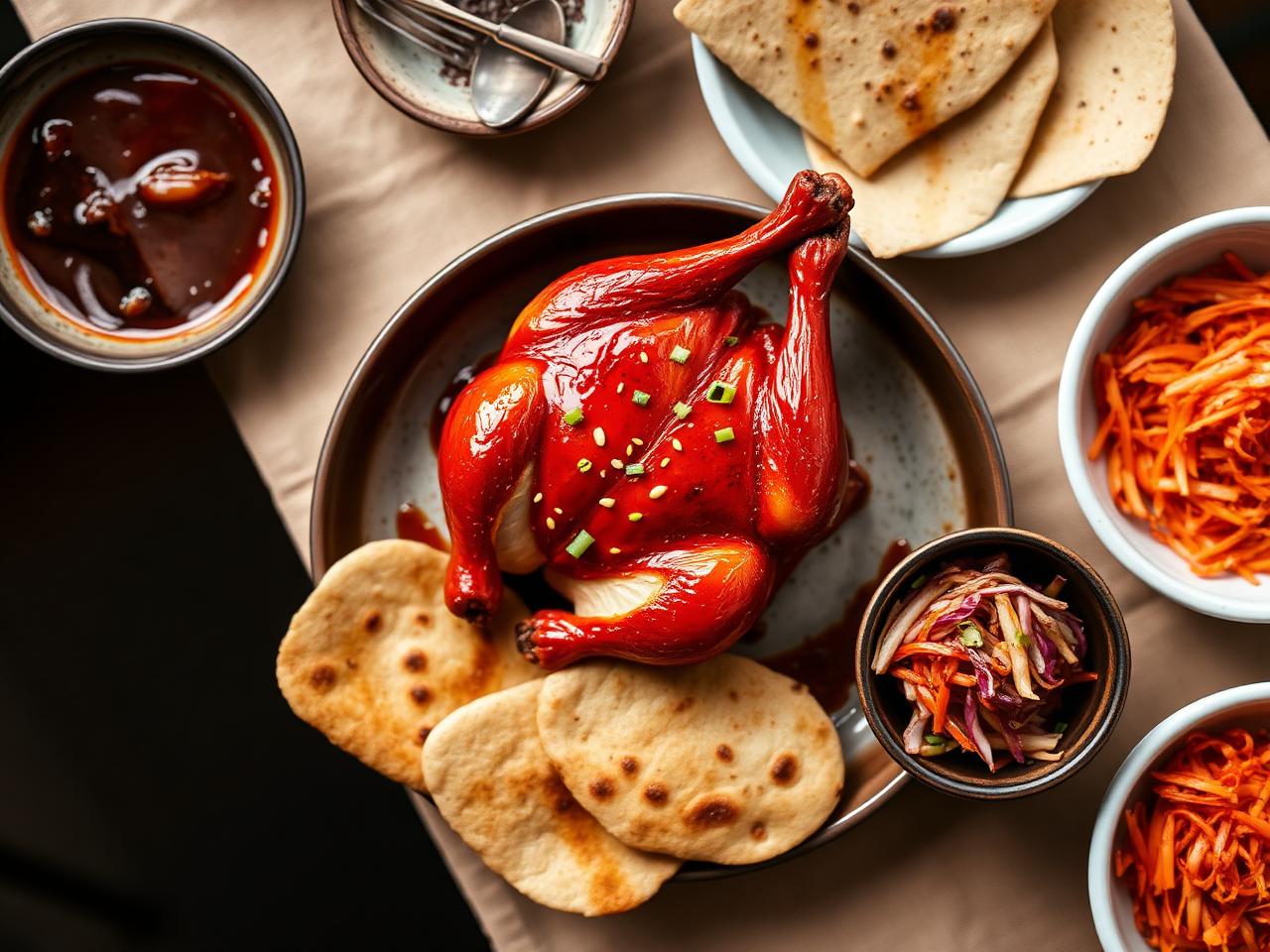
A note on Tom Kerridge
Tom Kerridge is one of the great British chefs of his generation — chef-patron of The Hand & Flowers in Marlow (the world's only two-Michelin-starred pub), of The Coach, The Butcher's Tap, and Kerridge's Bar & Grill at the Corinthia. Television regular, cookbook writer, and a resident voice at BBC Good Food. His recipes work — because he cooks the way real people cook, only better. This chicken is a love letter to him. Thank you, Chef.
Good Friday & Easter Sunday
An Easter menu — the year Woolworths Taste changed everything.
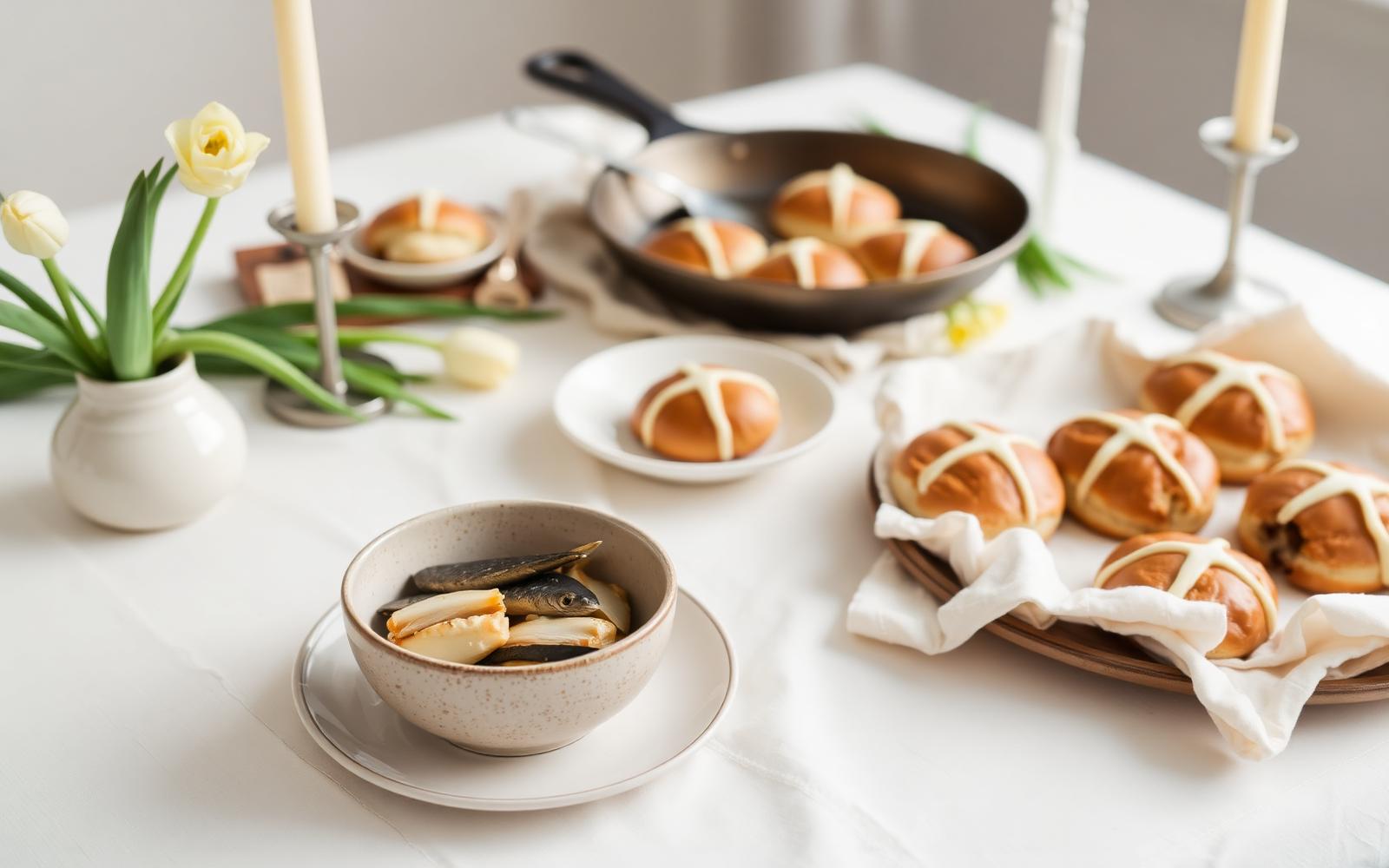
I am Catholic, and Easter in our house has its own quiet choreography. Good Friday is fish — and fish-adjacent — because it always has been, and because my grandmother would die if it weren't. Easter Sunday is lamb. Both weekends live or die on pickled fish and hot cross buns.
The Woolworths Taste magazine from Easter 2025 was, hand on heart, the best Easter issue I have ever cooked from. Every dish below is from those pages — with a nod to the chefs who wrote them, and to the Woolworths food team who put the whole thing together.
Come closer — let my curious spirit take you there.
A thank-you
To Woolworths South Africa and the team behind Taste magazine — thank you for the Easter 2025 issue. It set the table for a whole weekend of cooking, and it will do so again. And thank you to Mogau Seshoene (@lazymakoti) and Hannah Lewry for the two recipes I now cannot imagine Easter without.
Good Friday — the fish table
Fish, and fish-adjacent.
A long lunch of skillets and platters — pickled fish made two days ahead, one big pan of hake and prawns in the middle of the table, a fiery peri-peri seafood pan for the brave, and warm hot cross buns torn open for whoever wants one.
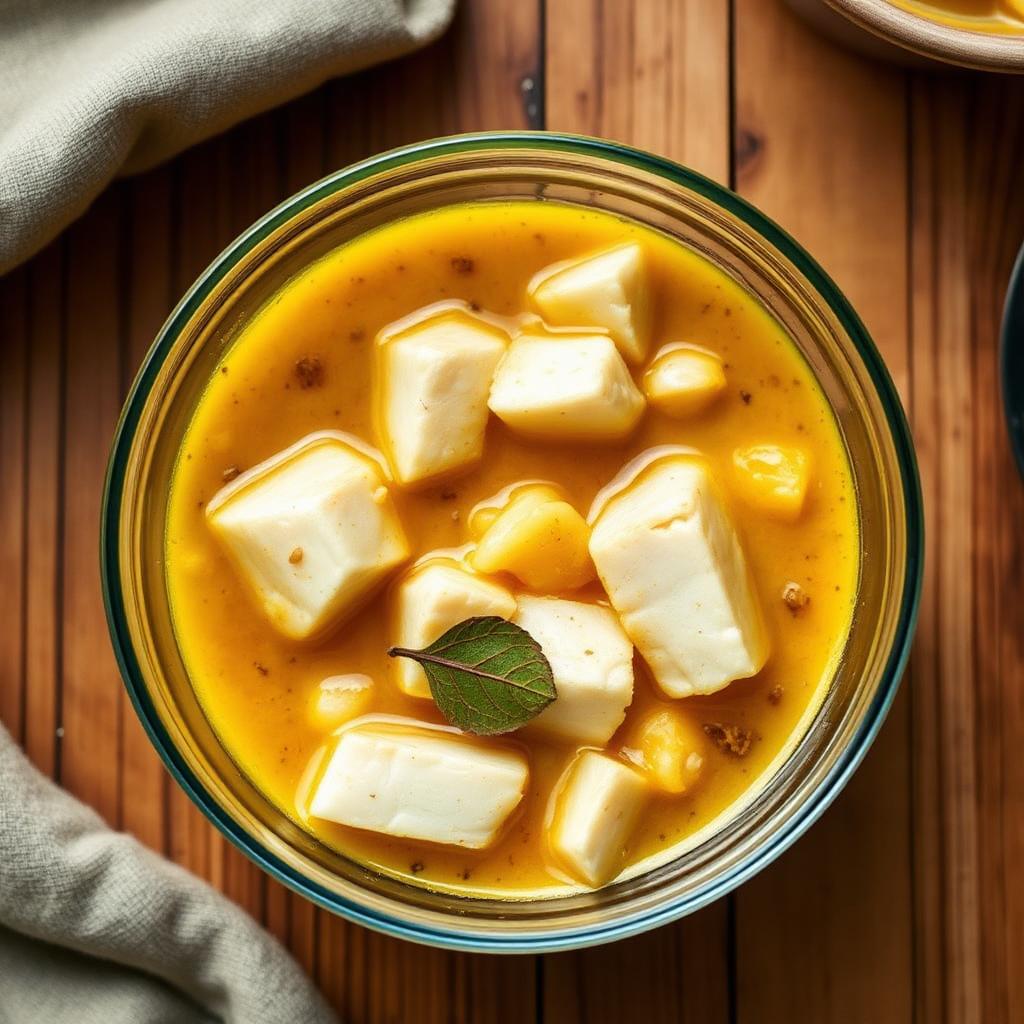
Make 2 days ahead · Serves 8
Cape Malay pickled fish
The Good Friday non-negotiable
Read the recipe →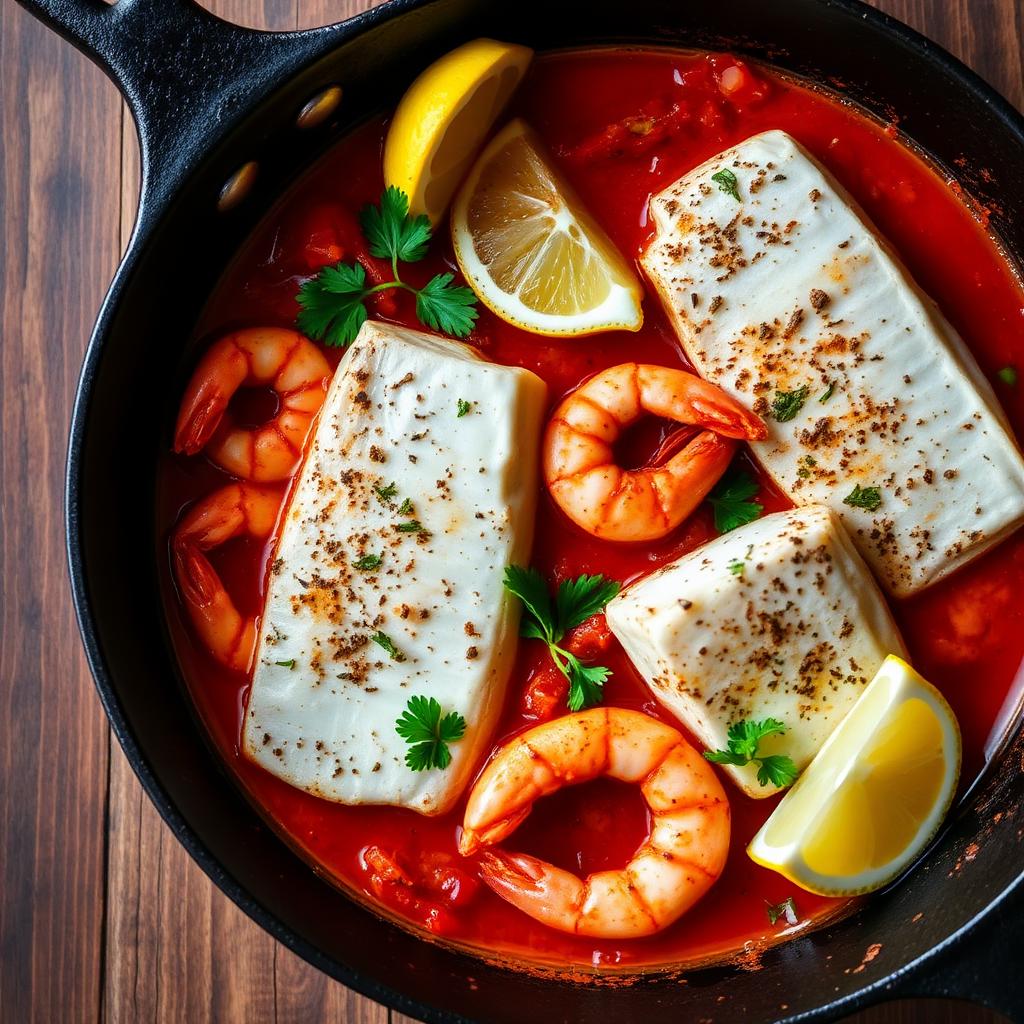
40 min · Serves 4
Hake & prawn skillet
Woolworths Taste 2025
Read the recipe →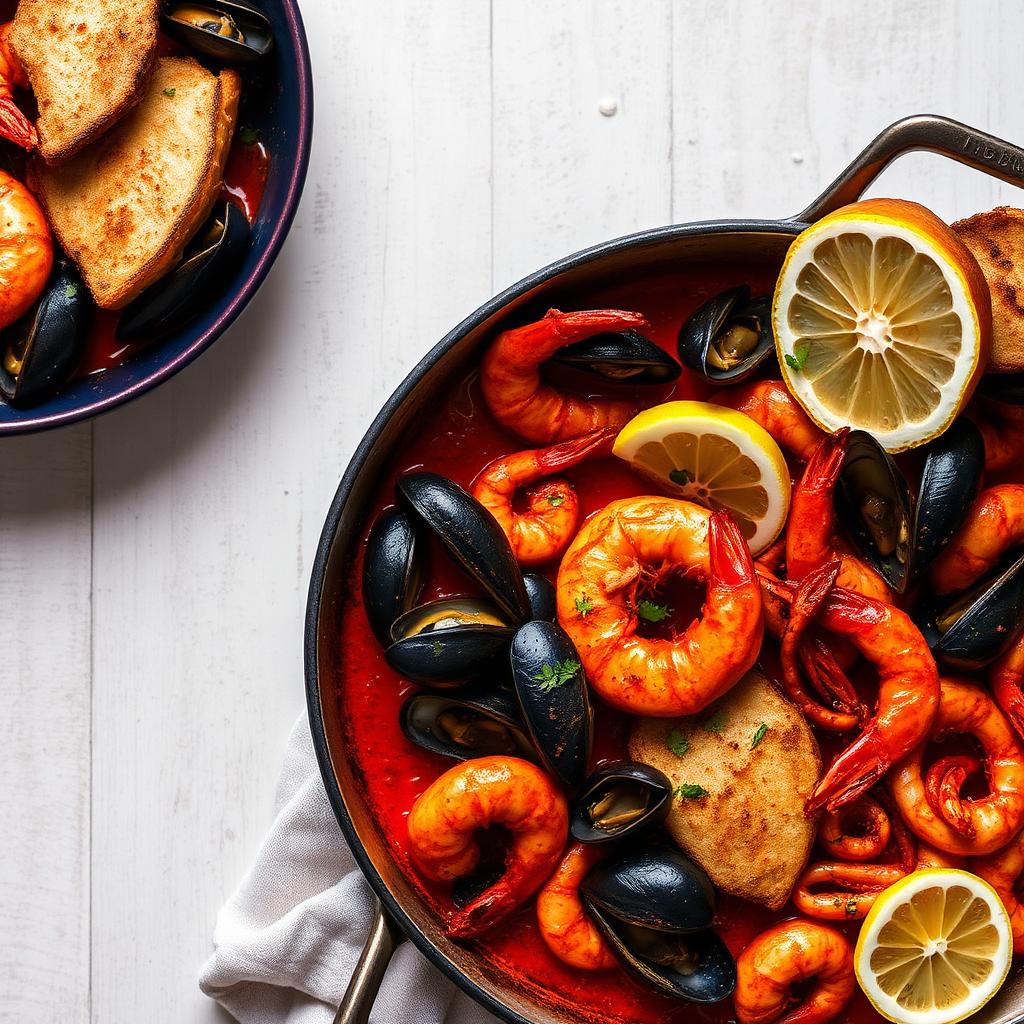
45 min · Serves 4–6
Peri-peri oven-roasted seafood skillet
Hannah Lewry — Woolworths Taste
Read the recipe →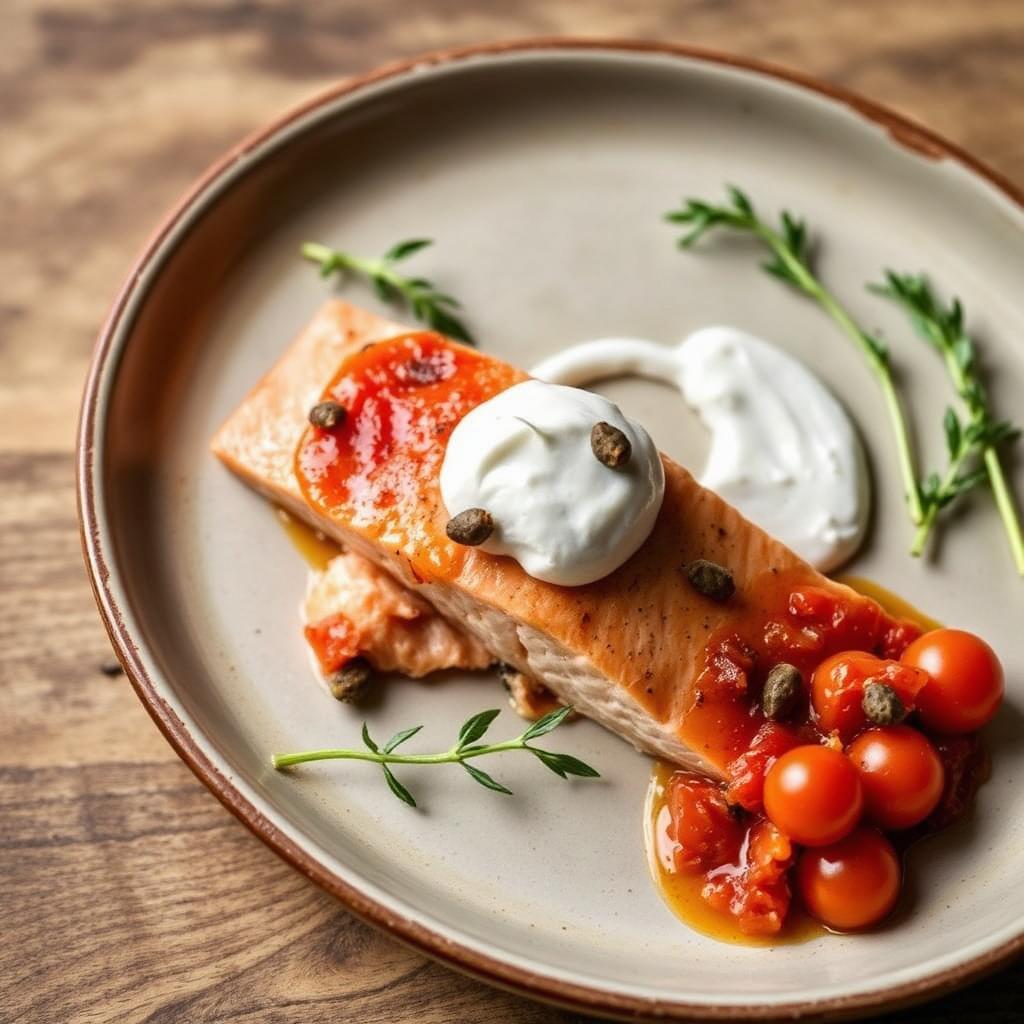
35 min · Serves 4
Salmon with confit tomato, crispy capers & crème fraîche
Woolworths Taste 2025
Read the recipe →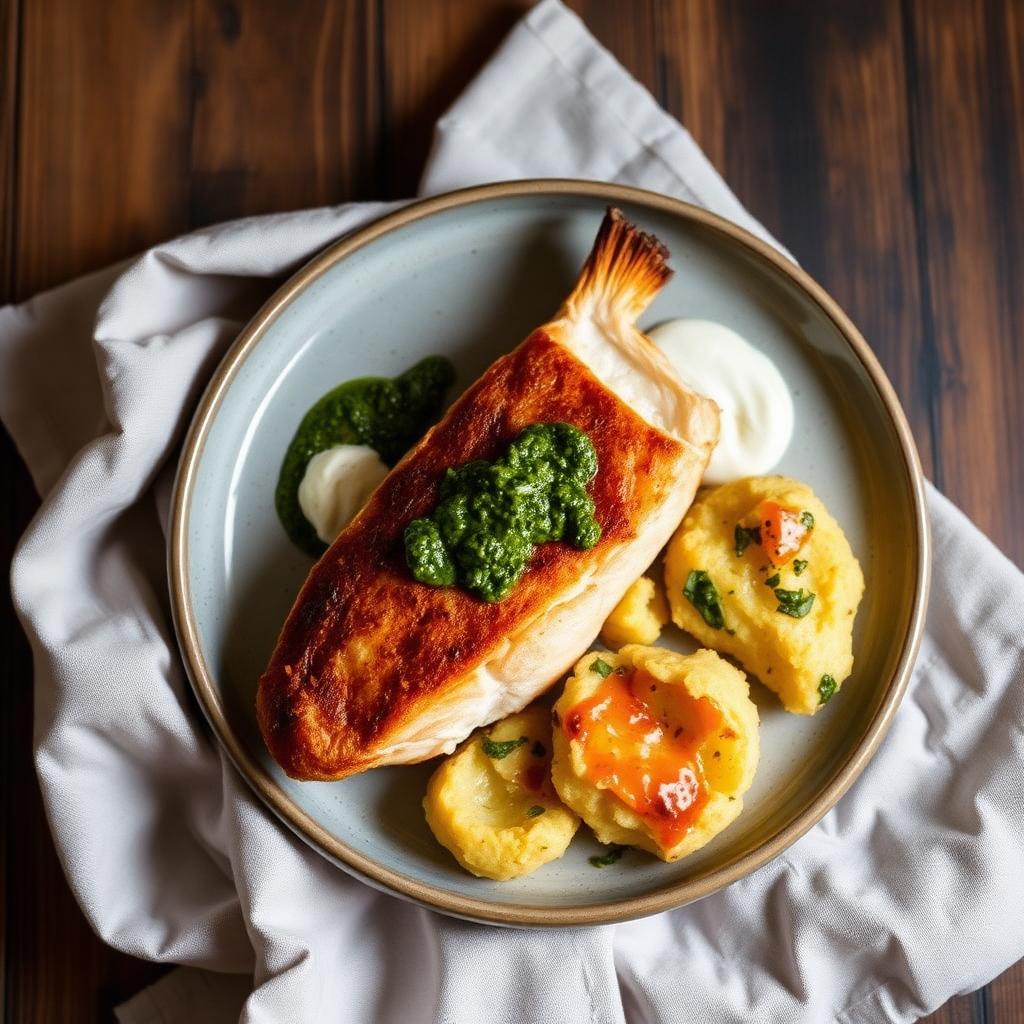
50 min · Serves 4
Harissa-battered hake, chimichurri & smashed potatoes
Woolworths Taste 2025
Read the recipe →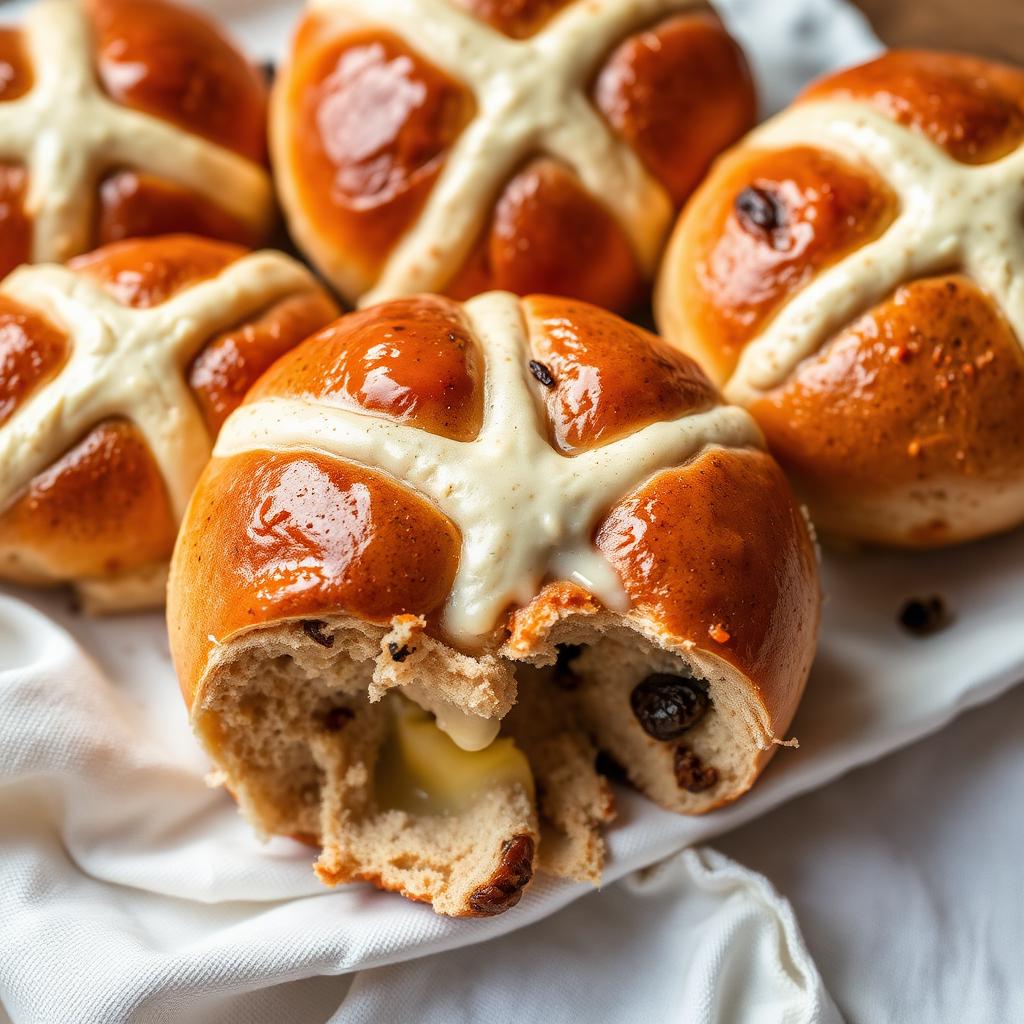
3½ hrs · Makes 12
The best spiced hot cross buns
In the spirit of Woolworths SA
Read the recipe →Easter Sunday — the lamb table
Lamb, spice, and a cocktail that almost killed everyone.
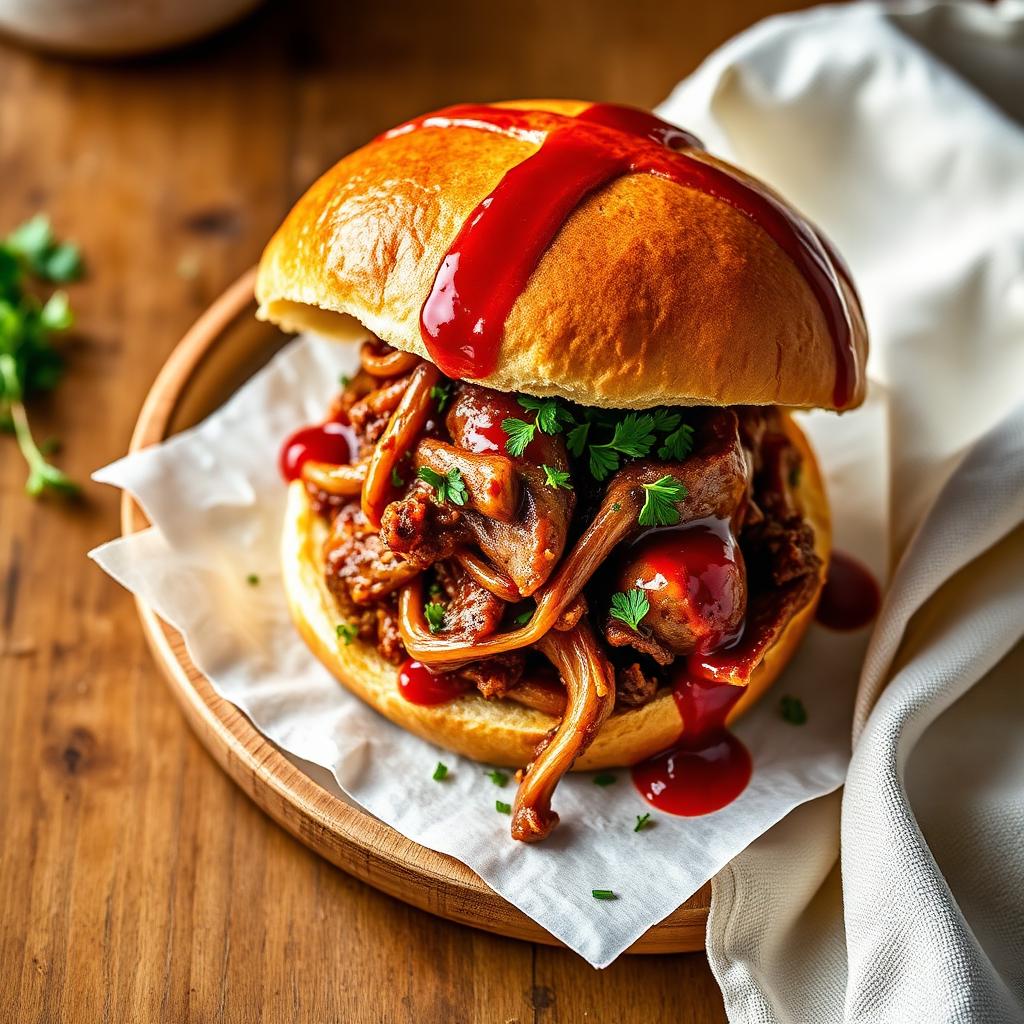
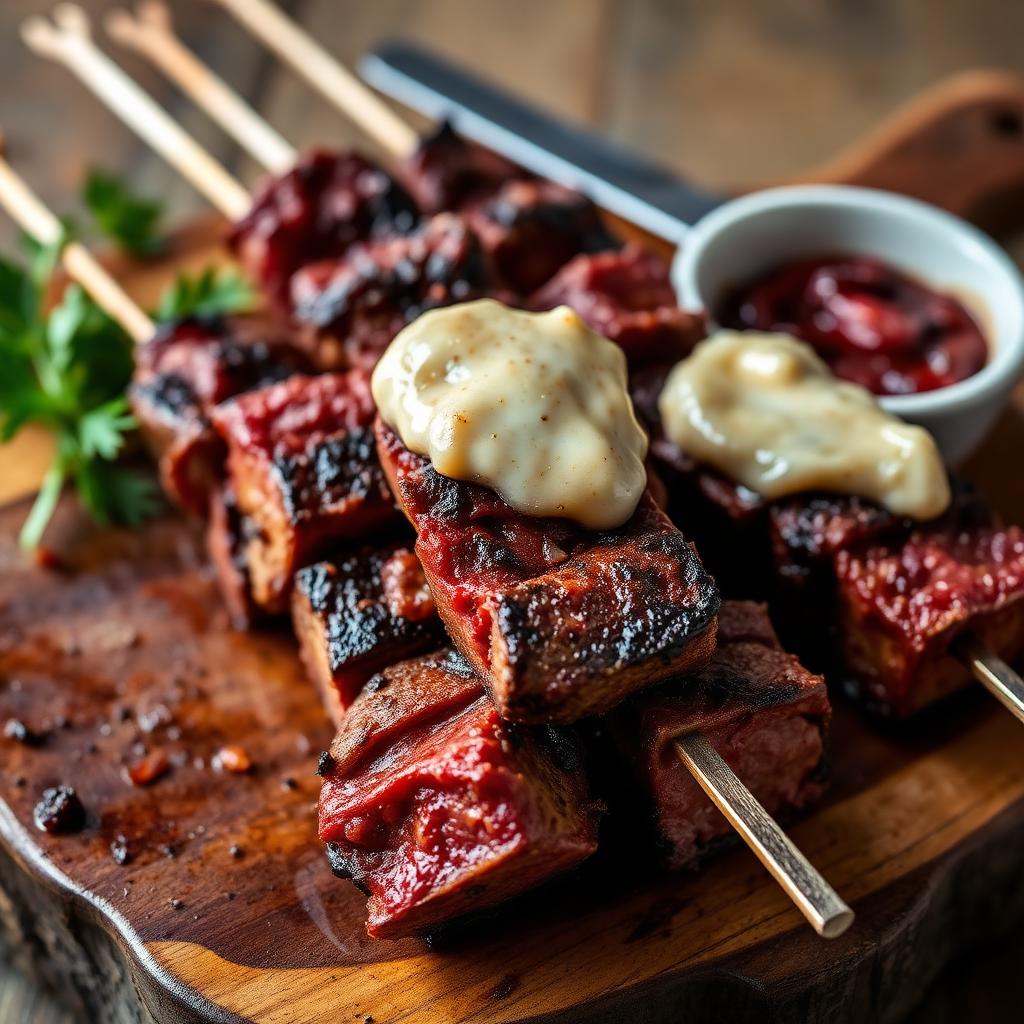
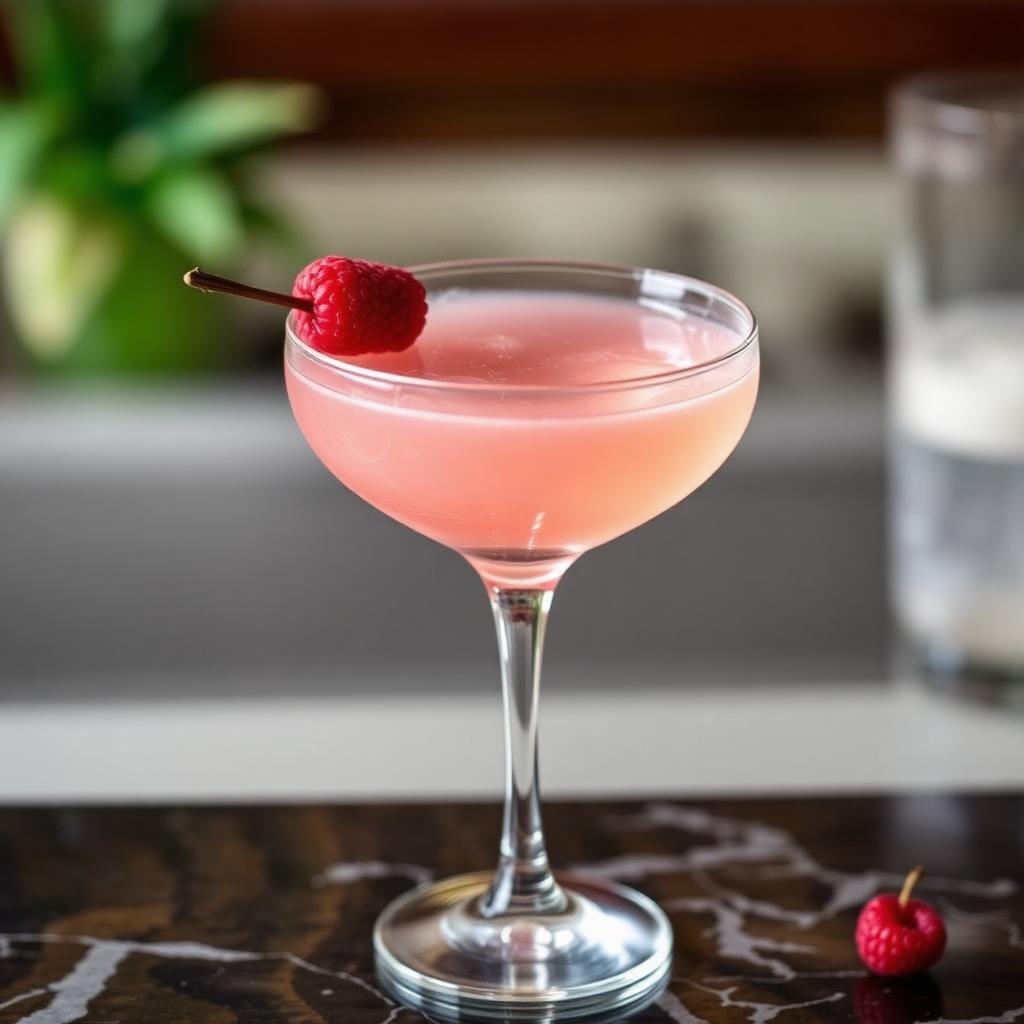
Sunday shifts gears — Mogau Seshoene's pulled gochujang lamb piled into split hot cross buns is my new tradition, a dry-spiced rump espetada with horseradish and sun-dried tomato butter for the meat-lovers, and Flirtinis in coupes because Sex and the City told me to.
A note on Woolworths Taste — Easter 2025
Woolworths Taste is the food magazine that quietly runs South African home cooking — thoughtful, beautifully shot, and reliably delicious. The Easter 2025 issue was a masterclass. Full credit to the magazine and to the chefs who contributed: Mogau Seshoene (@lazymakoti) for the gochujang lamb hot cross buns, Hannah Lewry for the peri-peri seafood skillet, and the Taste team for the hake and prawn skillet, the salmon with confit tomato, the harissa-battered hake, and the dry-spiced rump espetada. And a warm nod to Woolworths for making, in my honest opinion, the best spiced hot cross buns on the shelf.
A love letter to a magazine
BBC Good Food, October 2016.
When the days were lighter, easier, and my world made sense. The October 2016 edition of BBC Good Food is the one I keep coming back to — an entire autumn menu tucked between two covers. Cocktails for the fireside, a soup you'd walk home for, a chicken pie that reminds me of childhood, and a steamed pudding that makes a Sunday. Book club, pamper party, long lunch, quiet supper — it's all in there. Full credit and warmest thanks to the magazine and to the chefs below.
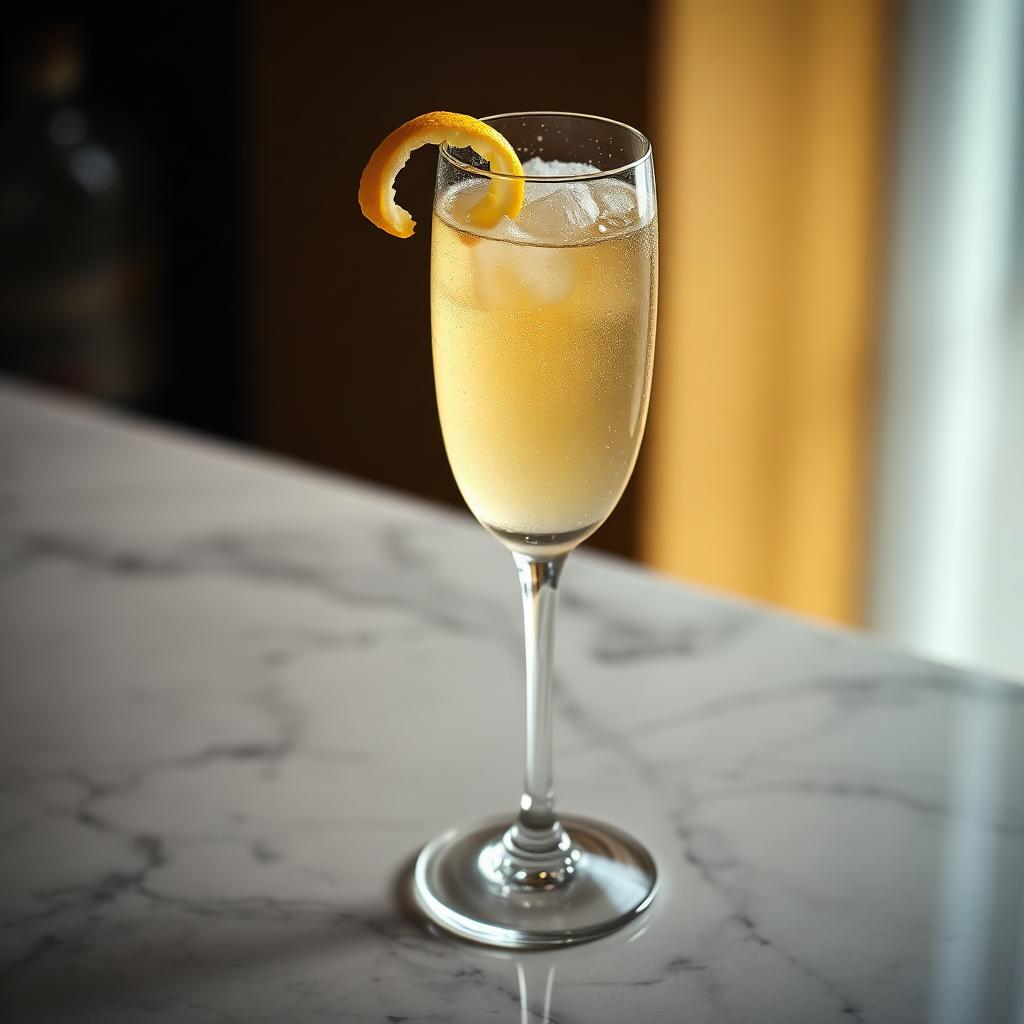
Welcome drink
French 75
A classic — a perfect start
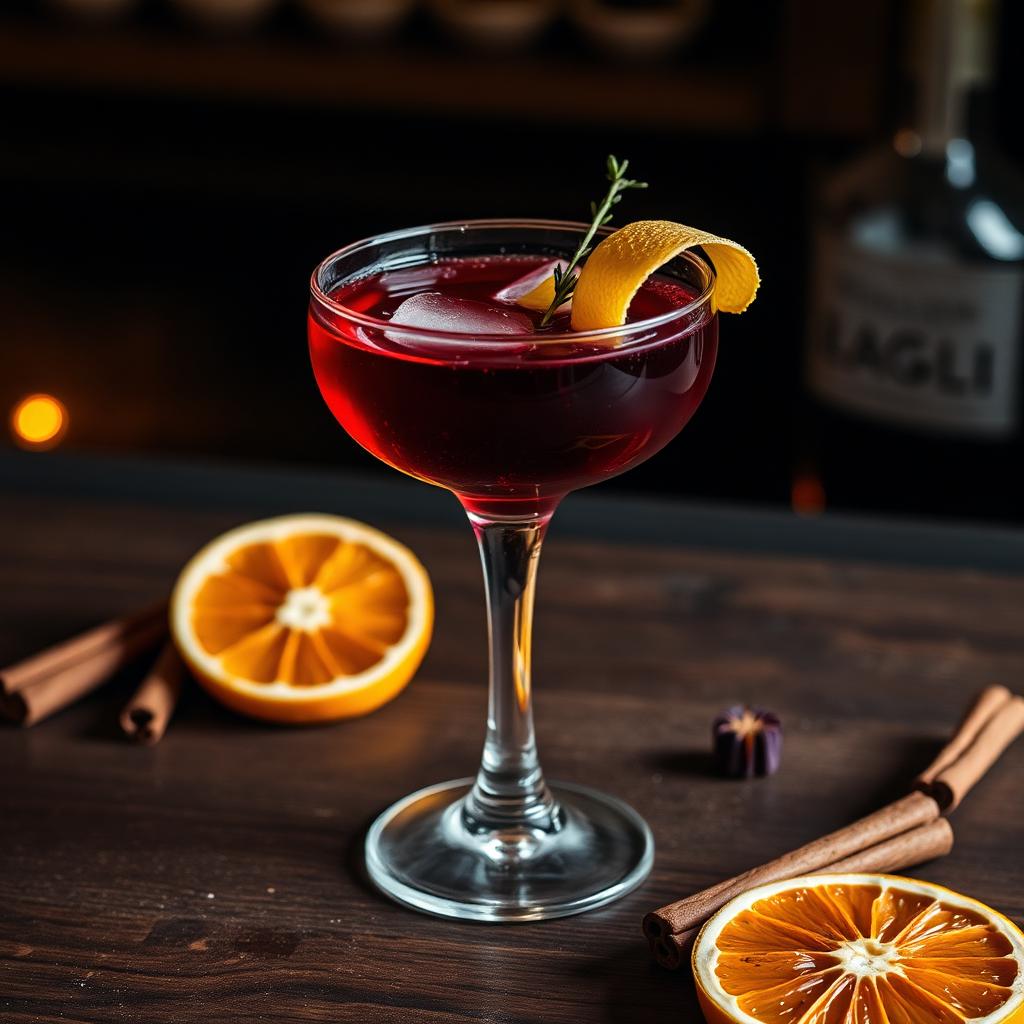
Autumn cocktail
Sloe gin cocktail
BBC Good Food, October 2016
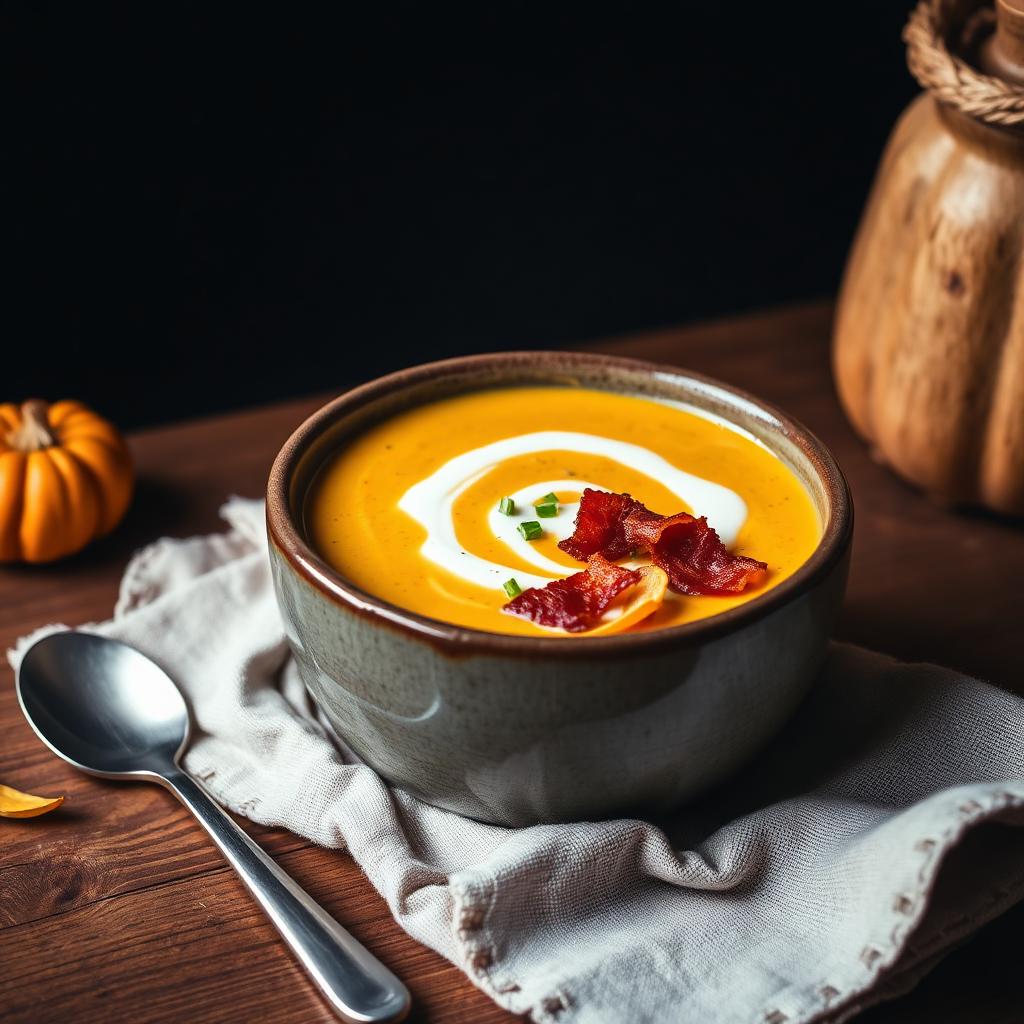
Starter
Pumpkin & bacon soup
Recipe by Tom Kerridge
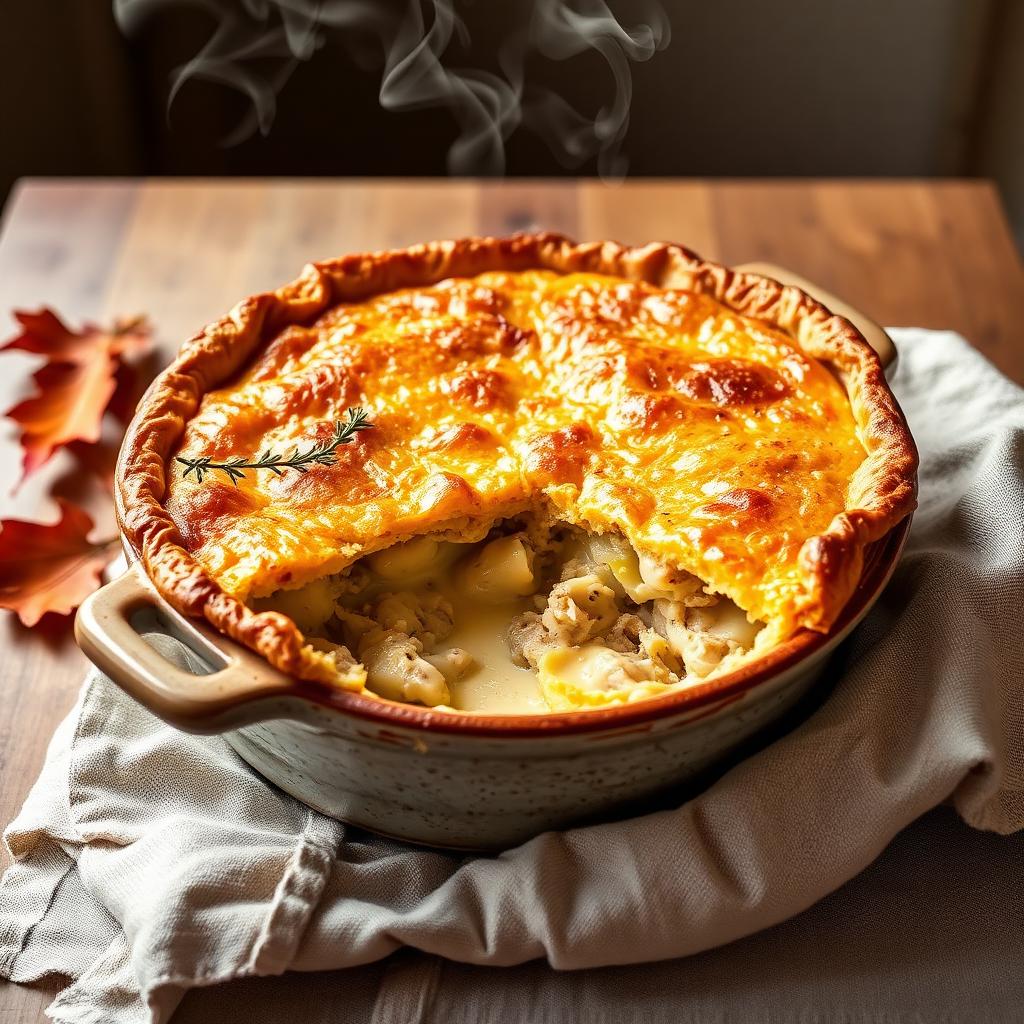
Main
Chicken, leek & cider pie
Recipe by Diana Henry
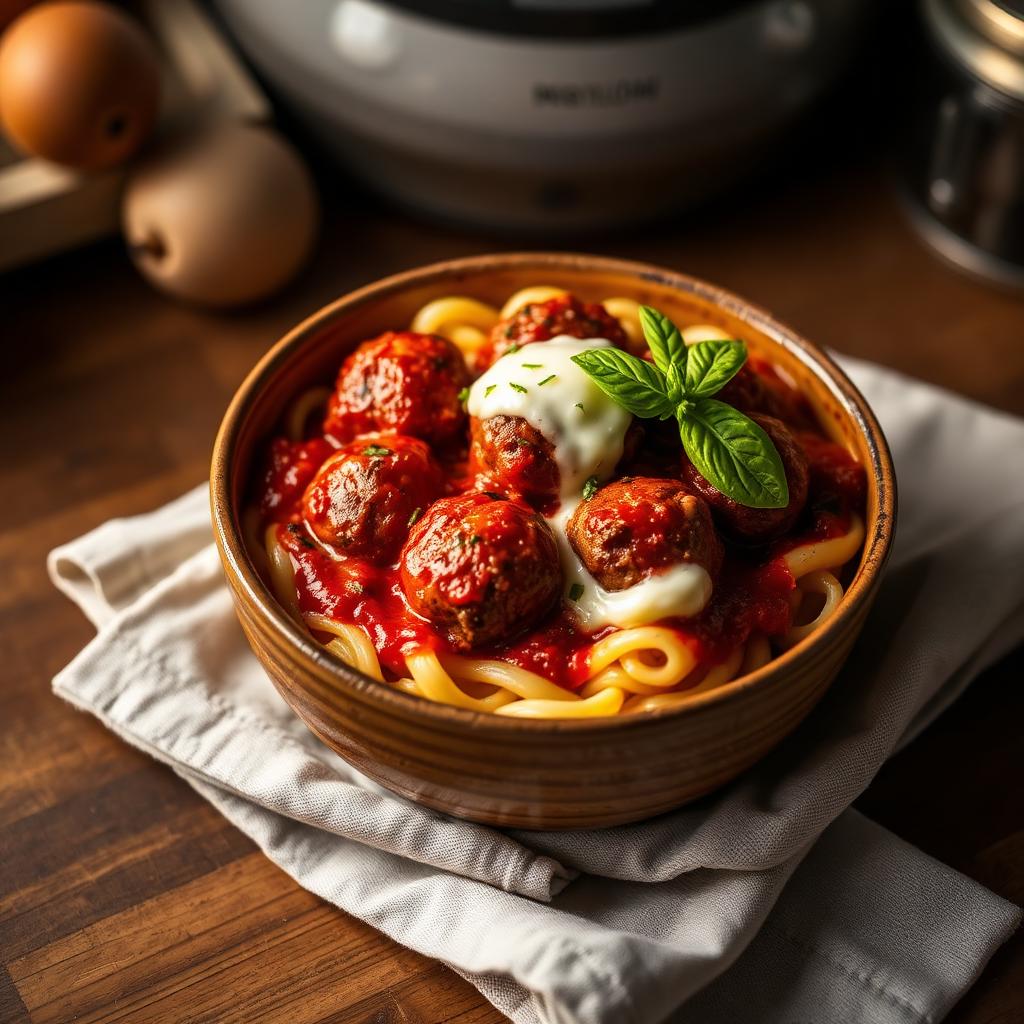
Weeknight hero
Melting meatballs with macaroni
Recipe by @cassiecooks
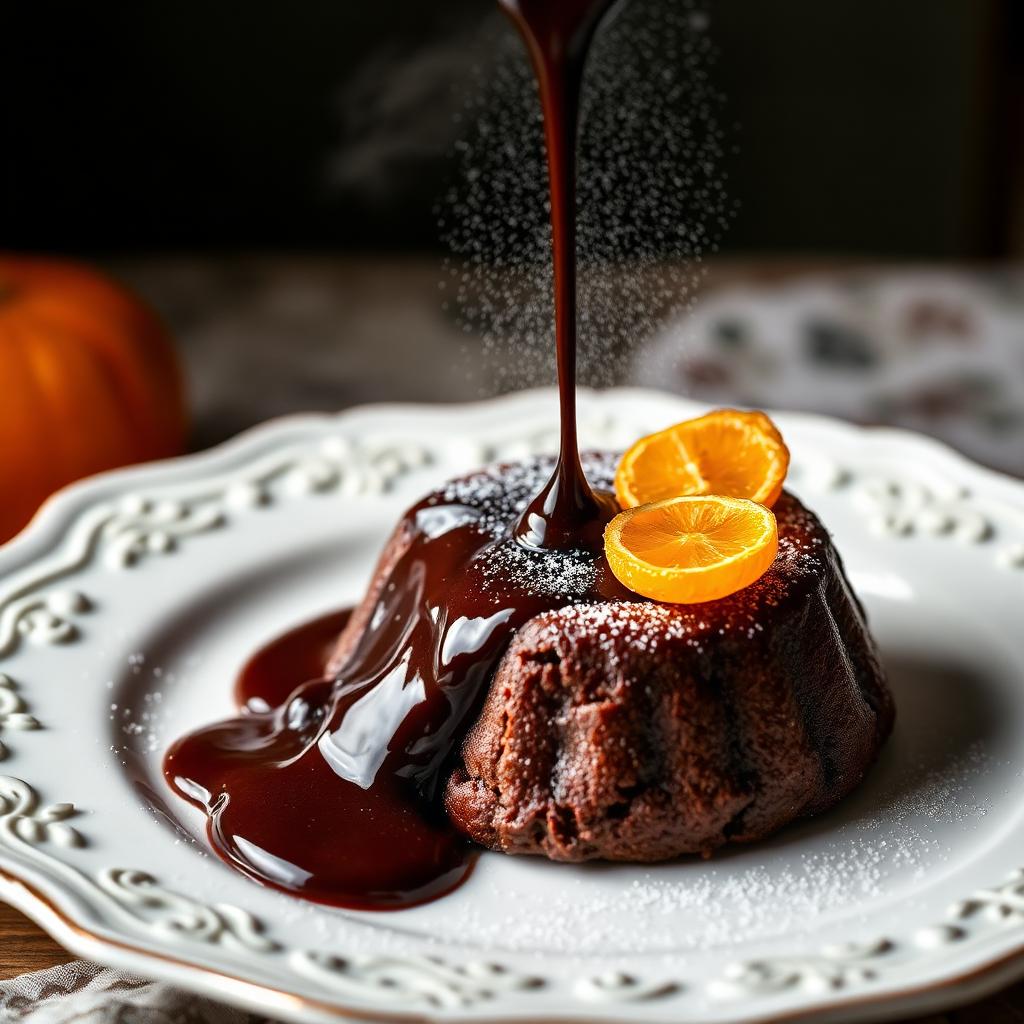
Sunday wow-dessert
Chocolate-orange steamed pudding
Recipe by Sara Buenfeld
With gratitude
A love letter to BBC Good Food — the magazine I've cooked from for over a decade — and to the chefs who made the October 2016 issue such a keeper: Tom Kerridge (two Michelin stars, The Hand & Flowers) for the pumpkin and bacon soup; Diana Henry, one of the most thoughtful food writers alive, for the chicken, leek and cider pie; Sara Buenfeld, a BBC Good Food test-kitchen legend, for the chocolate-orange steamed pudding; and @cassiecooks for the melting meatballs. The sloe gin cocktail and the French 75 round it off. Cook it all in one weekend — you won't be sorry.
Sunday roasts · First Sunday: chicken
Sunday is for roasts, right?
In South Africa we have 7 colours — seven different dishes, all different colours, for everyone at the table. I confess I've never eaten nor made a 7 colours spread (the authenticity of my heritage gets seriously questioned, and often). My gran always made chicken, and over the years I've evolved the way I make it. First Sunday of the month, this is the menu.
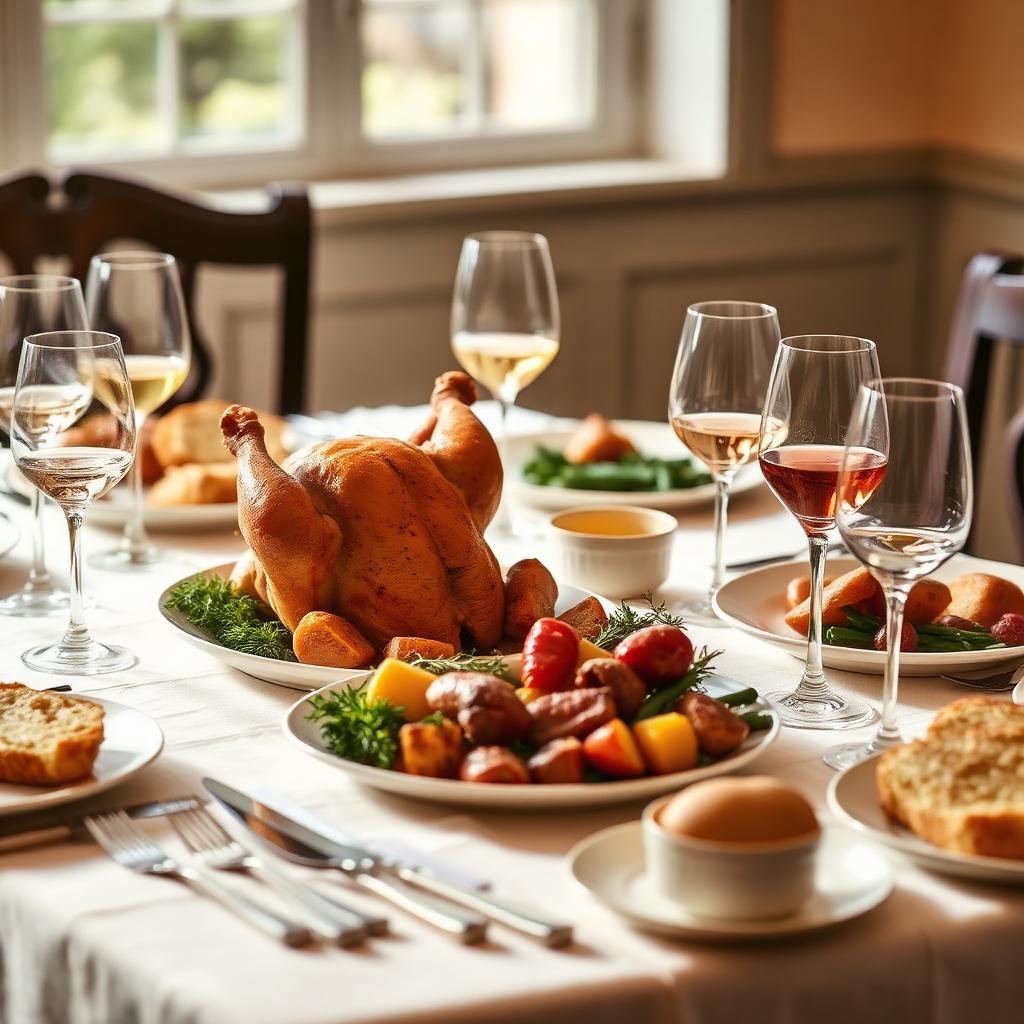
The fundamentals
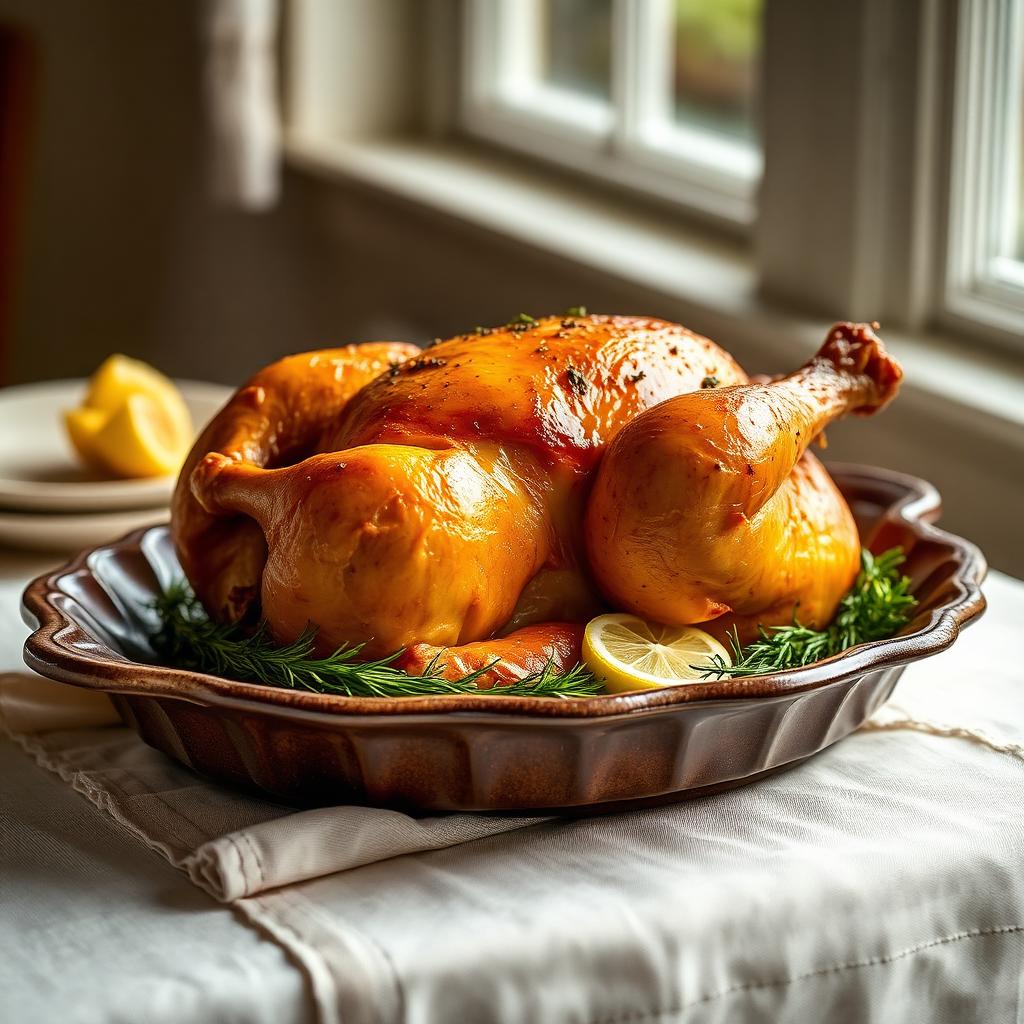
Separate the skin from the meat. Melt butter with rosemary and lemon rind. Rub it beneath the skin, push some into the legs too. Lemon and rosemary into the cavity. Truss the legs and tuck the wings. For the potatoes — boil first, rough them up in a steel colander, then into a pan of screaming hot duck fat. That's the whole game.
Chef Nagi Maehashi
The perfect roast chicken
Herb butter under the skin, lemon and rosemary in the cavity.
Read the recipe →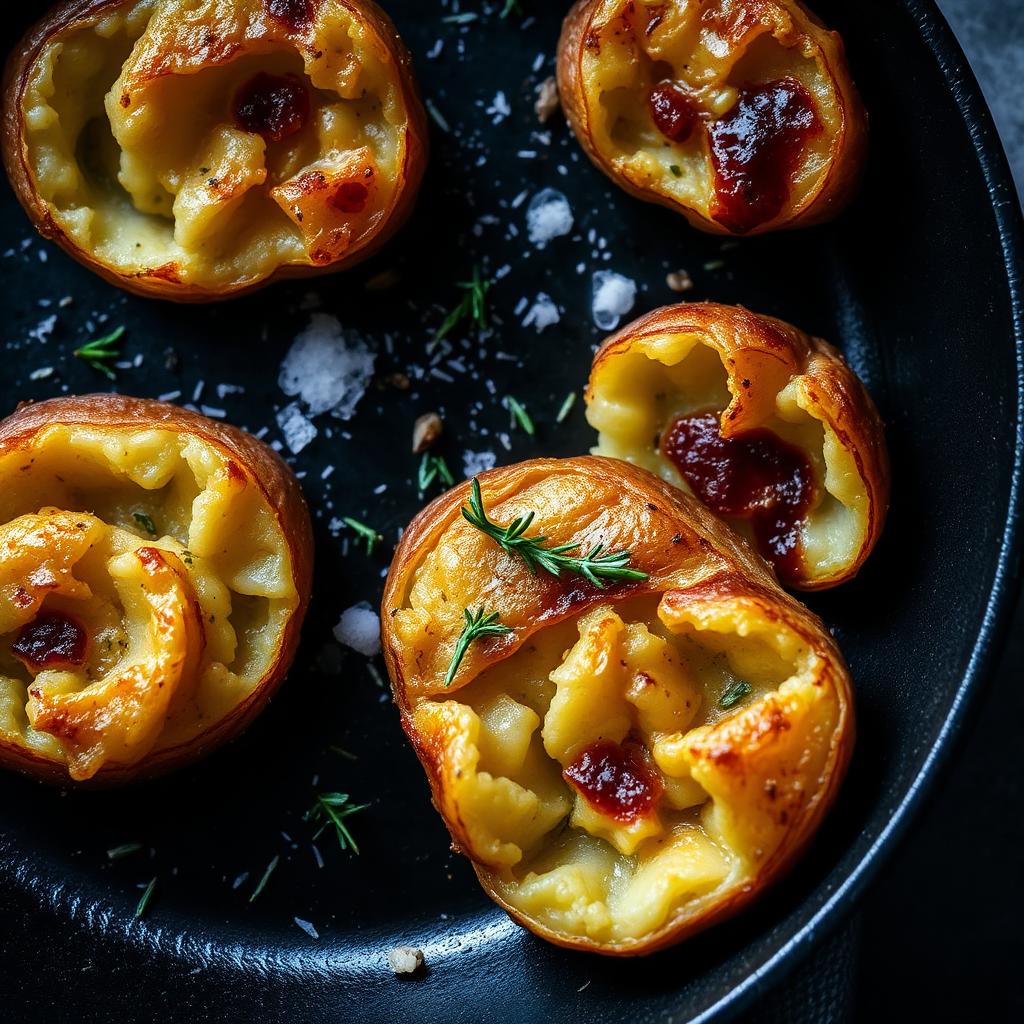
Method by Jamie Oliver
Duck fat roast potatoes
Boiled, roughed up, roasted in hot duck fat until shattering.
Read the recipe →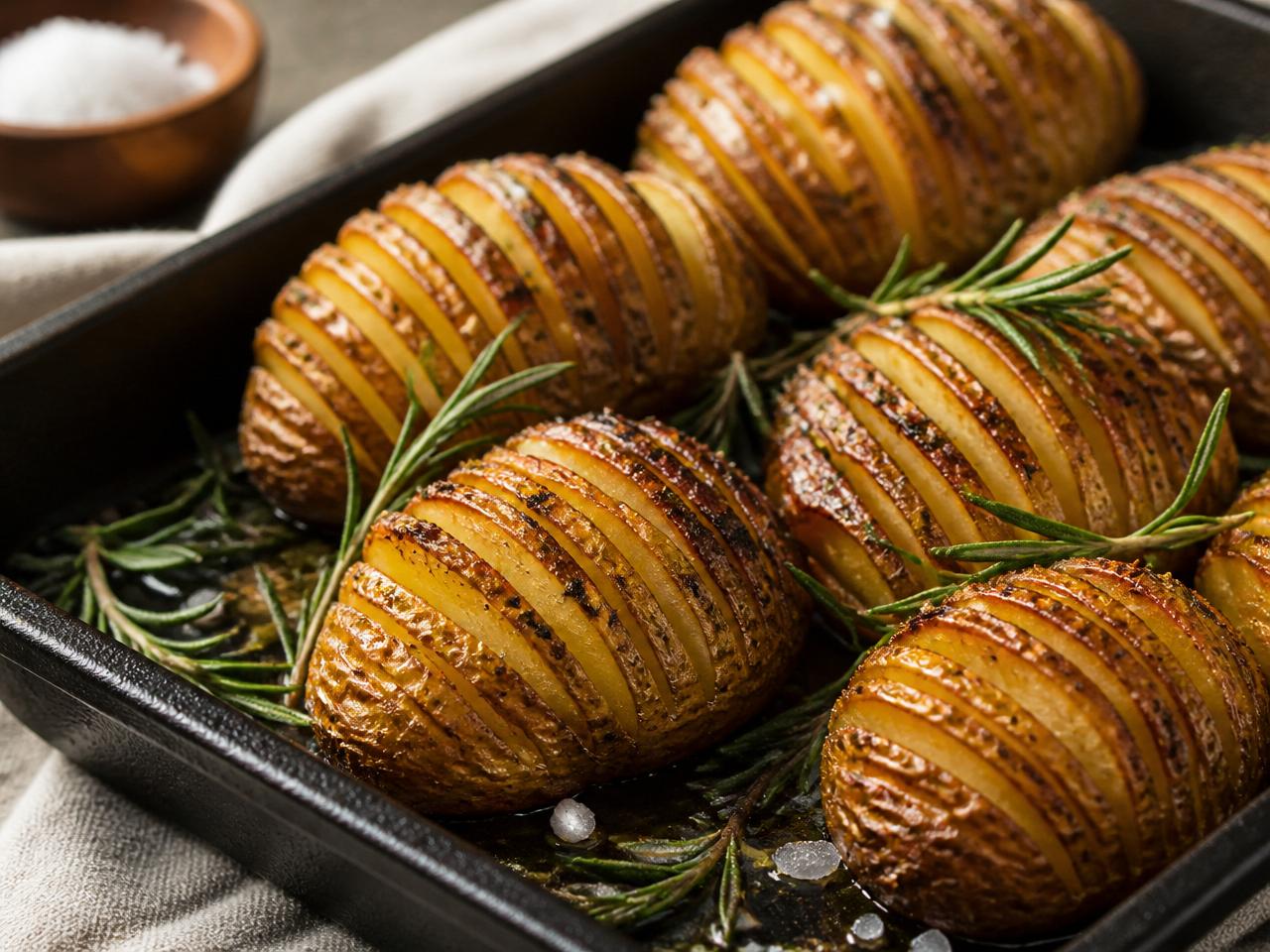
Piano potatoes — method by Chef Nagi, duck-fat twist by Cass
Hasselback potatoes with duck fat
Thinly sliced, fan-roasted and basted in duck fat until crisp-edged and creamy.
Read the recipe →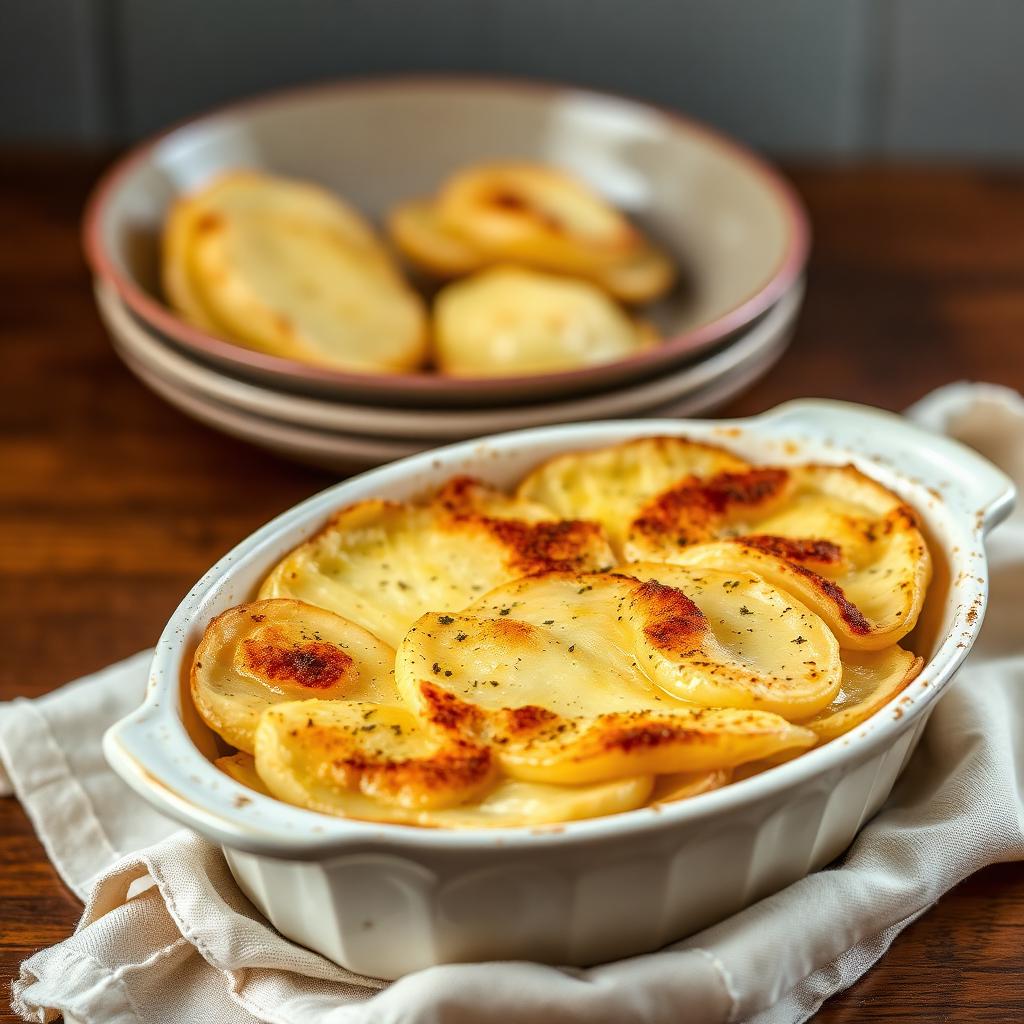
Chef Nagi Maehashi
Dauphinois potatoes
Wafer-thin slices baked in garlic cream. My new jam.
Read the recipe →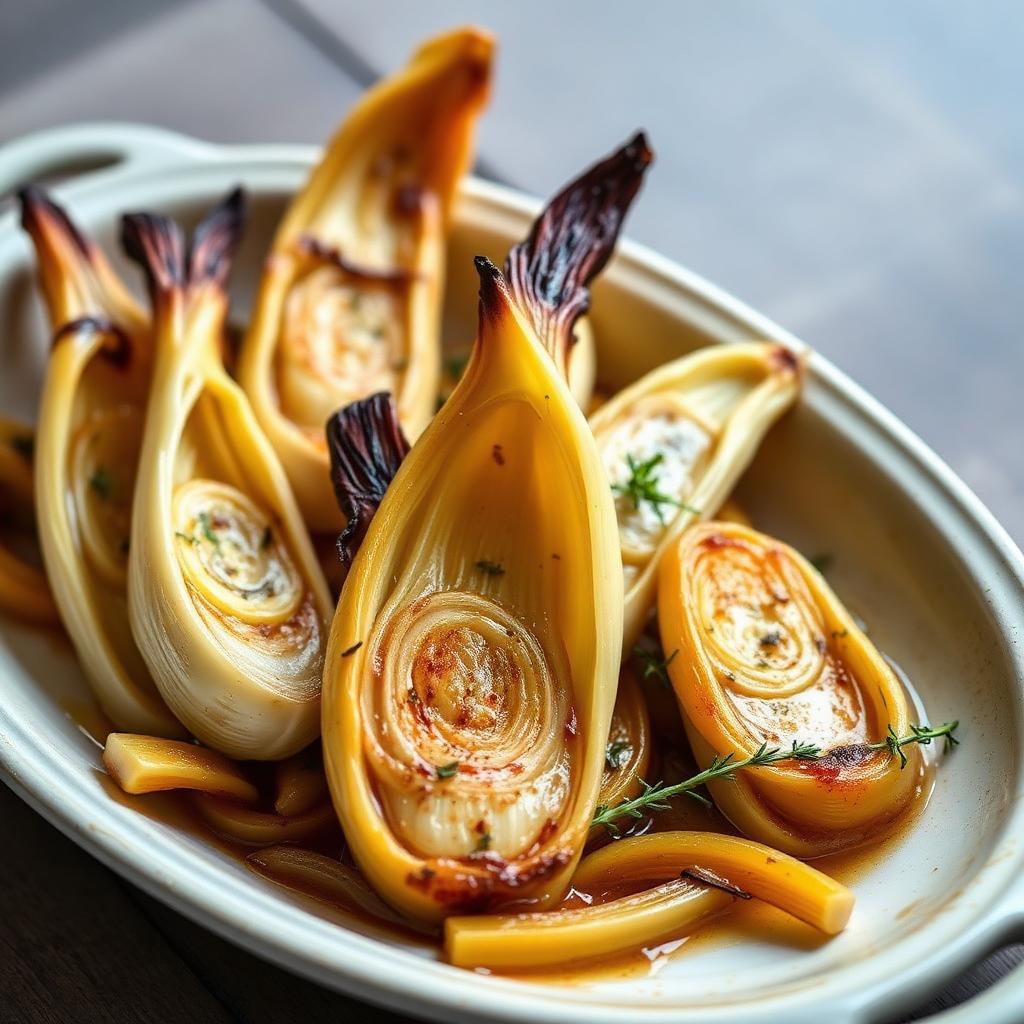
From my kitchen
Roasted fennel with leeks
Roasted low and slow until sweet and collapsed.
Read the recipe →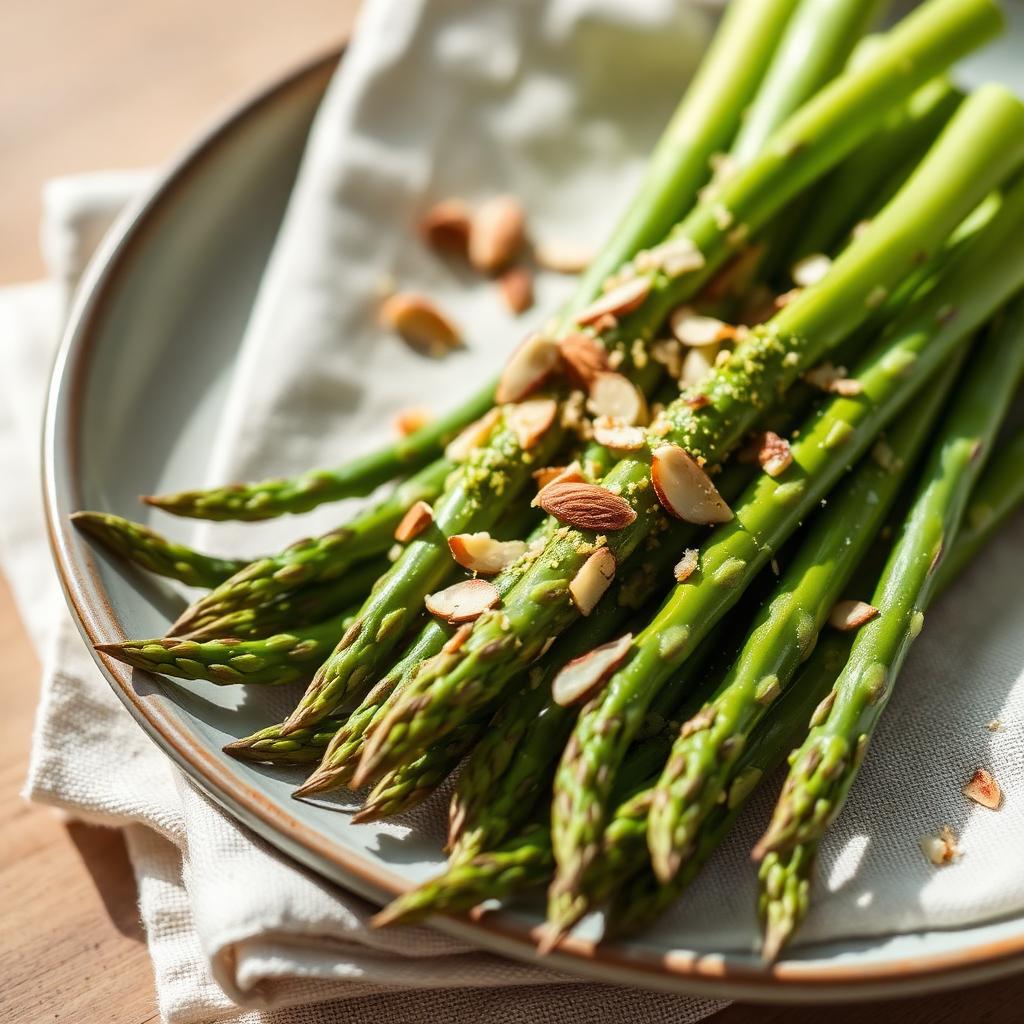
Almonds instead of pine nuts
Asparagus with almond pesto
Bright green, spooned with pesto, kind to the wallet.
Read the recipe →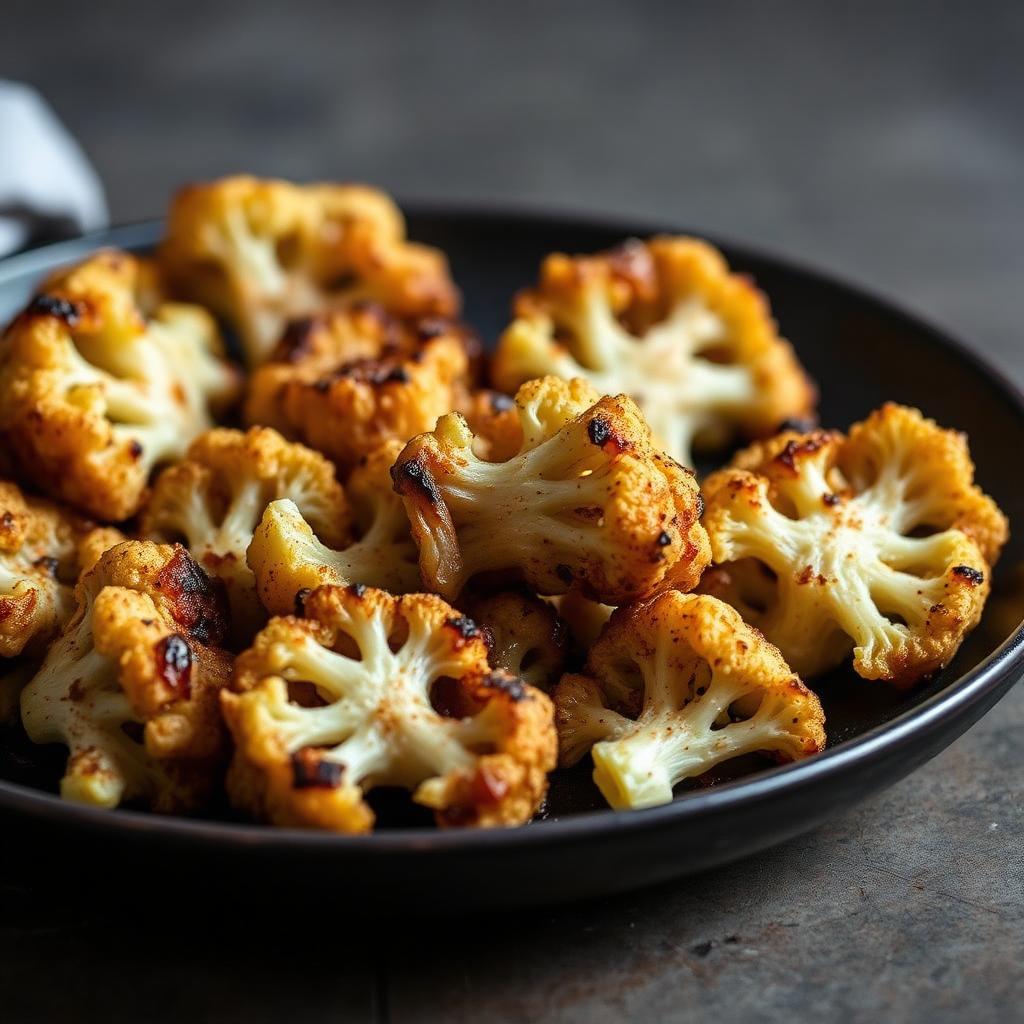
In the spirit of Nigella Lawson
Roasted cauliflower florets
Cumin, coriander, deep amber edges.
Read the recipe →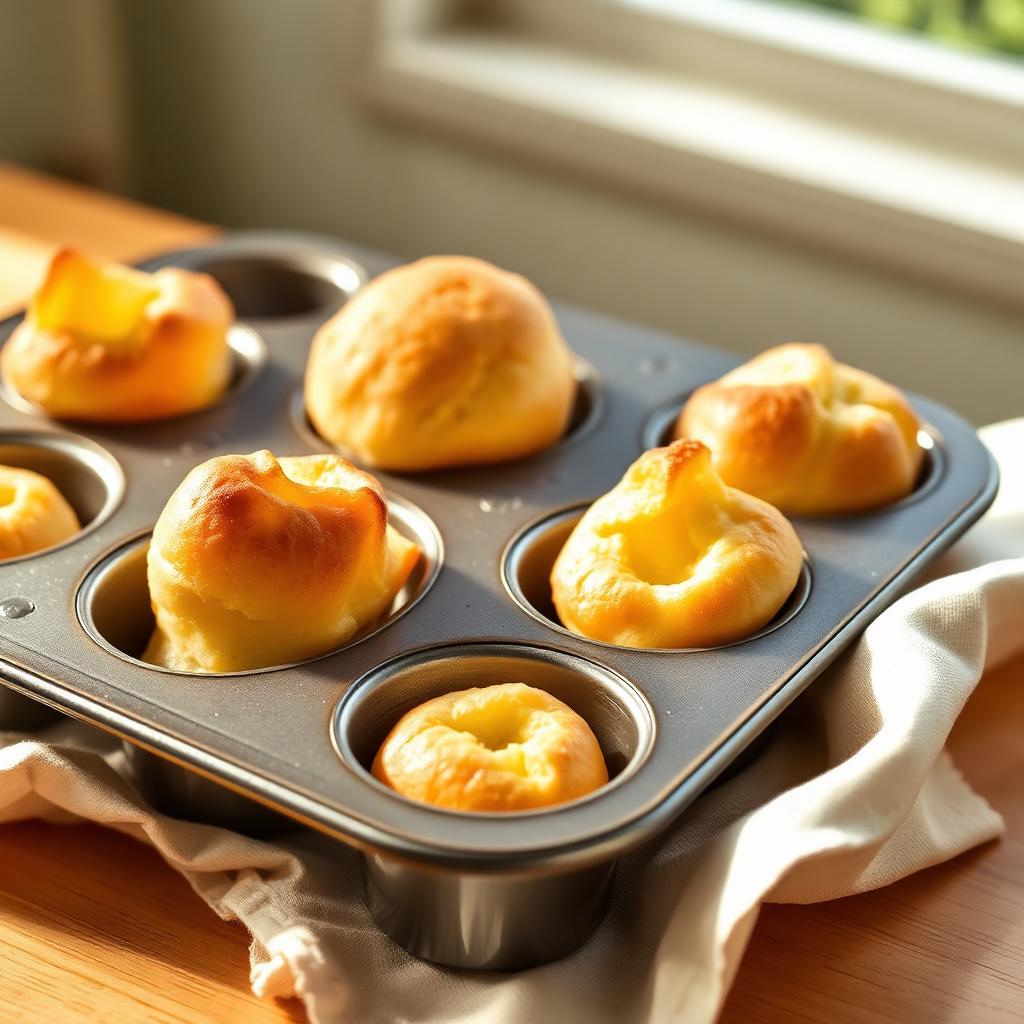
Method by Jamie Oliver
Yorkshire puddings
Cold batter, screaming-hot oil, closed door. Tall and crisp.
Read the recipe →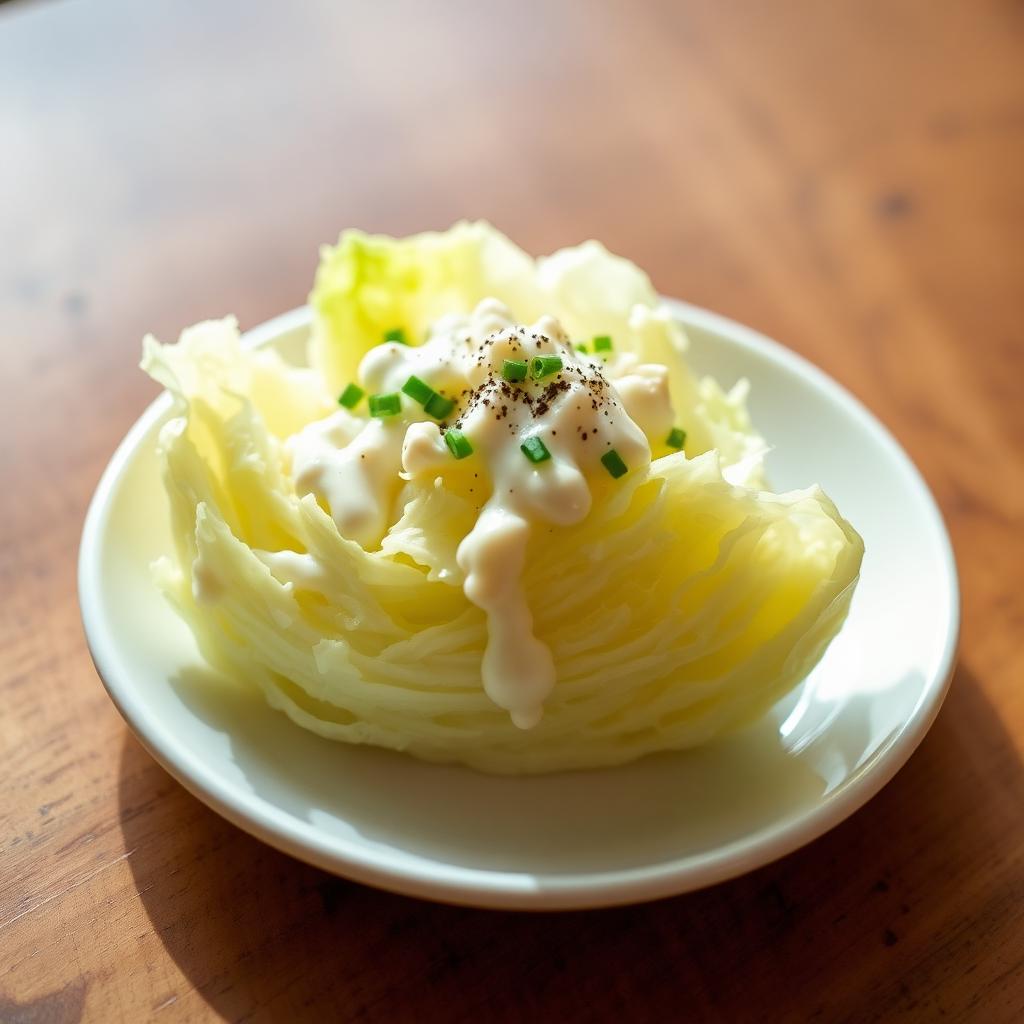
Recipe by Molly Baz
Little wedge salad
Iced iceberg under a river of sour cream dressing.
Read the recipe →With love and credit
Chicken and dauphinois from Chef Nagi Maehashi at RecipeTin Eats — the Australian home cook who has taught more of us than we can count. Roast potatoes and Yorkshire puddings from Jamie Oliver. Cauliflower in the spirit of Nigella Lawson. The wedge salad is Molly Baz's. Almond pesto and roasted fennel from my own kitchen — because sometimes pine nuts are just too much of an ask.
A love letter
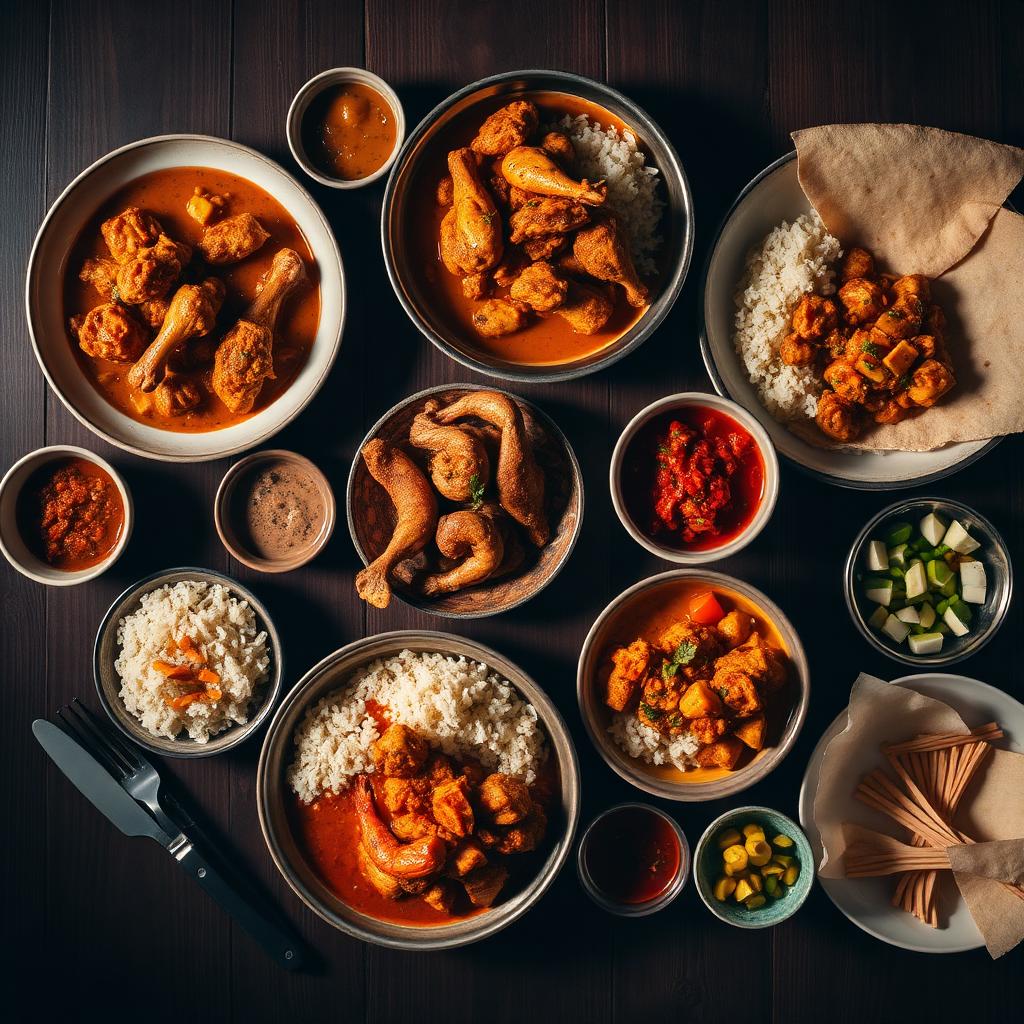
A nod to India — and the spice that made South Africa.
Today I'm making Chicken Madras with rice and peas, roti and every sambal you can name. The house is perfumed with cumin and curry leaves and my grandmother is somewhere in the kitchen with me, even though she isn't. Every Indian party I have ever thrown has a Durban curry, a Jamie Oliver tikka masala, a prawn curry, and — the one I love most — a crab curry with tamarind. I never bother with pudding. Indian sweets are too sweet for me. I overfeed on mains and everyone leaves happy.

My favourite place in the world
The Oyster Box, Umhlanga.
The curry buffet at The Oyster Box in KZN is exquisite. The lighthouse out front, the Indian Ocean behind it, the smell of curry leaves in the sea air. When I visit I phone ahead so the crab curry with tamarind and the masala chops are made especially for me. There is no shame in it — some things are worth the ask.
A short history
How the curry came to South Africa.
Between 1860 and 1911, more than 150,000 indentured labourers were shipped from India — mainly from Madras and Calcutta — to work the sugar cane plantations of Natal. They came under five-year contracts, in appalling conditions, and many never went home. They brought their spices, their gods, their language, their food. A century and a half later, South Africa had (until very recently, when Canada overtook us) the largest population of Indians outside India — and the city of Durban had built an entire cuisine of its own.
Durban curry is hotter than most curries from India. It uses potatoes — a South African signature you rarely find in restaurants on the subcontinent. It is served with roti, with sambal, and most famously stuffed inside a hollowed-out loaf of white bread to make a bunny chow: an invention of Indian South Africans in Durban in the 1940s, when apartheid laws forbade non-white workers from sitting inside restaurants. Necessity, ingenuity, and one of the great street foods of the world.
And chicken tikka masala?
A British dish, invented in Scotland.
The most-eaten Indian dish in Britain was born in a Glasgow curry house in the early 1970s. The generally accepted story: a customer at the Shish Mahal complained his tandoori chicken was too dry and asked for it "with gravy". The chef, Ali Ahmed Aslam, improvised a sauce from a tin of Campbell's tomato soup, cream and spice. The dish stuck. Robin Cook, the former UK Foreign Secretary, once called it "a true British national dish" — born in Scotland, adopted by the whole of Britain. I follow Jamie Oliver's version off a cliff. It is the one that always works.
The menu
Everything on the table.
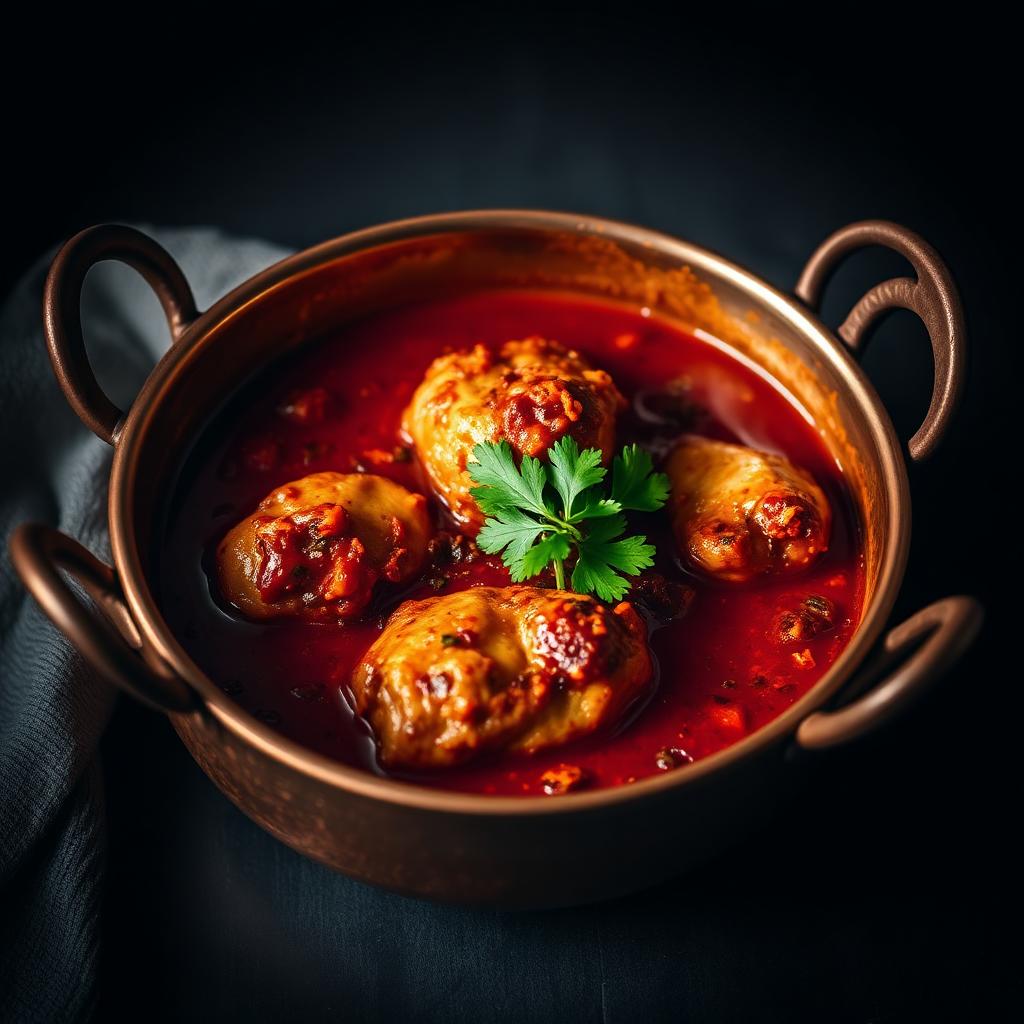
For company · 1 hr 20 min
Chicken Madras
Deep red, fragrant, hot enough to make you sit up. Toasted whole spices, tomato, a slow simmer until the oil rises. Served with basmati rice and peas, roti and all the sides.
View recipe →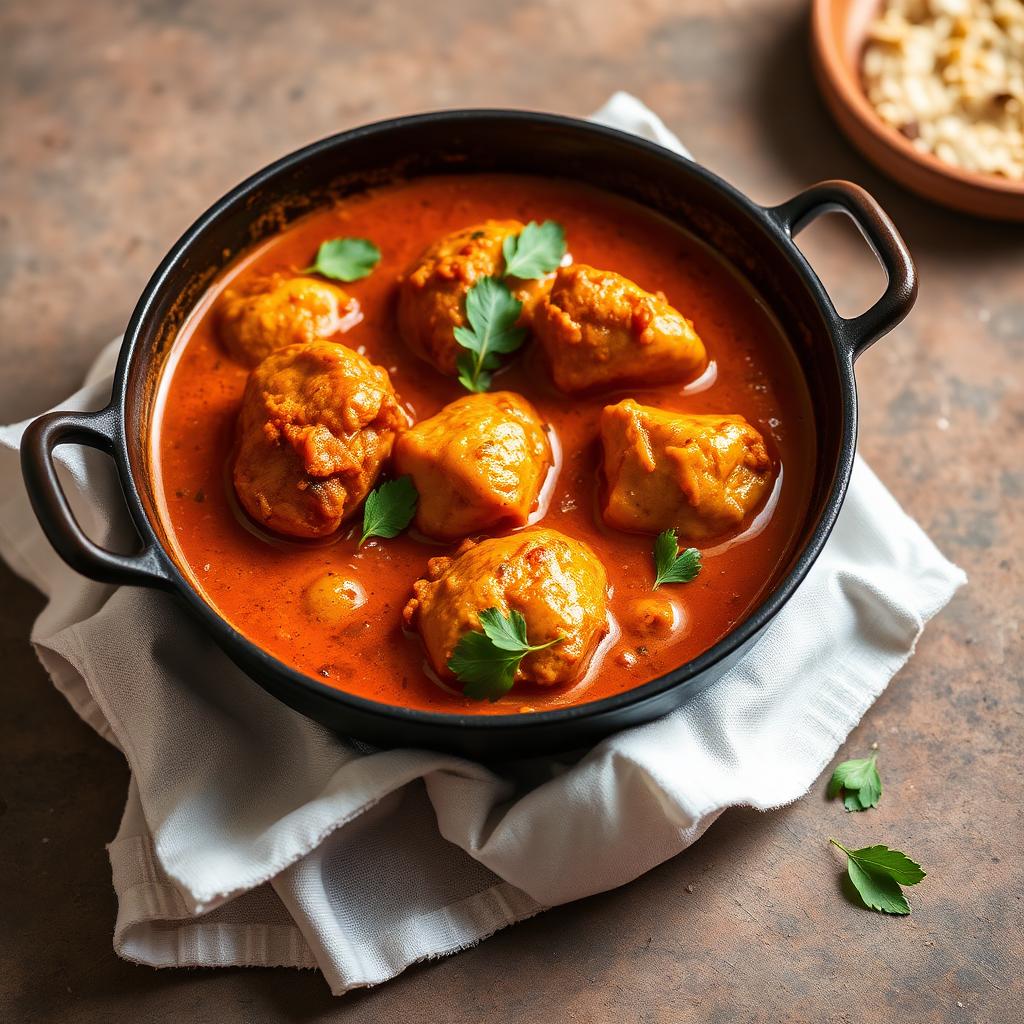
For company · 1 hr 30 min
Durban chicken curry (with potato)
Hotter than anything you'll get in India. Potatoes tumbled in with the chicken — the tell-tale sign it's a Durban curry. Serve with rice, roti and sambal.
View recipe →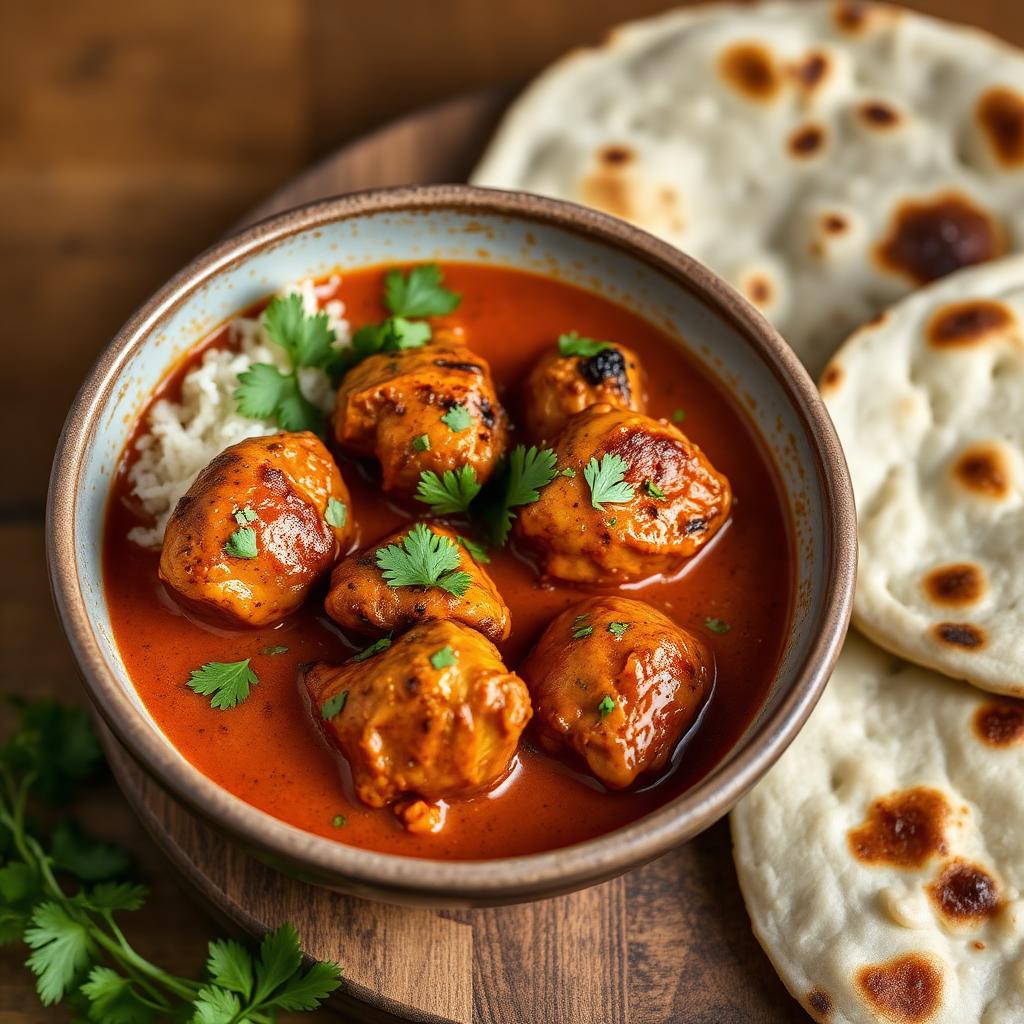
For company · 1 hr (plus marinade)
Chicken tikka masala — Jamie's version
The British-Indian classic, invented in a Glasgow curry house in the 1970s and refined ever since. I follow Jamie Oliver's version off a cliff — creamy, tangy, charred at the edges.
View recipe →For company · 35 min
Prawn curry
Fast, fragrant, coastal. Curry leaves crackling in oil, tomato and coconut, prawns just cooked through. Ten minutes at the stove and the whole room smells of the sea.
View recipe →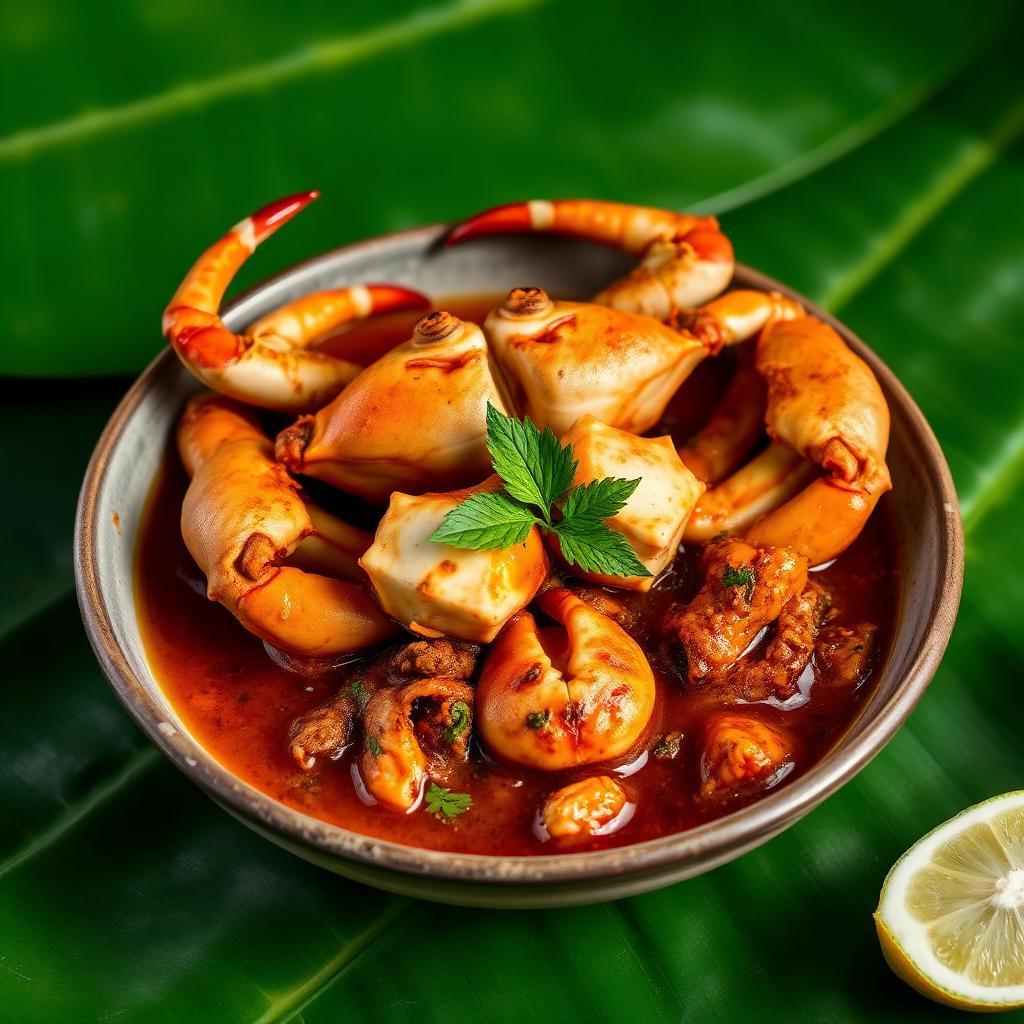
For company · 1 hr 15 min
Crab curry with tamarind
My favourite curry in the whole world. Whole crab, dark spiced gravy, tamarind for the sour edge. The Oyster Box makes this for me when I visit — this is the closest I get at home.
View recipe →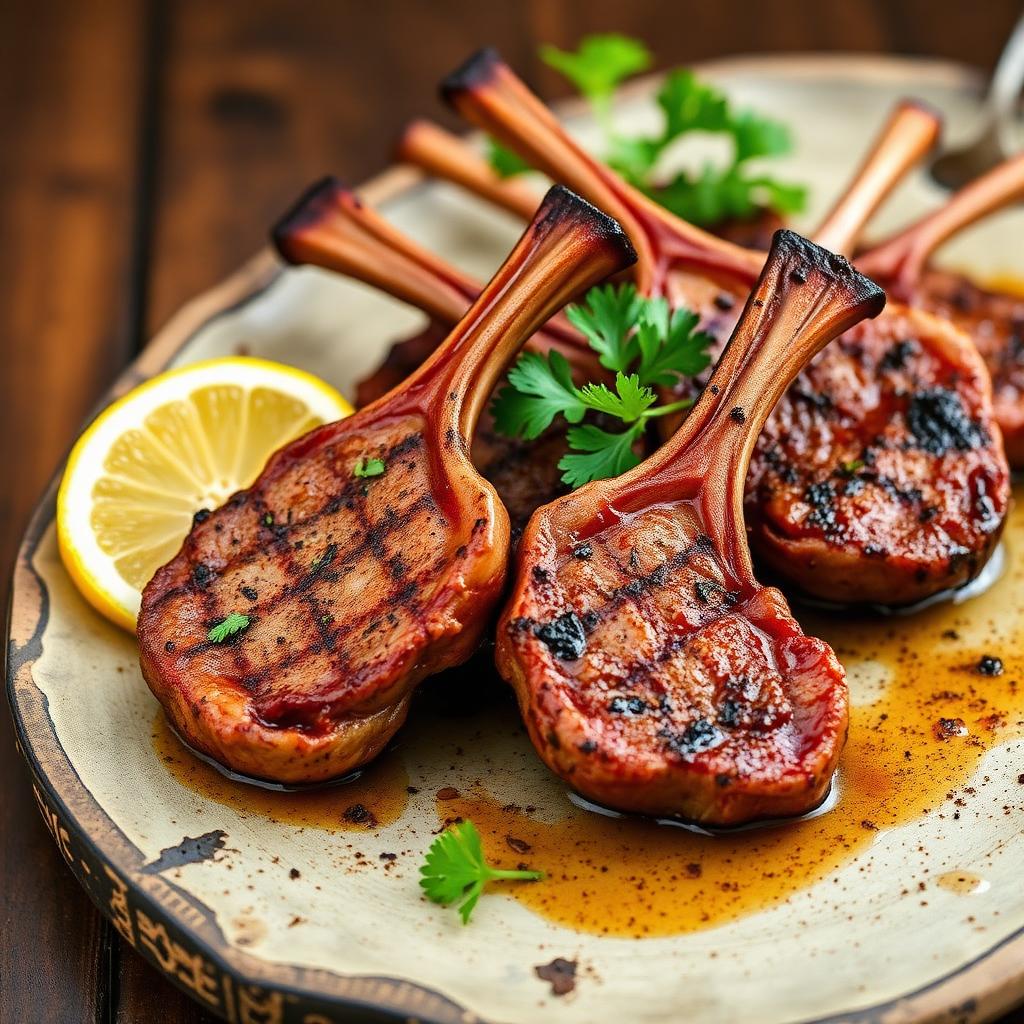
For company · 40 min (plus marinade)
Masala lamb chops
Char-grilled lamb chops in a punchy masala rub — the recipe was given to me by the chef at the Oyster Box after I had made a nuisance of myself. Lip-smacking good.
View recipe →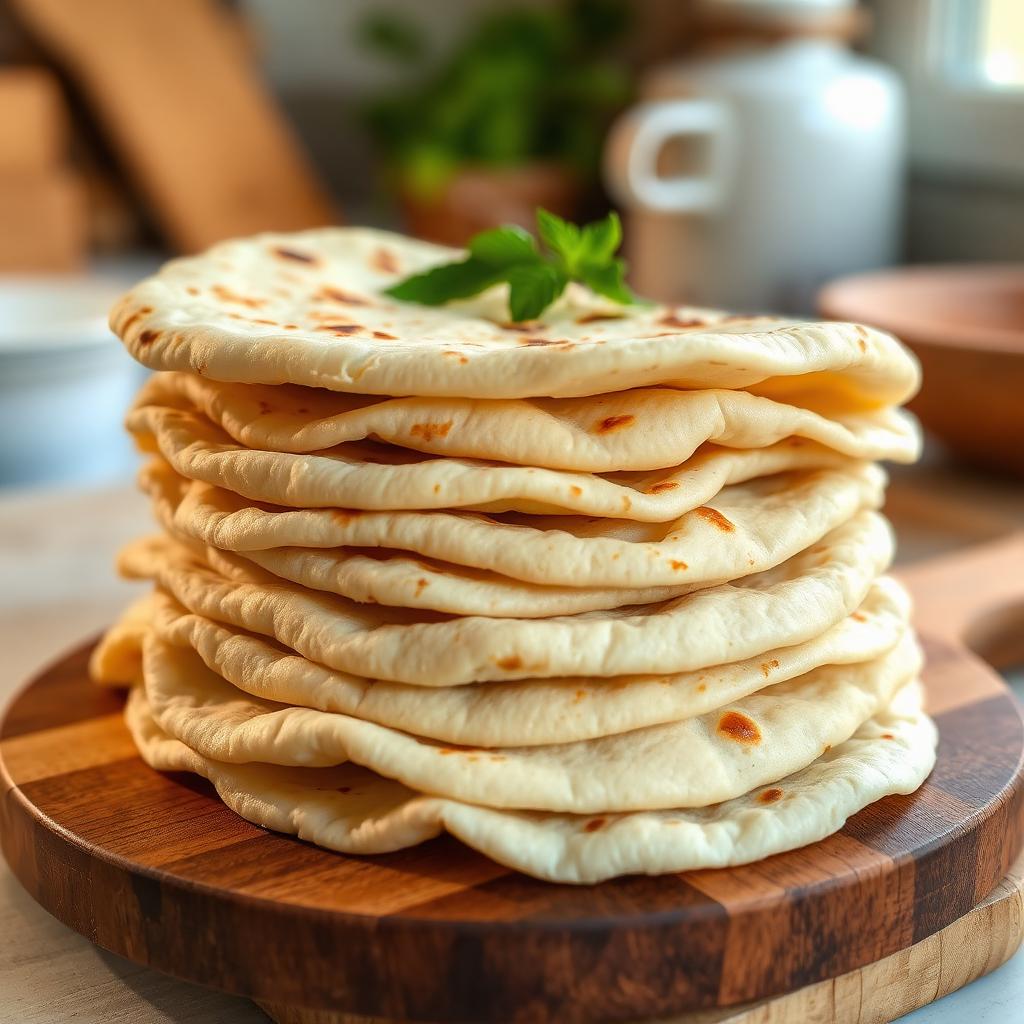
For company · 1 hr
Soft roti
Soft, pliable, faintly smoky. The vehicle for every curry on the table. Warm oil in the dough is my grandmother's trick — they stay soft for hours.
View recipe →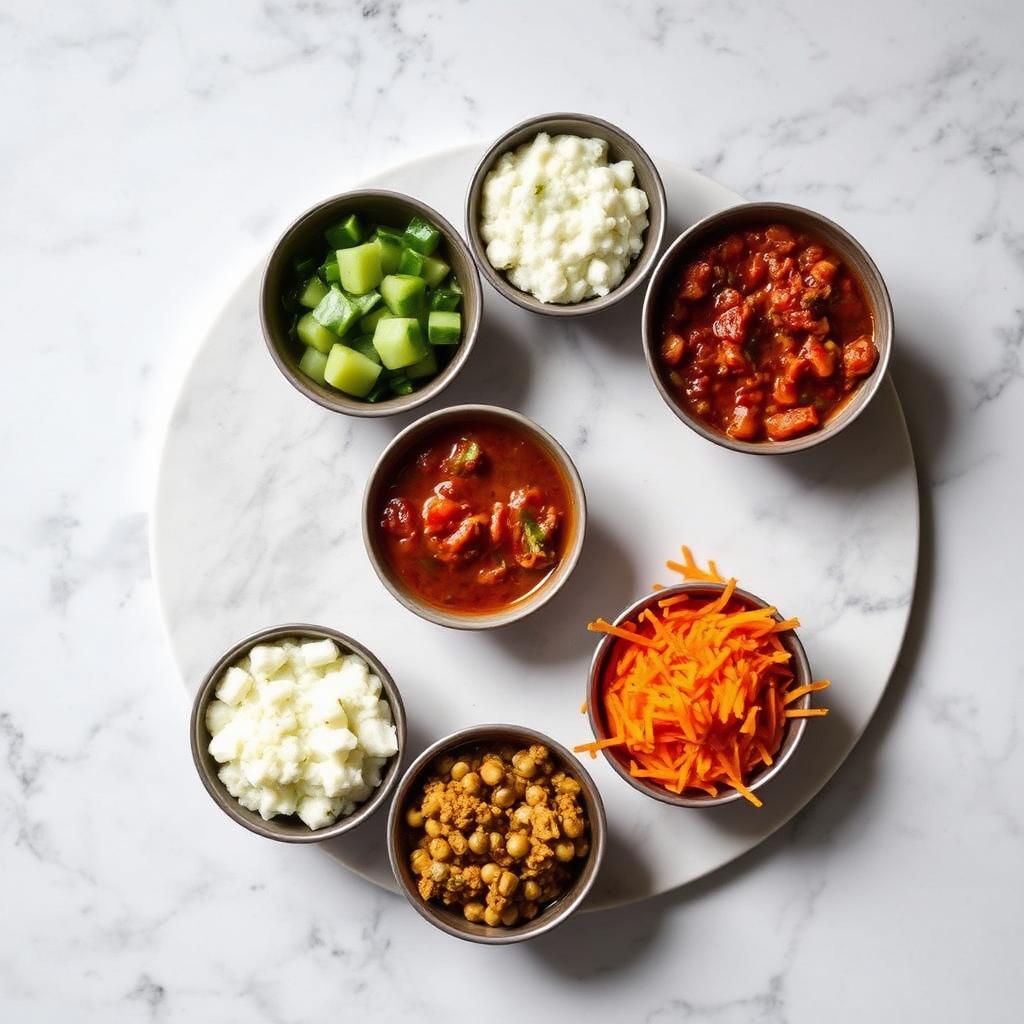
For company · 20 min
The sambals — tomato and onion, raita, carrot
Three small bowls that make an Indian meal an Indian meal. Cool cucumber raita, bright carrot salad, sharp tomato and onion sambal. Do not skip these.
View recipe →Sunday dude food
Church, then opulent dude food.
Sundays are for church and for indulgence. Today's menu traverses continents on one table — Korean heat, Italian truffle-hit comfort, a proper green side — with a very South African finish: an ice-cold Savanna.
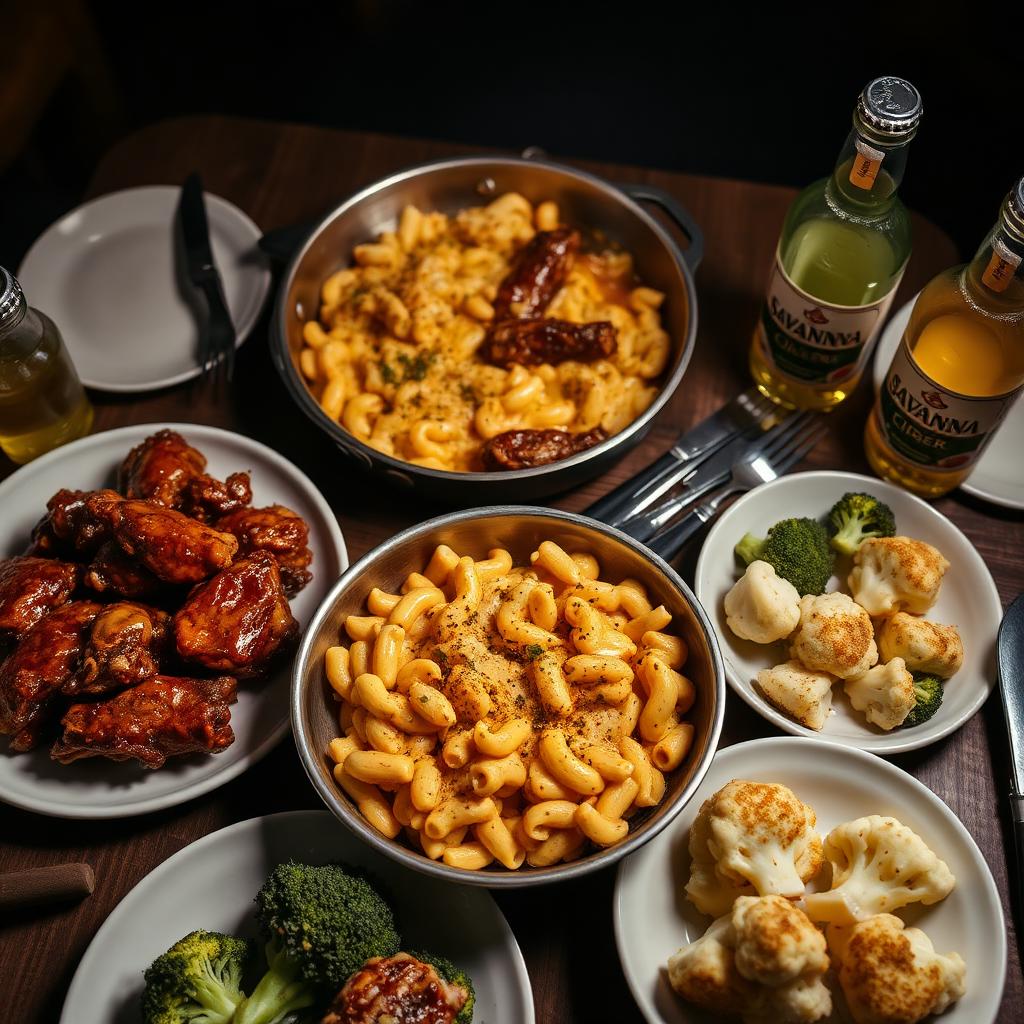
One table. Three continents. One cold Savanna.
The rule
Enjoyment of life, of palette, of experience.
Try the Korean tastes. Try the truffle oil — because where in South Africa do I buy actual fresh truffles? And porcini? South Africa, please step up and tell me. Until then, cold-pressed truffle oil and rehydrated porcini carry that earthy weight beautifully. And yes — I bake my wings. Marinate them first, always.
The drink
Savanna, dry and cold.
A South African touch to an internationally traversing menu. It cuts the truffle richness, refreshes between sticky bites of wing, and lets everything on the table breathe. Serve straight from the fridge.
The menu
Three dishes, one Sunday.
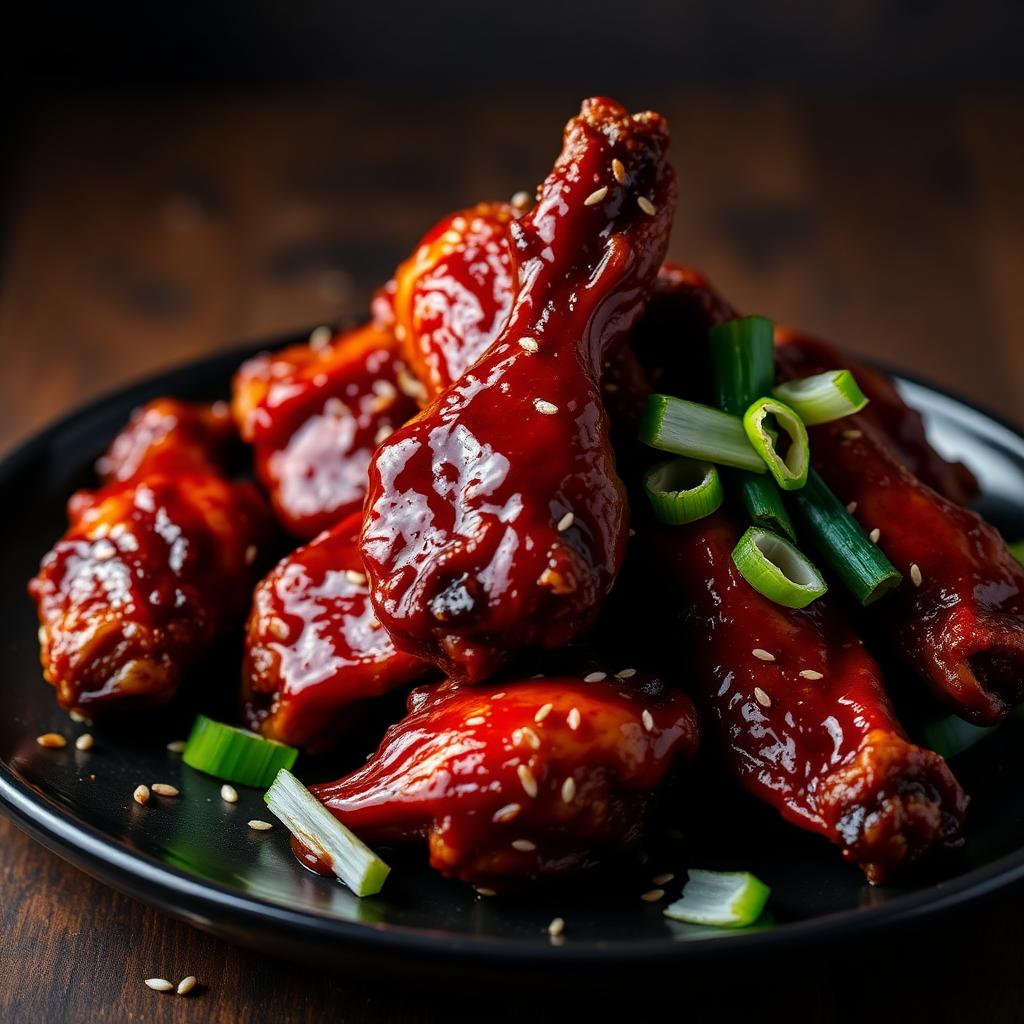
For company · 1 hr + marinade
Gochujang chicken wings (baked, sticky, mine)
My own dude-food Sunday wings — Woolworths gochujang paste, fresh ginger, garlic and soy. Marinated, baked, glossy.
View recipe →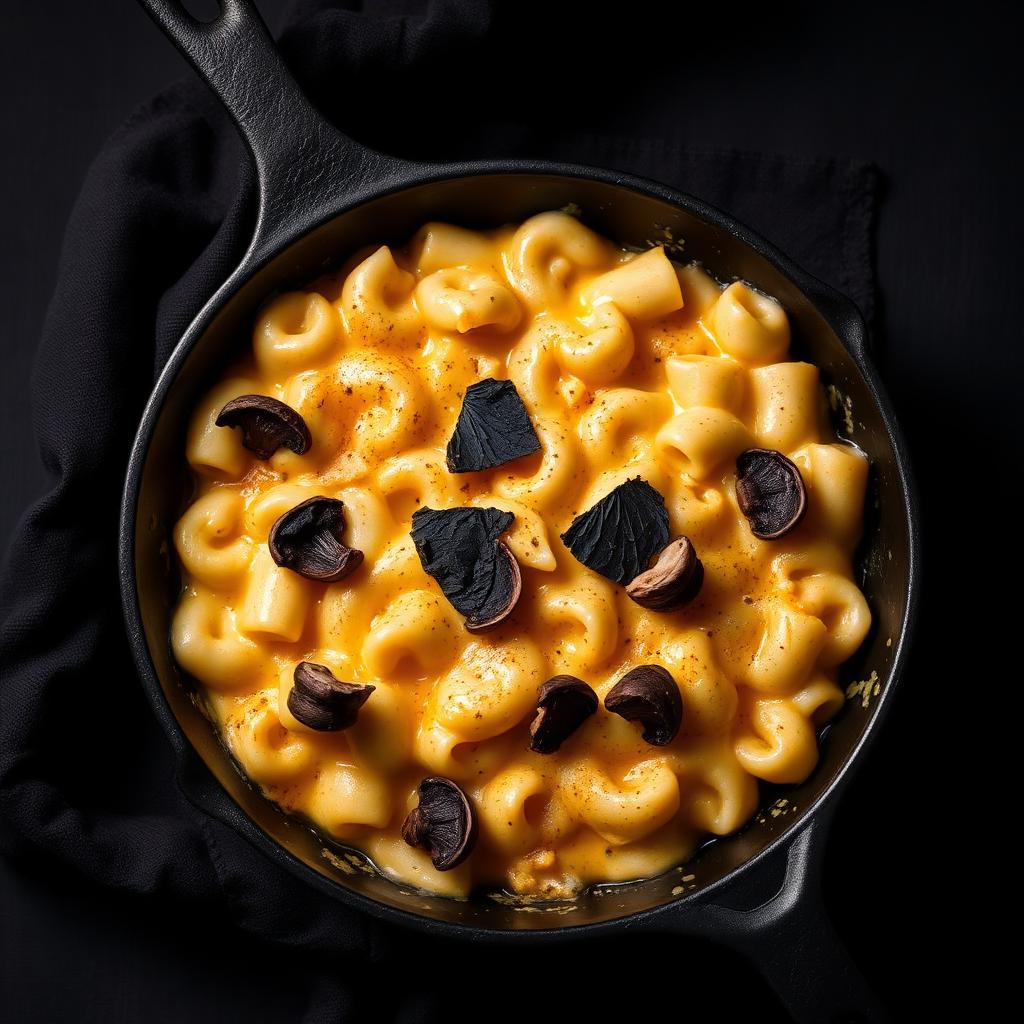
For company · 35 min
Truffle oil macaroni cheese (no white sauce)
Opulent, silky, no roux, no faff. Cream, cheese, pasta, porcini, truffle oil — because actual truffles in South Africa are a fool's errand.
View recipe →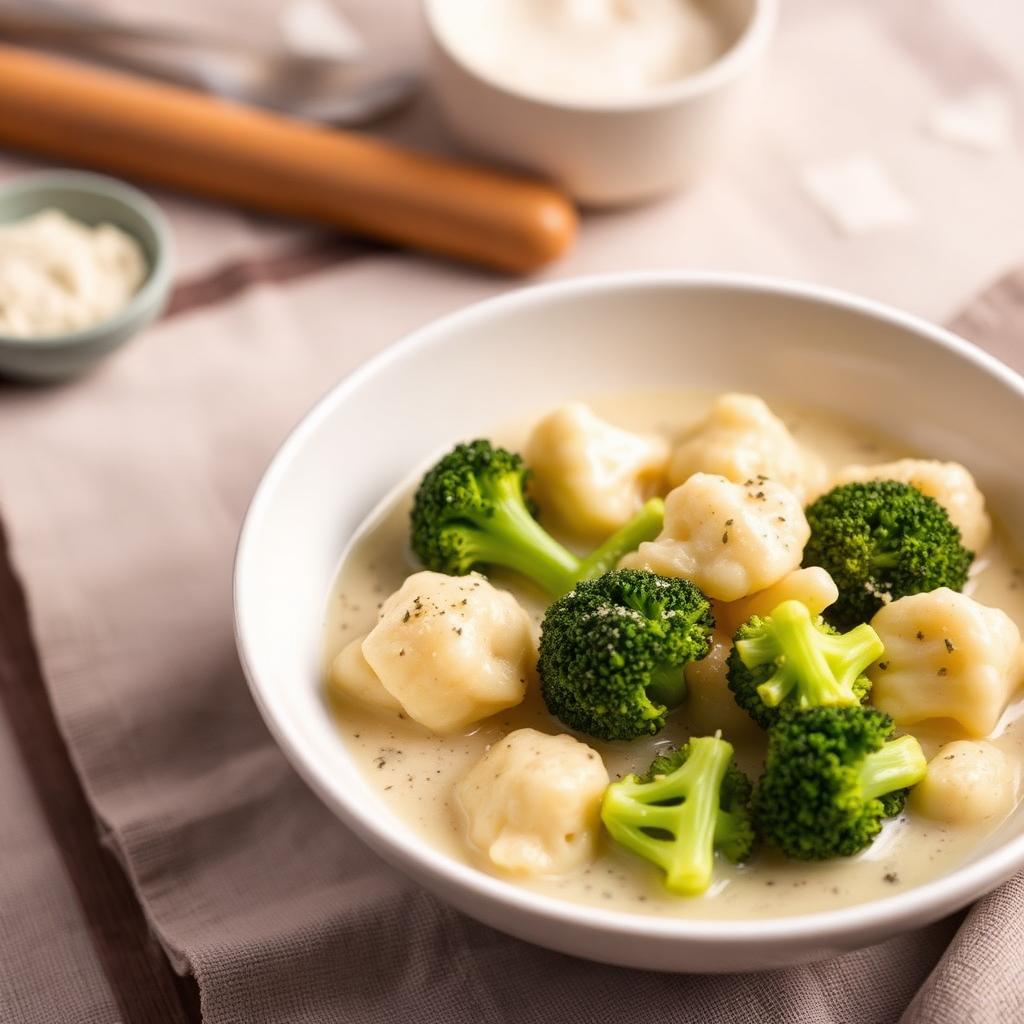
For company · 20 min
Creamy broccoli & cauliflower (steamed, then dressed)
My favourite side. Steamed hard so they keep their bite, folded through a quick cream, mustard and parmesan sauce.
View recipe →The pie to best all pies
Jamie's steak, Guinness & cheese pie.
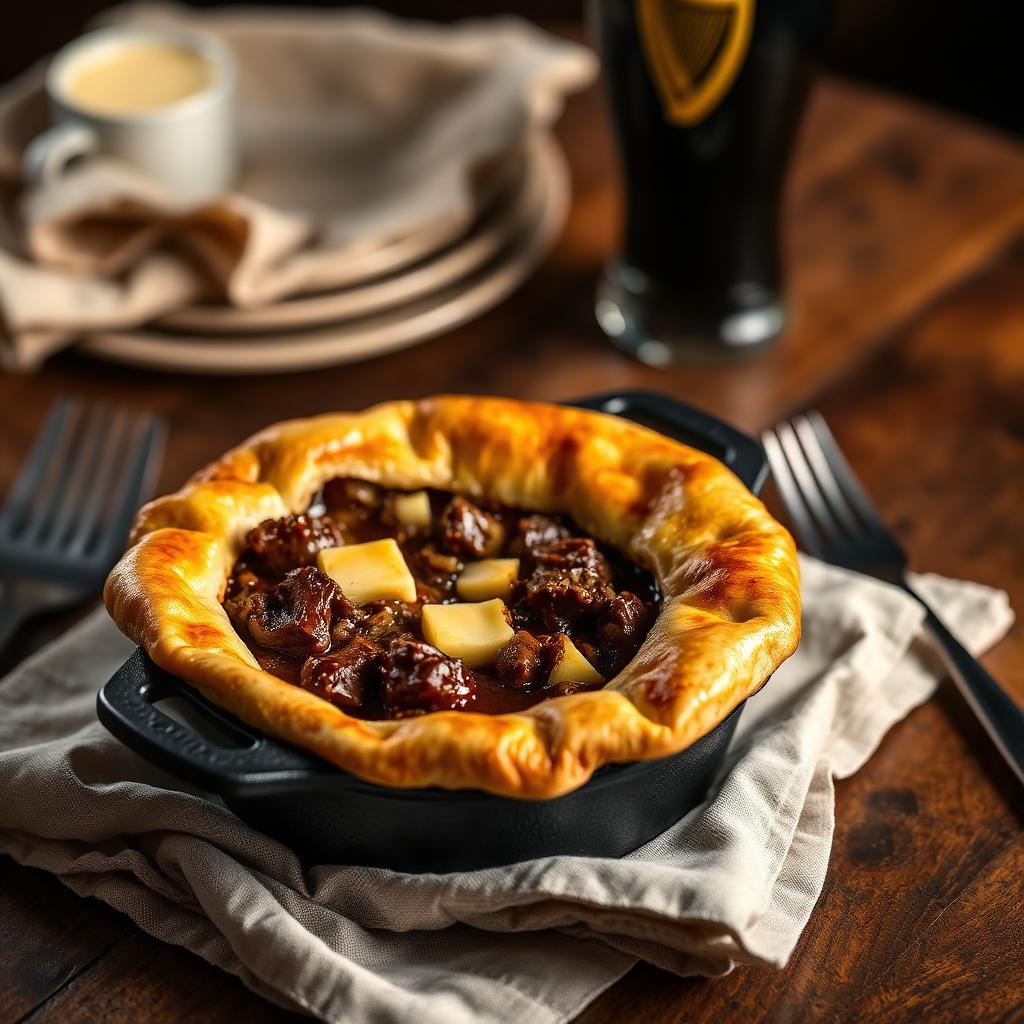
A very English kitchen
I have made this pie five million times. It is from Jamie's Dinners (2004) — a cookbook I have had for years, dog-eared, sauce-splattered, loved. Slow-braised beef in a dark Guinness gravy, sharp cheddar melted through, all buttoned under a golden puff pastry lid. The ultimate comfort food.
I was raised super English. My grandfather told us that God Save the Queen was our national anthem — which confused me, because the nuns at my primary school were teaching us Nkosi Sikelel' iAfrika, and I only discovered on my first day of high school that there was also an Afrikaans song in the mix. I grew up during Apartheid, lived through the release of Tata Madiba, the first free elections, and our first black President. South Africa is my country — beautiful, rich with every ethnicity — and the English thread runs deep through its history, and through mine.
Being raised English was great, and at my core I think that is who I am. The food we ate was perfumed by the cookbook of English life. This pie is English/Irish — part of my heritage — rich, indulgent, and a favourite of every single person who has ever sat at my table for it.
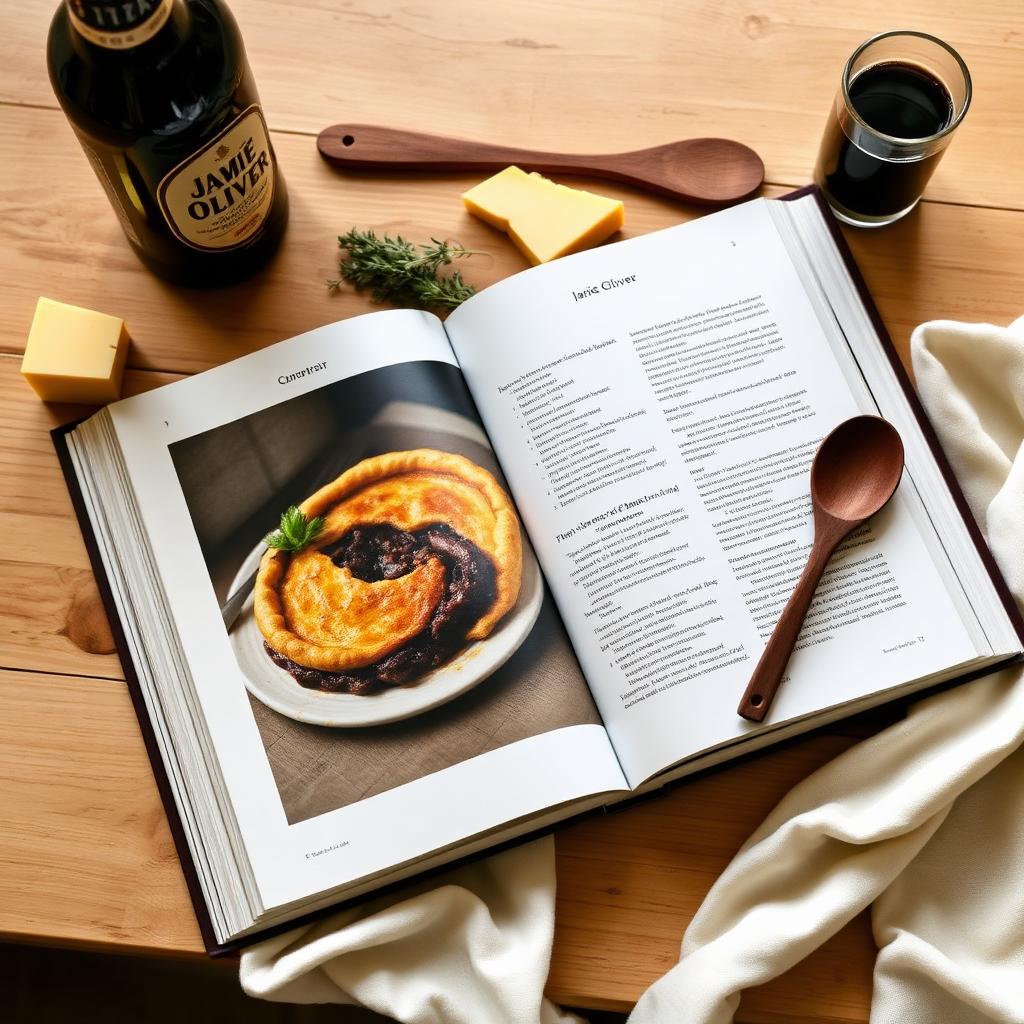
A note on Jamie
Simplicity is the brilliance.
Jamie Oliver's gift has always been this: real food, cooked by real people, on a real weeknight. No theatrics, no obscure equipment, no snobbery — just proper ingredients treated with confidence and warmth. He got a whole generation cooking again. That is a rare and honest kind of genius.
I have every single Jamie Oliver cookbook except one — the air fryer book. We all know how I feel about air fryers.
On my shelf
- · The Naked Chef (1999)
- · The Return of the Naked Chef (2000)
- · Happy Days with the Naked Chef (2001)
- · Jamie's Kitchen (2002)
- · Jamie's Dinners (2004)
- · Jamie's Italy (2005)
- · Cook with Jamie (2006)
- · Jamie at Home (2007)
- · Jamie's Ministry of Food (2008)
- · Jamie's America (2009)
- · Jamie's 30-Minute Meals (2010)
- · Jamie's Great Britain (2011)
- · Jamie's 15-Minute Meals (2012)
- · Save with Jamie (2013)
- · Jamie's Comfort Food (2014)
- · Everyday Super Food (2015)
- · Super Food Family Classics (2016)
- · Jamie Oliver's Christmas Cookbook (2016)
- · 5 Ingredients — Quick & Easy Food (2017)
- · Jamie Cooks Italy (2018)
- · Veg (2019)
- · 7 Ways (2020)
- · Together (2021)
- · ONE (2022)
- · 5 Ingredients Mediterranean (2023)
- · Simply Jamie (2024)
- — minus the air fryer book. Absolutely not.
Sunday · 2 hours 30 minutes
Jamie Oliver's steak, Guinness & cheese pie
Slow-braised beef in a dark, glossy Guinness gravy, folded through with sharp cheddar and buttoned under a golden puff pastry lid. From Jamie Oliver's Jamie's Dinners (2004) — the ultimate comfort pie, made in my kitchen more times than I can count.
Cozy in a mug
Gabrielle's knockout hot chocolate.
Why buy hot chocolate when you can make AMAZING hot chocolate at home? This mix is rich, silky, and the very best thing to sip on a chilly Jo'burg afternoon.
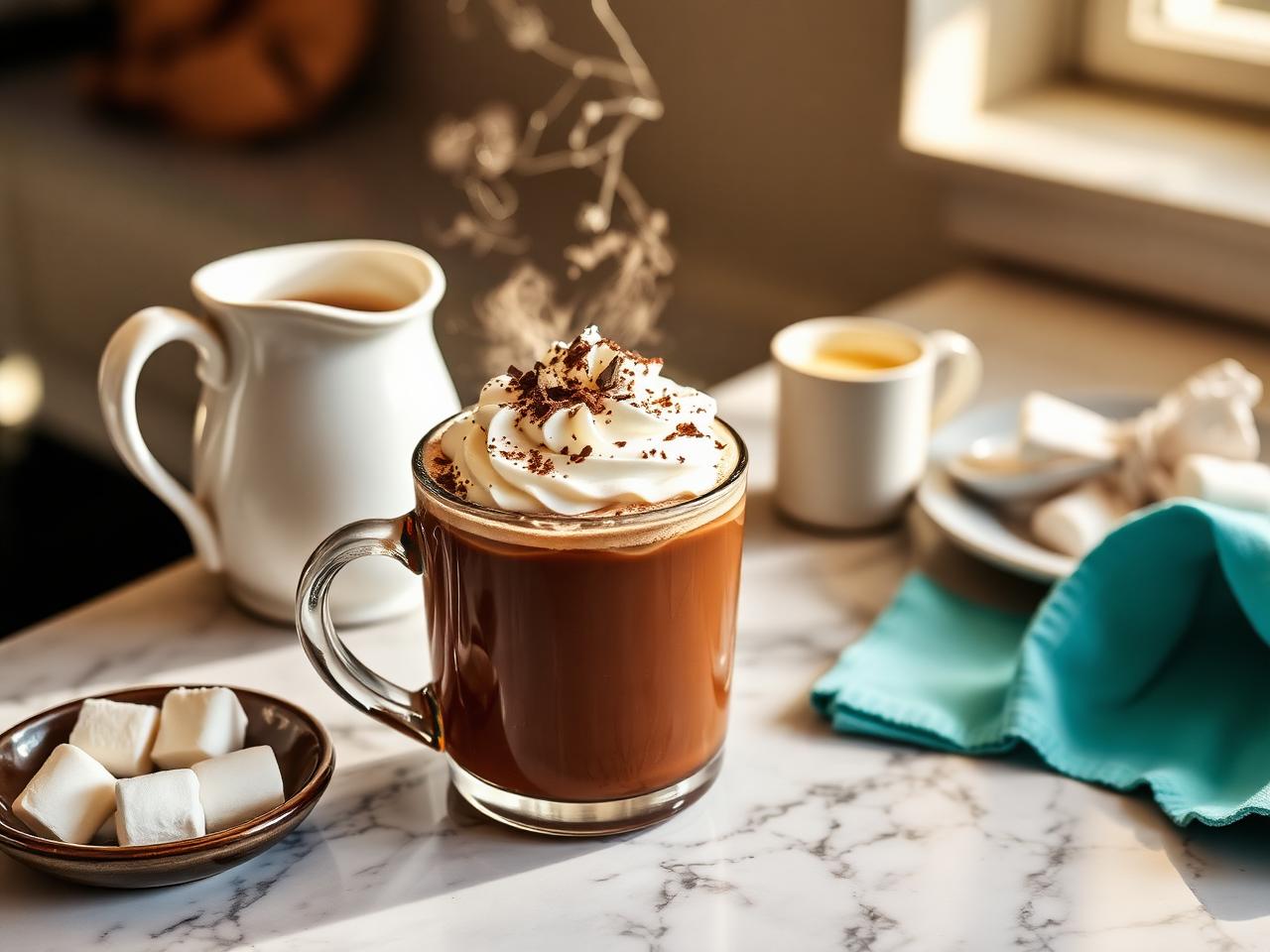
Homemade, decadent, and better than anything from a packet.
The source
Gabrielle at chocotalks.com.
Gabrielle is into all things chocolate — tasting, sourcing, recipe-building, and teaching the rest of us how to make chocolate feel like an event rather than an afterthought. Her hot-chocolate method starts with a cocoa paste and finishes with real chopped chocolate, and it produces the silkiest, most deeply flavoured mug I have ever made at home.
Full credit and gratitude to Gabrielle and chocotalks.com. This recipe is based on her steps, and I am drinking a mug right now. Truly, the best hot chocolate I have ever had.
The method in short
Cocoa paste, real chocolate, warm milk.
- 1. Whisk cocoa, sugar, salt and a splash of cold milk into a lump-free paste.
- 2. Slowly add the rest of the milk and heat gently, whisking, until steaming.
- 3. Off the heat, stir in chopped dark chocolate and vanilla until glossy.
- 4. Taste, adjust, pour into a warm mug, and crown with cream or marshmallows.
Sweet · 15 min
Gabrielle's knockout hot chocolate
Why buy hot chocolate when you can make AMAZING hot chocolate at home? This mix is rich, silky, and completely knock-out.
The mother of all risottos
Gordon Ramsay's mushroom risotto.
My first mushroom risotto was at Tima Moon in Sabie, Limpopo — a tranquil hideaway of chalets, each decorated and named differently, and a chef who set the bar impossibly high. I fiddled with recipes for years until I landed on this one, the Hell's Kitchen classic. It is the risotto I make when I want to feel like I have done something properly.
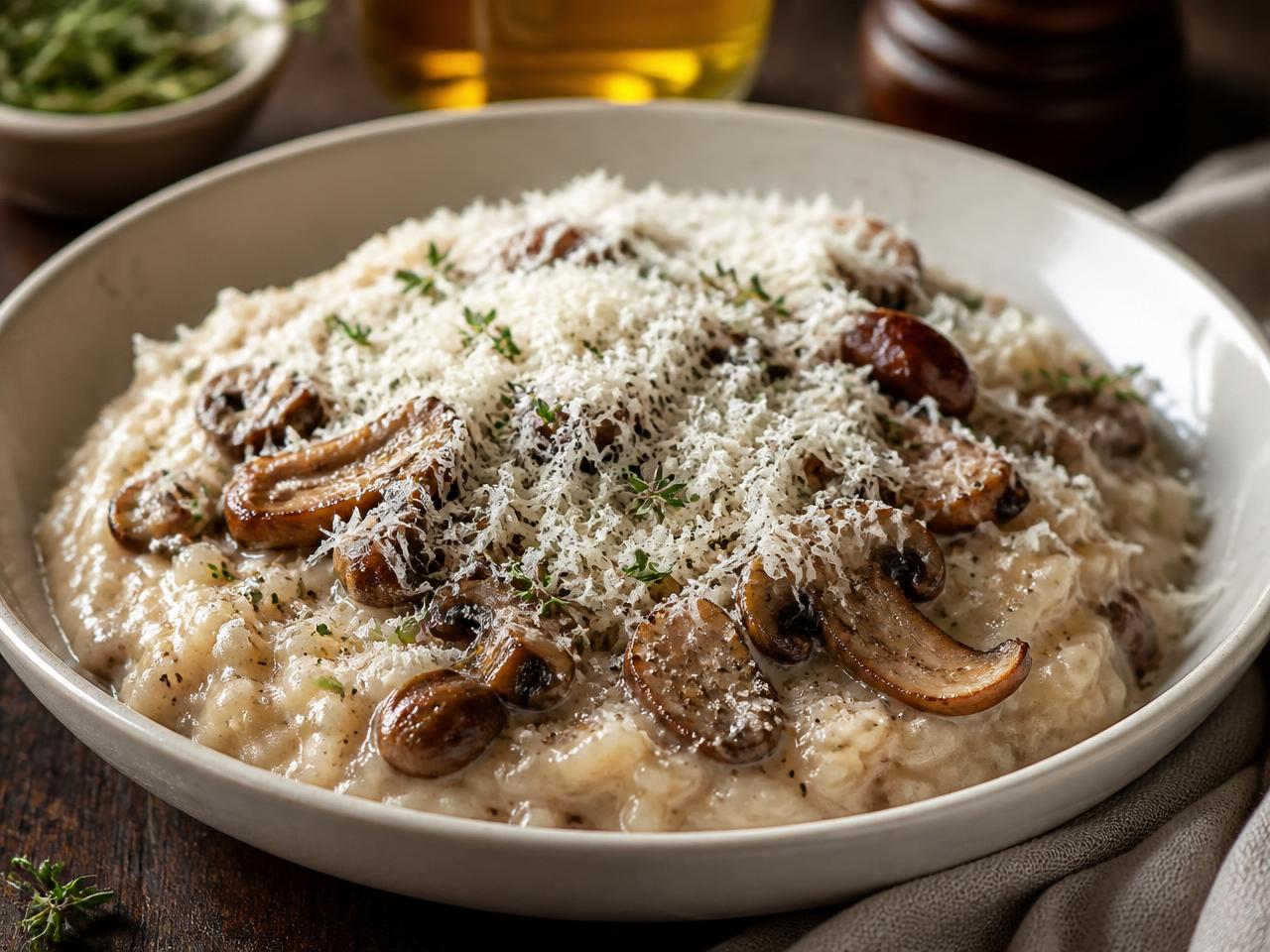
A snowstorm of parmesan is not optional.
A nod to Hell's Kitchen
Follow the steps exactly.
Risotto can be tricky. Warm stock, low heat, a ladle at a time, and never stop stirring. The detailed step-by-step from the Hell's Kitchen website is the guide I keep coming back to — if you are attempting your first risotto, follow it to the letter and you will not go wrong.
The finishing move — the mantecatura — is where cold butter and a mountain of parmesan get beaten through off the heat. That is what makes it glossy and loose, the way risotto is meant to be.
On the side
Toasted asparagus & a glass of Spier Chardonnay.
- Snap the woody ends off a bunch of green asparagus.
- Toss with olive oil, sea salt, cracked pepper.
- Roast on a screaming-hot tray at 220°C for 6–8 minutes until blistered.
- Finish with lemon zest and a shaving of parmesan.
- Pour a cold glass of Spier Chardonnay from Stellenbosch — bright citrus, gentle oak, perfect with mushrooms.
Sunday · 45 min
Gordon Ramsay's mushroom risotto (Hell's Kitchen)
The mother of all risottos — silky, deeply savoury, crowned with a snowstorm of parmesan. The Hell's Kitchen classic, followed to the letter.
Places to see in South Africa
If you're ever in Jozi.
A small, growing list of the destinations I send everyone to. Not the tourist-brochure version — the ones where the setting is the story.

A Jozi must-see
Fire & Ice — the milkshakes of my dreams.
I am not a sweet girl — but the milkshakes at the Fire & Ice hotel at Melrose Arch are next level. The setting is beautiful and lavish, the menu is over the top in the best possible way, and there are more than twenty options to choose from. Priced decently for what you get — but honestly, it is the destination that makes it special. It is the right kind of over-the-top, and I am here for it.
If you are ever in Jozi, this one is a must see.

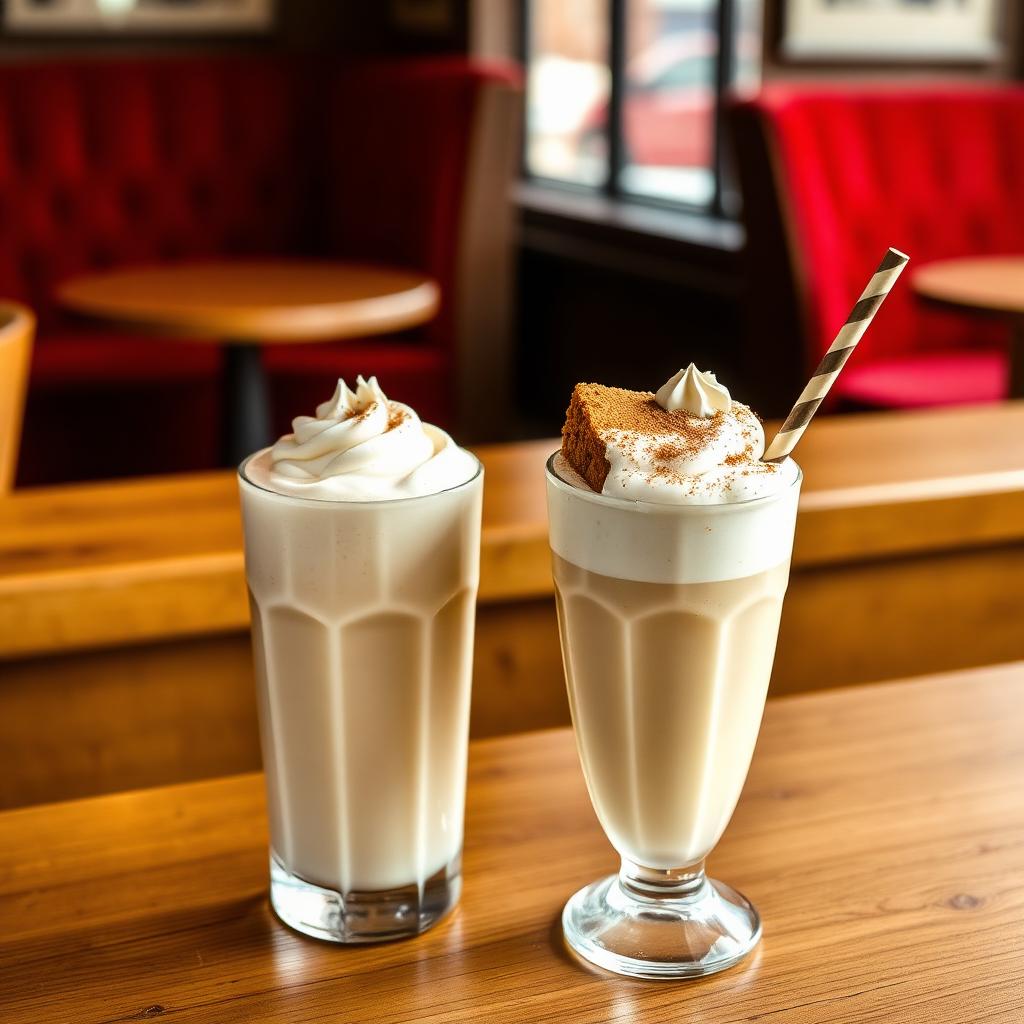
The order card
- Ouma & Oupa — the very South African one, a nod to Ouma rusks.
- Carrot cake — pudding in a glass, an actual slice on top.
- Rooibos — cream, cinnamon, the smell of home.
- Rocky road — the uber-American, marshmallows and all.
A destination eatery
Al Fiume — on the Hennops river.
A beautiful Italian restaurant on the Hennops river, with a saxophonist playing from across the water while you eat. Only a few options on the tasting menu — each done so, so well. If you want a magical evening, this is the one.
Go for a birthday, an anniversary, or a Tuesday that needs saving. The setting is the story.
Friday night · a Middle Eastern feast
For the love of the flavour.
It is no secret that I am obsessed with Middle Eastern food. The kofta below — Spiced Middle Eastern Lamb Patties with Pita and Yoghurt by Kristin Donnelly on Epicurious — is one I have tried and tested a million times. It is moreish, it is fast, and it makes the perfect Friday night. Like manna from heaven, I tell you. Around it: tabbouleh, fattoush, warm spiced olives, roasted spiced almonds, spiced hummus and smoky baba ganoush. A feast.
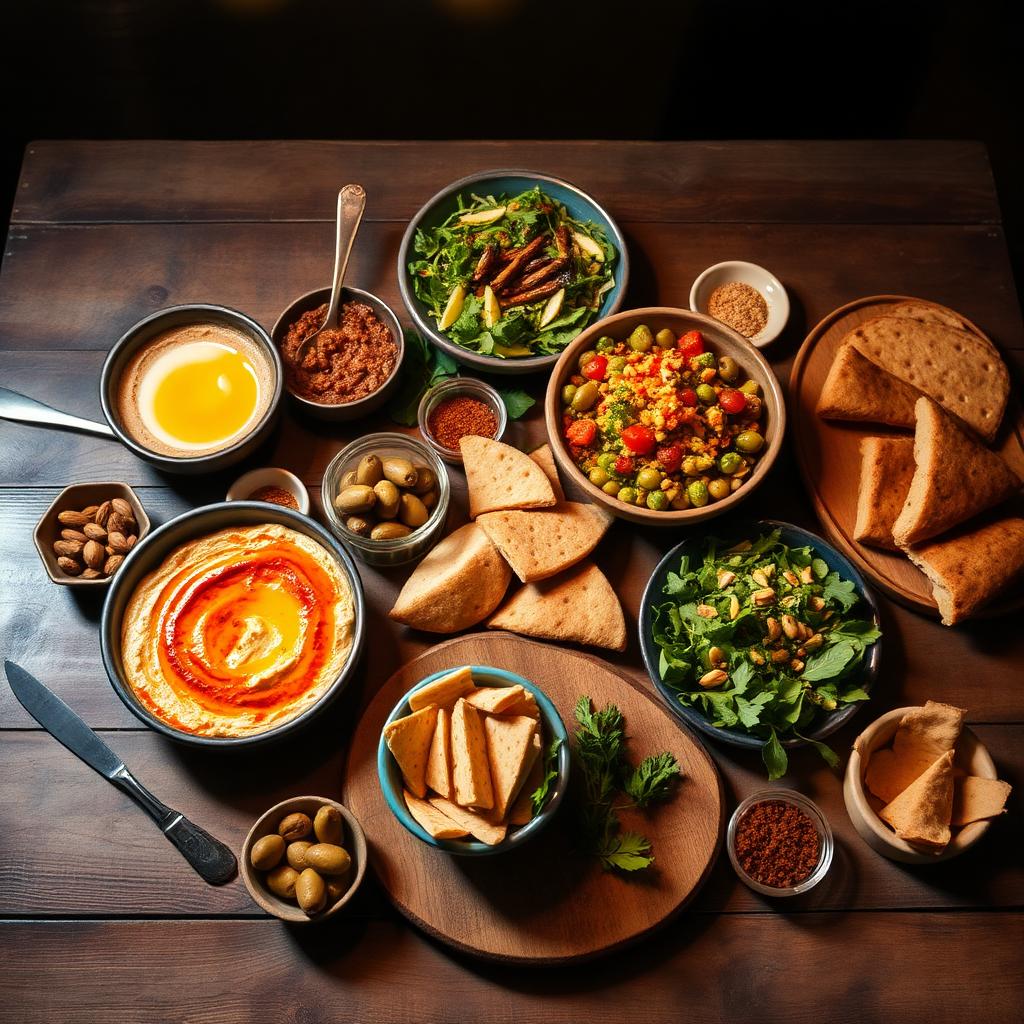
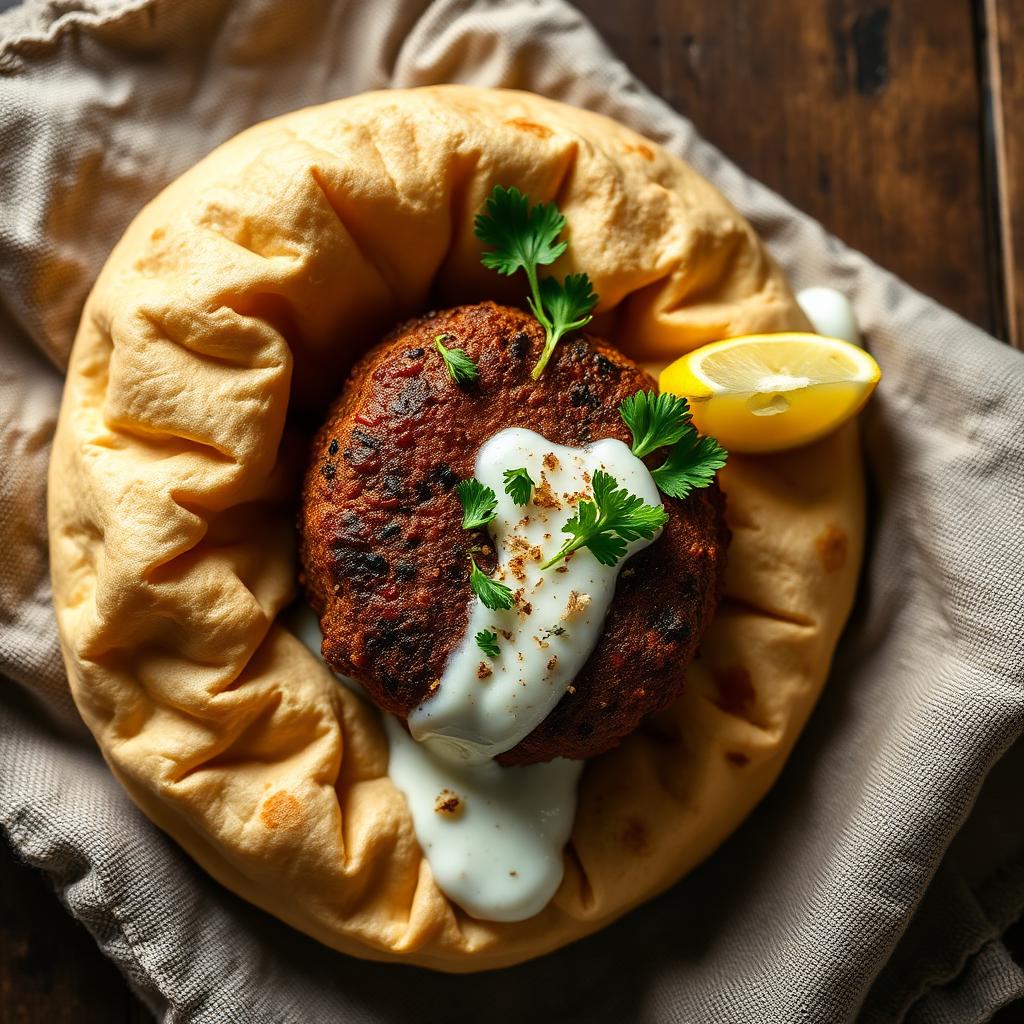
The star of the table
Spiced lamb kofta, warm pita, garlicky yoghurt.
Lamb, grated onion, cumin, coriander, cinnamon, allspice, a whisper of cayenne. Ten minutes in the pan, deeply browned outside, tender inside. Tucked into a puffed pita with cool minted yoghurt, sliced tomato and cucumber, a scatter of sumac, a squeeze of lemon.
Cass's tip
Warm the pita on a dry hot pan or open gas flame until it puffs up like a balloon — the steam splits it open cleanly and everything slides in without tearing. Complete game changer.
The mezze — dips
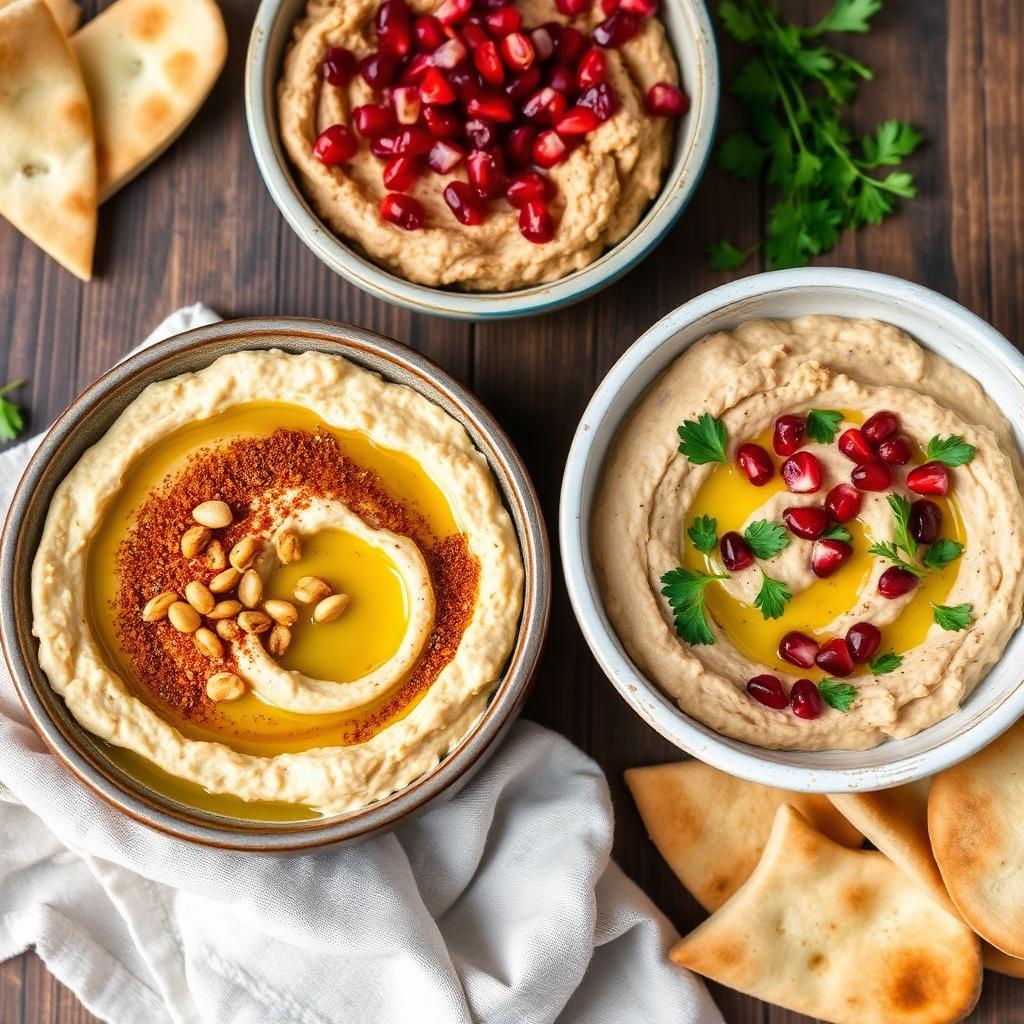
The mezze — salads & snacks
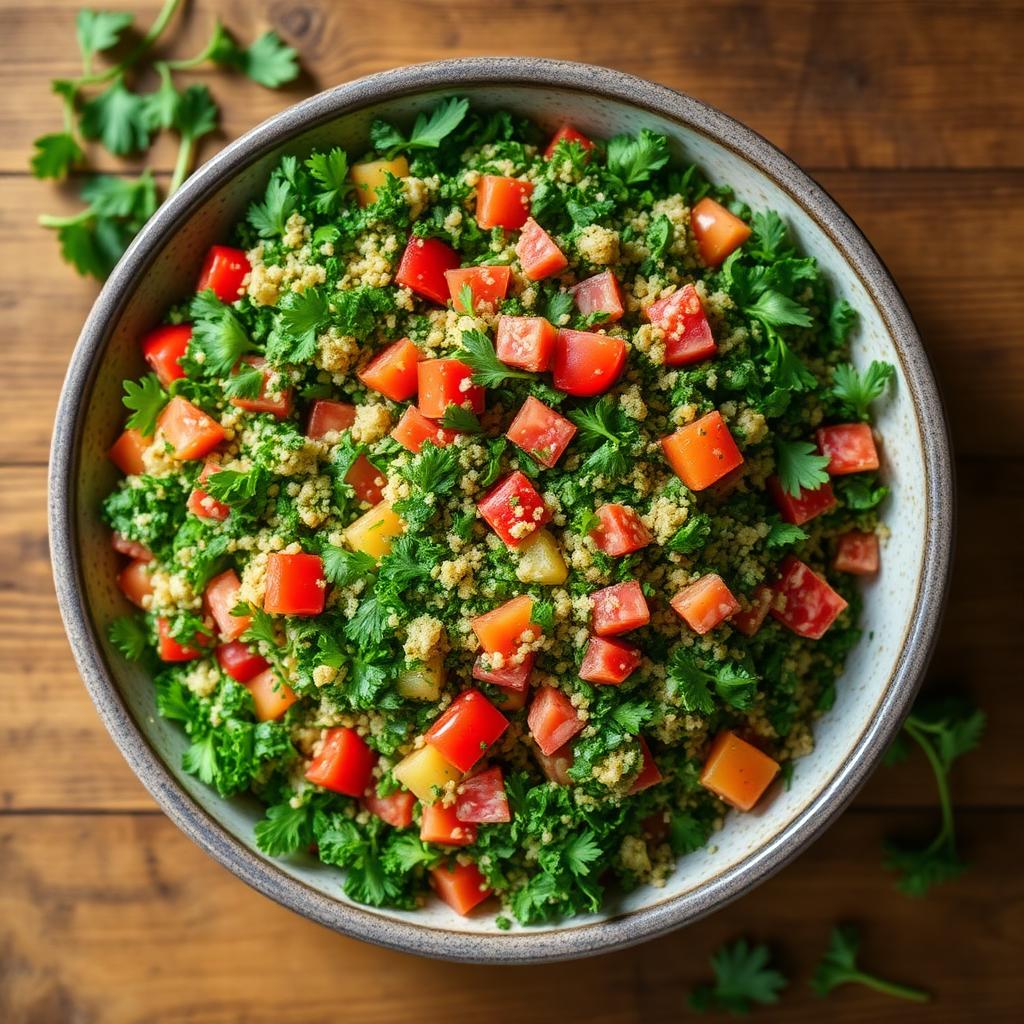
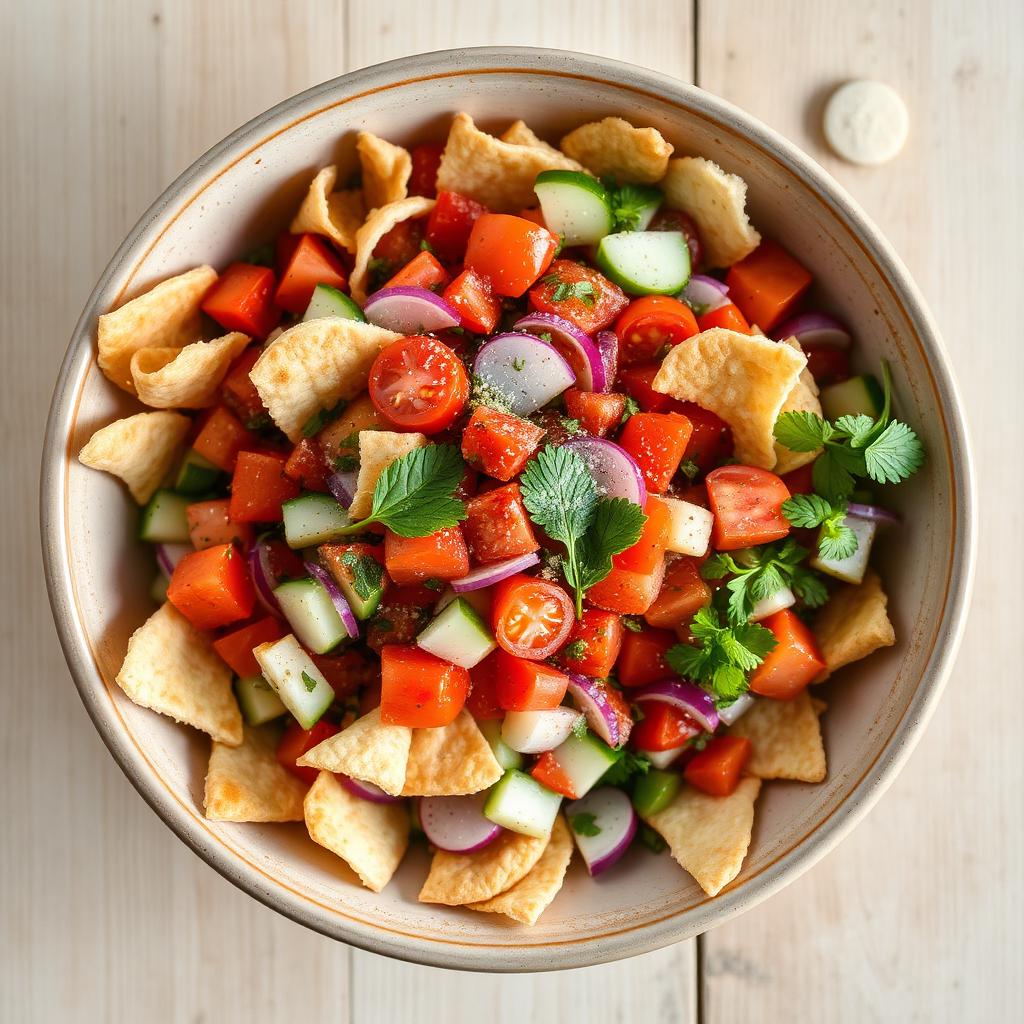
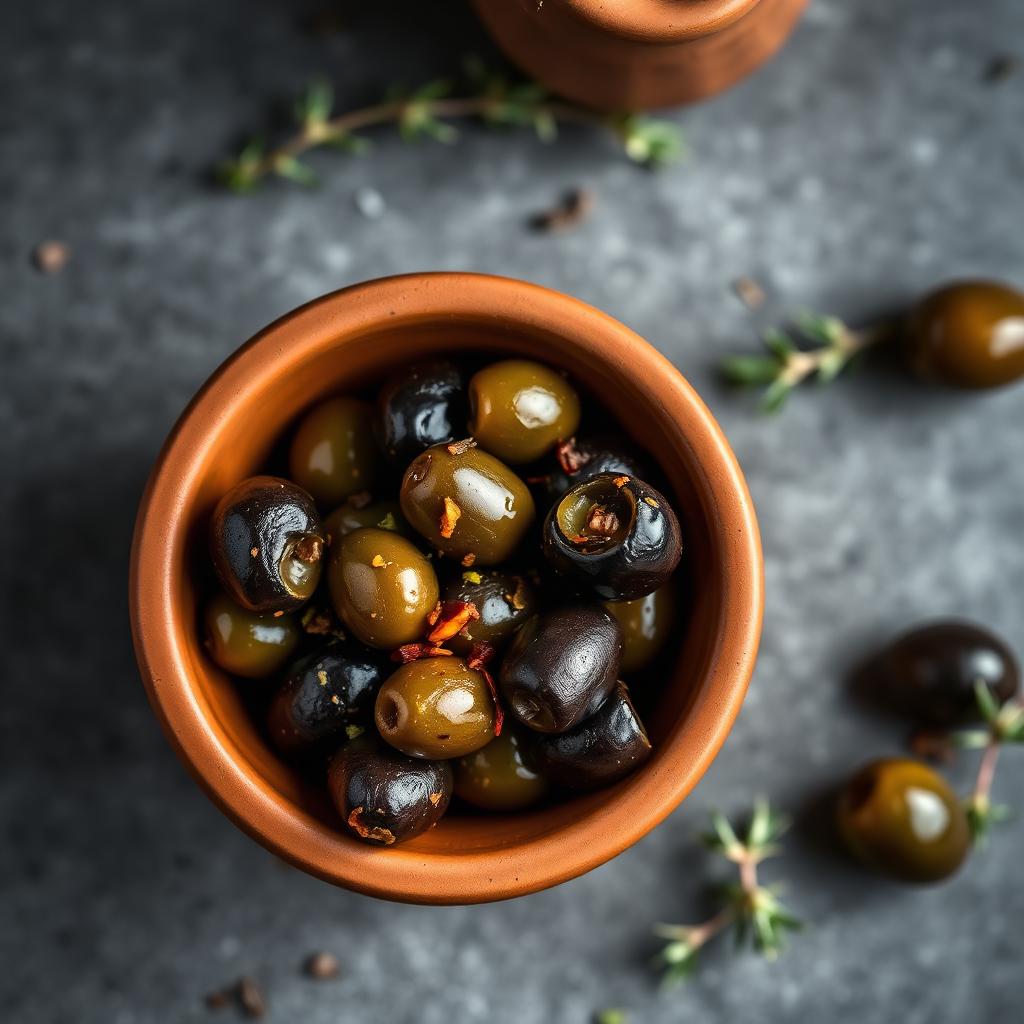
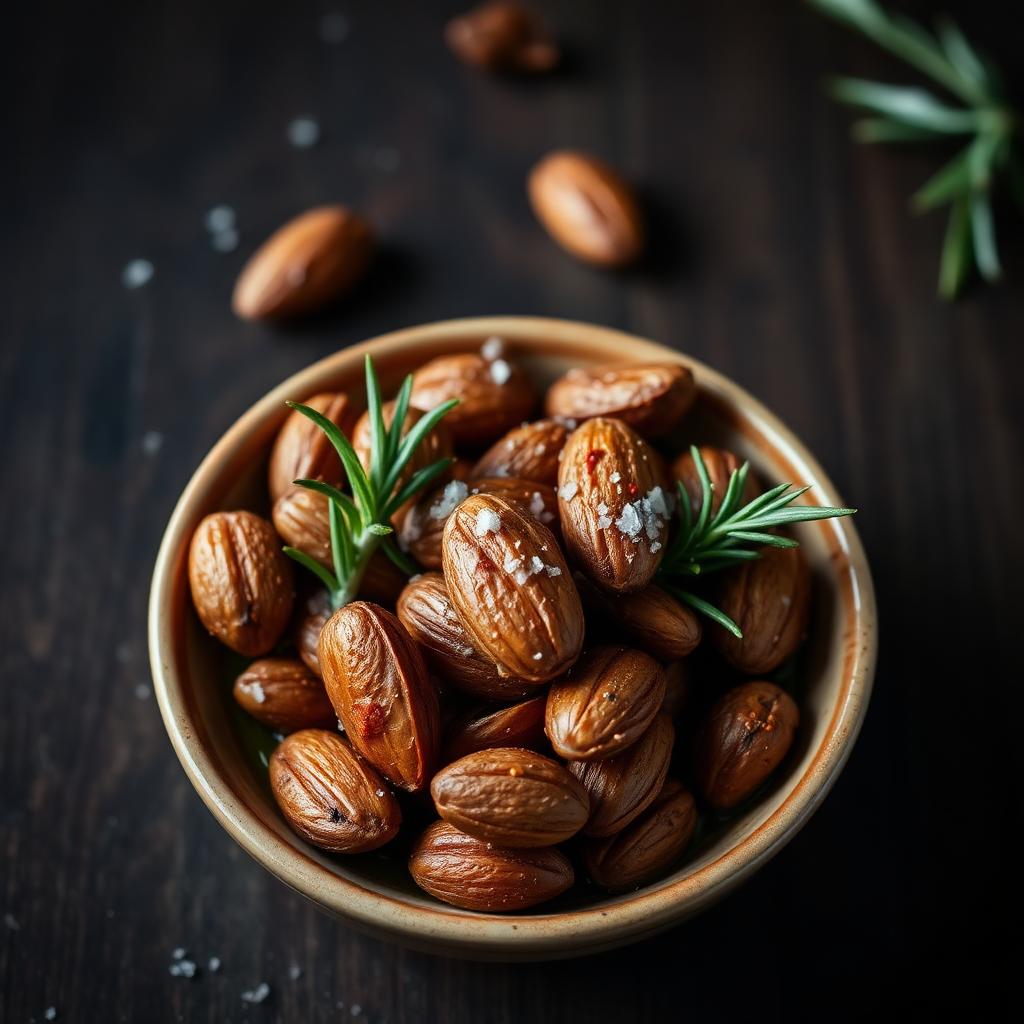
The order of play
- To arrive — spiced almonds, warm olives, a chilled crisp white.
- To the table — hummus, baba ganoush, tabbouleh, fattoush, a stack of warm puffed pita.
- The star — spiced lamb kofta with garlicky yoghurt, sliced tomato, cucumber, red onion, lemon.
- To finish — mint tea, dates, a small plate of pistachio baklava if you're feeling it.
Change up your breakfast · breakfast for dinner
Shakshuka — all mixed up, in the best way.
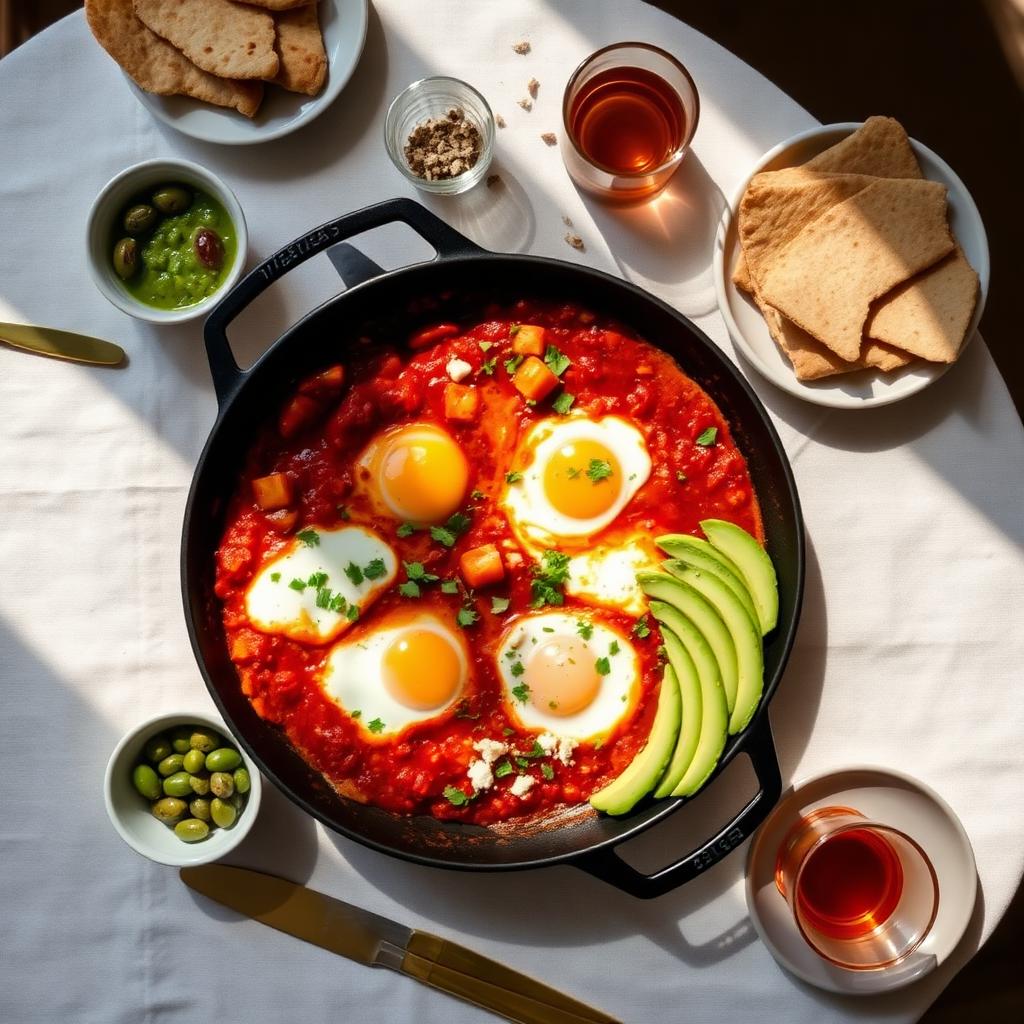
Turkey, the country — not the bird
I love Turkey, the country, not the bird — the bird is dry and awful. The country is lively, culturally stunning, and eats like nowhere else. Which brings me to shakshuka: a breakfast dish I would happily make for lunch or dinner. In fact, especially for dinner. Breakfast for dinner is one of life's small acts of rebellion.
Did you know shakshuka means "all mixed up" in Hebrew? That's the whole personality of the dish. Silky peppers, spicy tomato, deeply spiced, eggs baked into the top, herbs scattered over, and a pan brought straight to the table. Divine.
My favourite version is the classic — the recipe on Epicurious by Ana Sortun & Maura Kilpatrick of Oleana and Sofra in Cambridge. Patient, deeply spiced, generous. But the shakshuka family is big: Tunisia has chakchouka with peppers and harissa; Morocco makes it with lamb merguez and rose harissa; and Jamie Oliver's green shakshuka — a skillet of wilted greens, leeks and herbs with soft eggs on top — is the lighter, weekday cousin I make when I need something quick and vivid.
And on top of any of them: a spoon of zhoug — the fierce green Yemeni chilli-coriander sauce that has become my universal condiment. The whole spread comes together in one pan. Bring warm pita, a jug of mint tea, and let everyone dig in.
The shakshuka family — with recipes
Four ways, one skillet.
The original from Israel via Ana Sortun; the North African Tunisian chakchouka with harissa; the Moroccan lamb version with merguez; and Jamie Oliver's green shakshuka. Click any card for the full recipe.
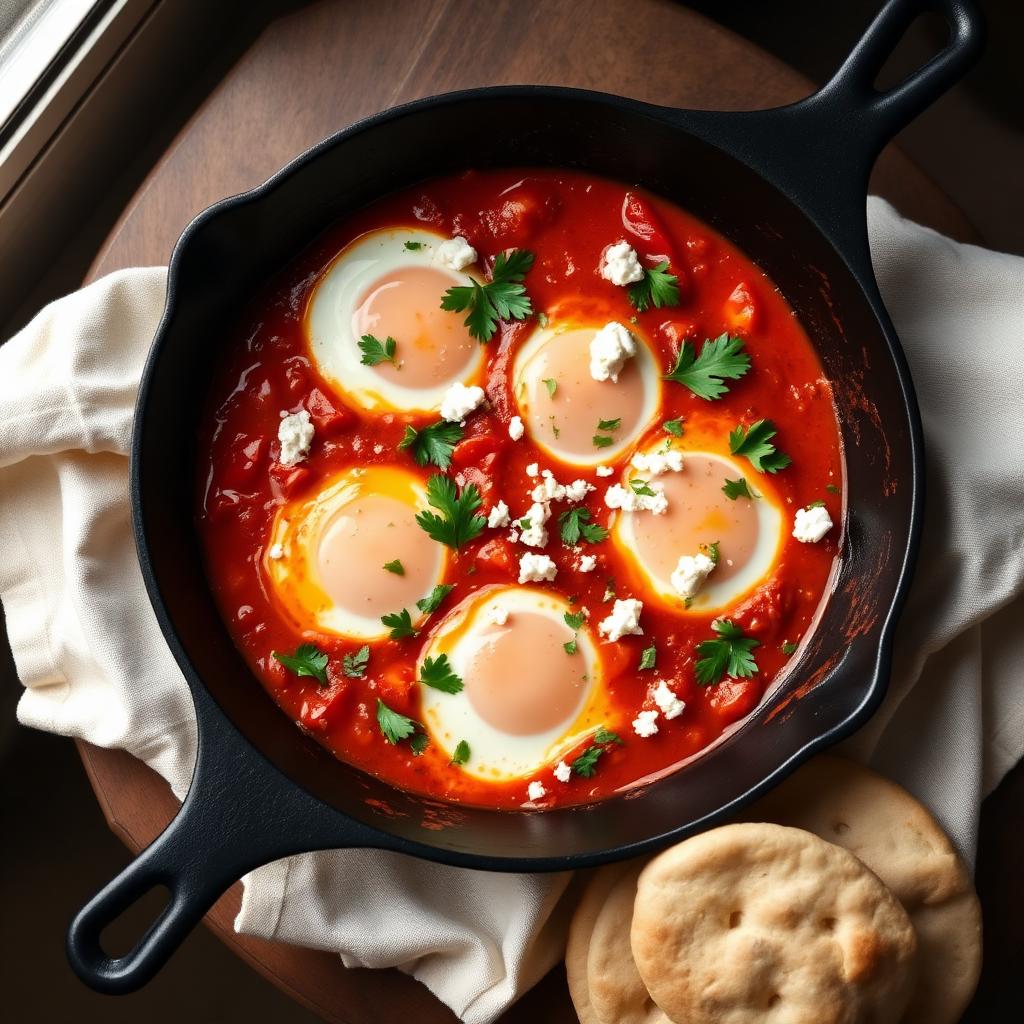
35 min · Serves 4
Classic shakshuka
The Ana Sortun original — red pepper, tomato, baked eggs, feta.
Read the recipe →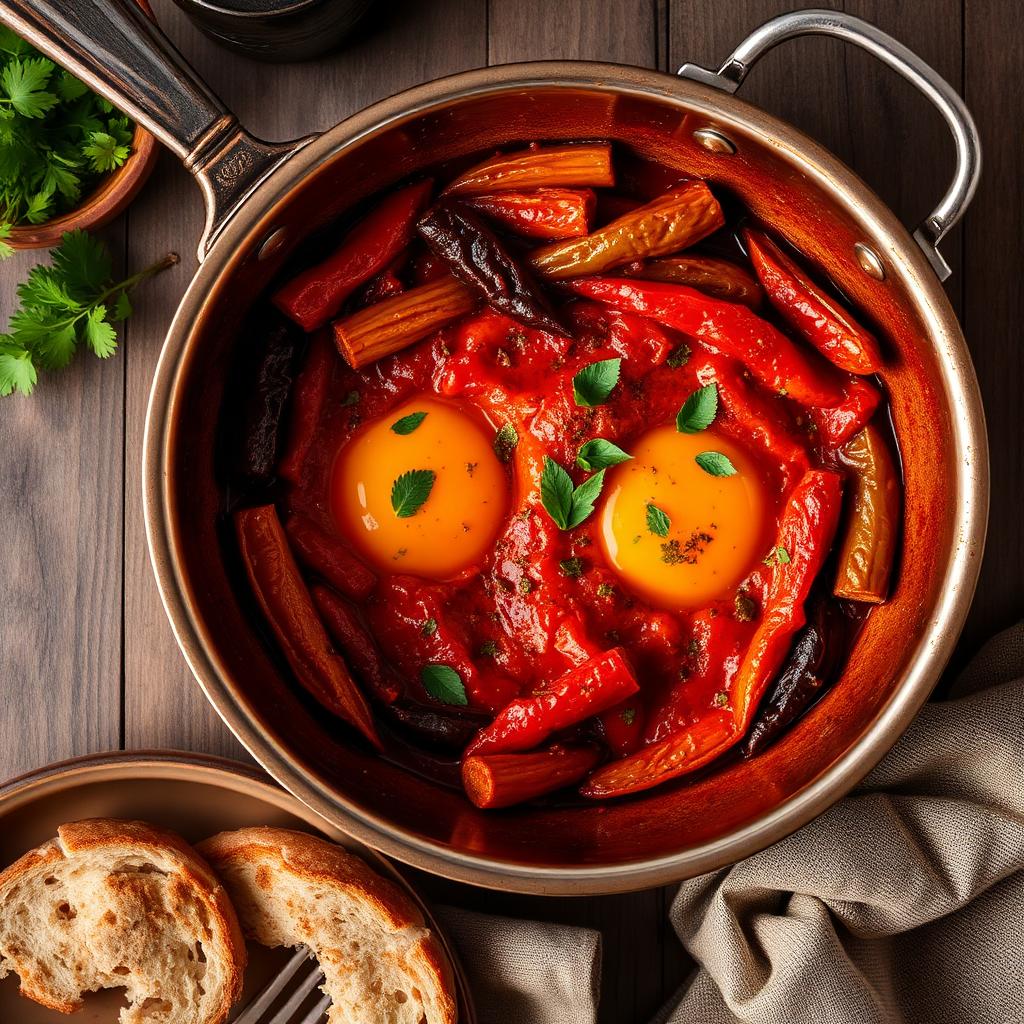
40 min · Serves 4
Tunisian chakchouka
Slow-cooked mixed peppers with rose harissa and baked eggs.
Read the recipe →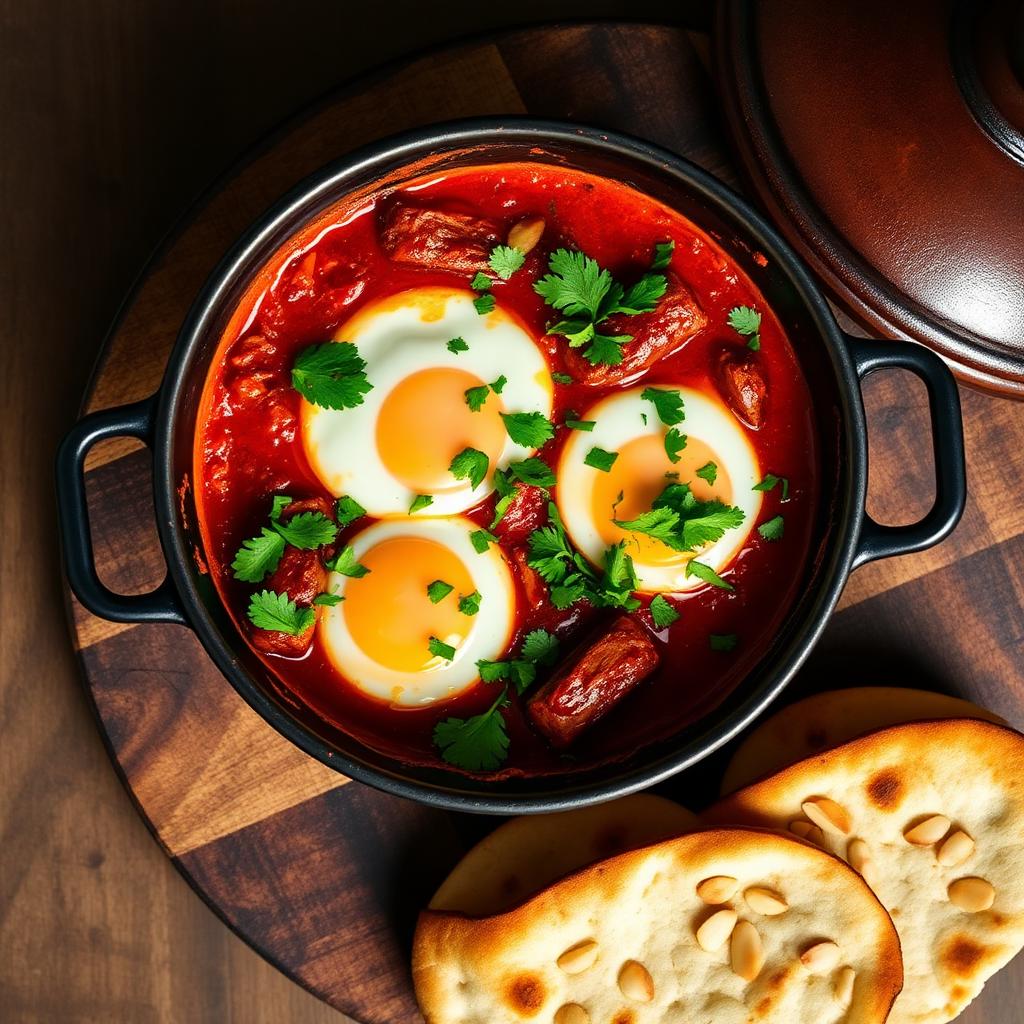
45 min · Serves 4
Moroccan lamb shakshuka
Lamb merguez, harissa, ras el hanout, toasted almonds.
Read the recipe →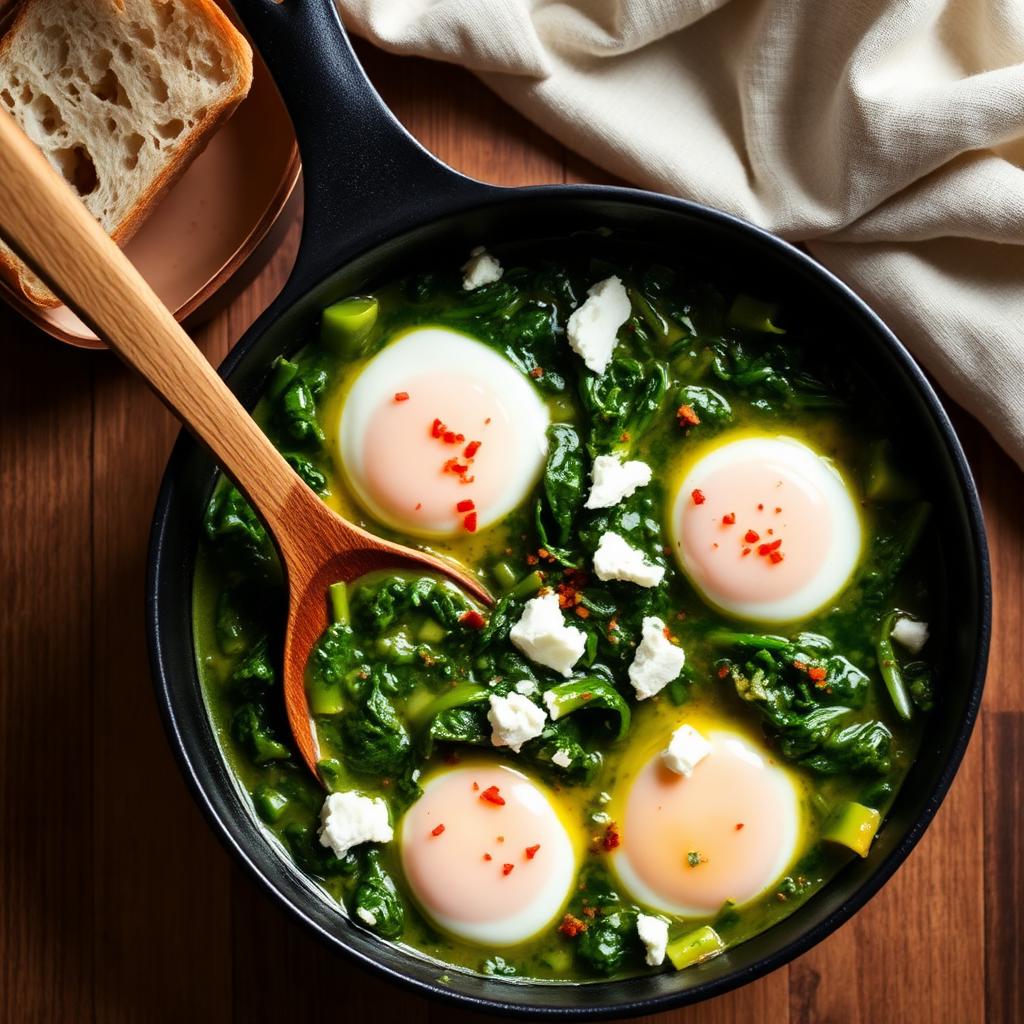
25 min · Serves 4
Green shakshuka · Jamie
Wilted greens, leeks, herbs, feta — the weekday cousin.
Read the recipe →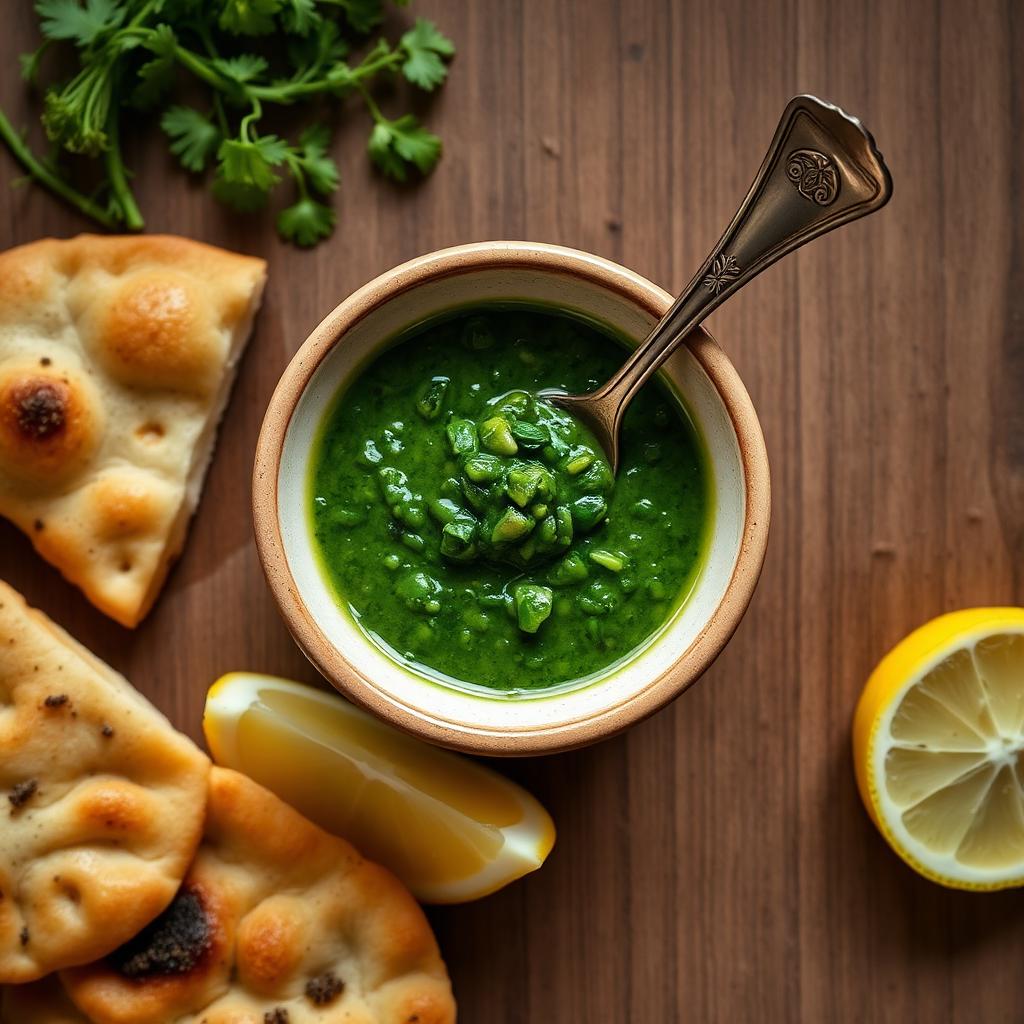
The sauce that goes on top of everything
Zhoug — the universal condiment.
Yemeni in origin, Israeli by adoption, mine forever. Fiercely green, garlicky, cardamom-scented. A spoonful on top of any shakshuka takes it somewhere else entirely. A swipe under grilled fish, a stir through Greek yoghurt, a dollop on eggs on toast. Ten minutes in a food processor and it lives in the fridge for a week.
Read the zhoug recipe →Breakfast-for-dinner order of play
- To arrive — mint tea in glass cups, or something cold and dry.
- On the table — warm puffed pita, sliced avocado, cucumbers, olives, crumbled feta.
- The star — a bubbling skillet of shakshuka, carried to the middle of the table.
- Non-negotiable — a small bowl of zhoug next to it, spoons in.
Summer entertaining · book club
The summer ladies' book club lunch.
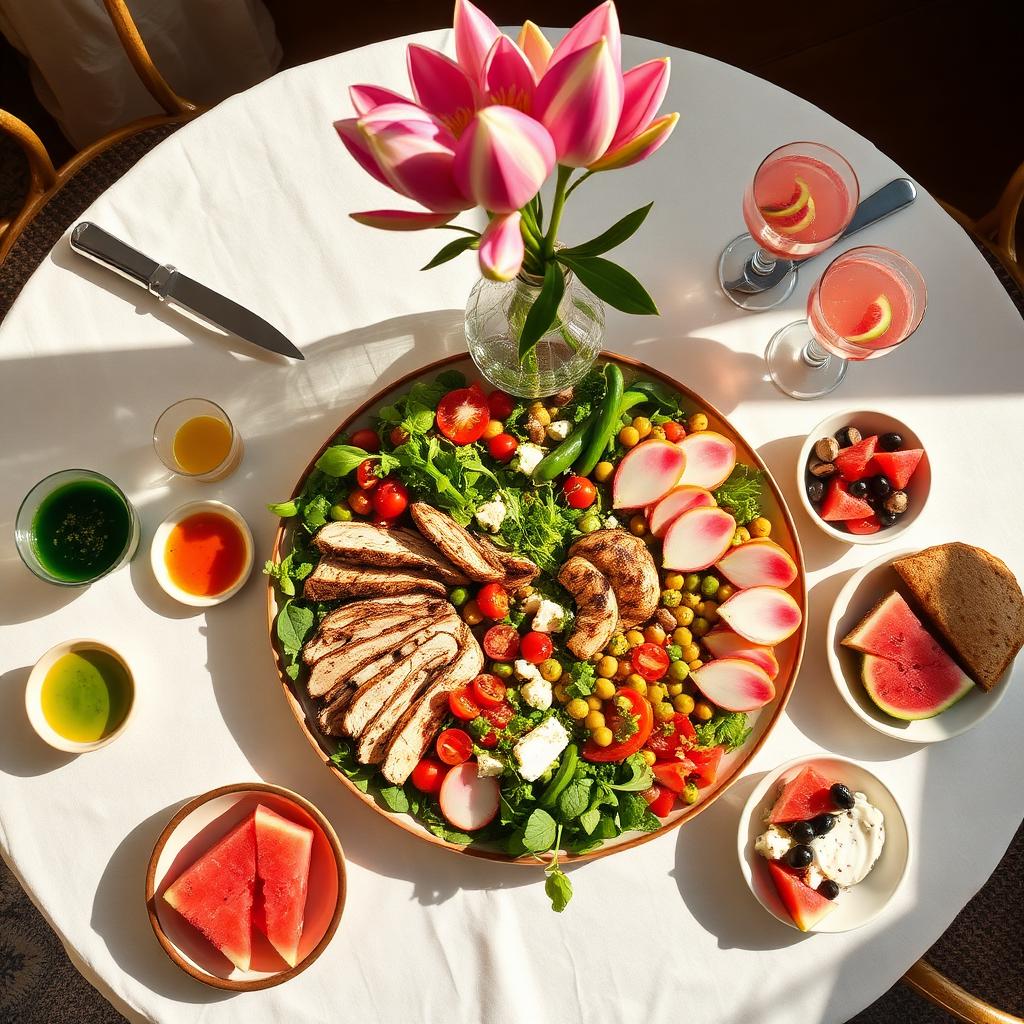
Salad as a meal — with fanfare
I love salad as a meal, but it must have an element of fanfare and opulence alongside some lovely accompaniments. For a book club of good friends, I go all in: the Grilled Chicken Summer Salad by Gina Marie & Miraglia Enríquez, published in Gourmet and archived on Epicurious.
It has more components than a busy floral summer dress — this is the fascinator that rounds out a great look at some lardida party! A radish–cucumber salad, a chickpea salad, a green bean salad, grilled mushroom and chicken, a fresh tomato salad, and finally torn lettuce with a standard vinaigrette. Find the biggest platter you can get your hands on — this one will need it.
Around it: an olive and feta focaccia, a watermelon and feta salad with chilli crisp and herb oils, and a bowl of labneh pooled with the little bottles of homemade herb oils to lap up with the bread. Lemon and herb butter new potatoes on the side. The cocktail is a Paloma — the pink grapefruit is refreshing and lovely for an afternoon of laughs and book sharing, or whatever people do at book clubs.
Proteas on the table — pink and cream king proteas in a tall glass vase, because if a South African is hosting a summer lunch, the flowers should say so.
The menu — with recipes
One platter, everything around it.
Click any card for the full recipe. Every element can be made the day before except the lettuce and the Paloma.
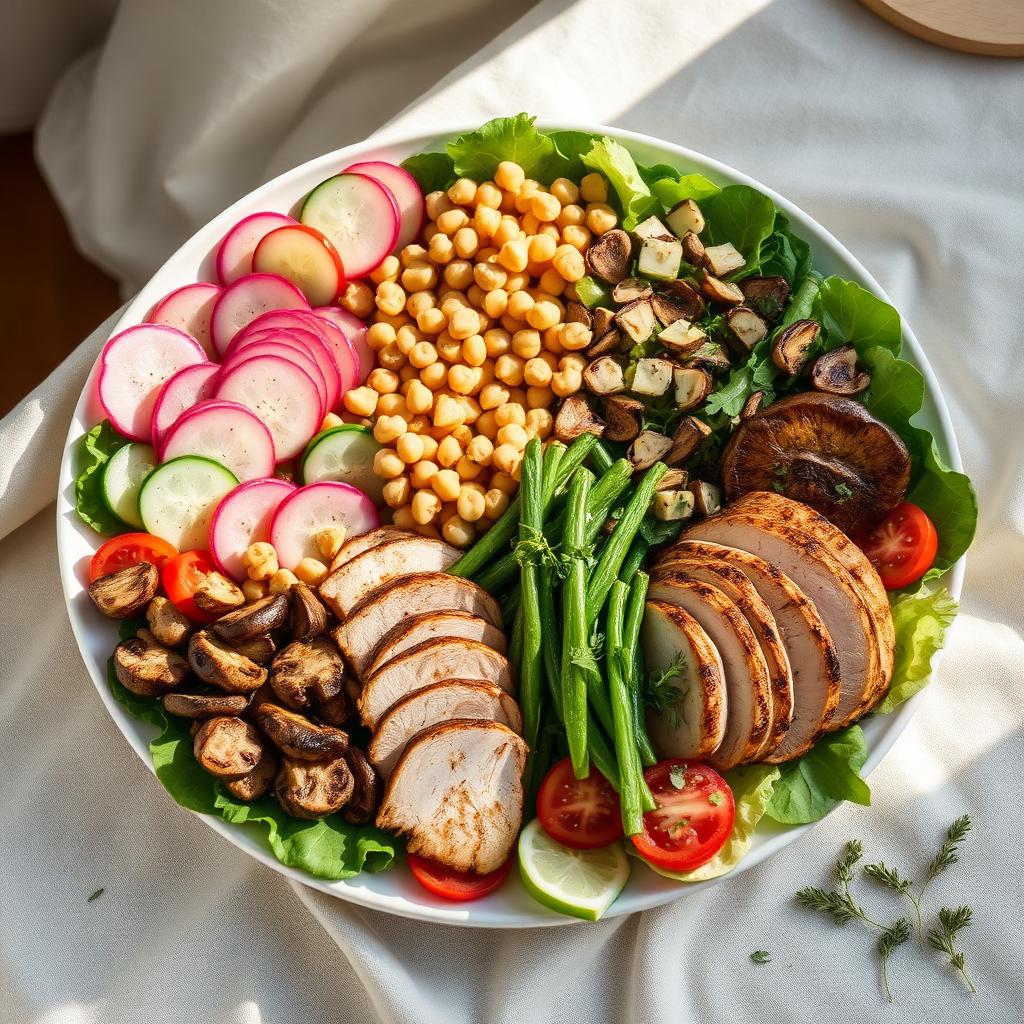
1 hr 20 min · Serves 8
Grilled chicken summer salad
The Gourmet / Epicurious original — six little salads, one enormous platter.
Read the recipe →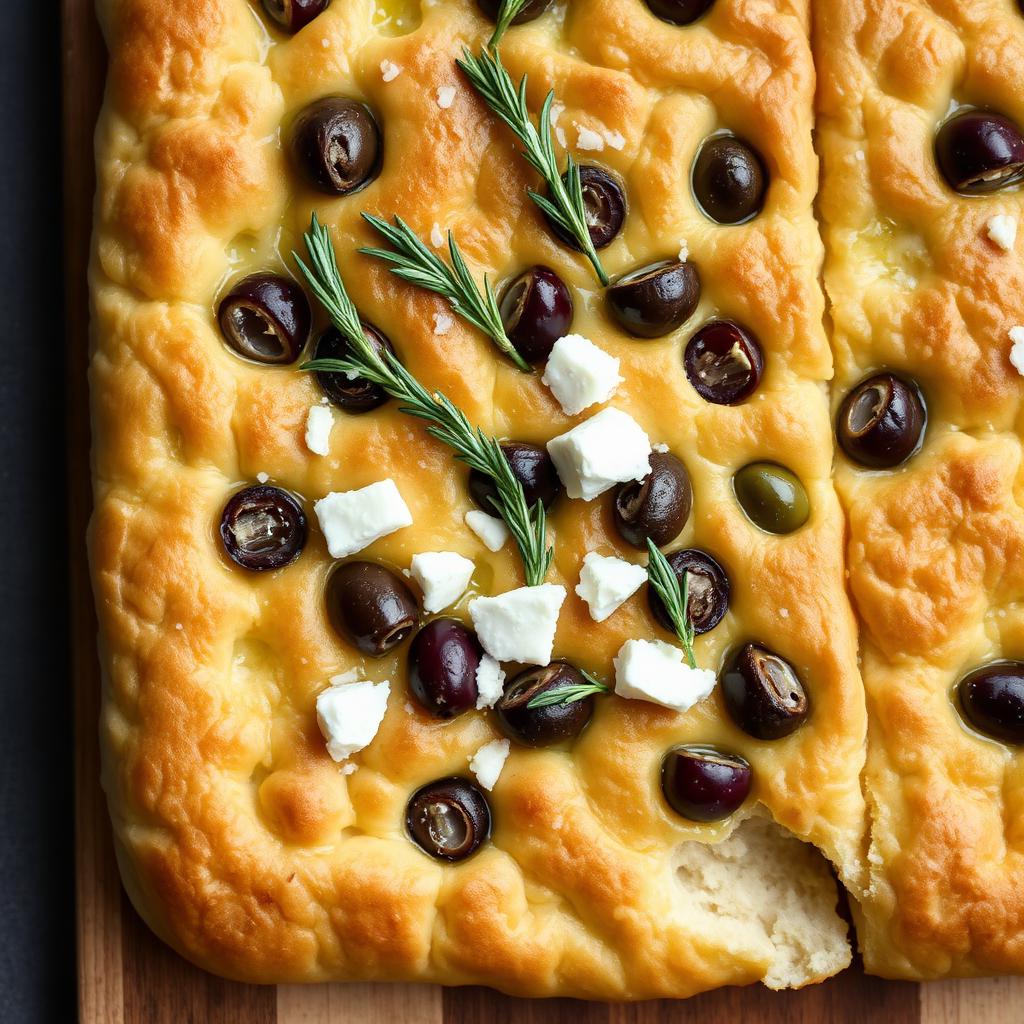
3 hrs · Serves 8–10
Olive and feta focaccia
Dimpled, golden, kalamata and green olives, feta and rosemary baked in.
Read the recipe →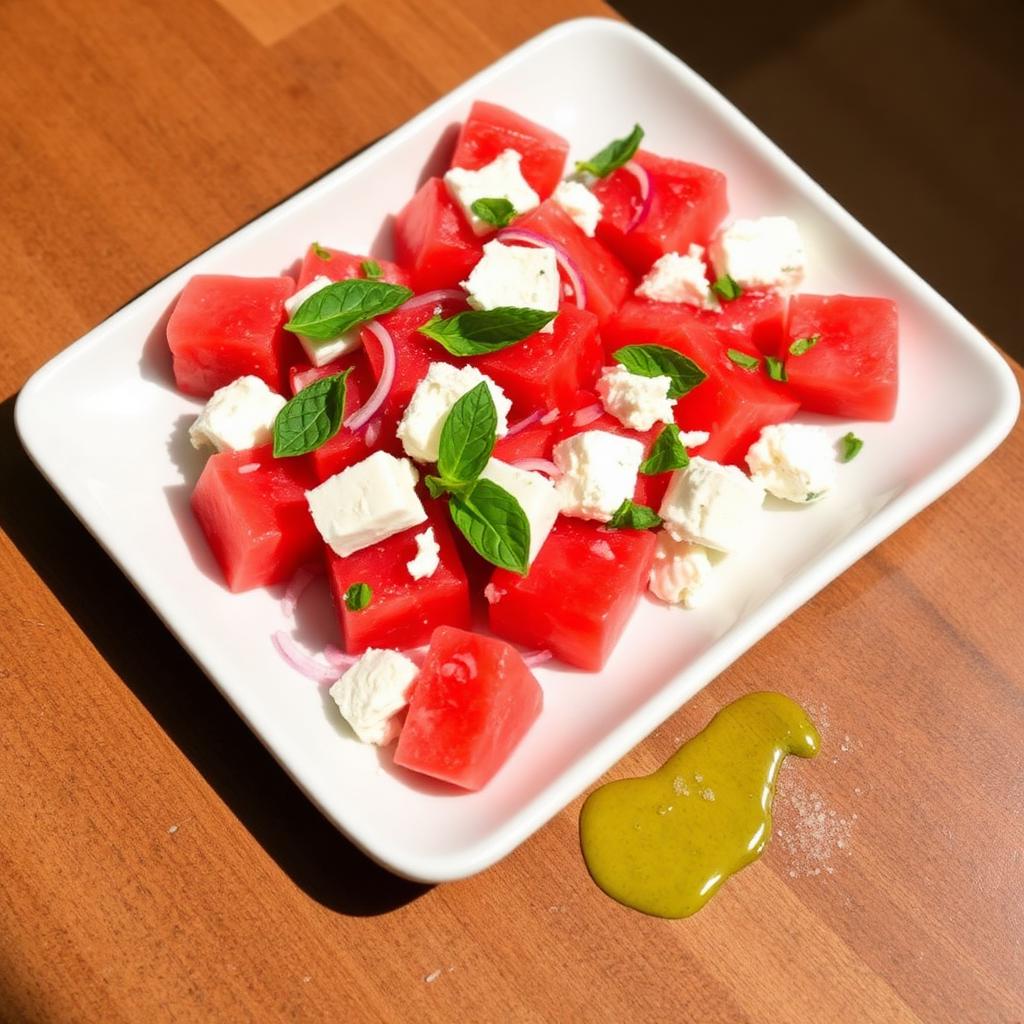
10 min · Serves 6
Watermelon & feta salad
Ice-cold watermelon, feta, mint, chilli crisp and basil oil.
Read the recipe →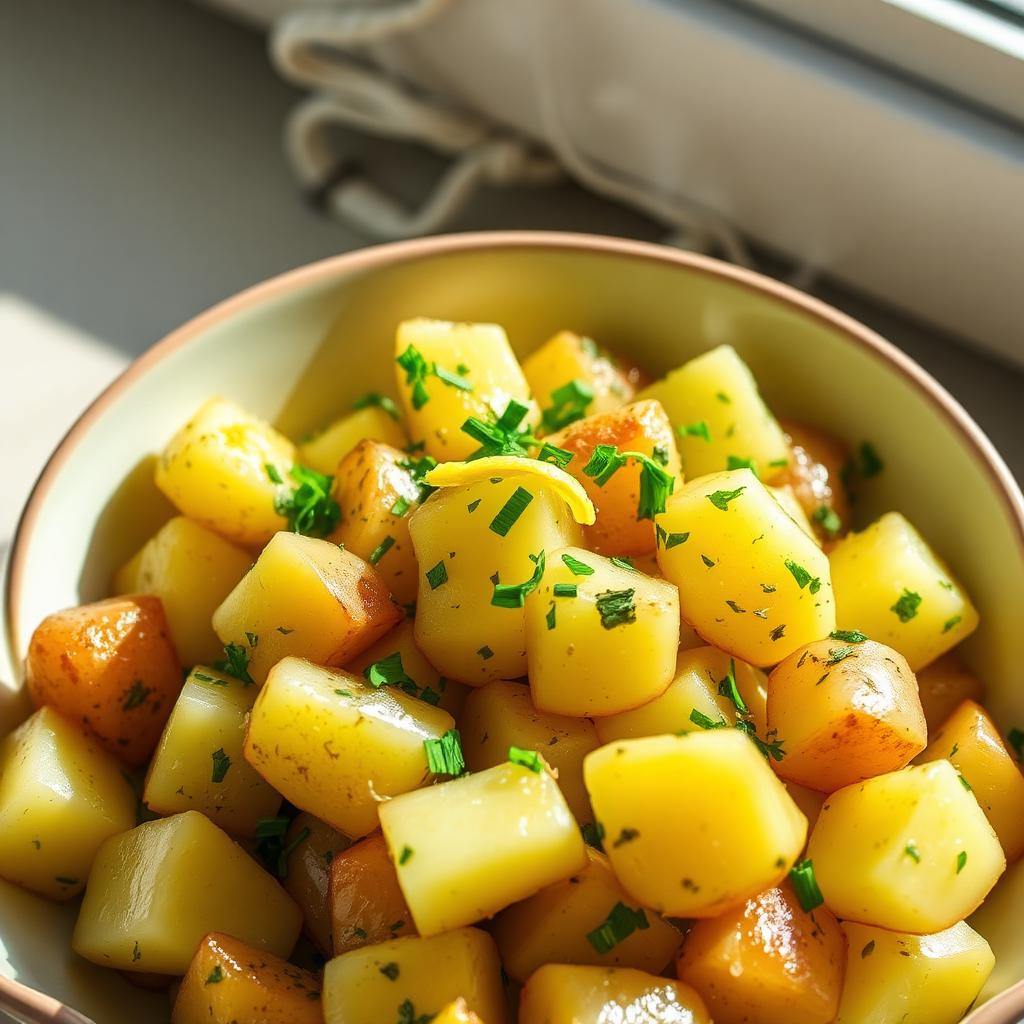
30 min · Serves 6–8
Lemon & herb butter new potatoes
Baby potatoes tumbled in lemon zest, parsley, chives and thyme butter.
Read the recipe →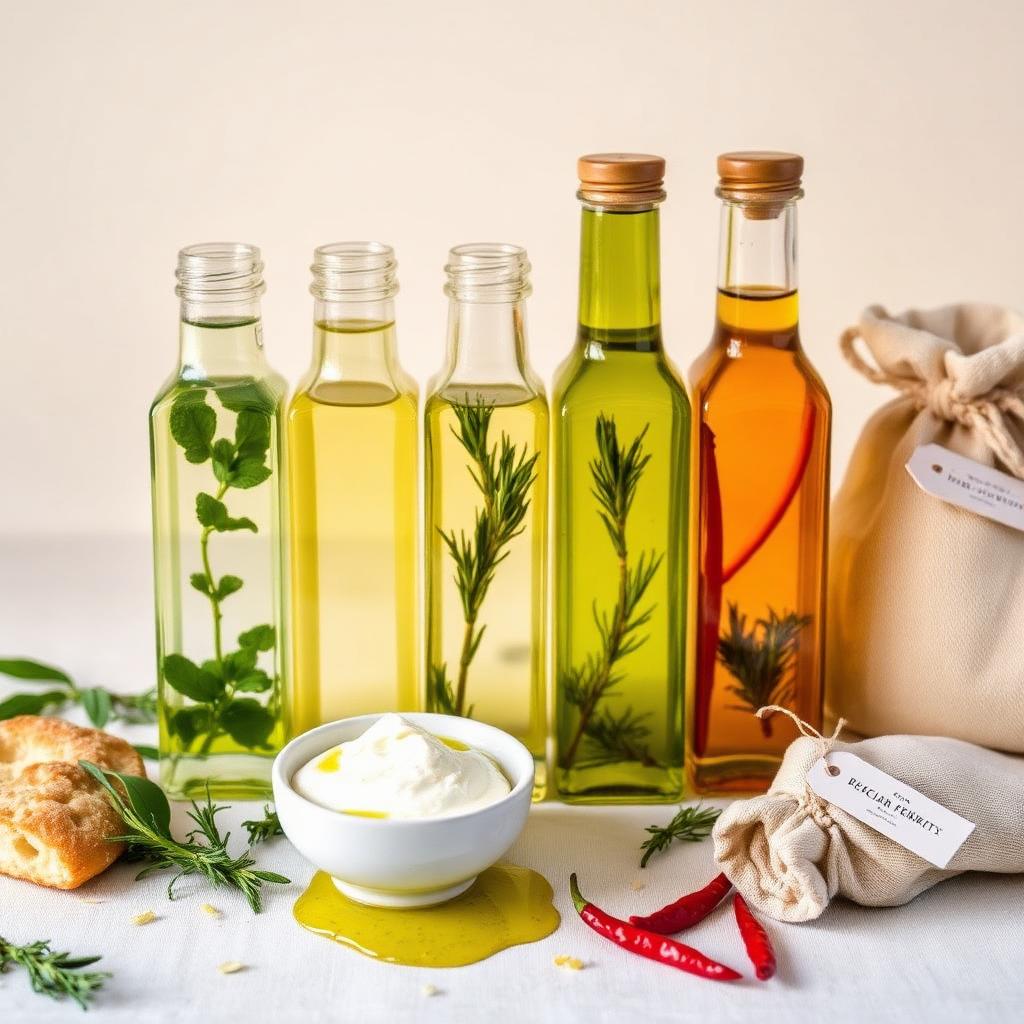
20 min · Makes 5 bottles
Five homemade herb oils
Basil, parsley, coriander, rosemary-lemon, and my favourite cayenne pepper oil.
Read the recipe →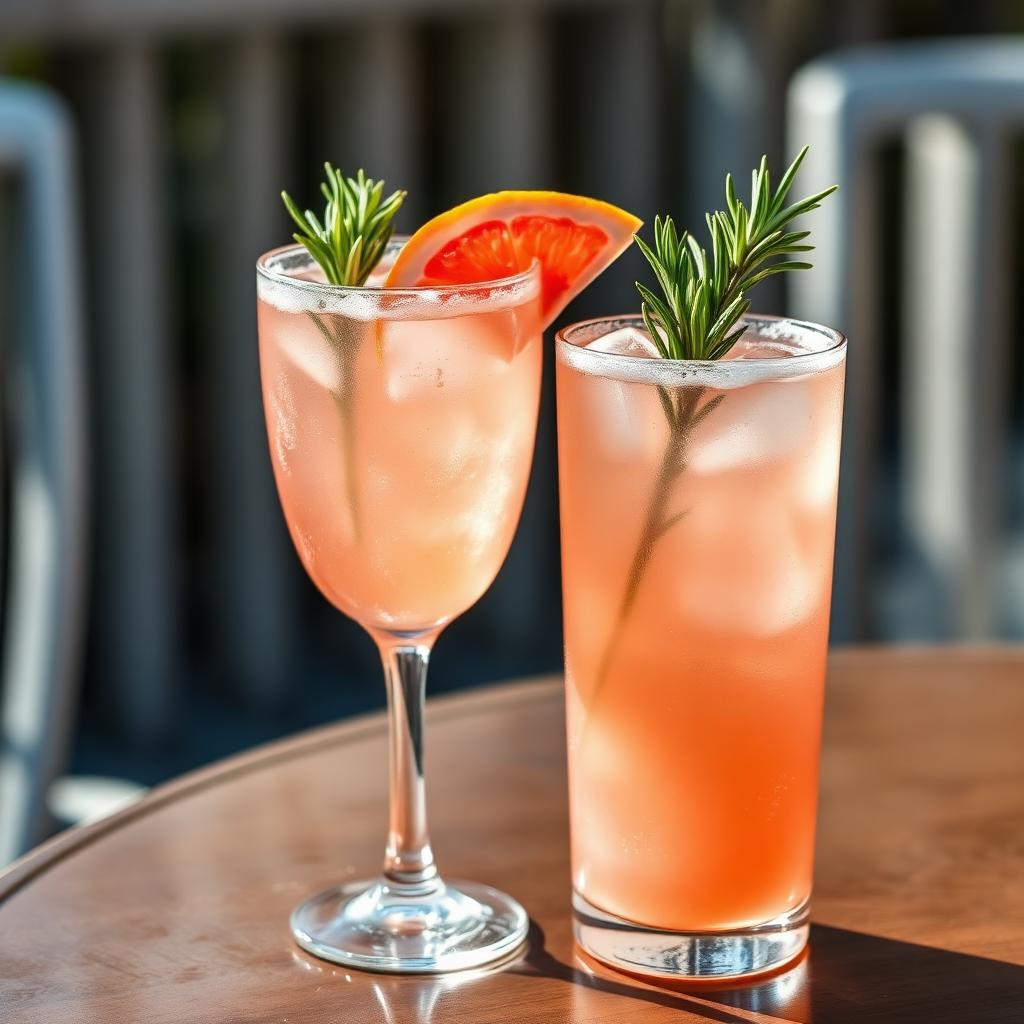
5 min · Per glass
Paloma — pink grapefruit & tequila
The cocktail of the afternoon — bitter, refreshing, and made for slow chat.
Read the recipe →A little gift as they leave
Herb oils and speciality salts, in a linen pouch.
I decant the herb oils into small glass bottles — basil, parsley, coriander, rosemary-lemon, and my favourite cayenne — tie a linen ribbon and a hand-written tag around the neck, and tuck each one into a linen pouch with a small jar of speciality salt — smoked, chilli, rose petal, or a herb-flecked one. Every lady leaves with a little edible thank-you for coming.
Pool an oil or two over a shallow bowl of labneh on the table, put out warm focaccia, and let everyone drizzle and lap up while the salad platter comes around.
Read the herb oils recipe →Book club order of play
- On arrival — a cold Paloma with a salted rim, a wedge of pink grapefruit and rosemary.
- On the table — proteas in a tall vase, labneh pooled with basil and cayenne oils, warm olive-and-feta focaccia torn into the middle.
- The star — the composed grilled chicken summer salad on the biggest platter you own.
- Alongside — watermelon and feta salad with chilli crisp, lemon and herb butter new potatoes.
- The book bit — coffee, and whatever people actually do at book clubs.
- As they leave — a linen pouch, a bottle of herb oil, a jar of speciality salt.
Chokka, chilli, and a nod to Nigella
Salt and pepper chilli squid.
Tonight I'm making Nigella's salt and pepper chilli squid for the very first time. When I lived in England every woman I knew wanted to be Nigella — the goddess in the kitchen at midnight, licking a spoon in a silk dressing gown. I've never had much luck with her recipes, if I'm honest. Fingers crossed this one breaks the streak.
And a proper shout for the star ingredient: South Africa's Eastern Cape chokka squid. Line-caught off Port Elizabeth, it's some of the finest in the world — and almost all of it is exported to Spain and Italy because we can't afford our own catch. There is so much that this country does better than anyone else, and we don't shout about it nearly enough. So consider this a shout.
Read the recipe →The ultimate date night
Prawns in prawn bisque.
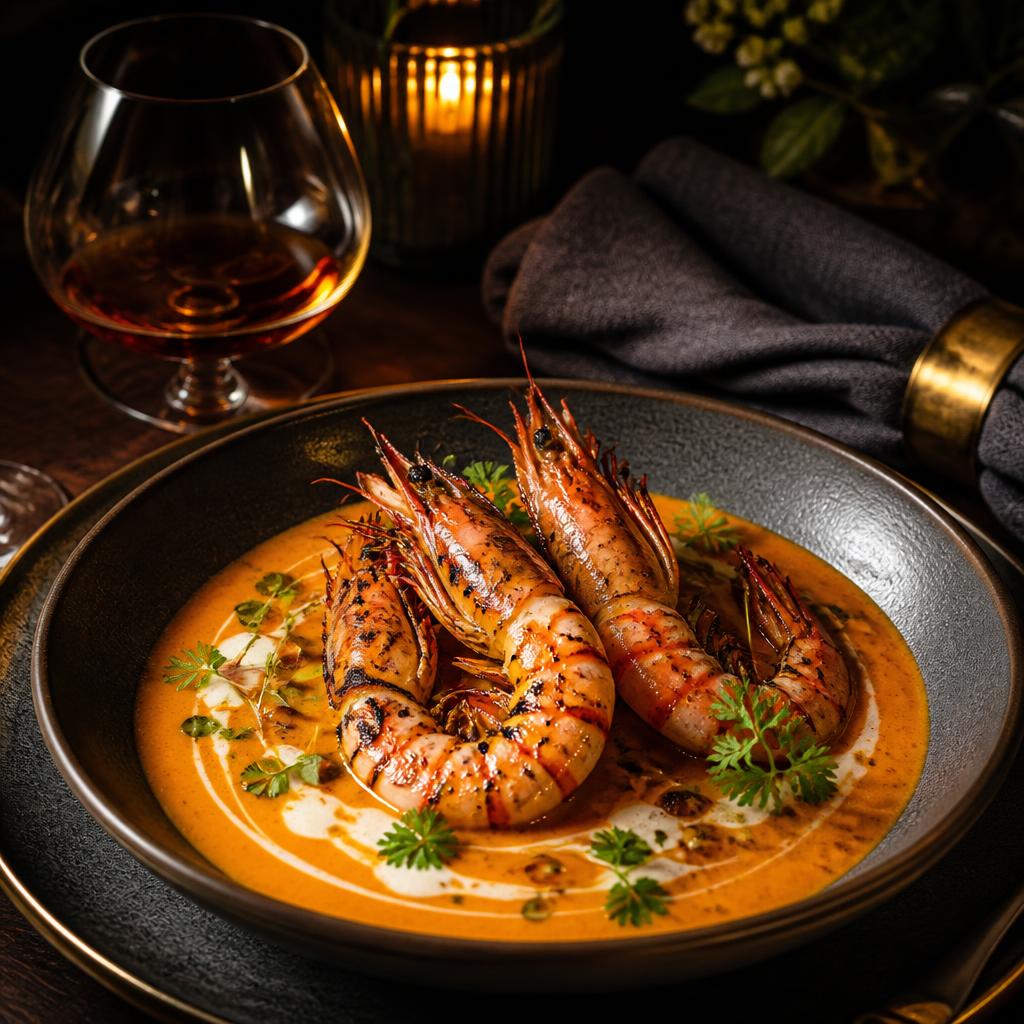
If you are passionate about food and passionate about cooking, you will dive straight into this classic. Prawns in prawn bisque is the absolute best — I have watched it made on MasterChef Australia a million and twenty times. The French just know. I mean, when you know, you know.
The recipe I follow is Rick Stein's: shells toasted in butter, brandy flamed, rice as the thickener instead of flour, everything passed twice until it runs like silk. Then fat tiger prawns seared for barely 90 seconds and set into the middle.
Get your seafood from Dunkeld Fisherman's Deli. I love them — the absolute best of the best in Gauteng. Trust me. Buy the prawns whole, heads and shells on; that is where the bisque comes from.
Read the recipe →French soups
The classics, and the seafood and fish ones.
French onion soup will definitely surprise you. It is obviously not something I grew up eating, being South African, but with my travels and my love of adventure when it comes to food, this is so good. So simple to make, and it packs a flavour punch in the gut in the absolute best way. Then crab bisque — I adore crab, and this is a crowd pleaser. If you are hosting people in winter and you want an impressive starter, this is amazing.
Bouillabaisse is the great seafood and fish one, Marseille in a bowl, with rouille croutons floated on top. Soupe au pistou is homely and comforting, though I think I prefer minestrone if I am honest. A new addition for me is bourride, a stunning and simple fish soup. Lovely, just lovely. I use kingklip as it is a meatier fish and does not crumble like hake. Kingklip is pricier, and fish in South Africa is way too expensive — which makes no sense when we are blessed with the Atlantic and the Mozambican currents. Buy your seafood and fish from Dunkeld Fisherman's Deli.
All from The Food of France by Maria Villegas & Sarah Randell
French onion soup
Onions browned for the better part of an hour, good beef stock, a raft of baguette and molten gruyere.
Read the recipe →
Crab bisque
Silky, coral-coloured and quietly luxurious. The winter starter that makes the table go quiet.
Read the recipe →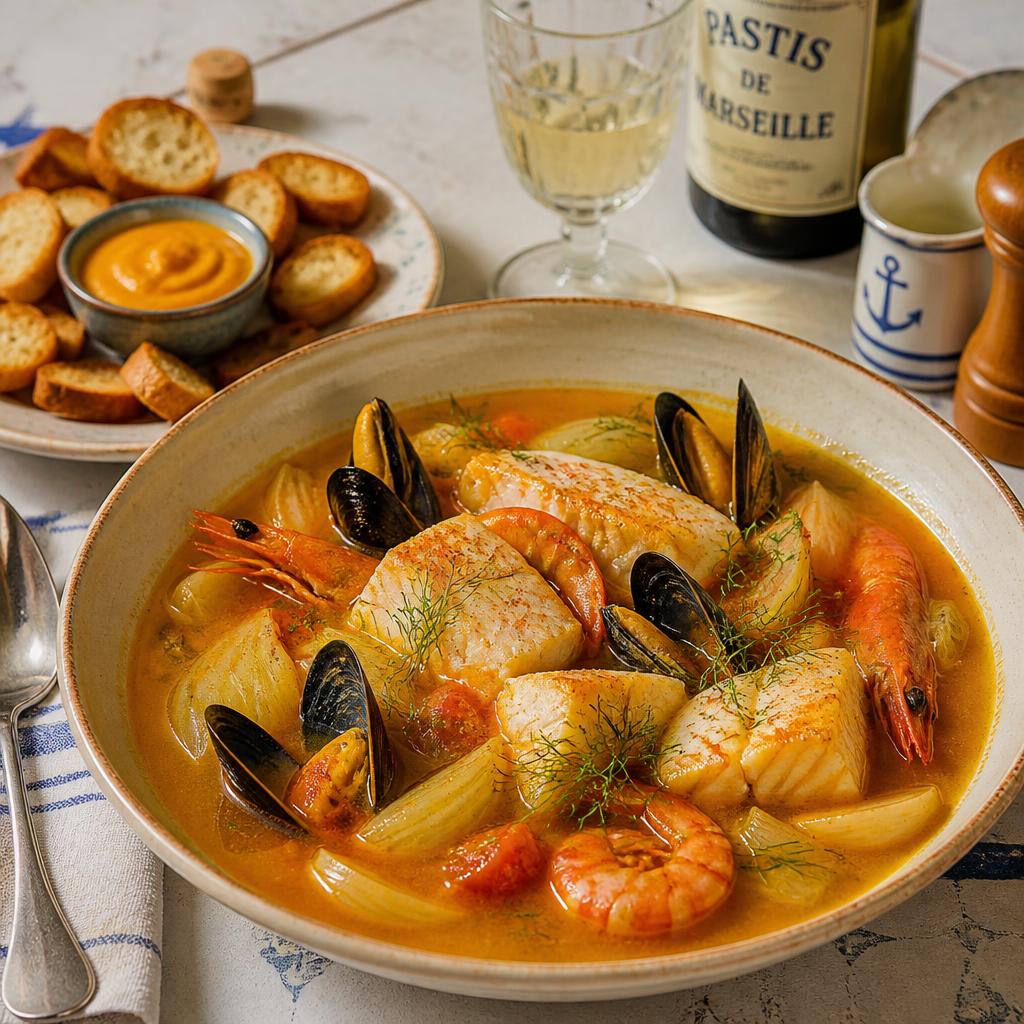
Bouillabaisse
Saffron and fennel broth, kingklip, mussels and prawns, with rouille croutons floated on top.
Read the recipe →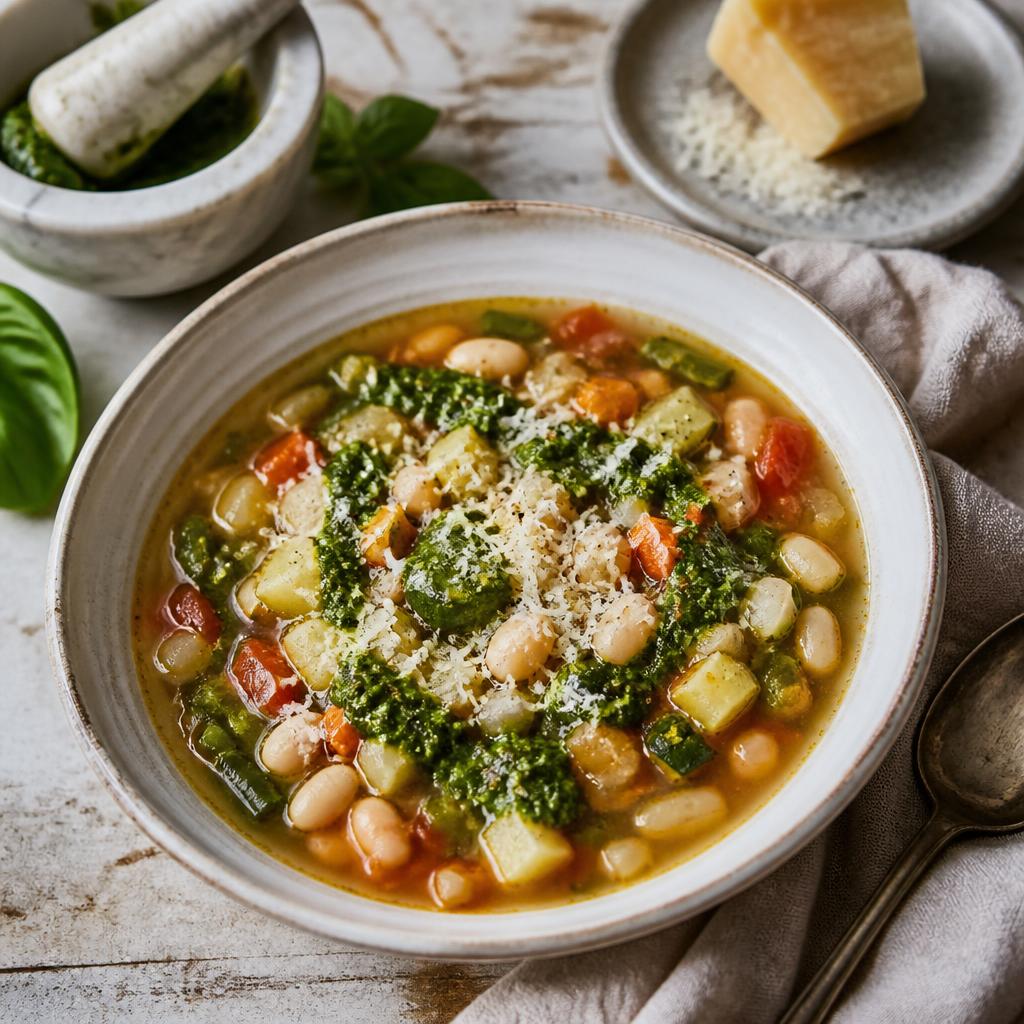
Soupe au pistou
Vegetables, white beans and small pasta, with basil pistou spooned in at the table.
Read the recipe →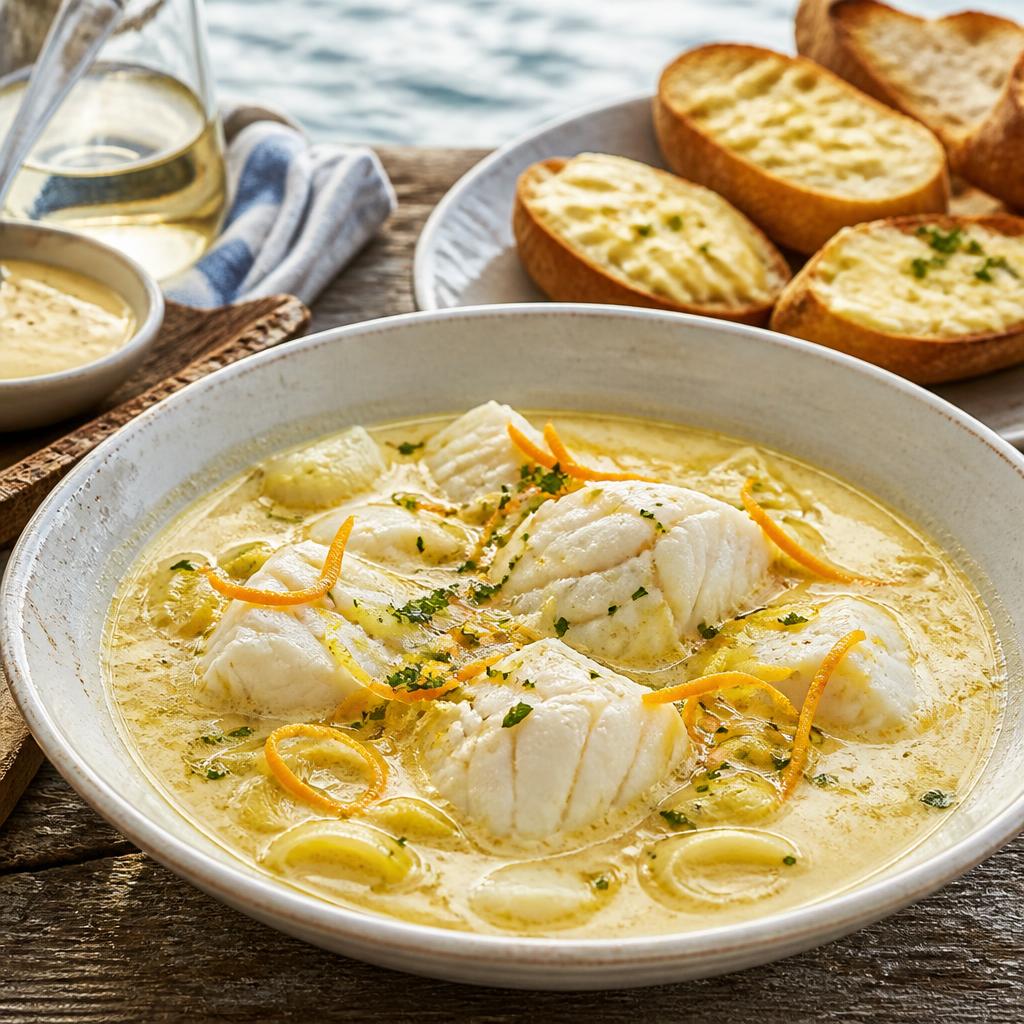
Bourride with kingklip
A fish soup thickened with aioli until it turns pale gold and velvety. My new favourite.
Read the recipe →A French classic
Provençal tart — sunshine on a rectangular plate.
I adore French food — it is so easy and so tasty. This provençal tart is the perfect thing when you are feeding a crowd with a French theme: a sheet of golden pastry, sweet roasted tomatoes, caramelised onions and black olives, all scented with herbes de Provence. It looks elegant, travels well from kitchen to table, and disappears fast.
The pastry is easy, but if you do not want to make your own, puff pastry is a wonderful shortcut. I promise everyone will love this — young and old alike. Serve it warm or at room temperature, cut into neat rectangles, and let people help themselves.
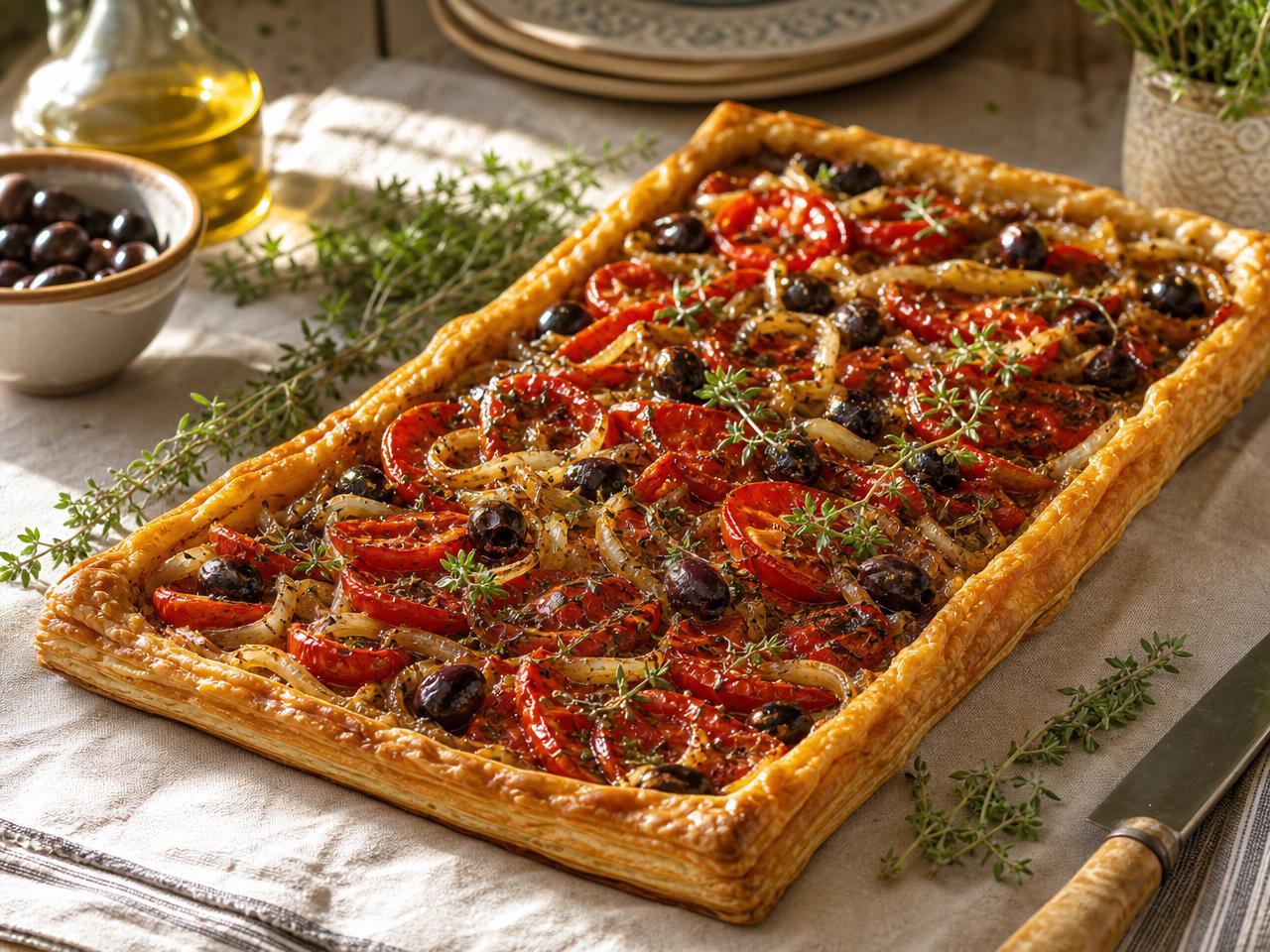
The main event
Provençal tomato & olive tart.
A light tart that can be served for a crowd. The tomatoes collapse into jammy sweetness, the olives bring a salty punch, and the herbes de Provence make the whole kitchen smell like the south of France. It is the kind of dish that looks like you tried harder than you did.
A nod to Provence — land of lavender, cicadas, market tables groaning with sun-ripe vegetables, and lunch that stretches until the light changes.
Get the recipe →In the glasses
Provence-style dry rosé is the obvious and perfect match — pale, crisp, and made for tomatoes and olives in the sun. A Sancerre cuts through the pastry with grassy precision, while a lightly chilled Chablis brings mineral tension to the sweet tomatoes. For something a little richer, try a young Côtes de Provence red.
On the table
Serve with a big green salad dressed in Dijon vinaigrette, a basket of warm baguette, and small dishes of cornichons and Dijon mustard. Keep the music light — a little Édith Piaf, a little Django Reinhardt — and let the afternoon feel like a holiday in the south of France.
Give it a try. I promise everyone will love this.
Lazy Saturday lunch
Baked trout with fennel and capers — a pescatarian homecoming.
I used to be a pescatarian — through Bournemouth, through Brighton, and again when I came home to South Africa. Fish has always been the thing I return to, and this French dish is the newest addition to my arsenal. Baked trout with fennel and capers: simple, delicate, and a genuine crowd pleaser. One tray, twenty-five minutes, and everybody quiet at the table.
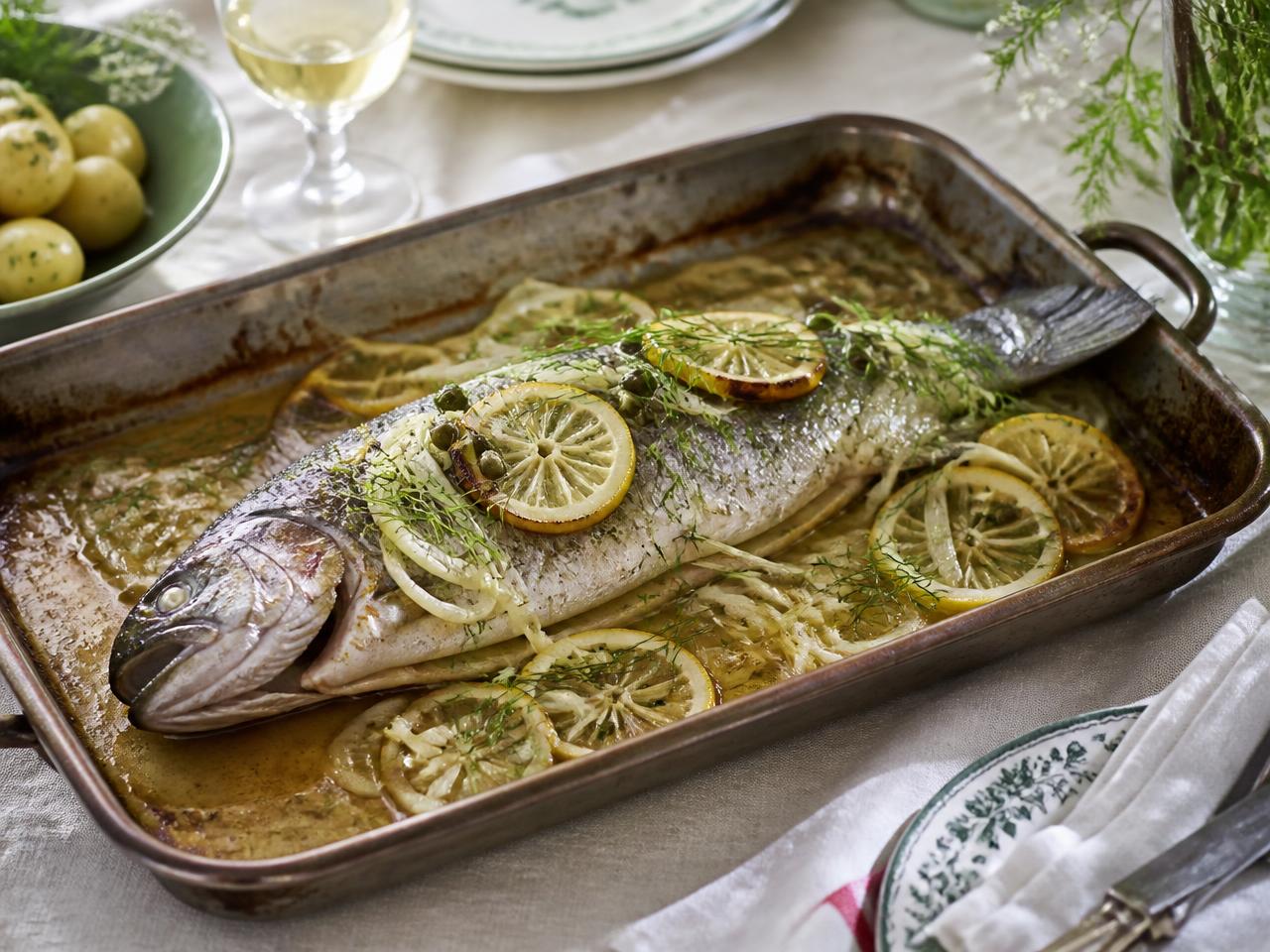
Where the trout comes from
South Africa has a serious trout industry, and Dullstroom in Mpumalanga is its headquarters. Whisky is huge there too — there is genuinely not much else to do, so it is not my favourite place in the country. But the fish and the whisky are legendary, and I will happily eat the results.
Farms and waters worth knowing: Critchley Hackle and Walkersons (Dullstroom), Dullstroom Trout Hatchery, Three Streams Smokehouse (Franschhoek), Lunsklip Fisheries (Machadodorp), Highland Trout and Belfast Trout Farm in the Mpumalanga highlands, plus the Franschhoek and Ceres valleys in the Cape.
In the glasses — South African whites
Spier, in Stellenbosch, is one of the oldest wine farms in the country — the original farm dates to 1692, and today it is as well known for its sustainability and Growing for Good work as for its wines. Their Chenin Blanc and Sauvignon Blanc are fresh, generous and beautifully priced, and the Signature and 21 Gables whites are my table wines of choice.
Paul Cluver is the other one I reach for — a family estate in the cool Elgin Valley, high and misty, more apple country than wine country until the Cluvers proved otherwise. Their Riesling and Chardonnay have a tight, mineral, cool-climate line that is made for buttery fish and lemon. Both farms carry this lunch effortlessly.
The rest of the table
Baked trout with fennel & capers
The main event — one tray, buttery caper juices, straight to the table.
Get the recipe →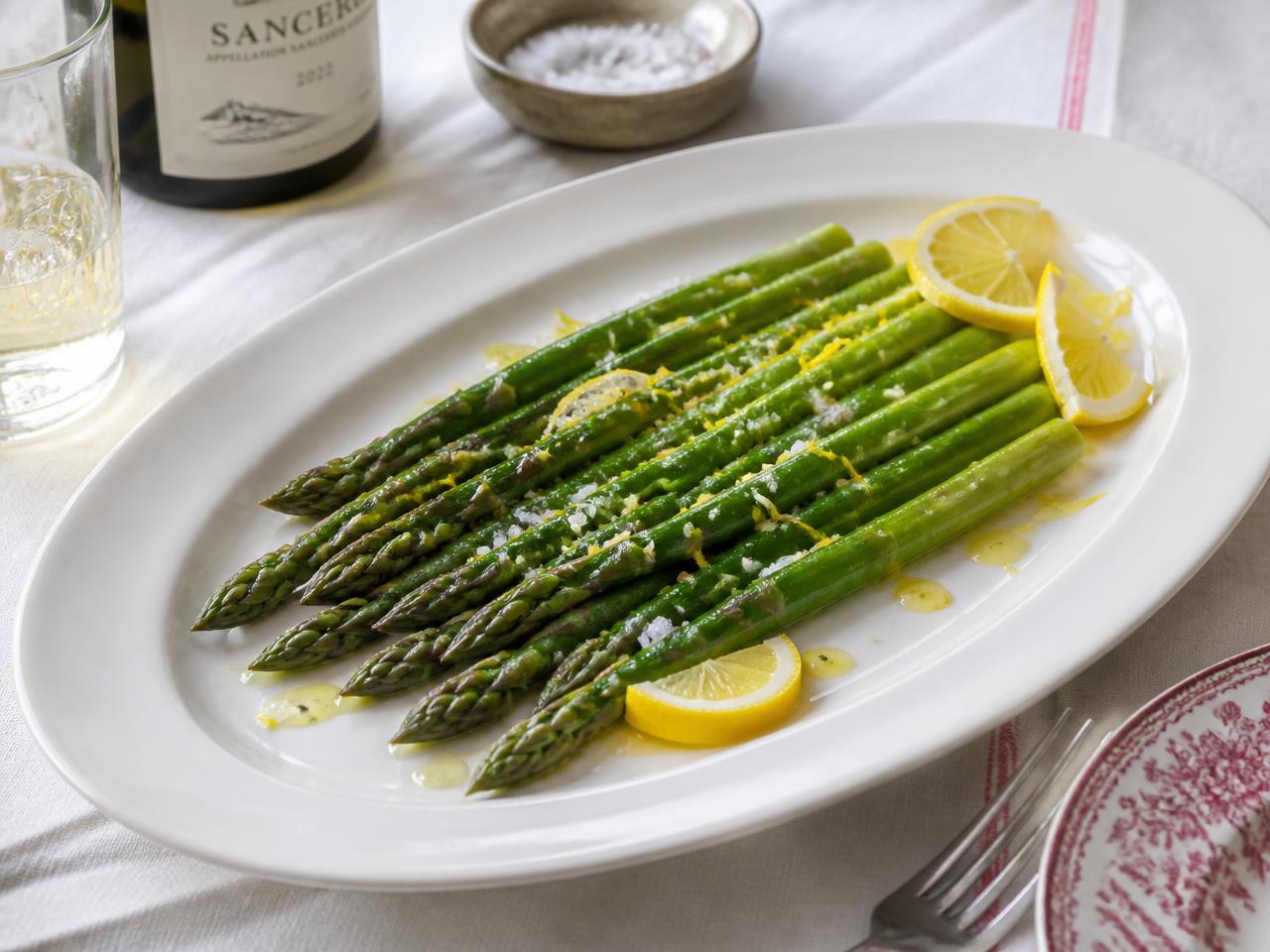
Blanched asparagus, lemon & butter
Barely cooked, emerald green, rolled in butter and lemon zest.
Get the recipe →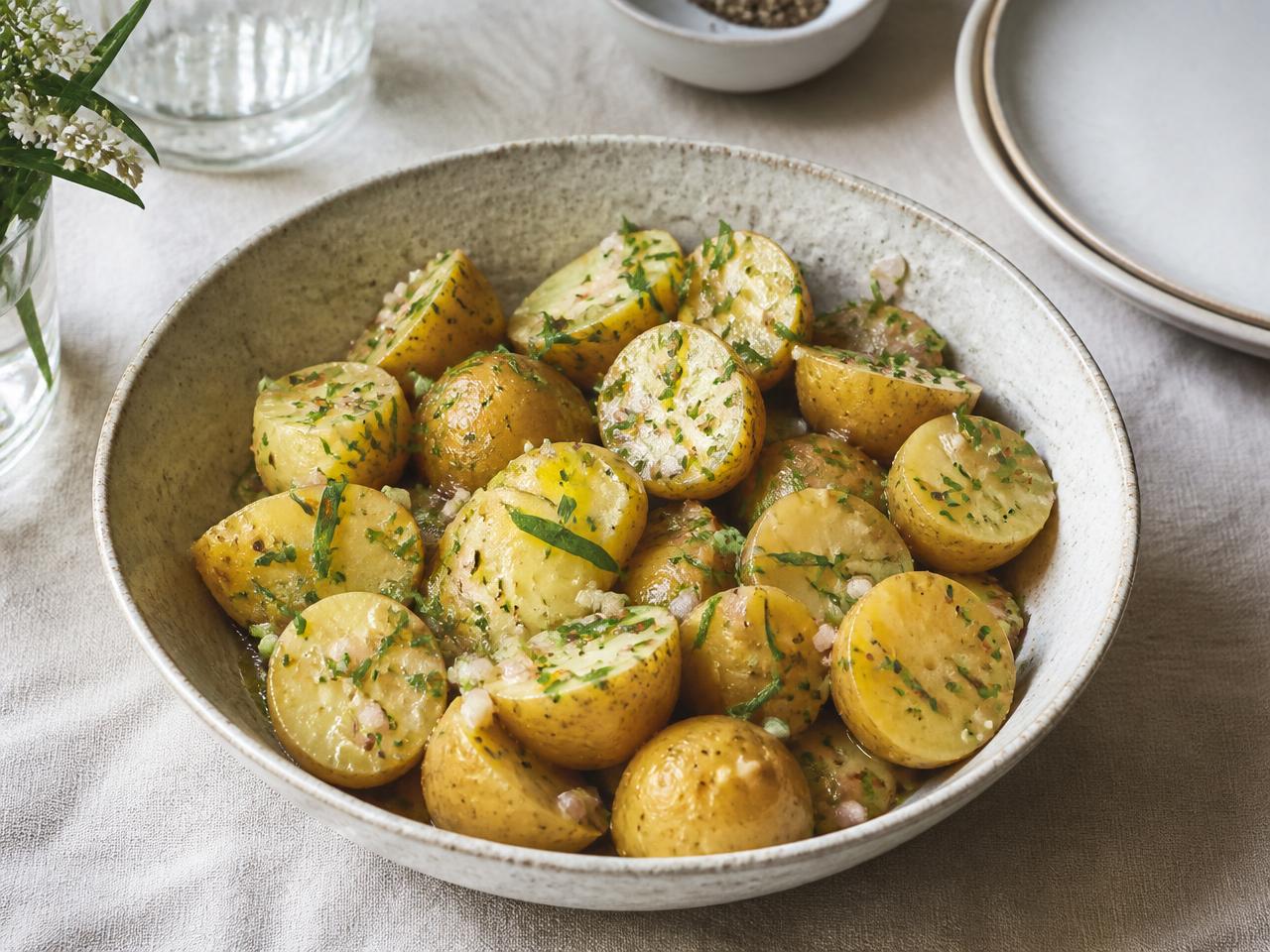
French potato salad
No mayonnaise — warm potatoes drinking up a Dijon vinaigrette.
Get the recipe →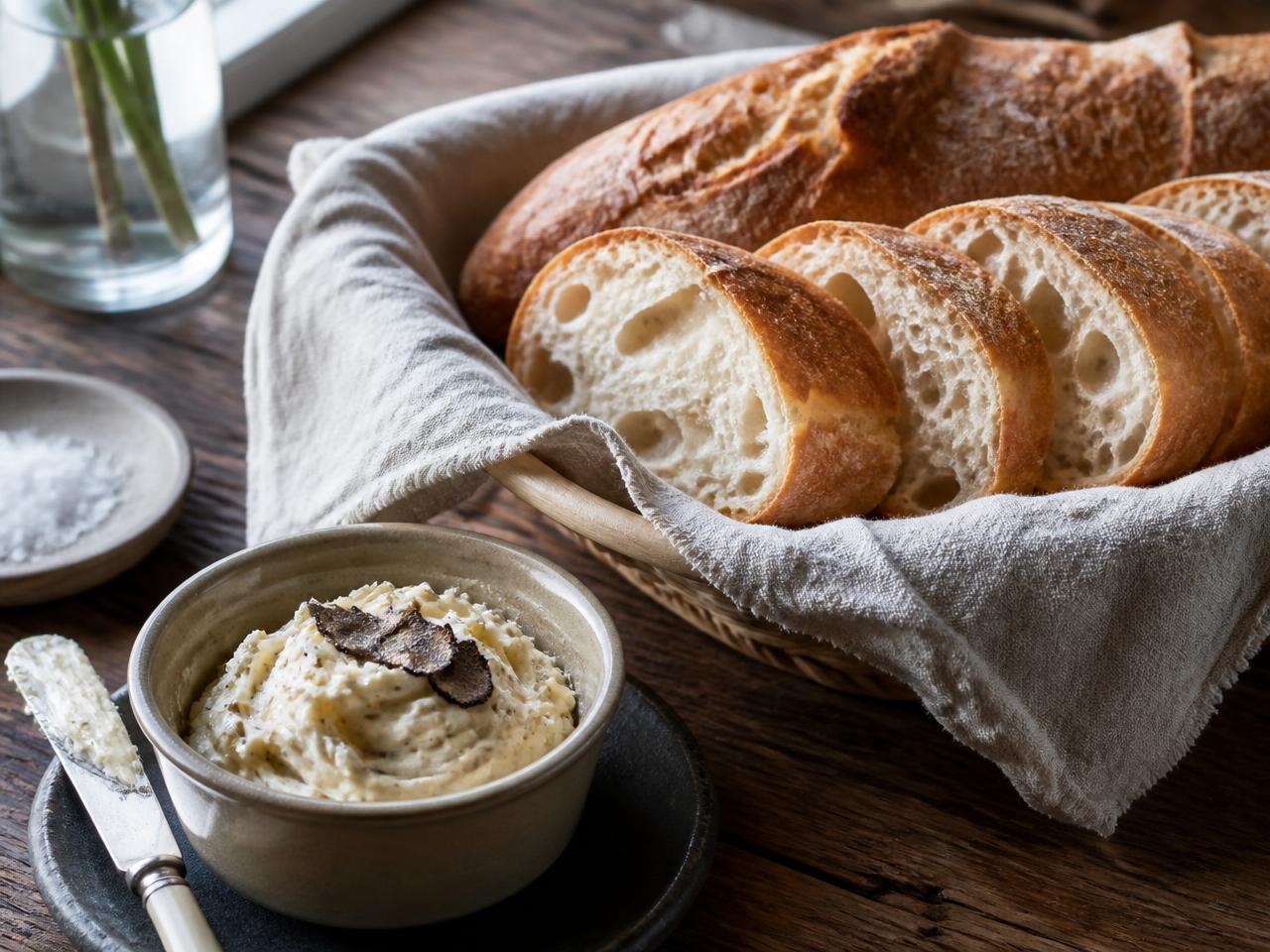
Baguettes & whipped truffle butter
Warm bread, a crock of truffle butter, and a long afternoon.
Get the recipe →This is a lazy Saturday afternoon lunch. Trout in the middle, asparagus and potato salad beside it, baguettes and truffle butter on the table, a cold Spier or Paul Cluver white in every glass, and nowhere at all to be.
Spring ladies' breakfast
A breakfast tart, giant lemon muffins and marmalade to send them home with.
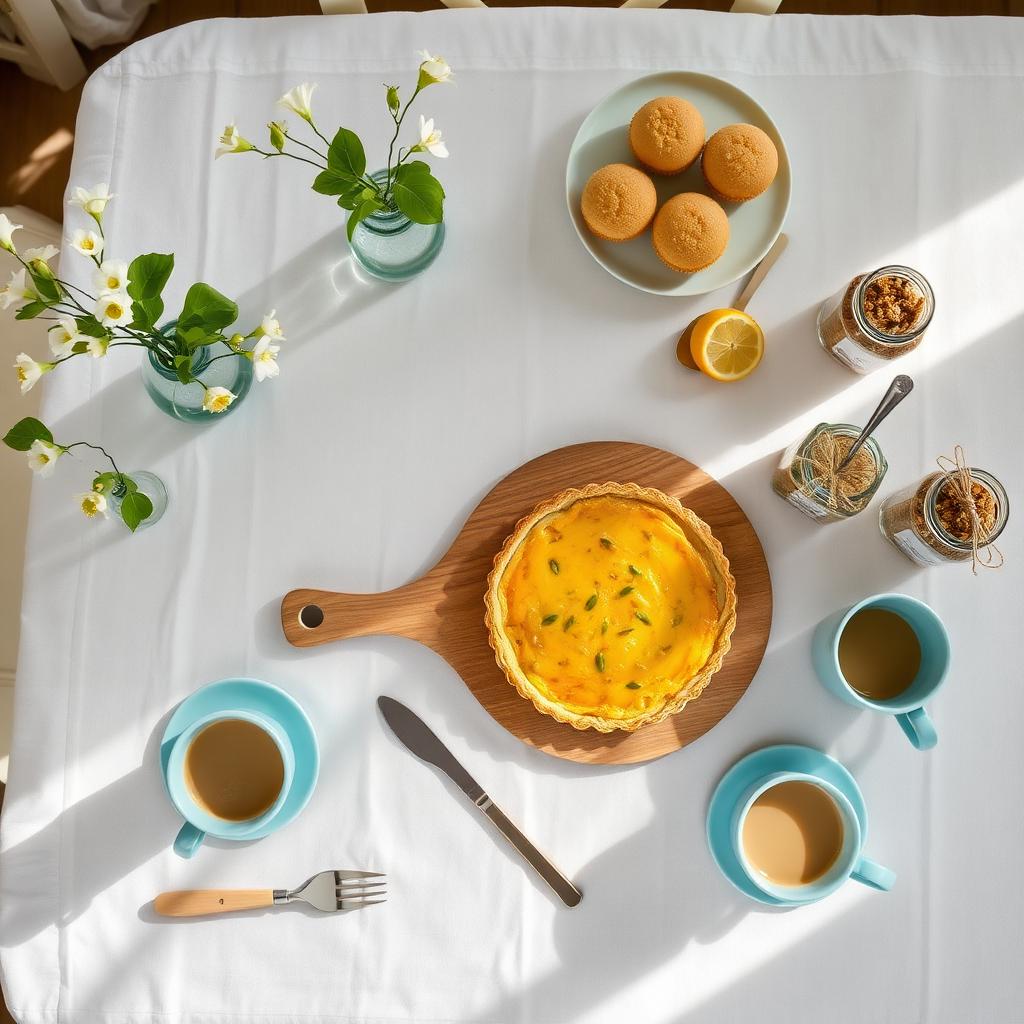
Choose wisely
I spend a ridiculous amount of time reading recipes — weighing effort against reward, deciding whether the fuss is worth it. Because times are tough for everyone, and you cannot cook everything. You have to choose. This breakfast is what I choose for a spring morning with the ladies: one showstopper tart from Food & Home South Africa (my absolute favourite cooking magazine), giant lemon and poppy seed muffins that are a meal on their own, home-made honey granola with thick yoghurt and berries, cappuccinos in Tiffany-blue cups, and small jars of my lemon marmalade tied with twine on the way out.
A little indulgence on the side too — hot chocolate sachets as parting gifts, a tin of speciality teas passed around, and if you have lemons for years like I do, the marmalade practically makes itself. Add this to your lexicon of dishes you pump out for the family or a crowd. Spring is coming.
The spring breakfast cookbook
Four recipes, one morning.
Bake the tart the day before. Muffins first thing in the morning while the coffee brews. Granola already in a jar on the counter. Marmalade tied and waiting on the console for the goodbye hug.
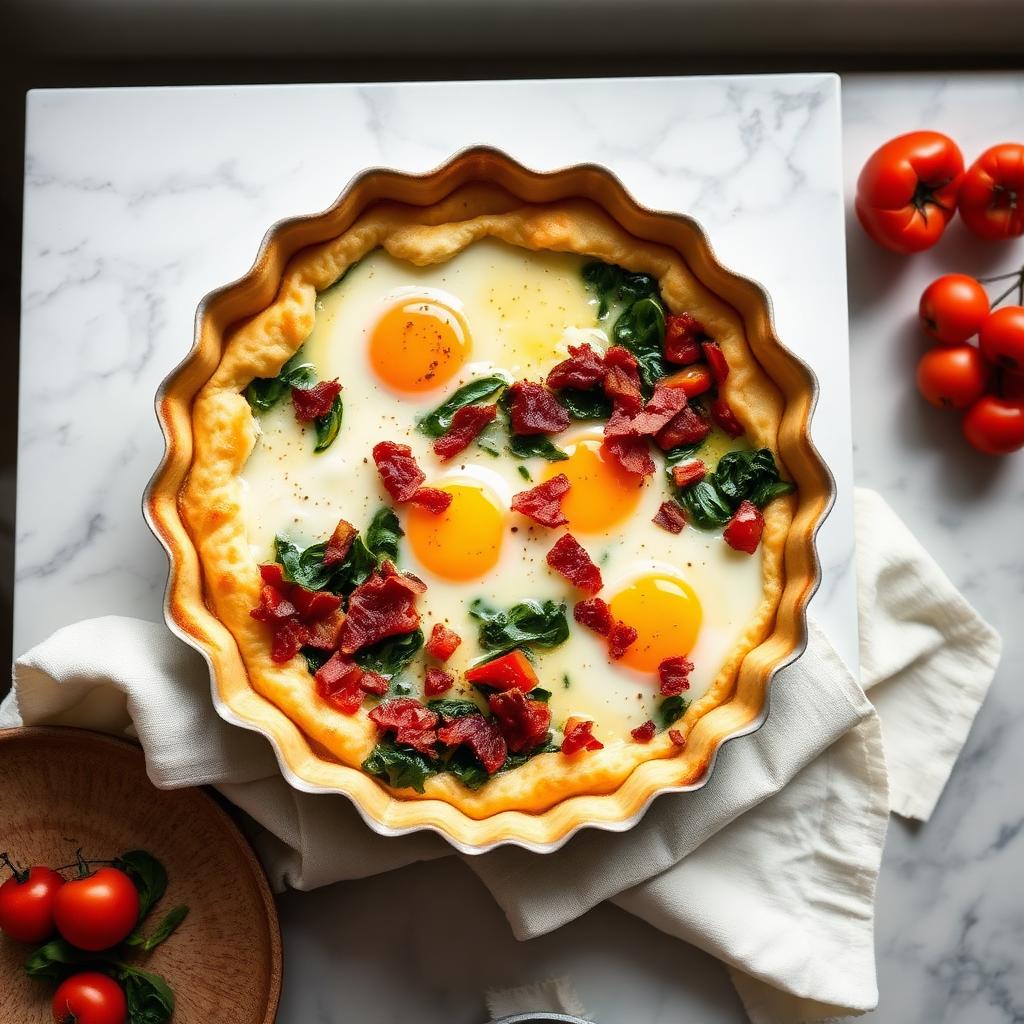
1 hr 15 · Serves 8
Breakfast tart
Read the recipe →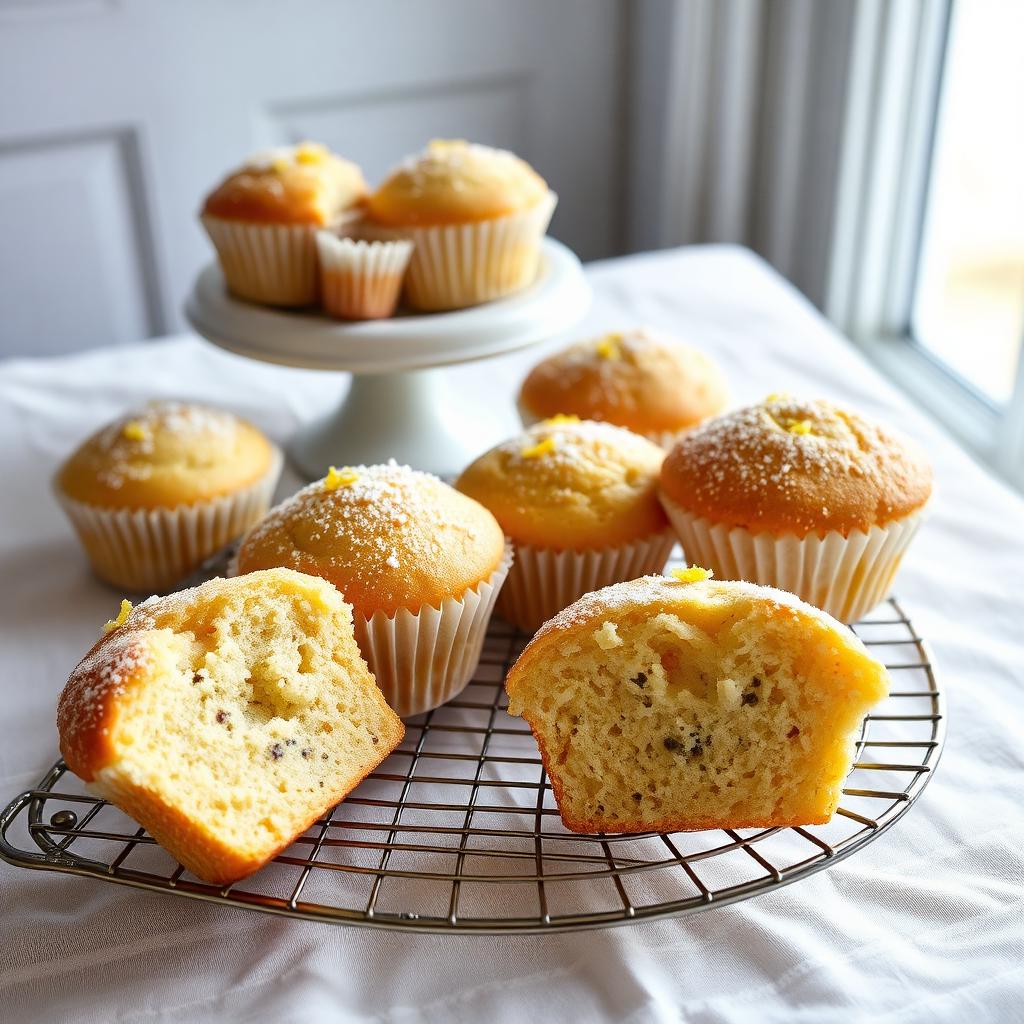
40 min · Makes 8
Lemon poppy seed muffins
Read the recipe →45 min · Makes 1kg
Home-made honey granola
Read the recipe →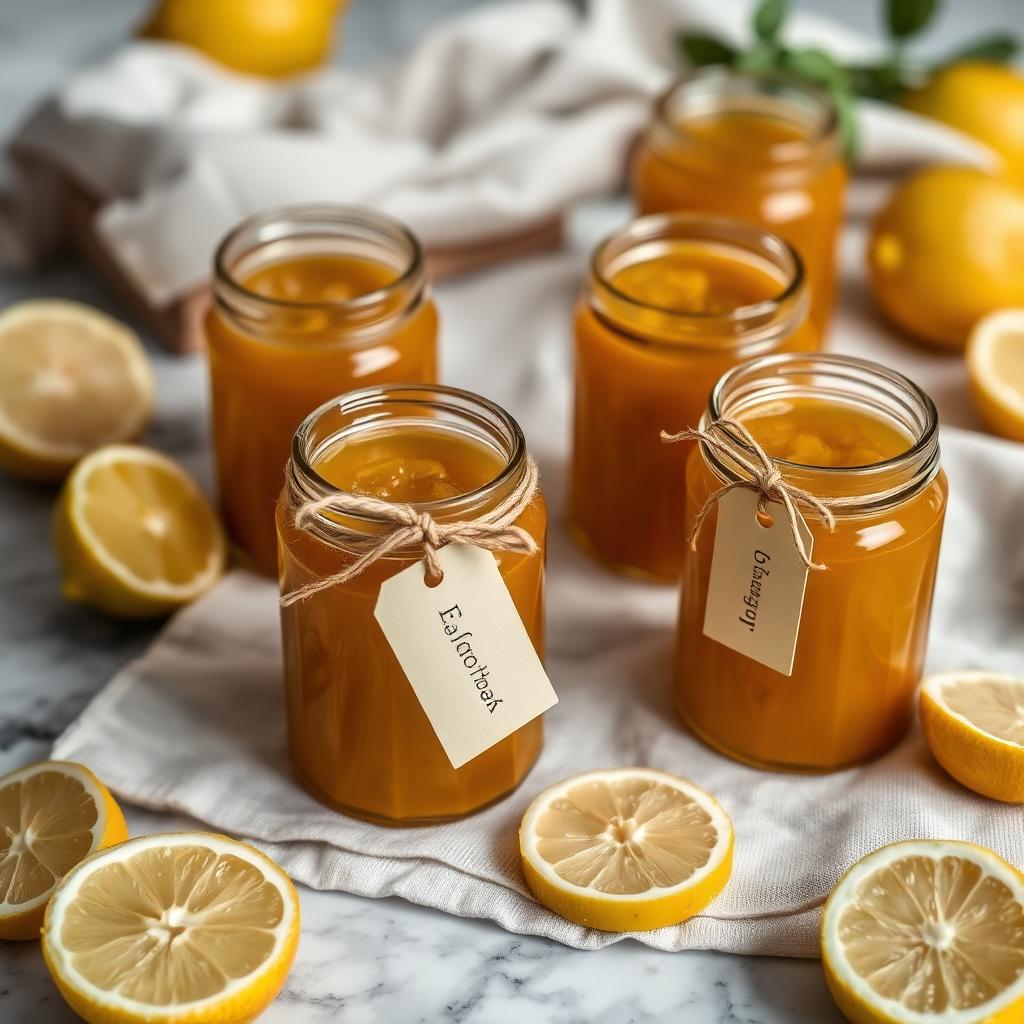
2½ hr + soak · 6 jars
Lemon marmalade
Read the recipe →A small jar of lemon marmalade tied with kitchen twine, a hand-written cream tag, one muffin wrapped in wax paper for the road. That's the touch that turns a breakfast into a memory.
The dressing drawer
My favourite vinaigrettes — fifteen small jars that change everything.
A vinaigrette is the cheapest luxury in cooking. Three minutes, a jar, and a plain plate of leaves becomes something you actually want to eat. I keep two or three going in the fridge at all times — the French one for everyday, something green for tomatoes, and something loud for whatever came off the braai. The ratio to remember is three parts oil to one part acid; everything after that is personality.
Rule one
Dissolve the salt in the acid before the oil goes in. Salt will not dissolve in oil, and gritty dressing is a sad thing.
Rule two
Mustard is the glue. A teaspoon of Dijon holds oil and vinegar together so the dressing clings to the leaves instead of pooling at the bottom of the bowl.
Rule three
Taste on a leaf, never a spoon. And dress at the very last second — salad waits for nobody.
5 min · Makes about 150ml
Classic French vinaigrette
The mother dressing. Dijon, red wine vinegar and good olive oil, in the only ratio you really need to remember.
Read the recipe →
10 min · Makes about 250ml
Green goddess vinaigrette
All the herbs in the fridge, blitzed with lemon, anchovy and olive oil into something electric green and deeply savoury.
Read the recipe →
5 min · Makes about 180ml
Julia Child's best vinaigrette
Julia's method, in the spirit of Mastering the Art of French Cooking — vinegar and mustard first, oil last, all in one jar.
Read the recipe →
5 min · Makes about 150ml
Lemon garlic vinaigrette
Sharp, garlicky and clean. The dressing I make most often, usually while the pasta water boils.
Read the recipe →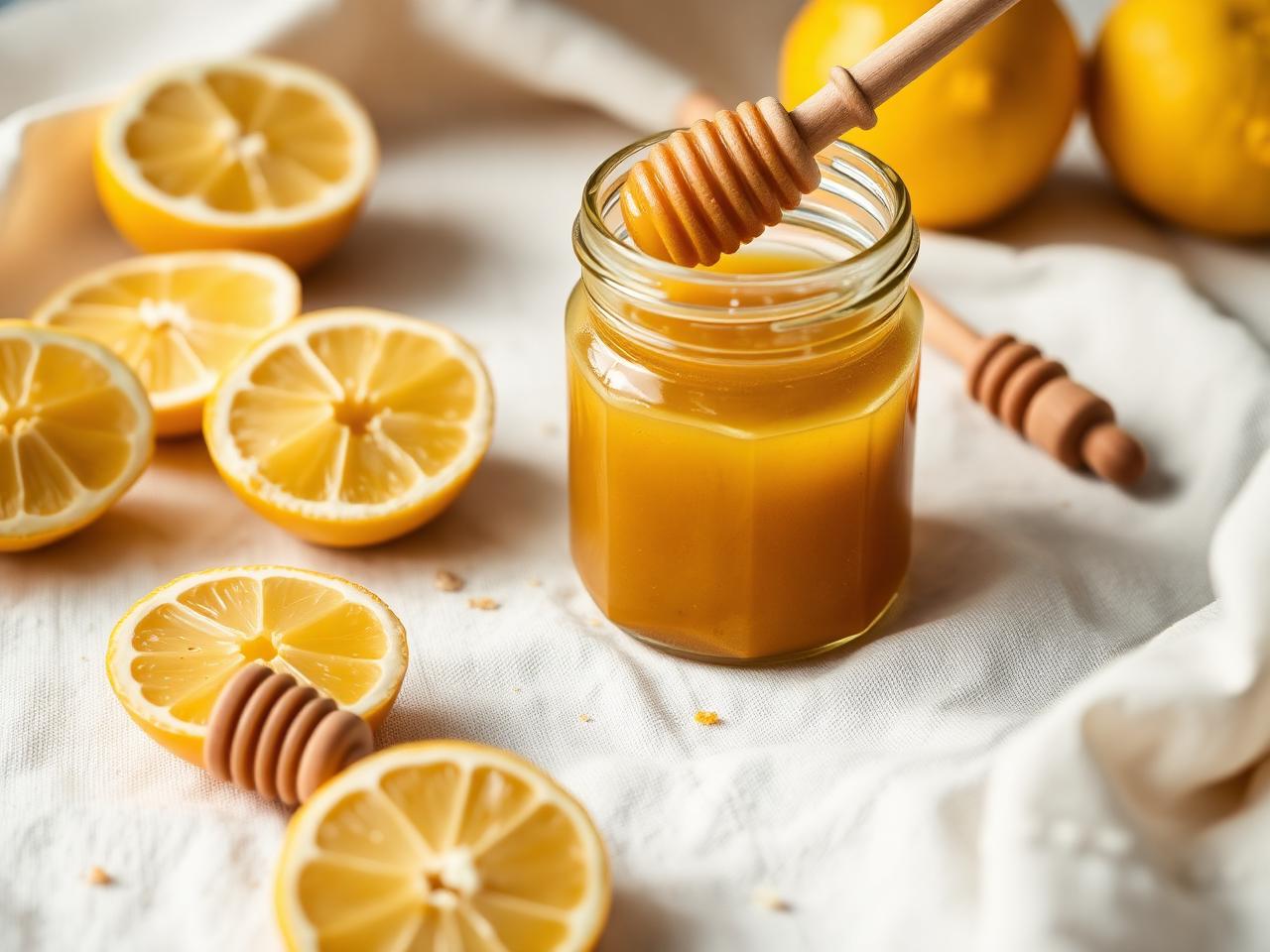
5 min · Makes about 180ml
Honey-mustard lemon vinaigrette
Sweet, sharp and mellow all at once — the one that converts people who say they don't like salad.
Read the recipe →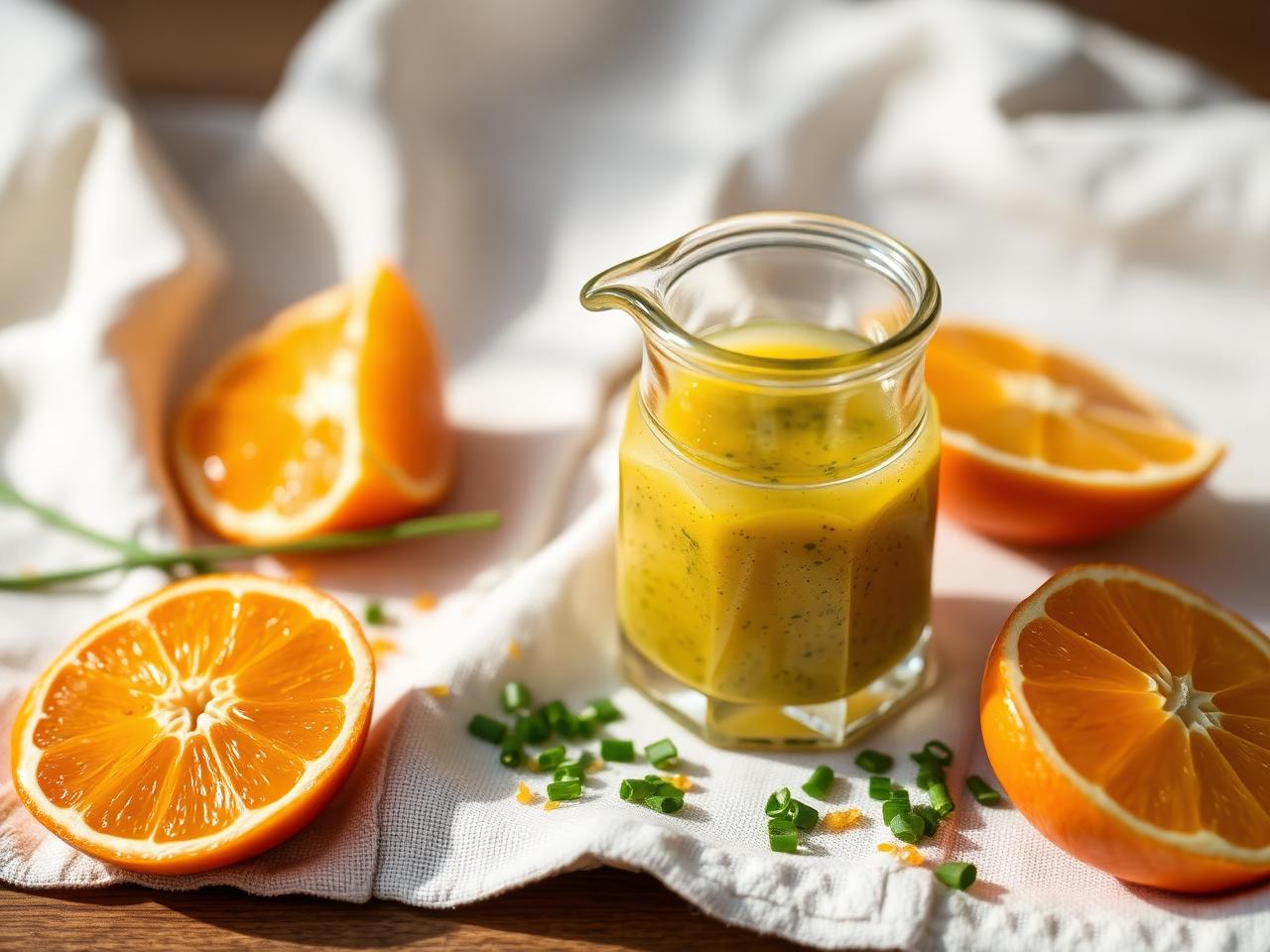
10 min · Makes about 200ml
Herb and citrus vinaigrette
Orange, lemon and a fistful of soft herbs — made for fennel, avocado and anything from the sea.
Read the recipe →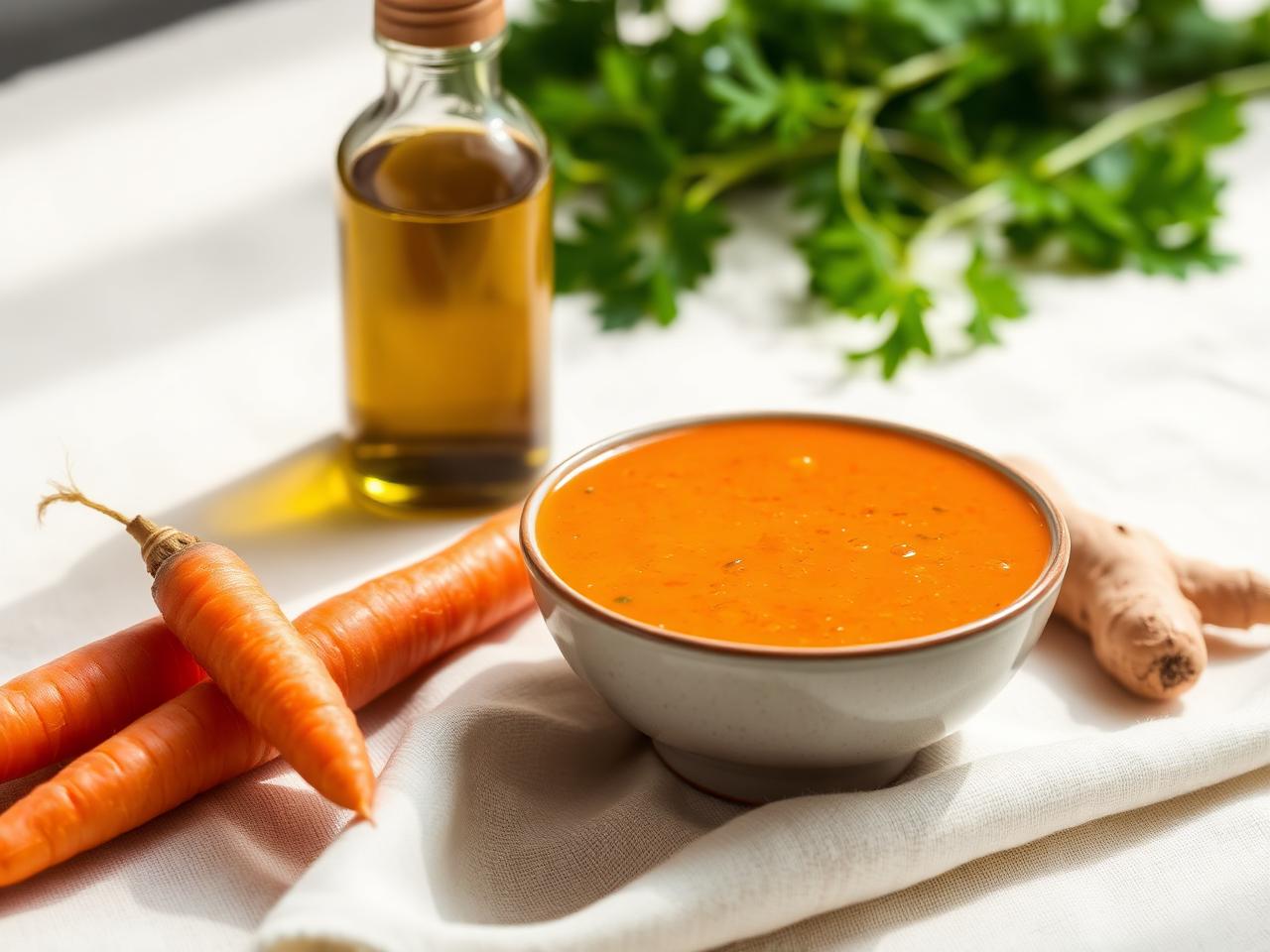
10 min · Makes about 300ml
Andrew Zimmern's carrot-ginger vinaigrette
The bright orange, sweet-savoury Japanese steakhouse dressing — blitzed carrot, fresh ginger, miso and sesame.
Read the recipe →
5 min · Makes about 180ml
Apple cider vinaigrette
Autumn in a jar — cider vinegar, maple and a whisper of cinnamon. Perfect on anything with apple, walnut or blue cheese.
Read the recipe →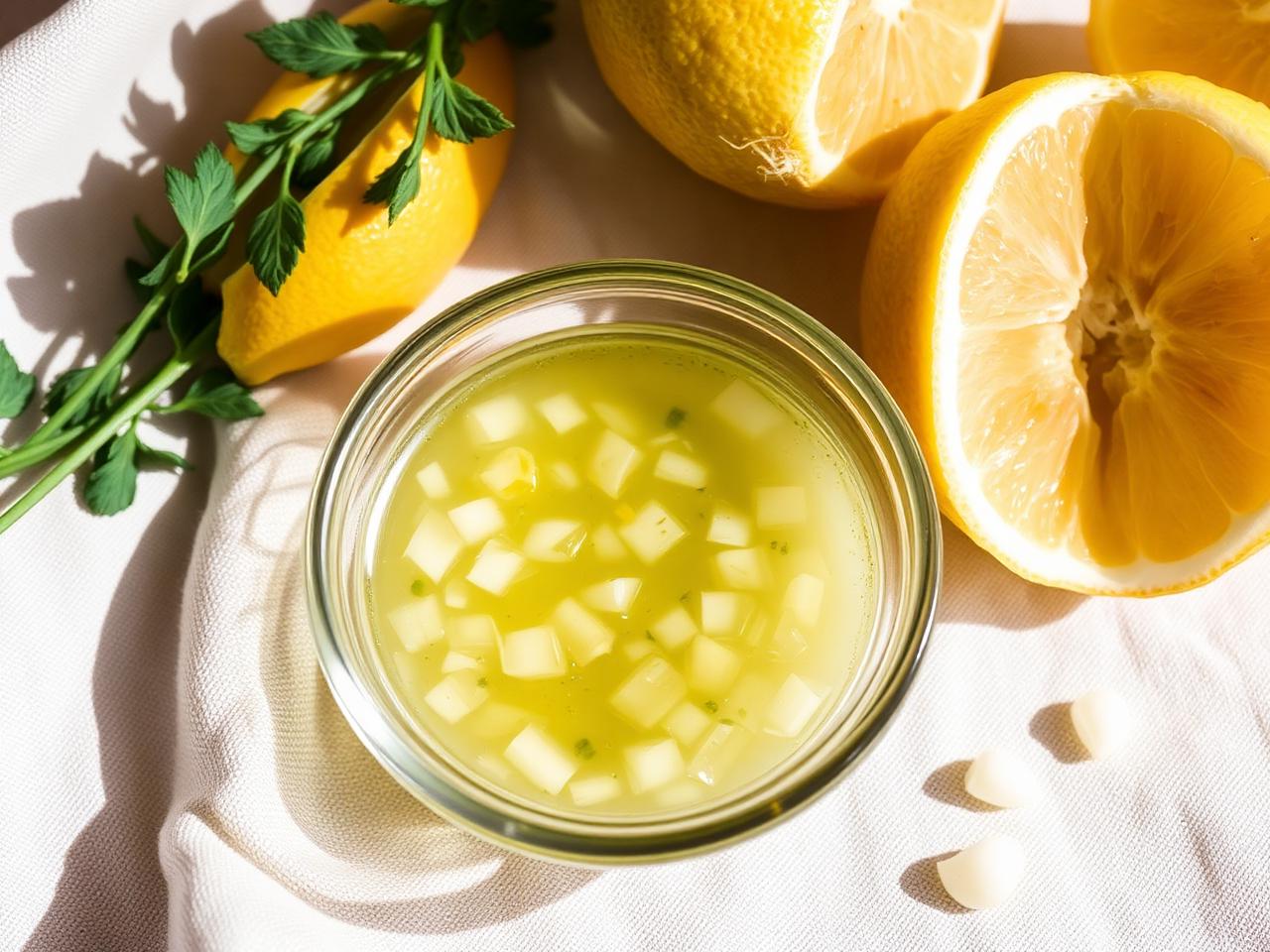
10 min · Makes about 150ml
Lemon-shallot vinaigrette
Shallots softened in lemon juice until sweet, then loosened with good oil. Elegant, restrained, endlessly useful.
Read the recipe →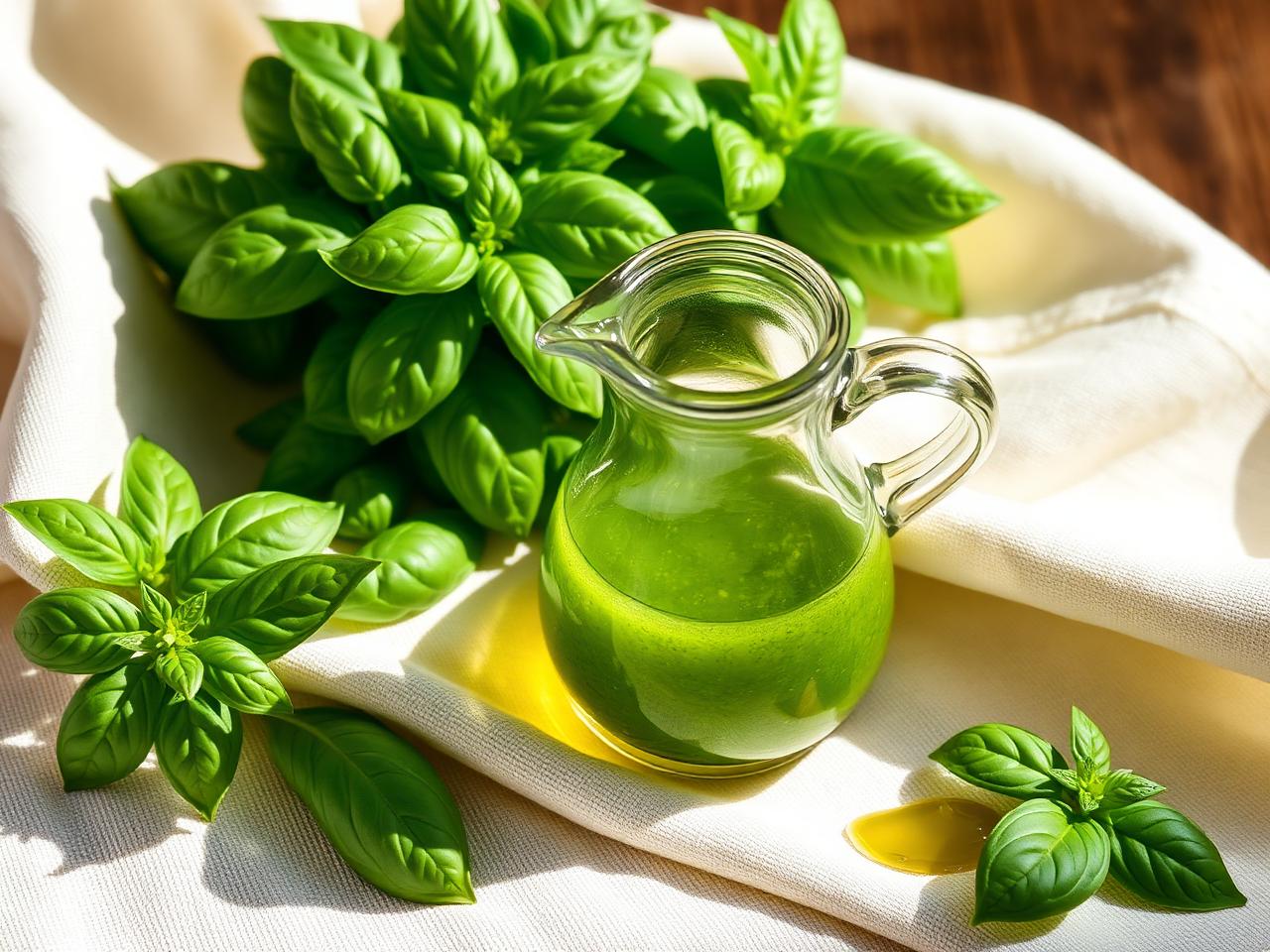
10 min · Makes about 200ml
Basil vinaigrette
Pesto's lighter sister — basil, garlic and lemon blitzed into a green, fragrant dressing for tomatoes and mozzarella.
Read the recipe →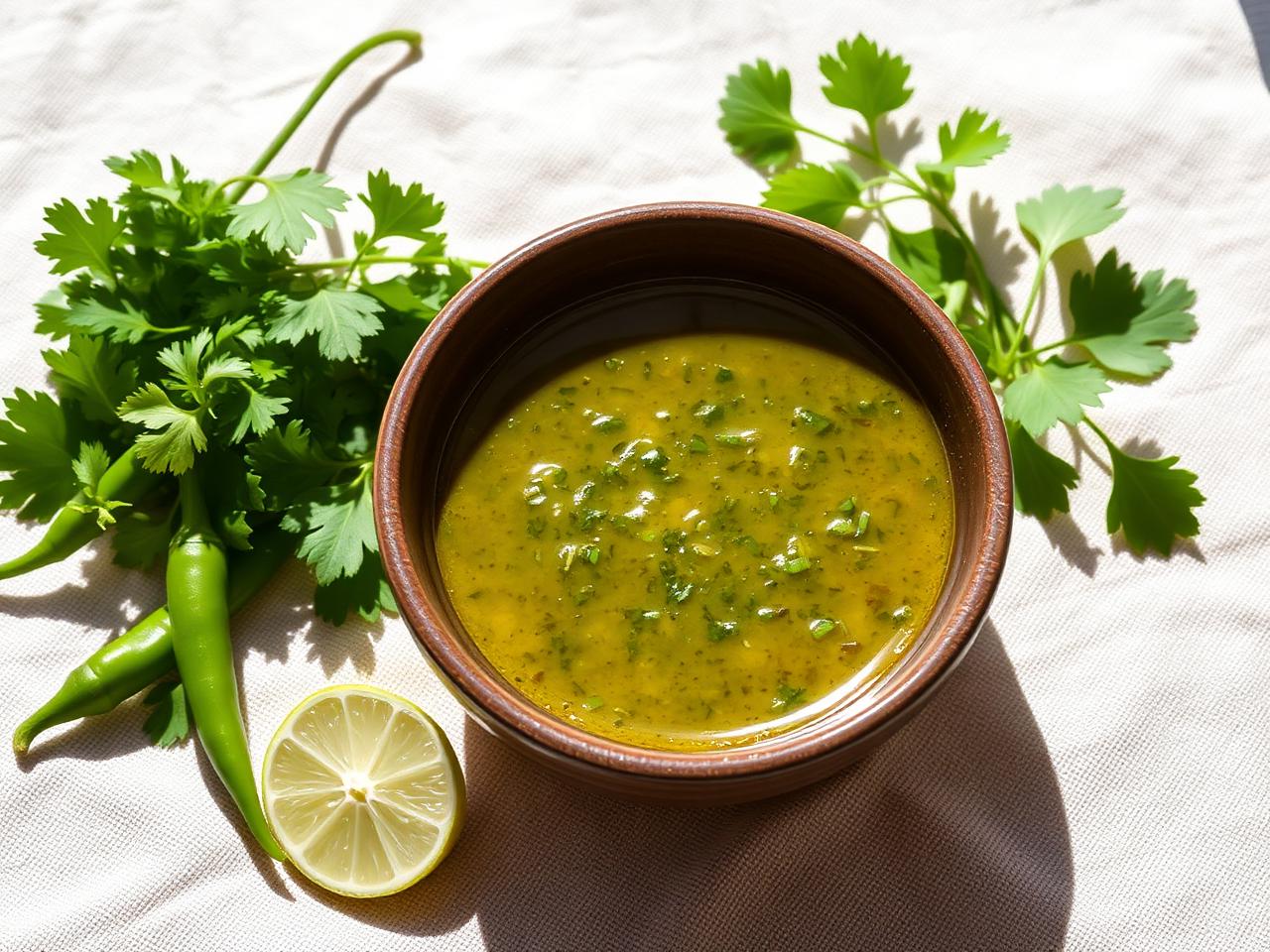
10 min · Makes about 200ml
Spicy coriander vinaigrette
Coriander, green chilli and lime — the dressing that wakes up grilled meat, black beans and any braai salad.
Read the recipe →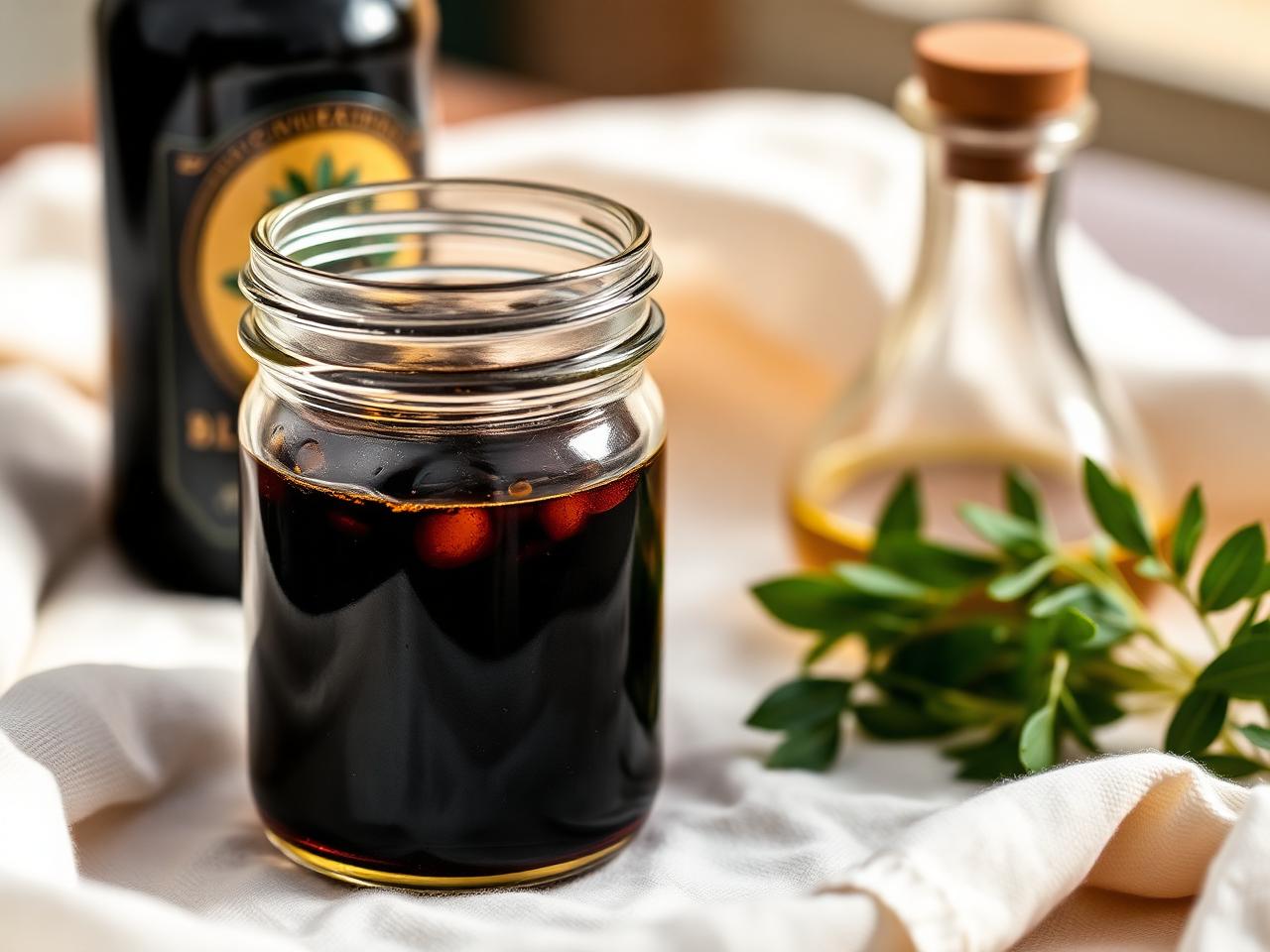
5 min · Makes about 180ml
Balsamic vinaigrette
Dark, sweet and syrupy. The one everyone knows — done properly, with real balsamic and a little honey.
Read the recipe →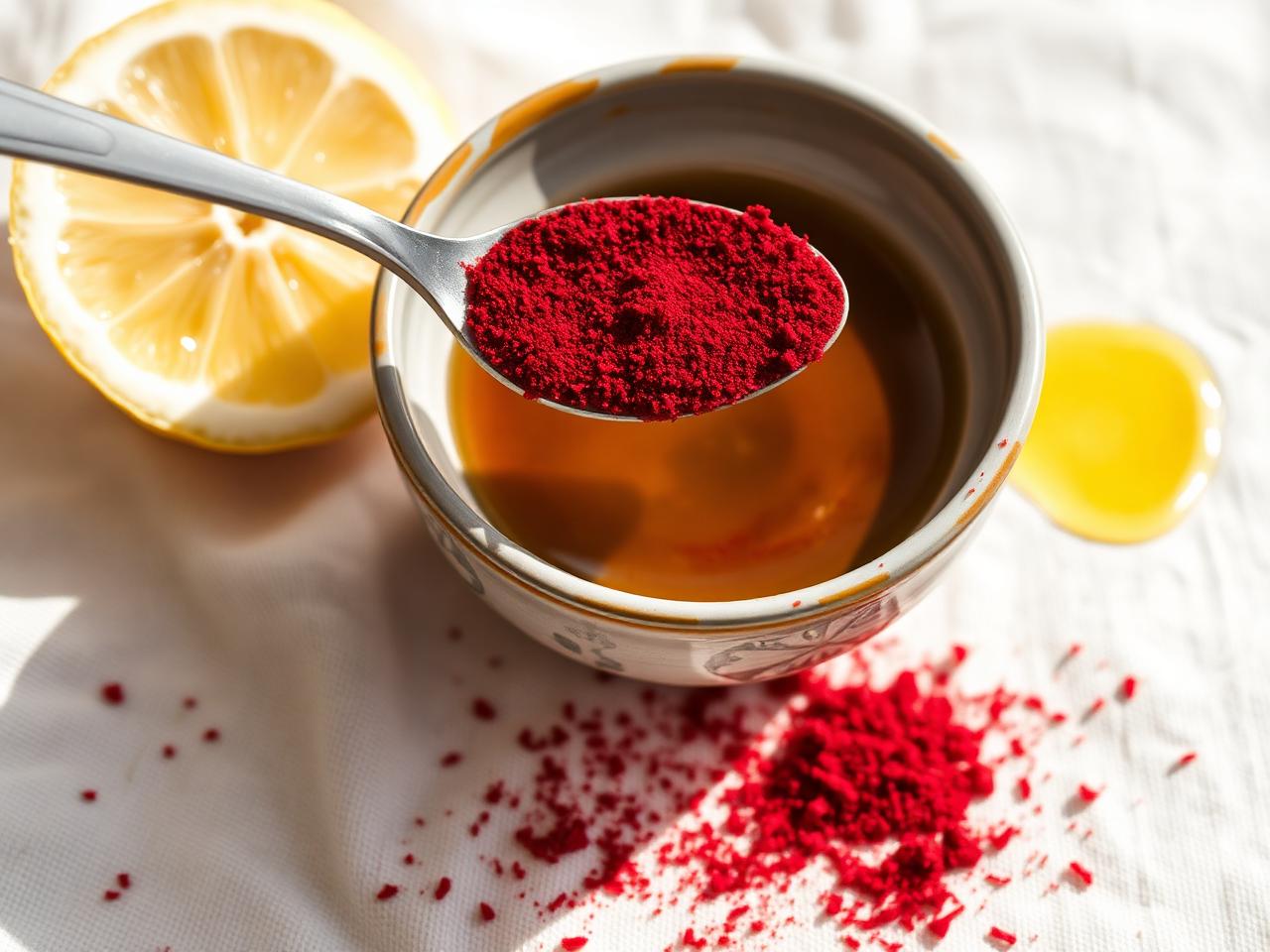
5 min · Makes about 150ml
Sumac dressing
Tart, ruby-red and lemony without lemon. The Levantine dressing that makes a tomato-and-onion salad sing.
Read the recipe →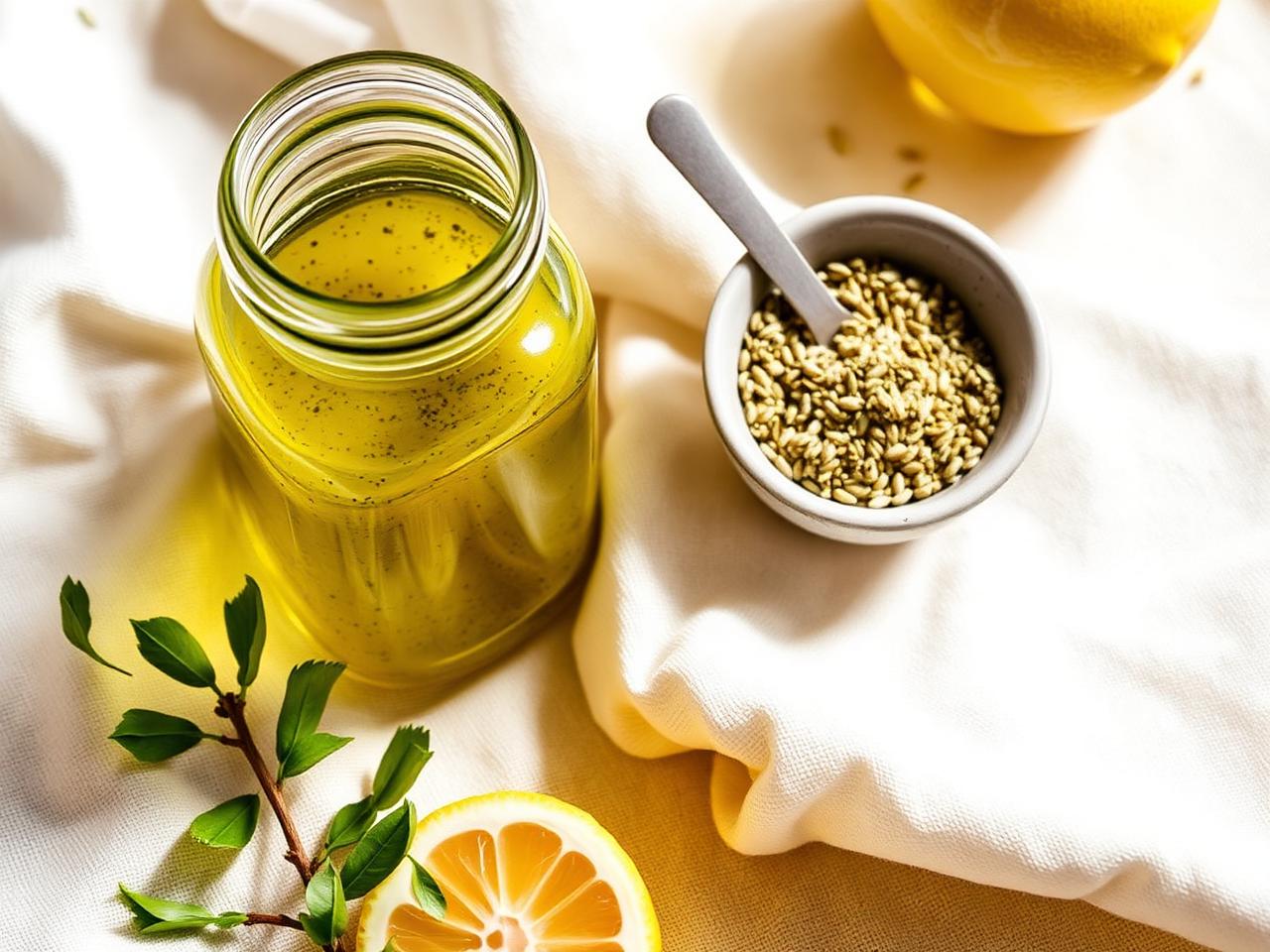
5 min · Makes about 150ml
Easy home-made za'atar vinaigrette
Za'atar, lemon and olive oil — herby, nutty and faintly tangy. Three minutes for something that tastes like a trip.
Read the recipe →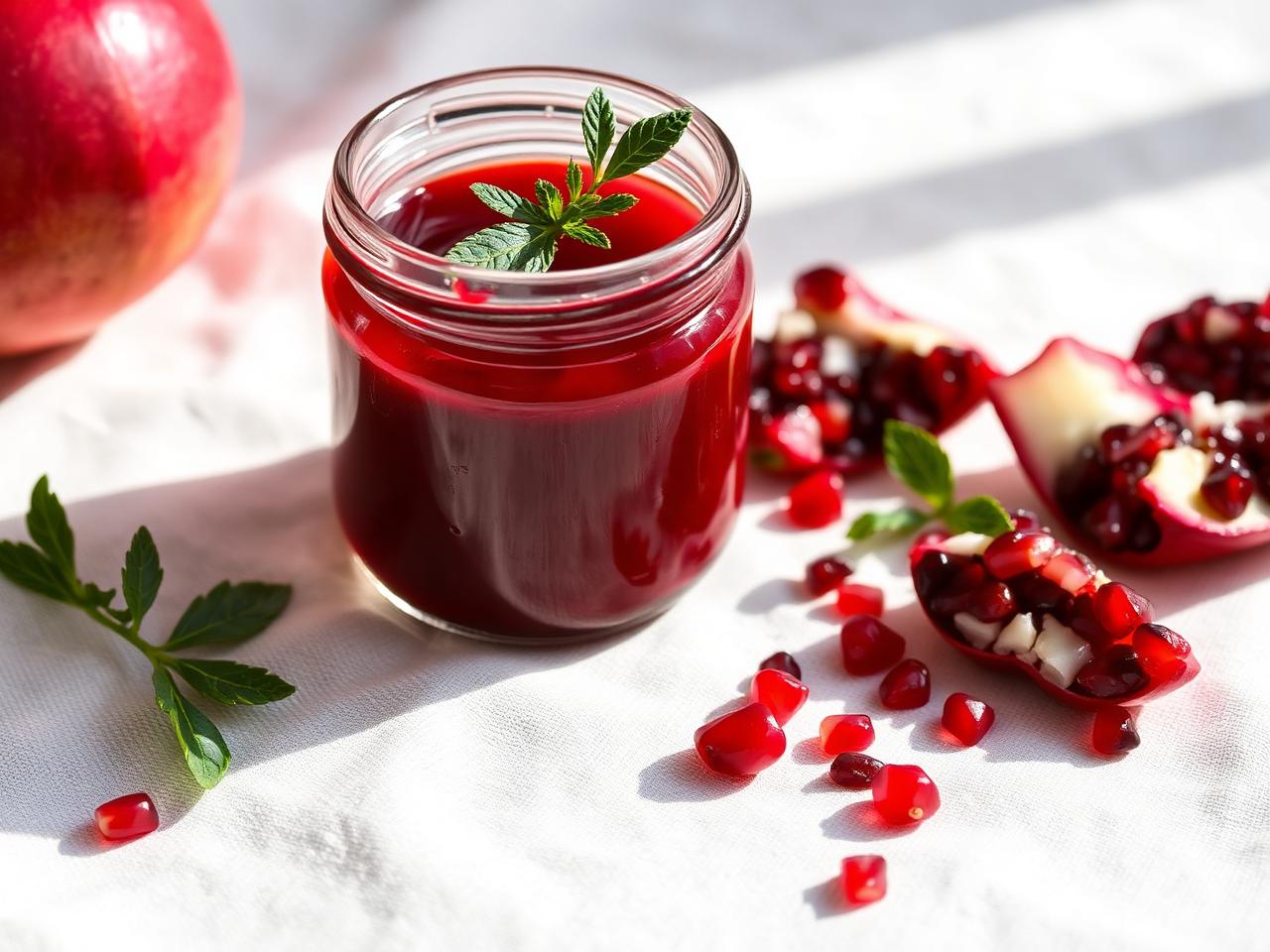
5 min · Makes about 180ml
Pomegranate vinaigrette
Jewel-red, sweet-sour and festive — pomegranate molasses and juice with a little Dijon to hold it together.
Read the recipe →Make a double batch of the French one on a Sunday. It will see you through the week and make even a bag of supermarket leaves taste like you meant it.
Breads from Spain
Eight Spanish breads and a churro for good measure.
Spain does not really do the enormous sliced loaf. It does the pale mollete you toast in the morning, the rustic round you tear at lunch, the flatbread you cover in anchovies, the golden hand-pie you take to the beach, and the sweet milk roll you dunk in coffee at five. Some take an hour, some take four. All of them earn their place on a table.
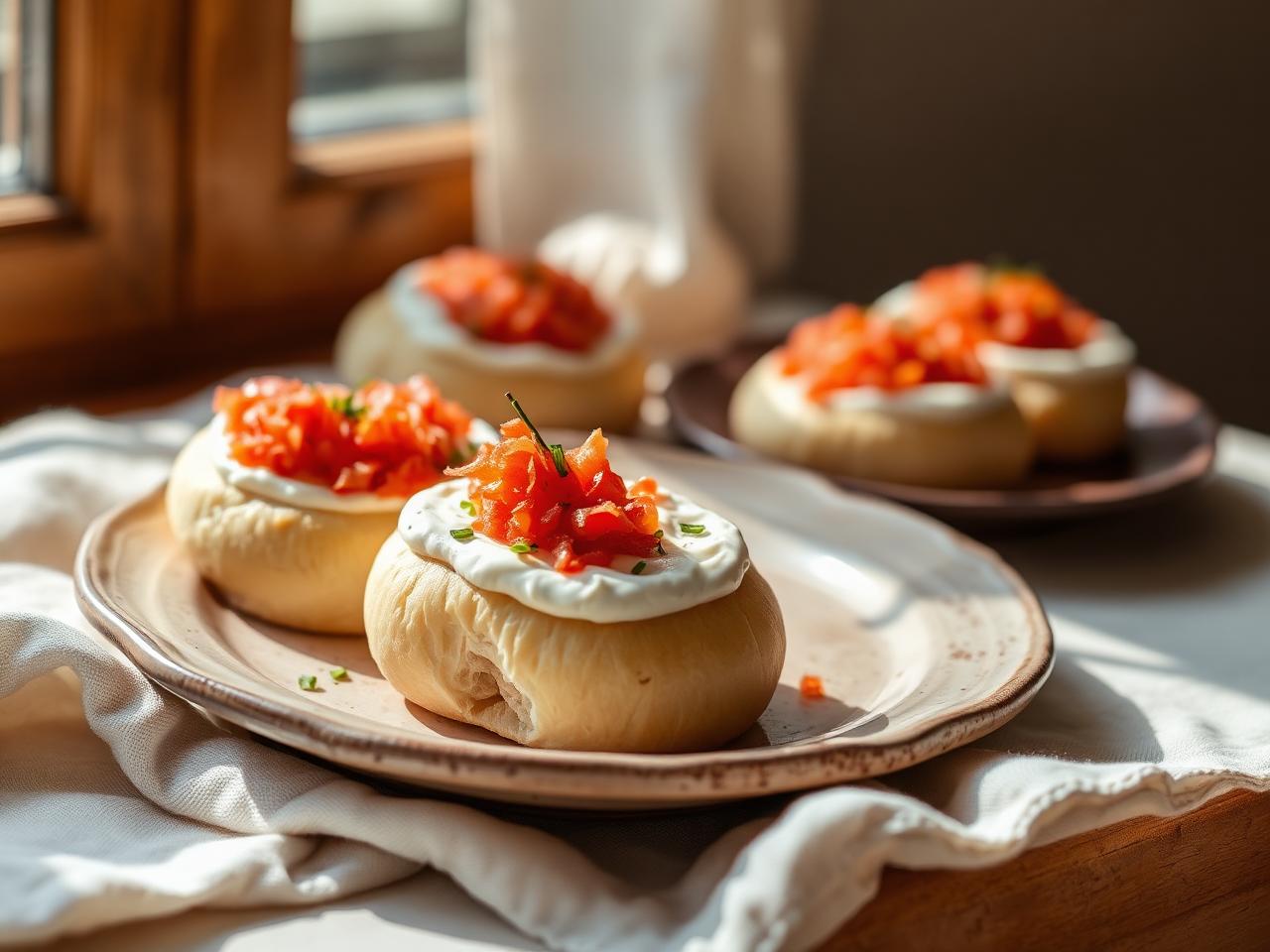
2 hr 30 min
Molletes
Andalusia's breakfast bread — soft, pale, barely-baked rolls that only come alive when you split and toast them. Bagel comfort, Spanish soul.
Read the recipe →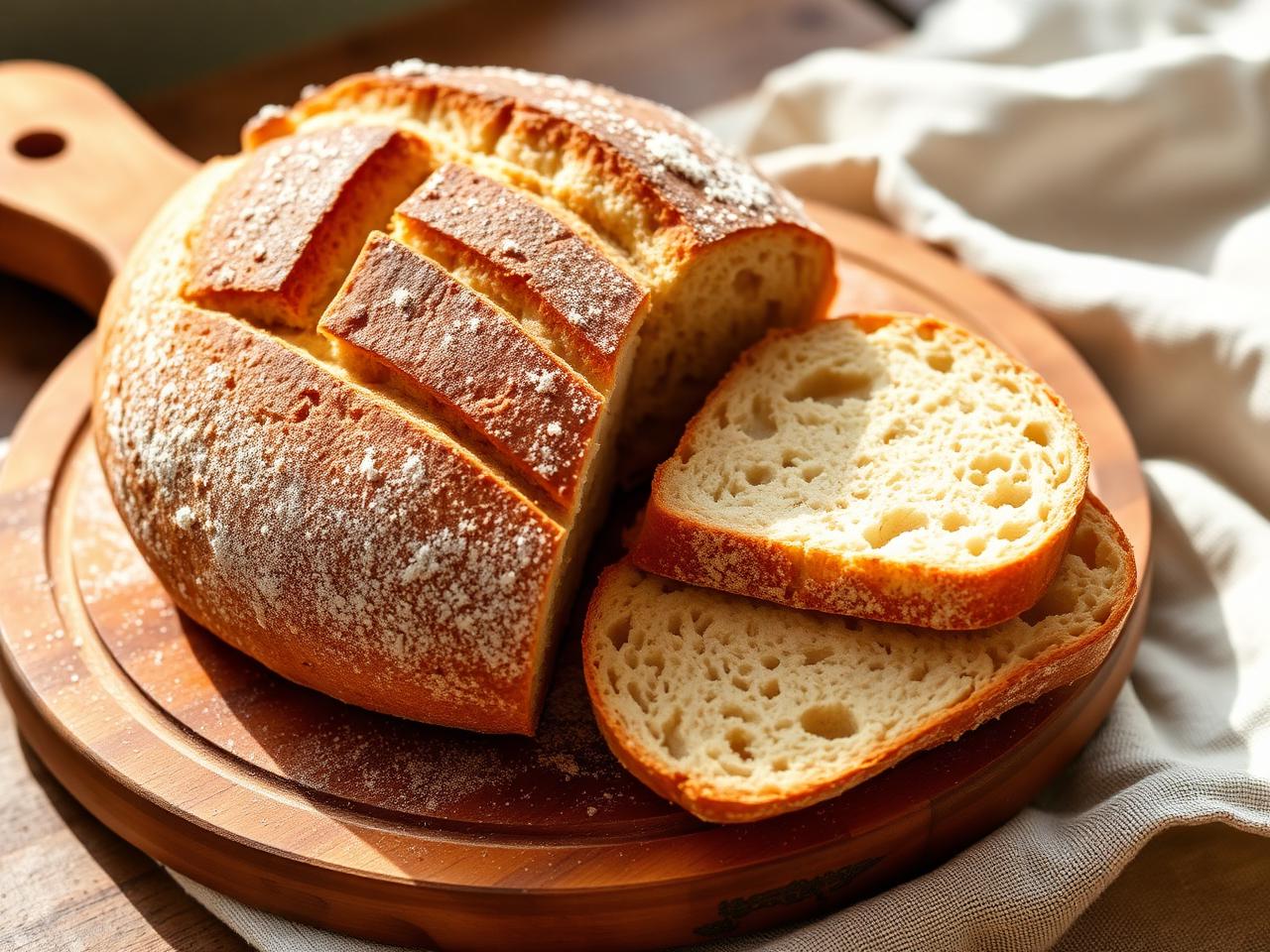
2 hr 30 min
Rustic Spanish bread
The picture-perfect loaf. Over two hours from start to slice, a soft light crumb and a crust that is only slightly crisp — never armour-plated.
Read the recipe →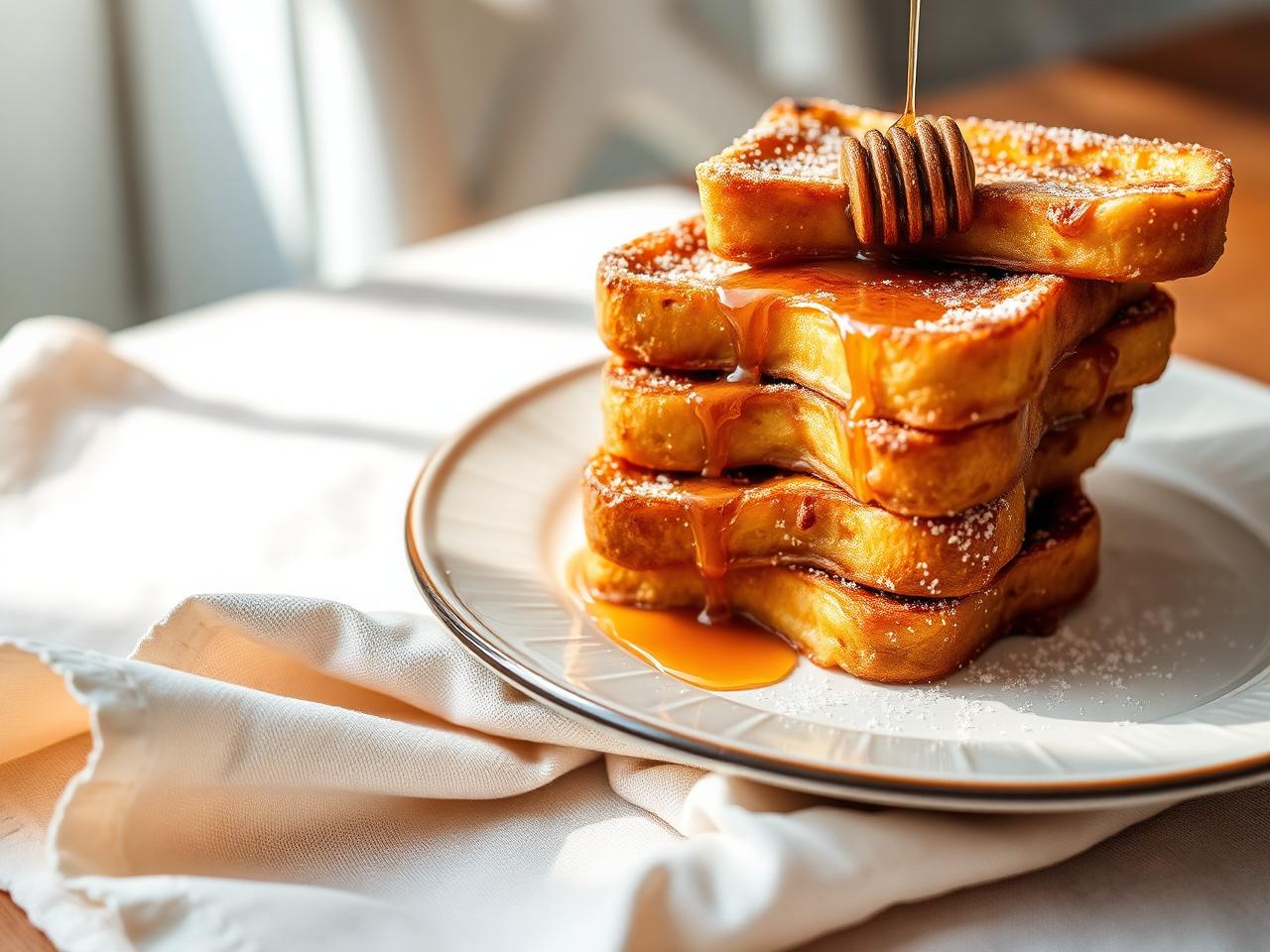
40 min plus soaking
Torrijas — Spanish French toast
Day-old bread soaked in cinnamon milk, fried in olive oil and rolled in cinnamon sugar. Spain's Easter treat, and just amazingly perfect.
Read the recipe →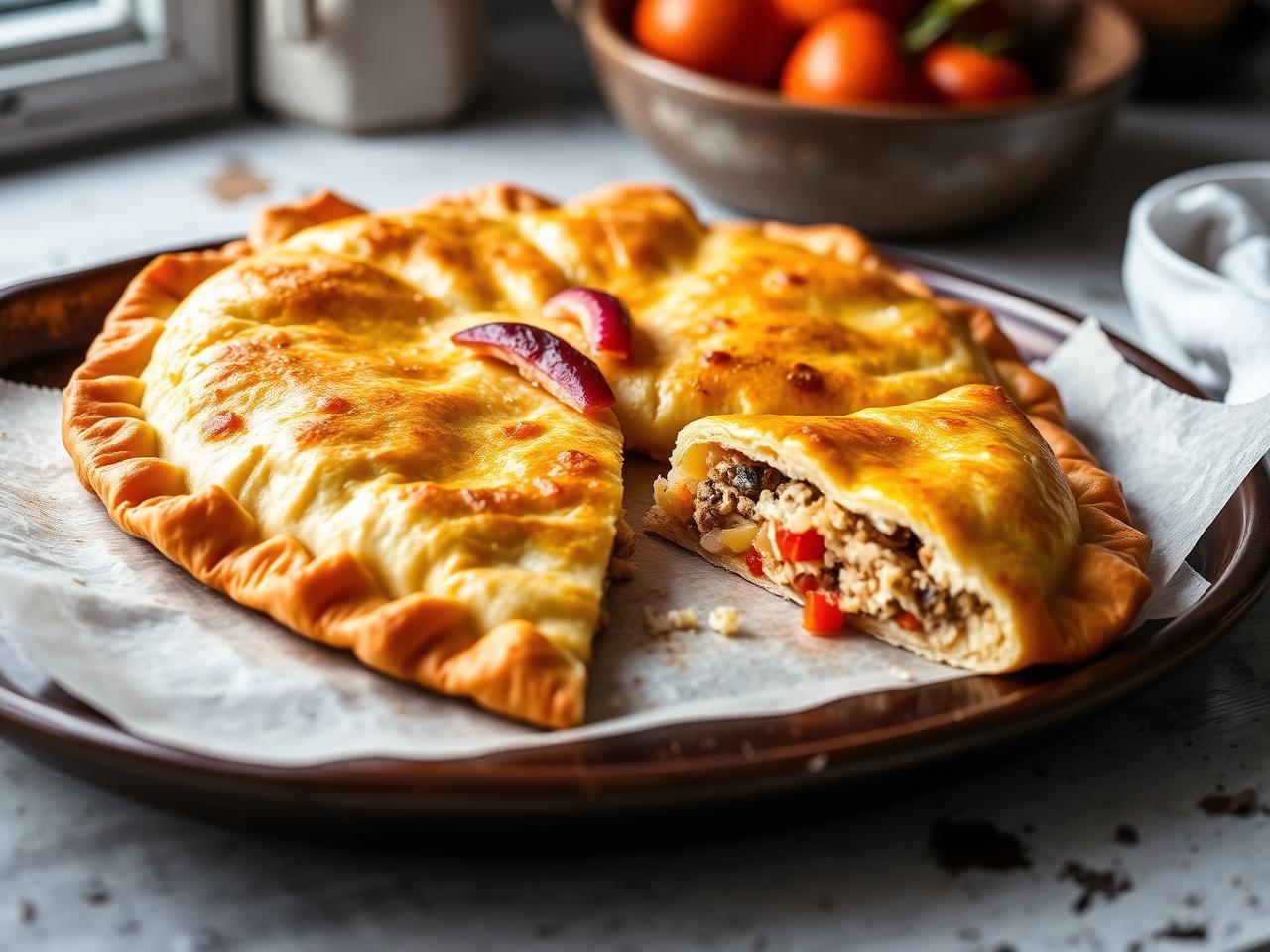
2 hr
Empanada gallega
A great golden Galician hand-pie of tuna, onions, peppers and egg. Breakfast, lunch or dinner — and even better at room temperature.
Read the recipe →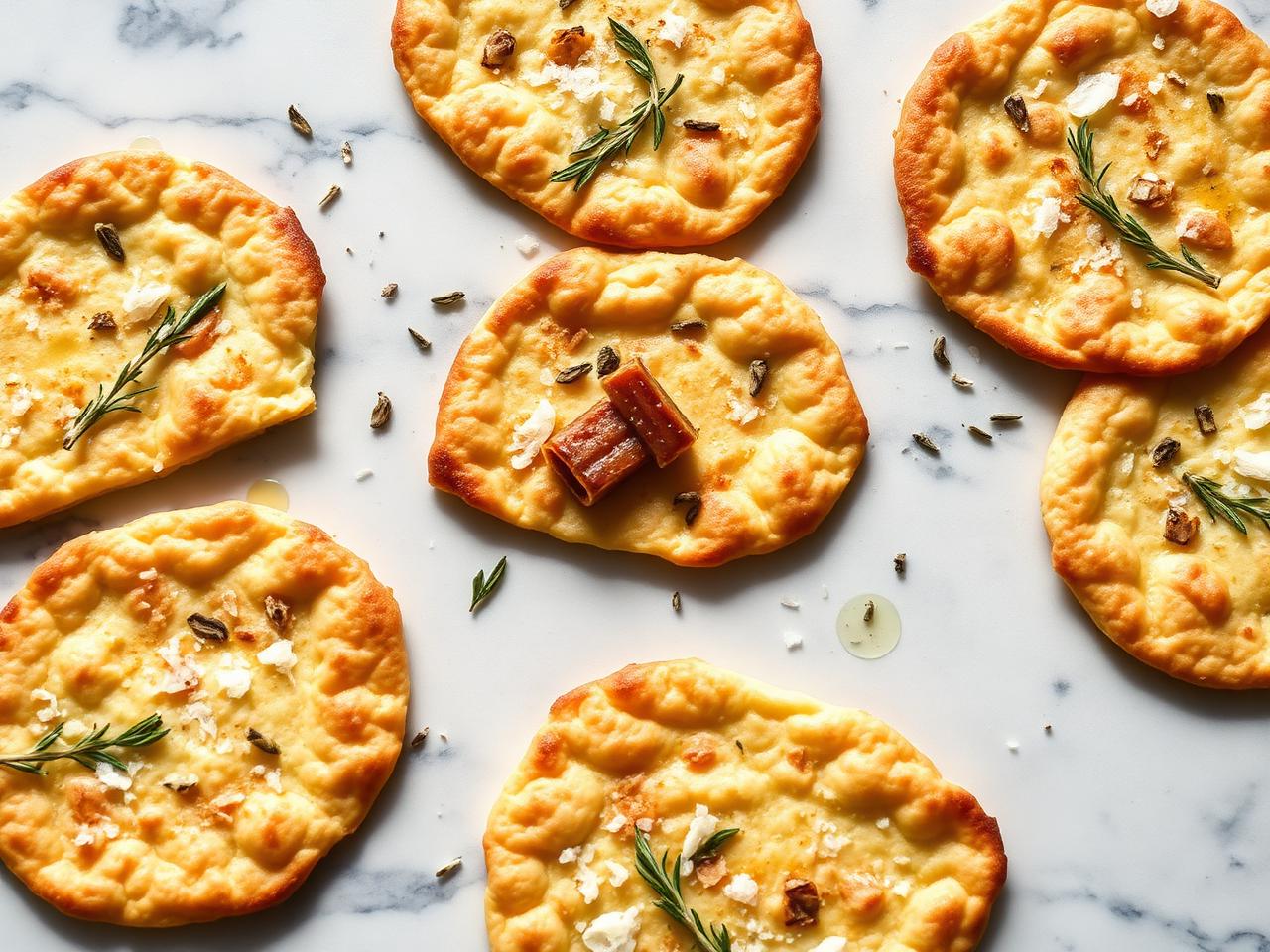
45 min
Spanish flatbread
Crunchy, mild and made in under an hour. A blank canvas — mini pizzas, breakfast eggs and chorizo, or nothing but anchovies and oil.
Read the recipe →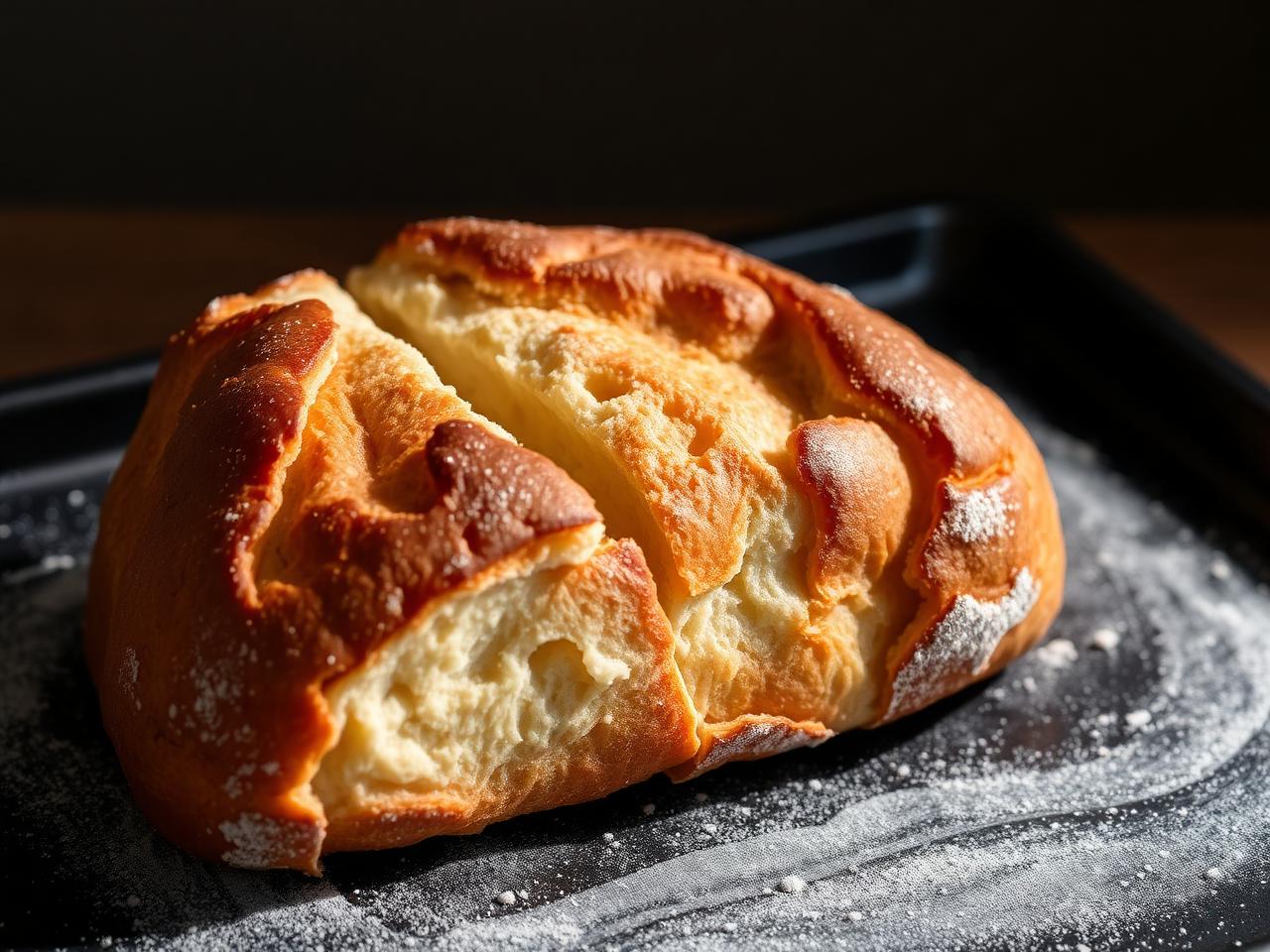
4 hr 30 min
Pan de horno
Crusty, wonderfully soft inside and properly yeasty. Four hours and more from flour to table — and worth every minute of the wait.
Read the recipe →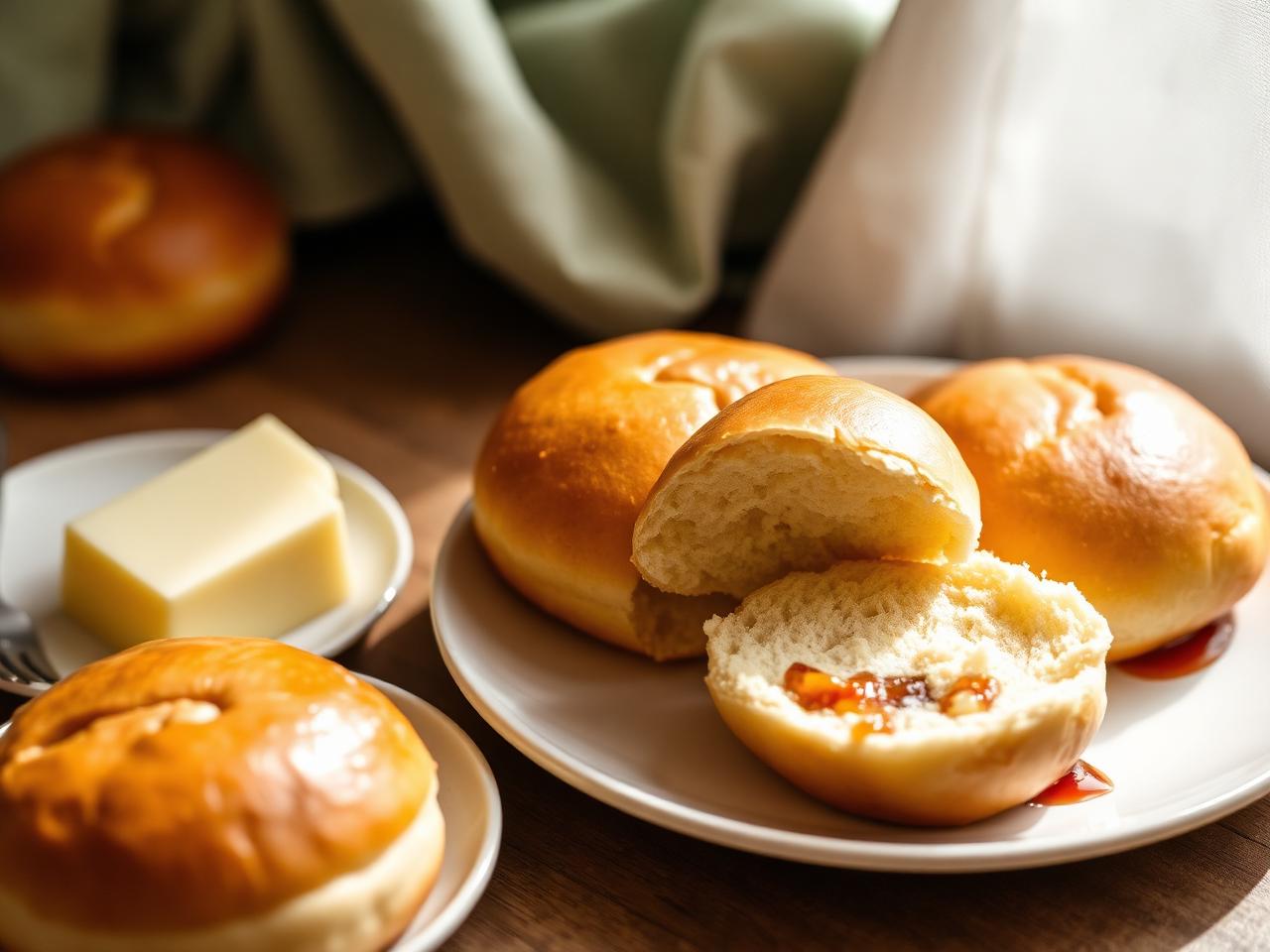
2 hr 45 min
Pan de leche
Sweet Spanish milk bread — dense, hearty and almost biscuit-like in the crumb, with a glossy egg-washed top.
Read the recipe →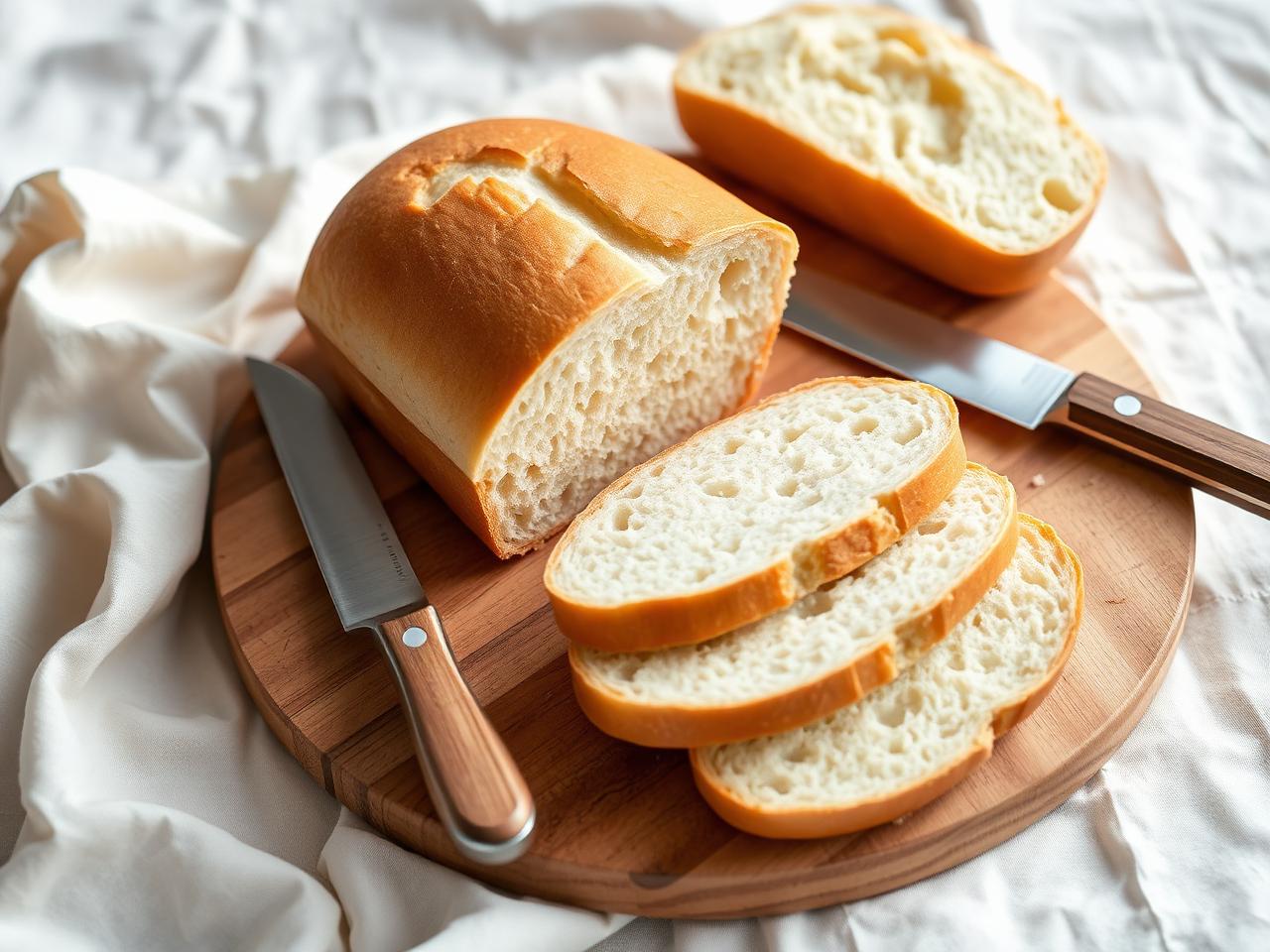
1 hr 15 min
Pan básico
Basic Spanish white bread — seven ingredients, a little over an hour, and no experience required. The beginner's loaf that never fails.
Read the recipe →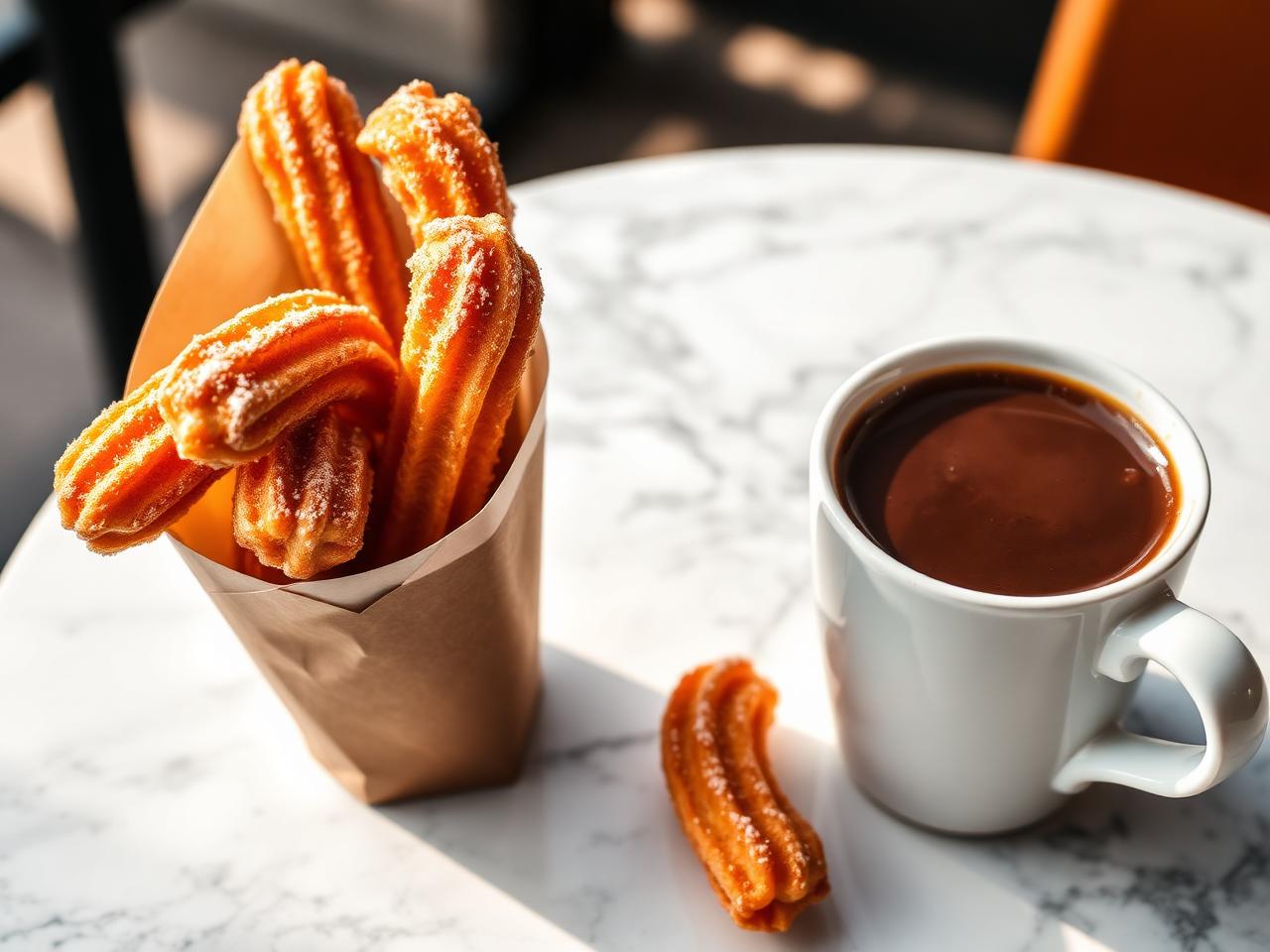
35 min
Churros con chocolate
The bonus. Ridged, golden, sugared batons of fried dough with a cup of chocolate thick enough to stand a spoon in.
Read the recipe →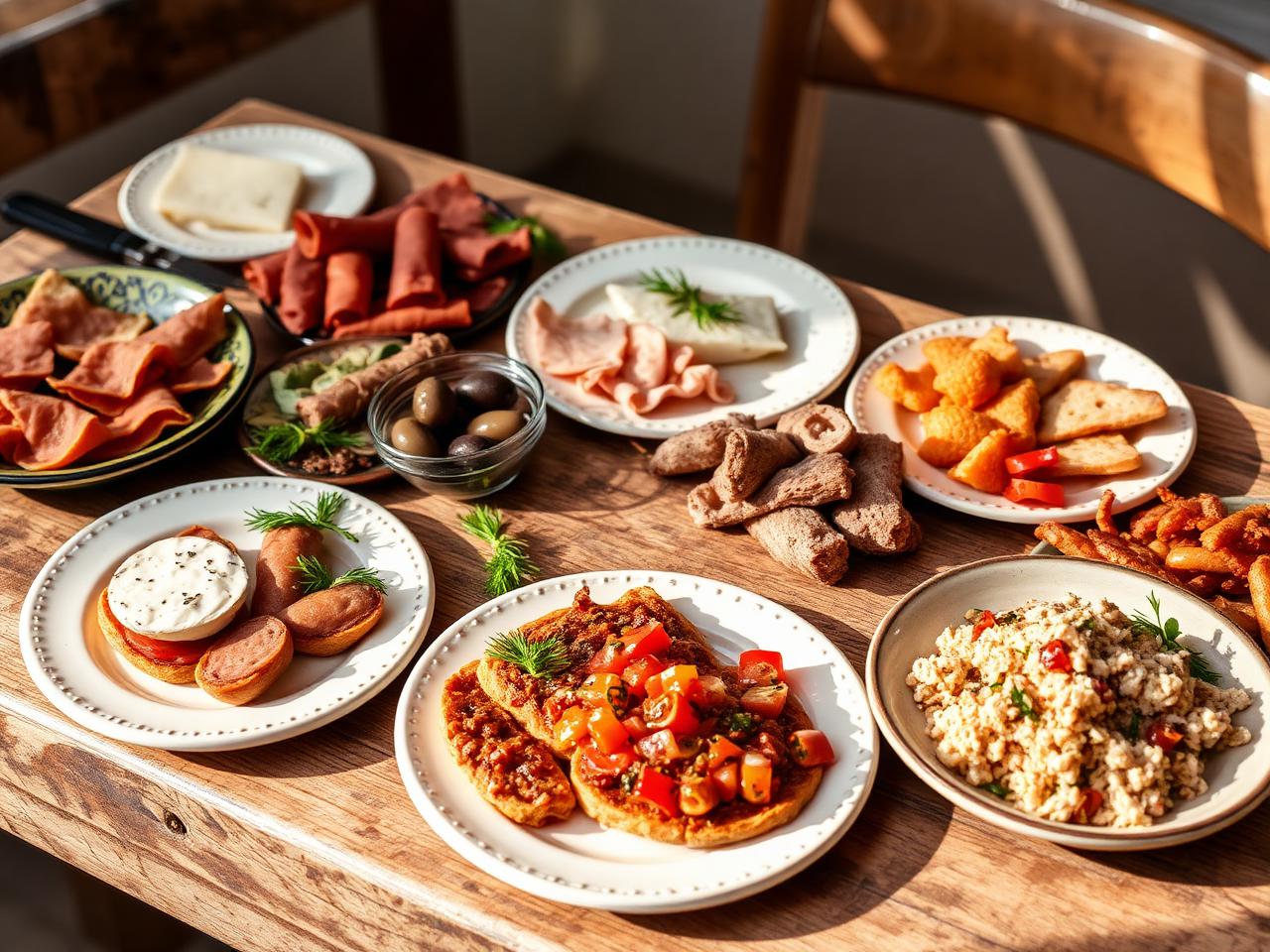
What goes on top
The Spanish topping table
Put the bread in a basket and everything else in small dishes. People build their own, which is the entire charm of eating this way.
- Cold meats (embutidos)
- Jamón ibérico de bellota, jamón serrano, chorizo, salchichón, lomo embuchado, sobrasada and morcilla. Sliced tissue-thin, at room temperature — never cold from the fridge.
- Cheese
- Manchego curado, tetilla, Idiazábal and a soft goat's cheese. A drizzle of honey or quince paste (membrillo) on the side.
- Fish and tinned treasure
- Boquerones in vinegar, salted anchovies in oil, ventresca tuna, sardines, mussels in escabeche, bacalao, and prawns with garlic.
- Salads and vegetables
- Grated tomato with olive oil and salt, pipirrana (tomato, cucumber, pepper and onion), ensaladilla rusa, roasted piquillo peppers, escalivada, olives and pickled guindilla chillies.
- The finishing touches
- Good extra virgin olive oil, flaky salt, smoked paprika, a rubbed garlic clove, chopped chives and scallions, and a soft-boiled egg to break over the top.
And the bonus at the end of the night — churros, hot from the pan, rolled in cinnamon sugar, with a cup of chocolate thick enough to hold a spoon upright.
The drinks trolley
Cocktails for a party — from the first aperitif to the last nightcap.
A good party has a shape to it. Something bitter and cold while people arrive, something fruity for the long hot middle of the afternoon, something sharp before dinner, and one slow, heady thing at the end that tells everyone the evening has been beautiful and it is nearly time to go home. These ten do all of that, and every one of them can be made in a normal kitchen with normal glasses.
Ice is an ingredient
Fill the glass properly. A half-empty glass of ice melts fast and waters the drink down before the second sip — and a packed glass is what makes a tequila sunrise behave.
Squeeze the fruit
Fresh lemon and orange juice is the whole difference between a homemade cocktail and a hotel one. And pineapple juice must be unsweetened, always.
Pour low and slow
Layering — grenadine, Galliano, the three tiers of a B-52 — is only ever about pouring gently over the back of a bar spoon and then leaving it alone.
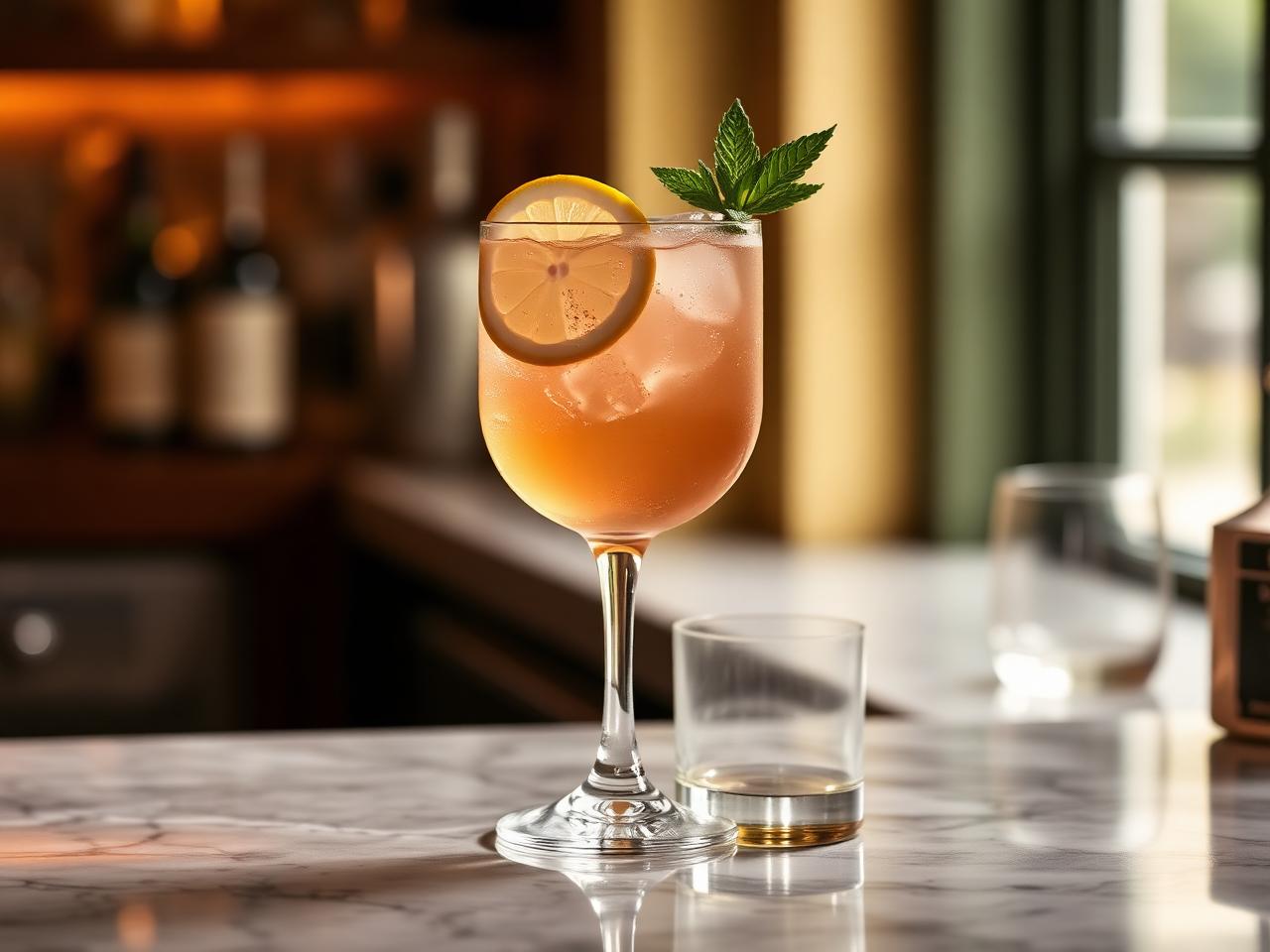
5 min · Serves 1
Gin sling
The one to add to your next party. Long, cold, faintly sweet and endlessly drinkable — and it works just as beautifully with whisky or brandy.
Read the recipe →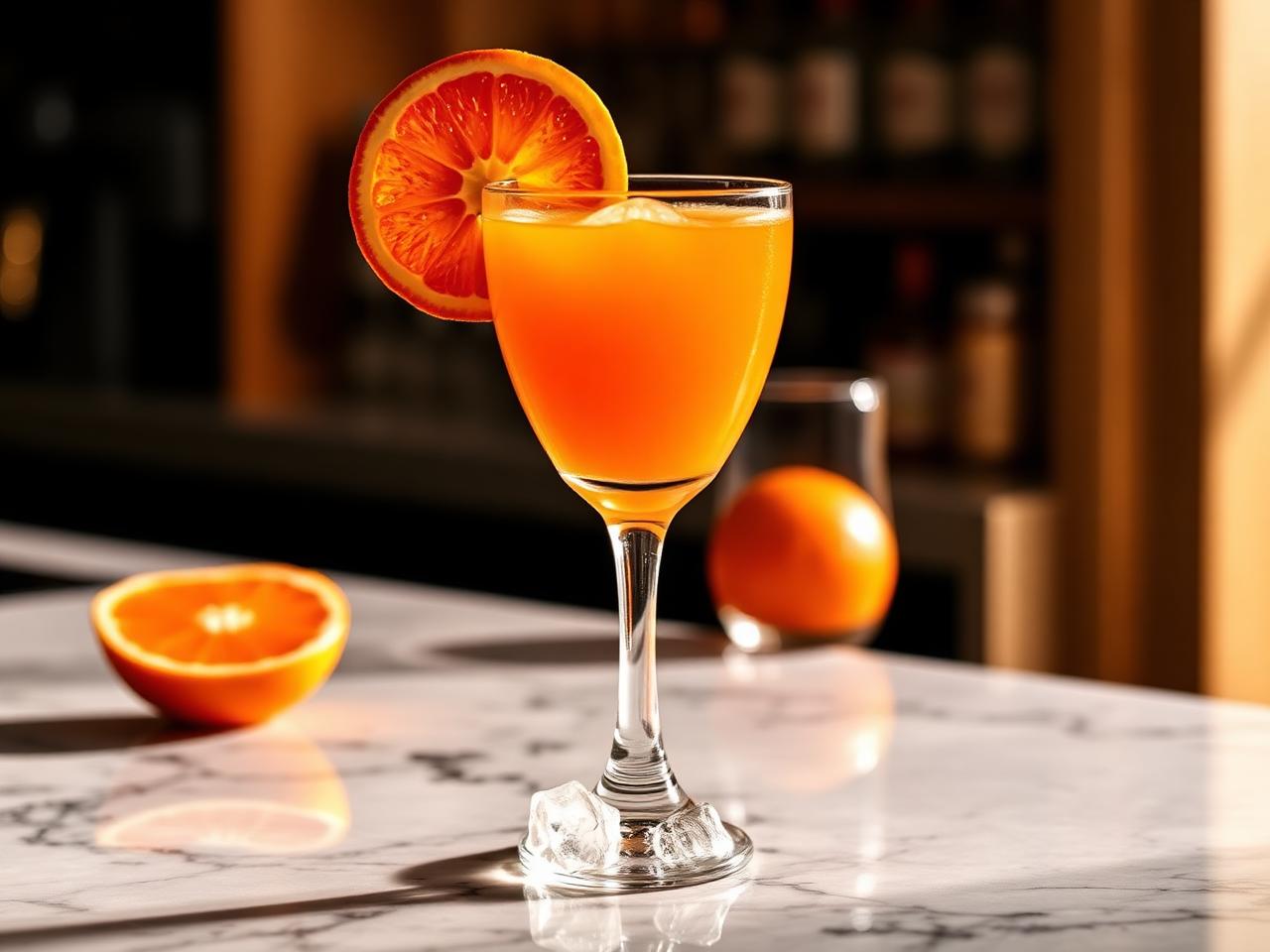
3 min · Serves 1
Screwdriver
Two ingredients, no excuses. Vodka and freshly squeezed orange juice, ice cold, in a tall glass.
Read the recipe →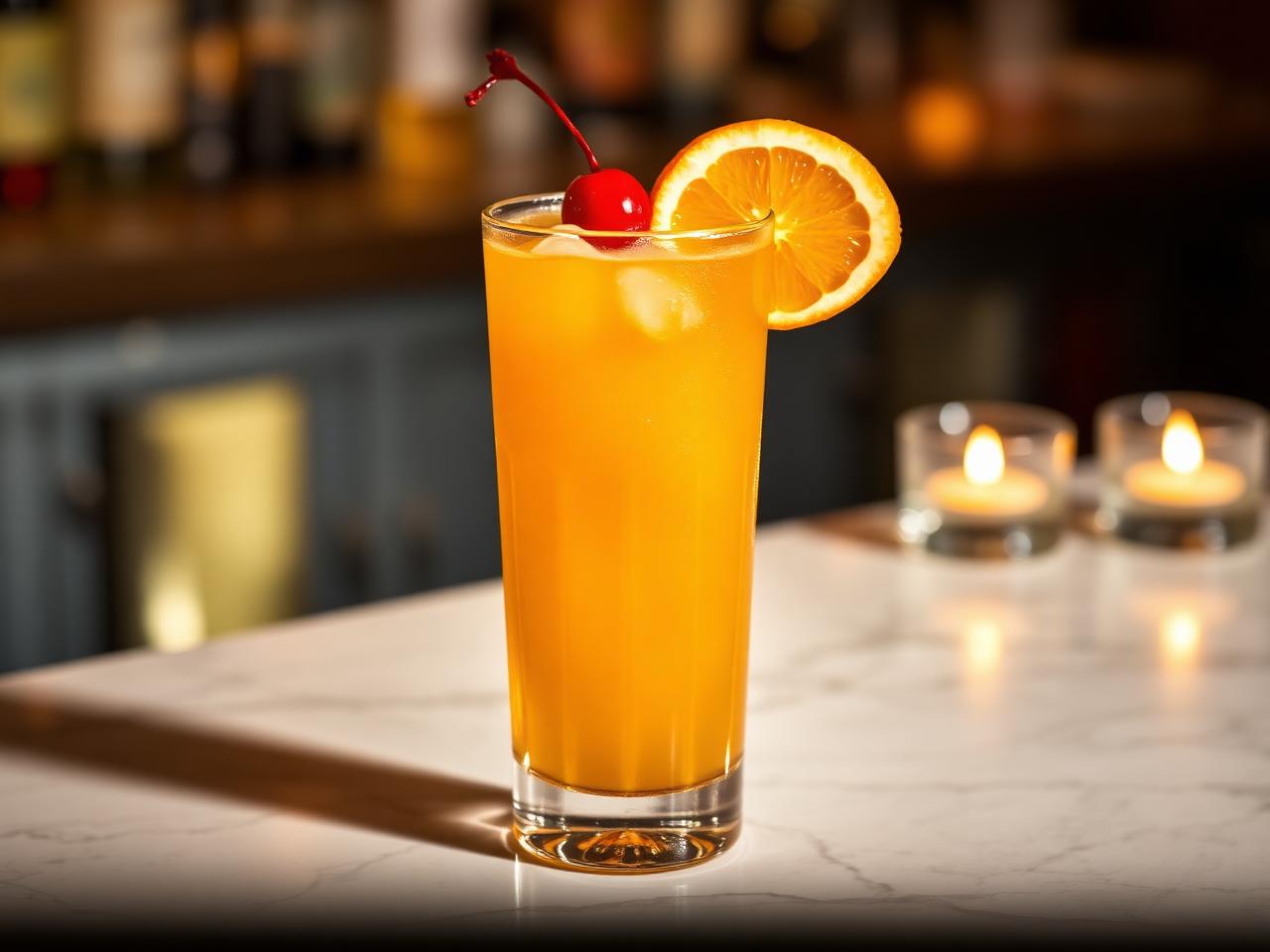
4 min · Serves 1
Harvey Wallbanger
A screwdriver that put on a good jacket — Galliano floated on top so every sip starts with vanilla and anise.
Read the recipe →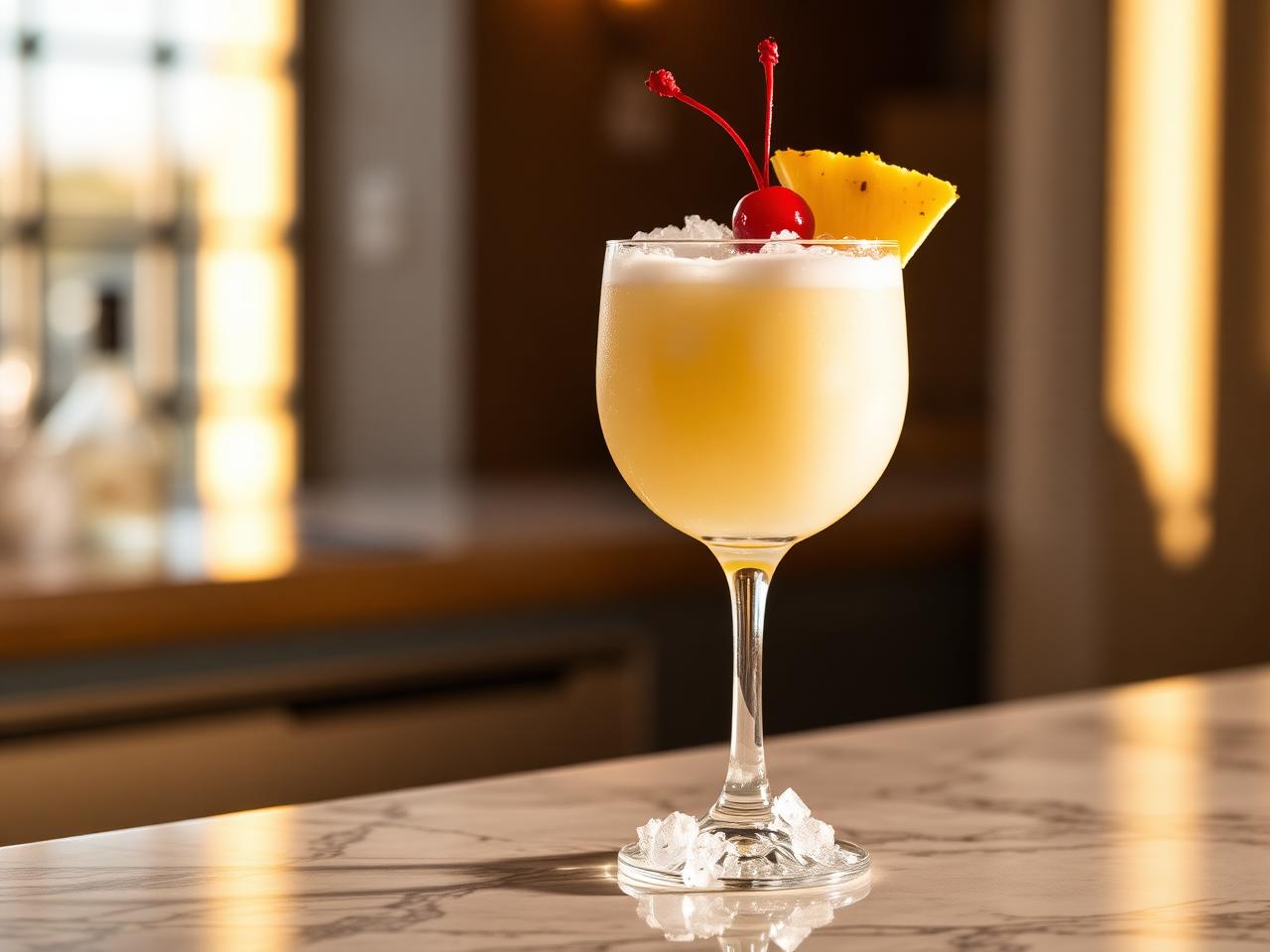
5 min · Serves 1
Chi Chi
The piña colada's cooler cousin, made with vodka. An afternoon or evening drink — creamy, cold and completely disarming.
Read the recipe →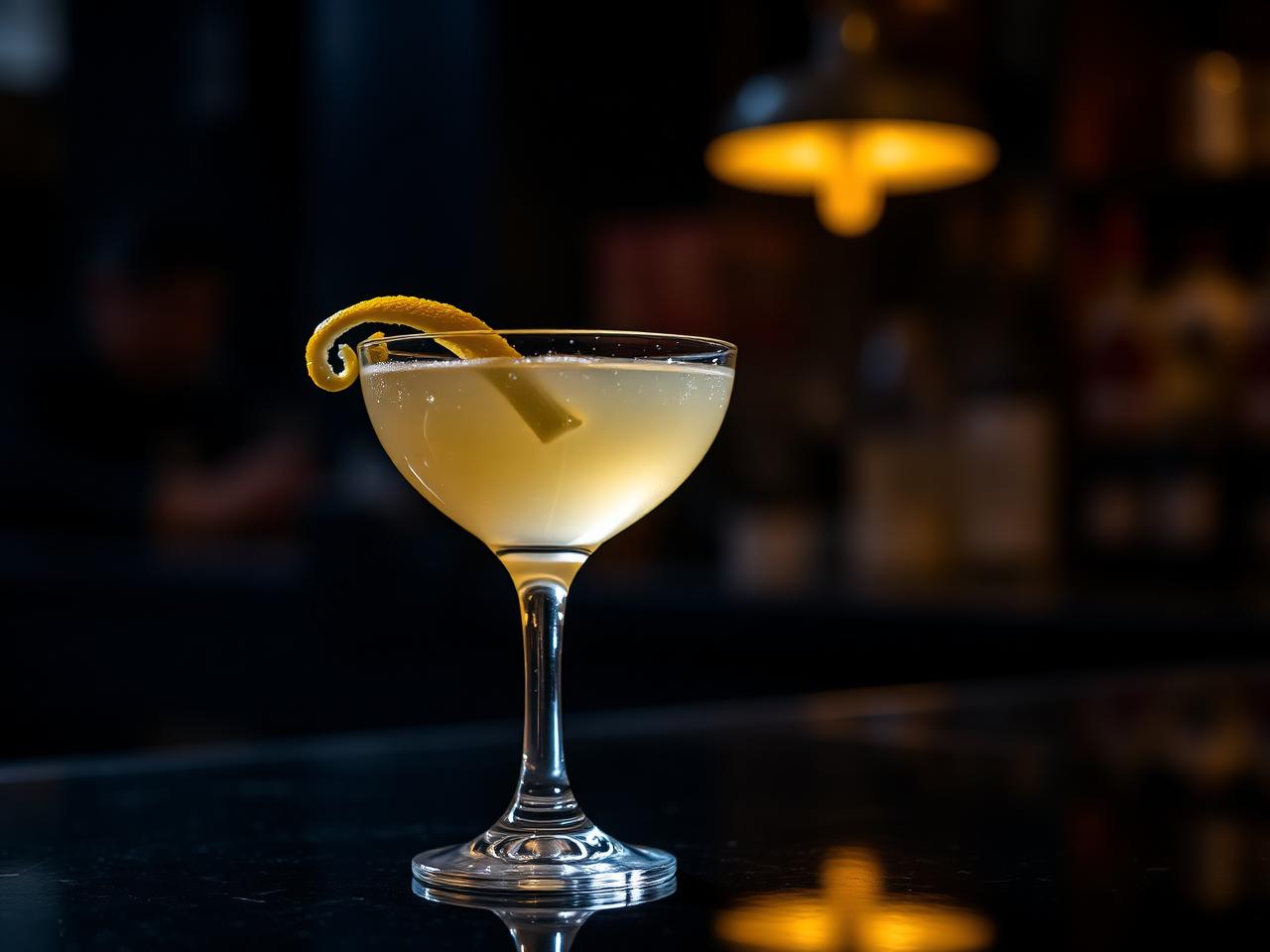
4 min · Serves 1
Between the sheets
A nightcap in the truest sense — brandy, rum and Cointreau, sharpened with lemon, to let you drift off to a heavenly sleep.
Read the recipe →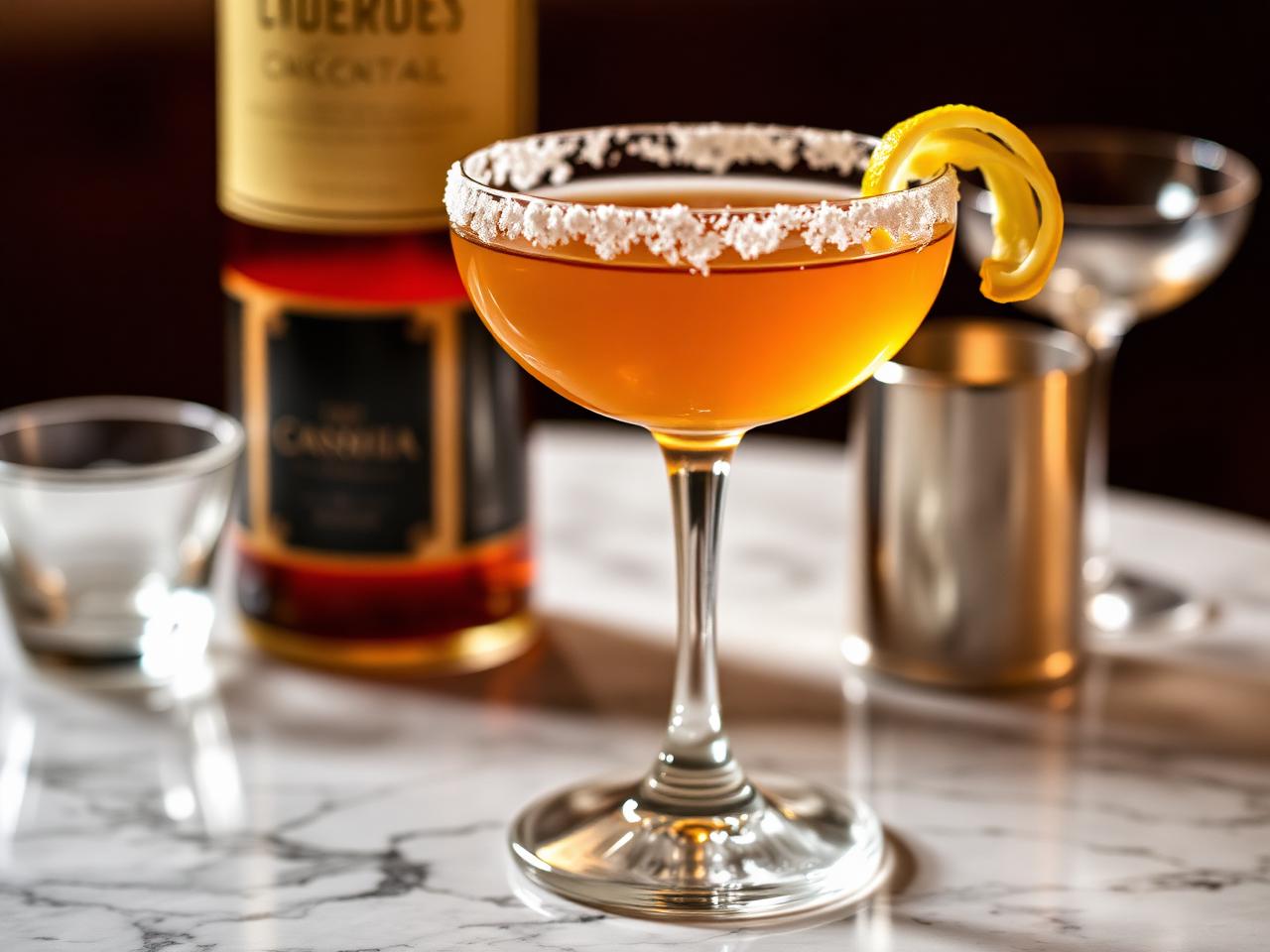
5 min · Serves 1
Sidecar
The pre-dinner cocktail that pleases everybody. Cognac, orange liqueur and fresh lemon juice in a sugar-rimmed coupe.
Read the recipe →
4 min · Serves 1
Tequila sunrise
Orange at the top, red at the base, and a gradient in between that you can absolutely get right every single time.
Read the recipe →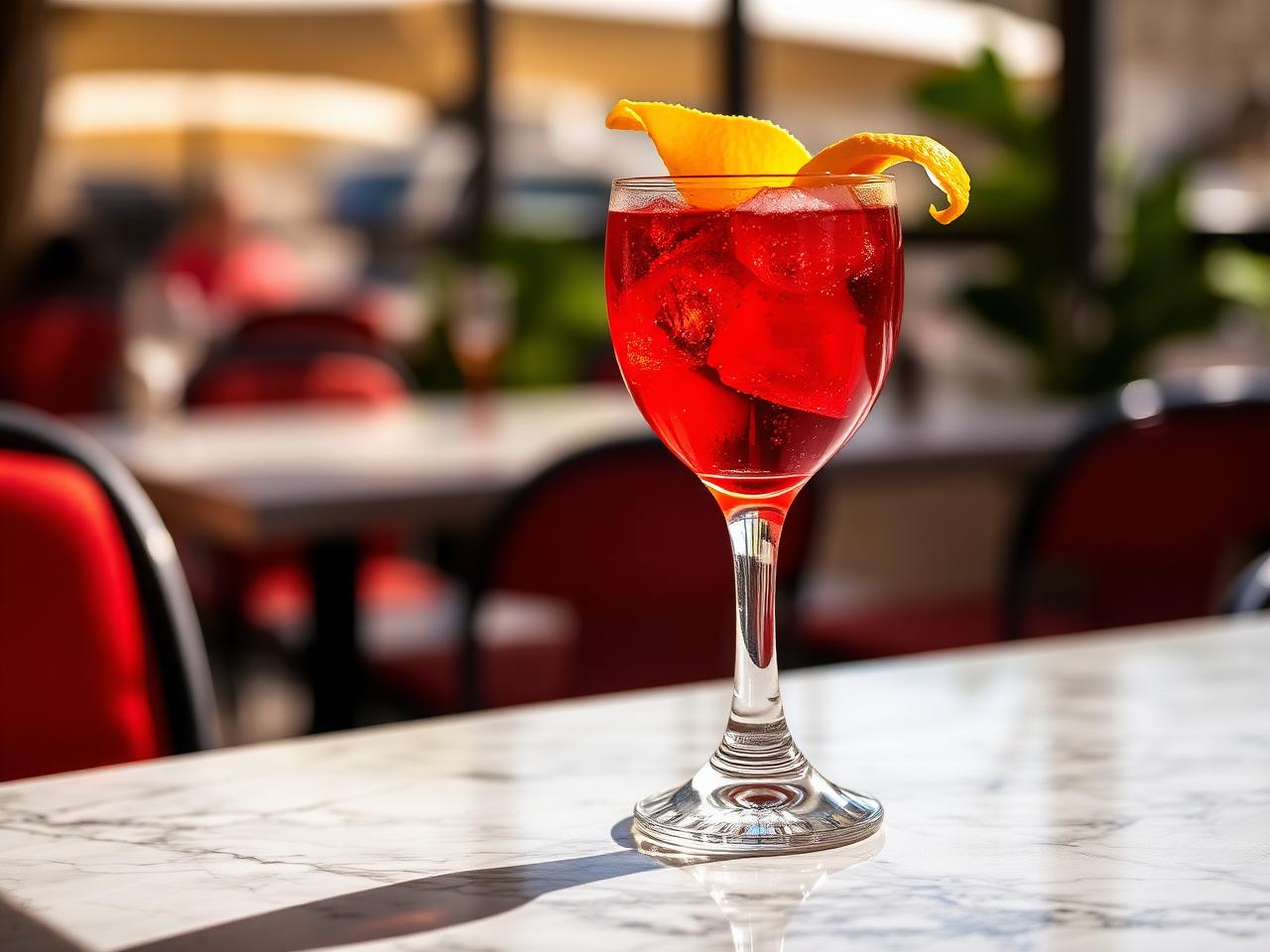
3 min · Serves 1
Americano
Campari — infused with herbs and orange peel — with sweet vermouth and soda. An aperitif over ice, enjoyed at any time of day.
Read the recipe →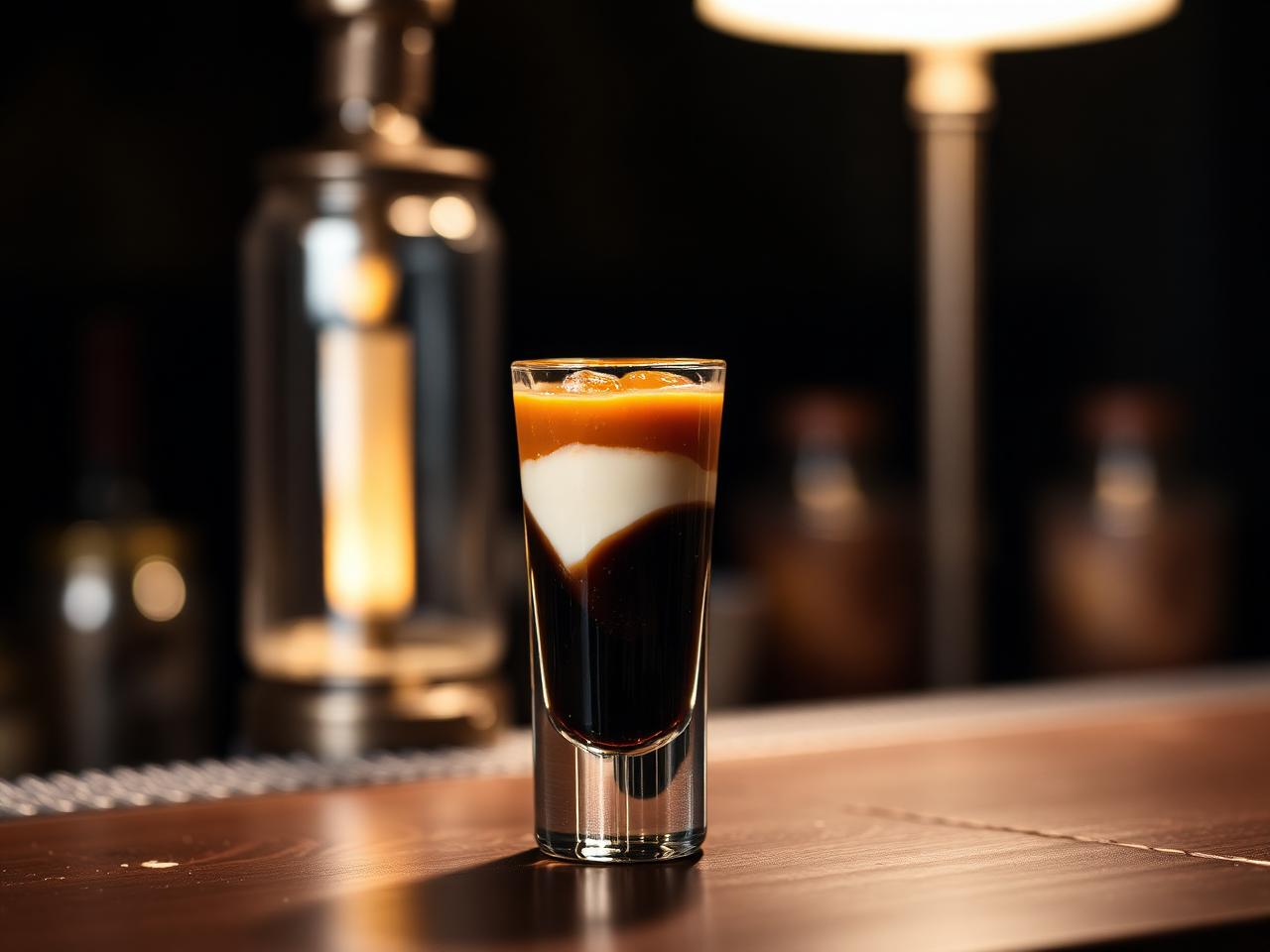
5 min · Serves 1
B-52
Three liqueurs in three distinct layers — a heady nightcap to be sipped slowly, never thrown back.
Read the recipe →
5 min · Serves 1
Boo Boo's special
Fruity, refreshing and made to indulge in on a long hot day — white rum, pineapple, orange and a whisper of grenadine.
Read the recipe →The garnish tray
What goes on top of what
Set out one tray before anybody arrives — citrus wheels and twists, cherries, mint, pineapple wedges, a bowl of caster sugar — and every drink of the night takes ten seconds longer and looks twice as good.
- Gin sling
- Lemon wheel and a fat sprig of mint, slapped once to wake it up.
- Screwdriver
- Orange wheel on the rim, or a half-moon dropped straight in.
- Harvey Wallbanger
- Orange slice and a maraschino cherry on a pick, with the Galliano floated on top.
- Chi Chi
- Pineapple wedge, a cherry, and a dusting of toasted coconut.
- Between the sheets
- A single lemon twist, oils expressed over the surface.
- Sidecar
- Half a sugared rim and a long lemon peel curled into the glass.
- Tequila sunrise
- Orange half-wheel and a cherry on a pick, straw in, never stirred.
- Americano
- A wide strip of orange peel, squeezed and tucked down the side.
- B-52
- Nothing on top — the three layers are the garnish. Serve on a saucer.
- Boo Boo's special
- Pineapple wedge, orange slice, mint sprig and a paper straw.
Always put out as much water, ice and something soft and cold as you do alcohol. The best hosts are the ones whose guests get home safely.
My way to have a braai
Seared, marinated, roasted — steak the way I actually want it.
I do not like traditional braaing. Never have. The standing around a fire, the smoke in your hair, the meat that arrives all at once and always a little too late — it has never been my idea of a good afternoon. But braai day comes round every year, and I still want everyone in my house. So this is my version: a mature thick-cut sirloin, seared hard in a pan the day before, then marinated with exotic mushrooms in soy, sriracha, honey, ginger and garlic and put in the fridge until I am ready to roast it. Fifteen minutes in a hot oven, ten minutes resting, and it goes onto the table over Chinese noodles with a great heap of watercress for pepperiness.
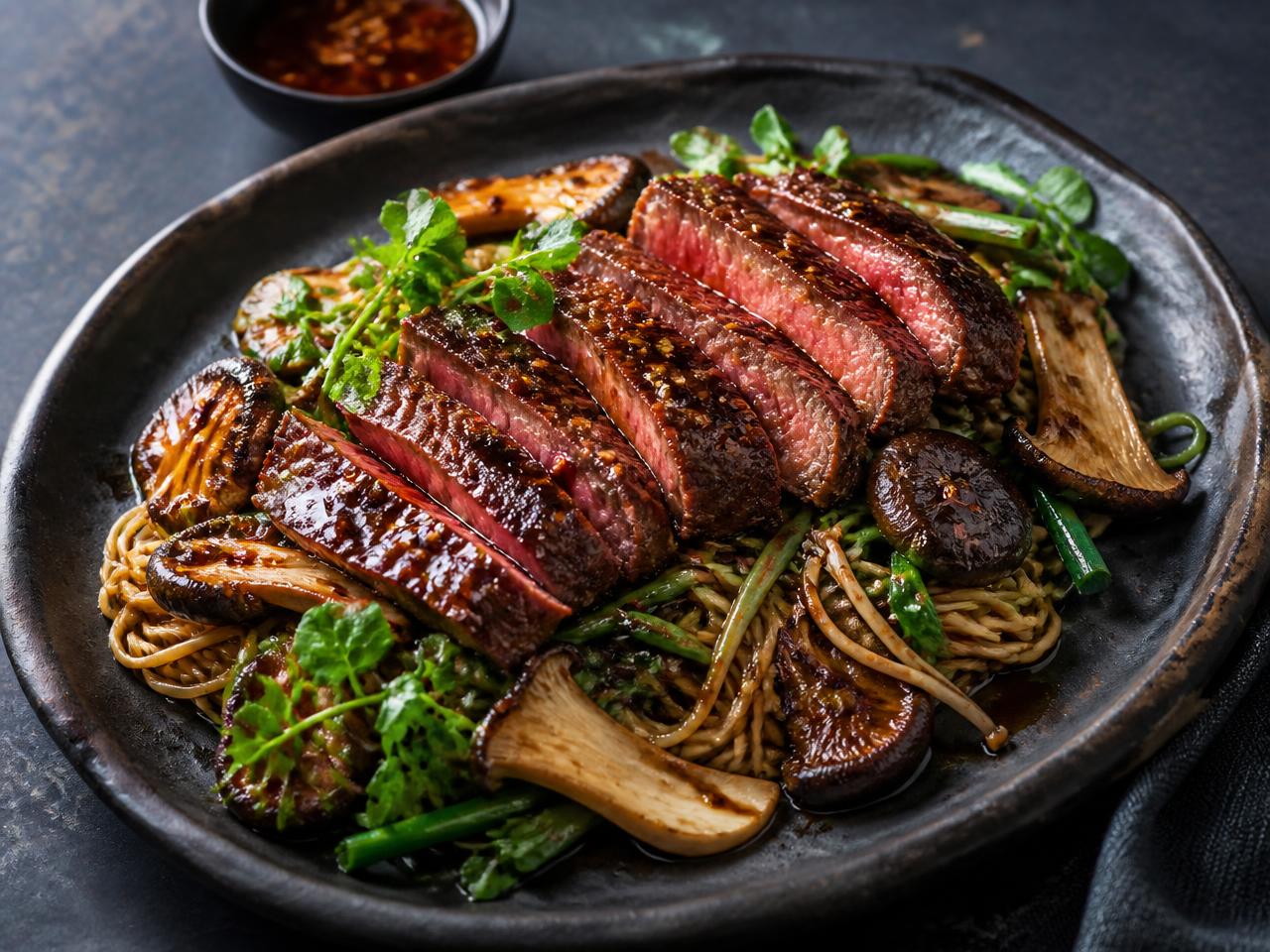
Shiitake, always
I use exotic mushrooms and shiitake are my favourite — meaty, dense, and they hold their character against a marinade instead of dissolving into it. King oyster torn into strips and a tangle of enoki at the end do the rest.
A nod to Woolworths TASTE
This one is from the Woolworths TASTE December 2025 issue. TASTE has been quietly teaching South Africans to cook better for years, and this recipe is a perfect example — oriental, generous, and clever about timing. Thank you.
Trust me on this one. It is quiet enough for a weekday and grand enough for a crowd — and nobody has to stand next to a fire to get it.
29 August 2026 · GETMO game day
Boks versus the All Blacks — finger food, and not a place setting in sight.
The First Ladies Club is coming over for the game. I named the WhatsApp group GETMO, which — now that I look at it in daylight — likens us to a detention camp in Cuba, and I still cannot decide whether we are the inmates, the guards, or (at a stretch) the interrogators. The name will change the moment better inspiration knocks me off my feet. What will not change is the food: nothing plated, nothing formal, no sitting down. Bourgeois, opulent, pick-and-choose game-day food that lets you keep sampling if the predilection takes hold.
As they arrive
The fig and ricotta tart, warm out of the oven, and a drink in hand before anybody has taken their sunglasses off.
Through the game
Carved T-bone on a board, lamb kebabs to pick up by the skewer, and quesadilla wedges that reheat in five minutes at half time.
Full time
Small brownie squares with plum sorbet in little glasses — sharp, cold, and nothing like the pudding they expect.
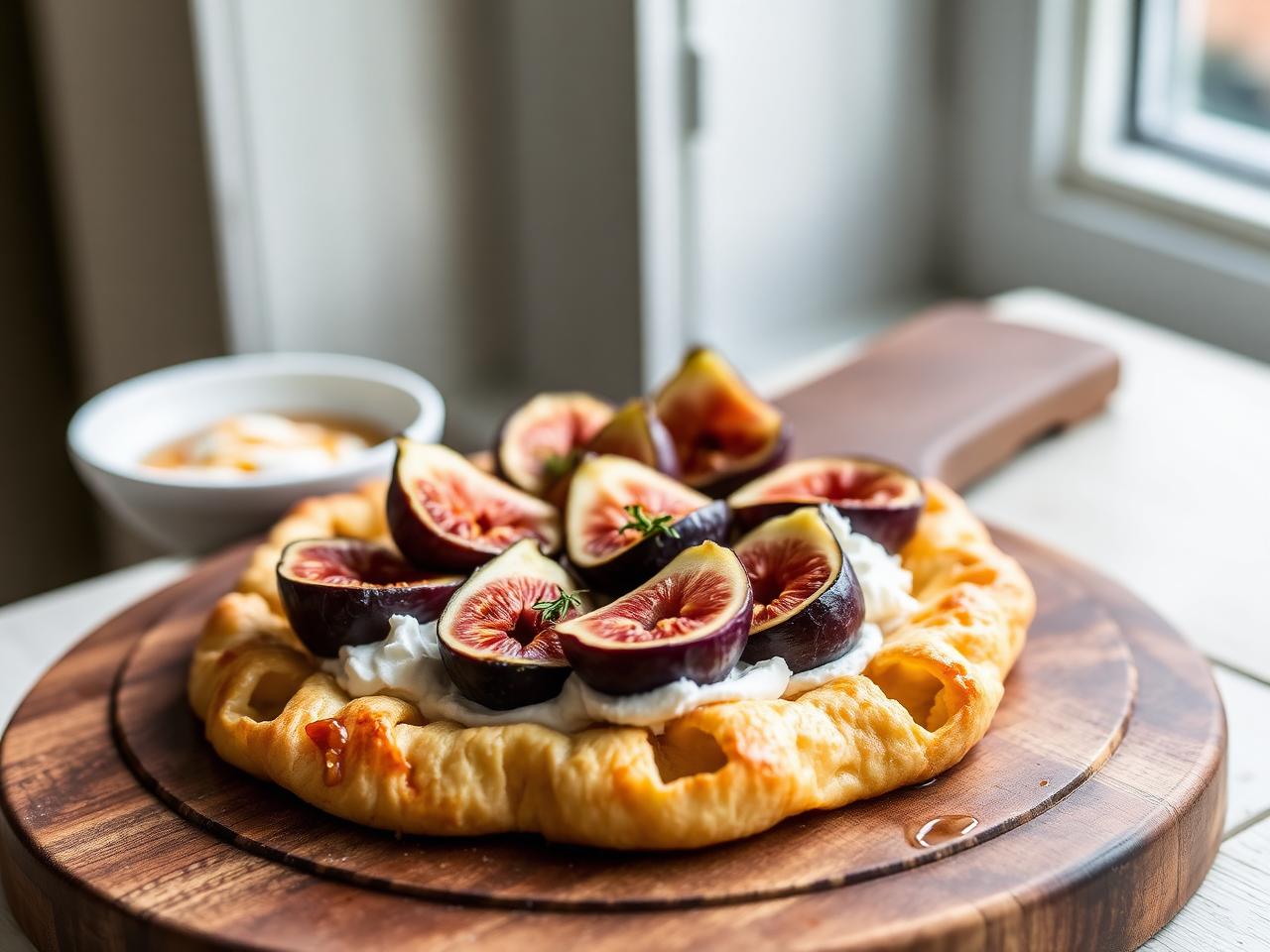
The entrée · BBC Good Food, Sept 2024
Fig and ricotta tart with hot honey
Served warm as they walk in. Light, divine, and made with my own ricotta now — which is a genuine game-changer.
Read the recipe →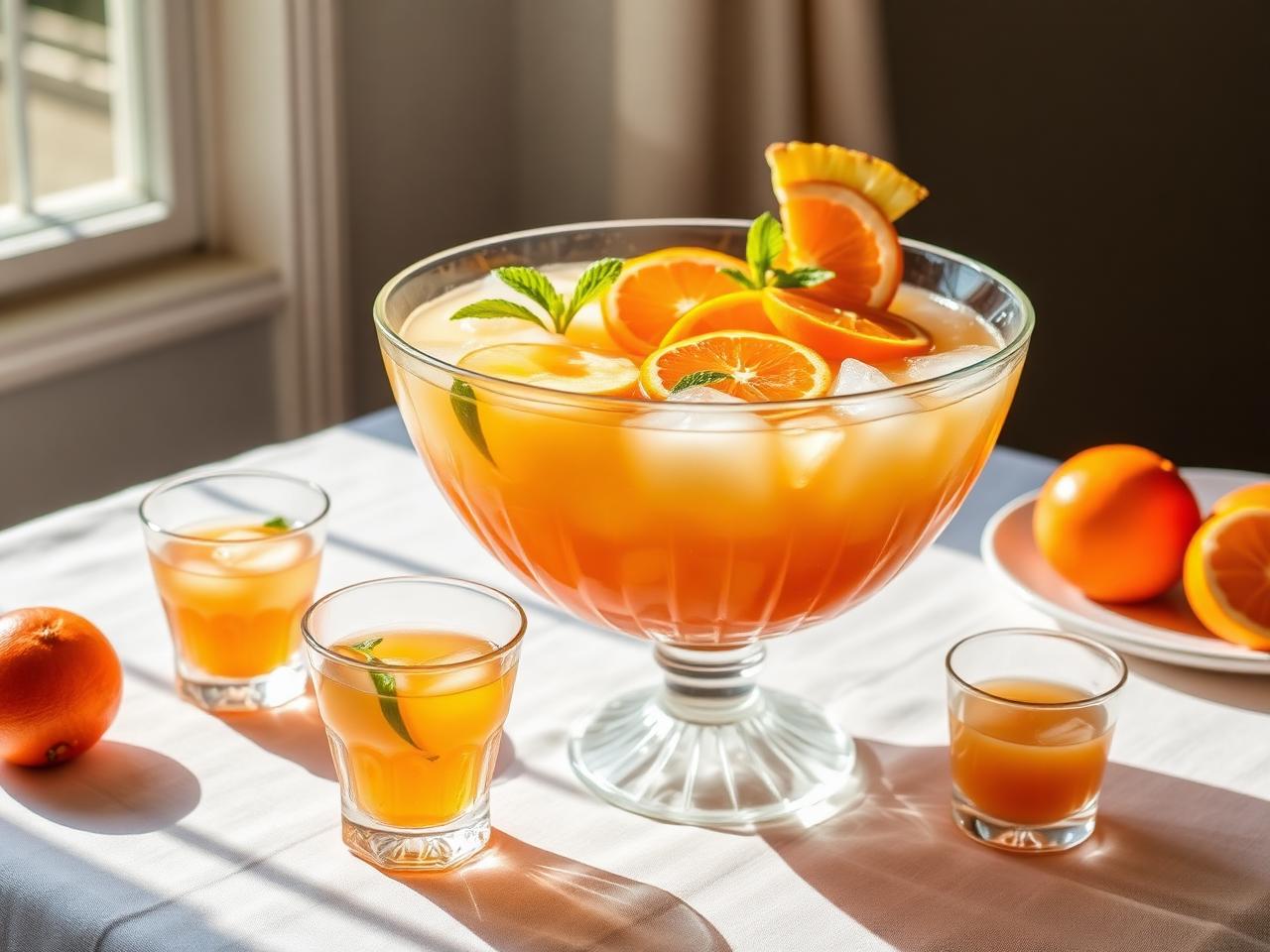
The welcome drink
Rum punch for a crowd
Made in the enormous vessel with a ladle beside it, so the strength of the libation is entirely up to the individual.
Read the recipe →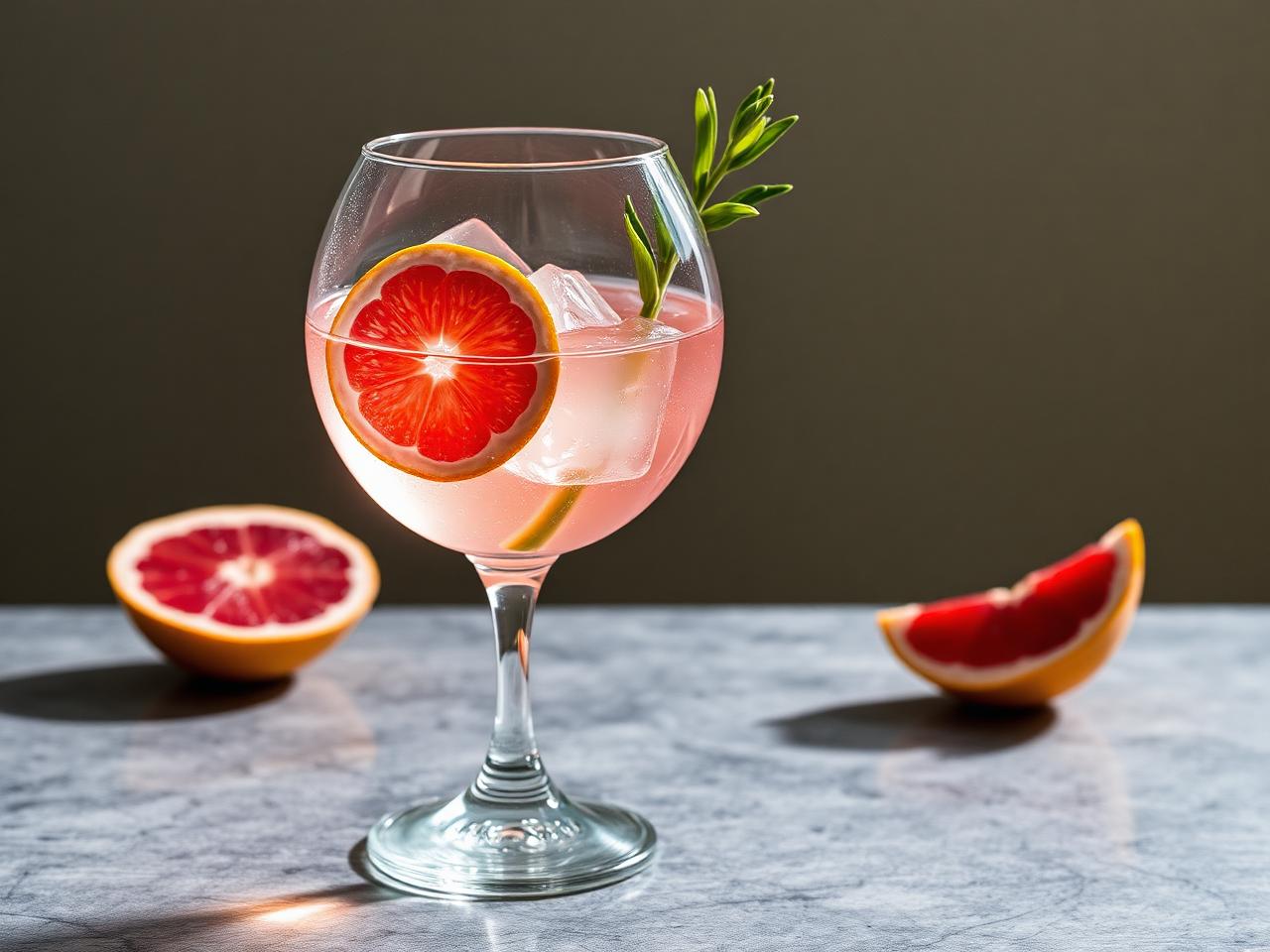
Food & Home SA, Feb 2020
Pink G&T with rooibos and lemongrass
So South African, with a lemongrass twist. In the biggest balloon glass in the cupboard, packed with ice.
Read the recipe →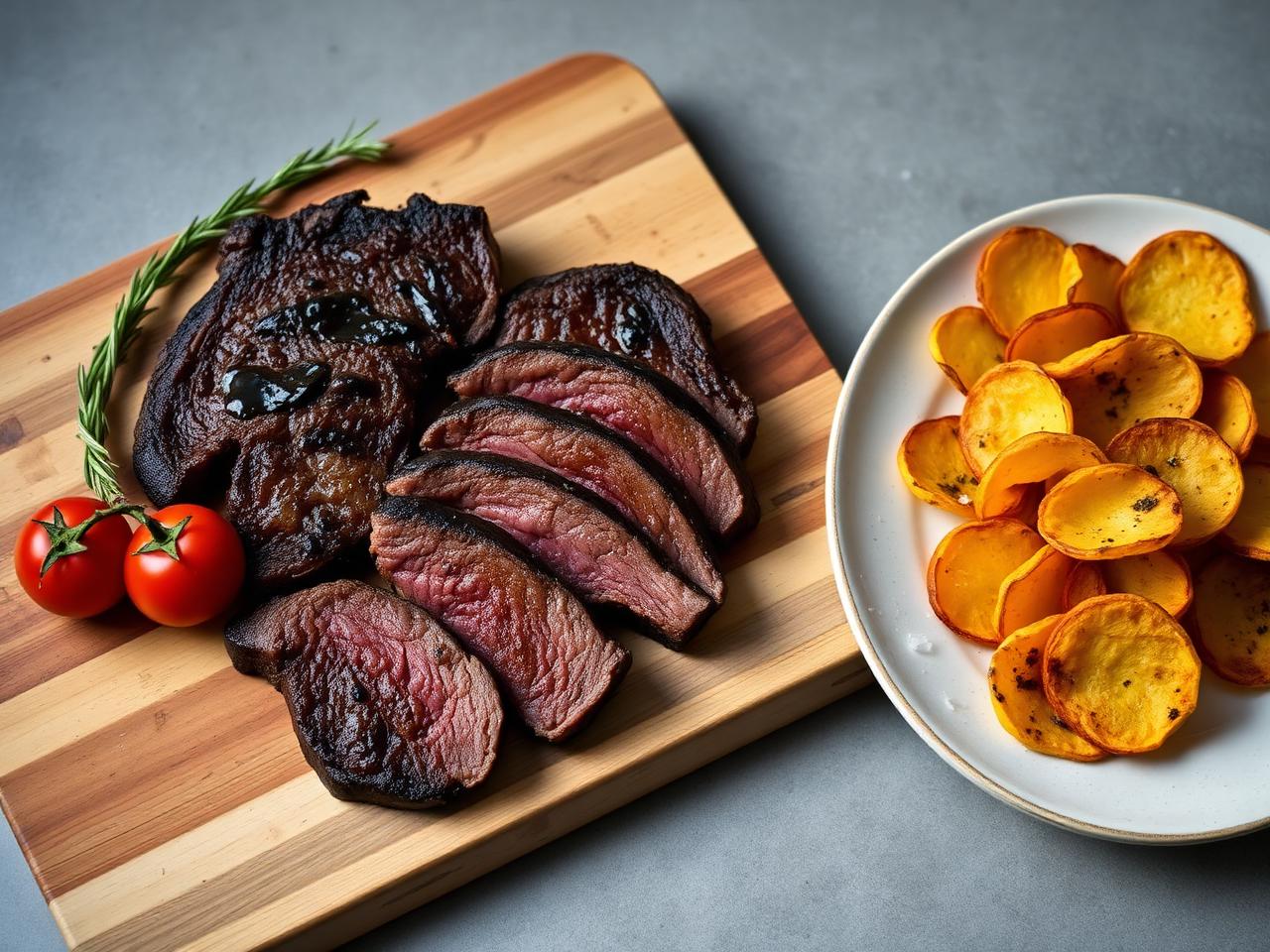
Food & Home SA
Florentine T-bone, polenta chips, balsamic tomatoes
T-bones from Sloane Meat Market, steak and chops spice with a little chicken spice, baby vine tomatoes and crisp polenta chips on the side.
Read the recipe →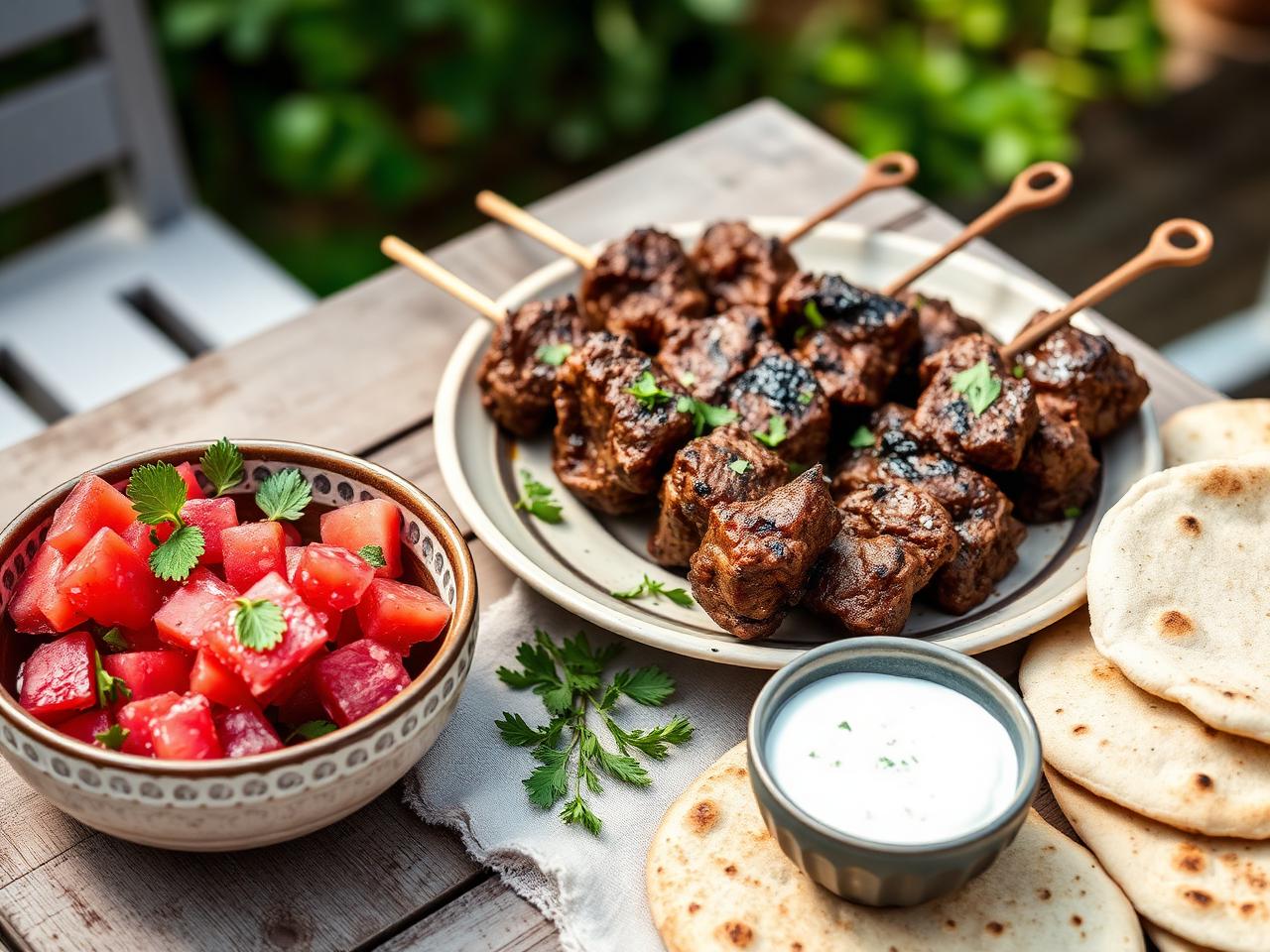
Food & Home SA · al fresco
Lamb kebabs, watermelon salsa, dill yoghurt
Turkish-spiced lamb on skewers with cold watermelon salsa and a cool dill yoghurt to drag them through.
Read the recipe →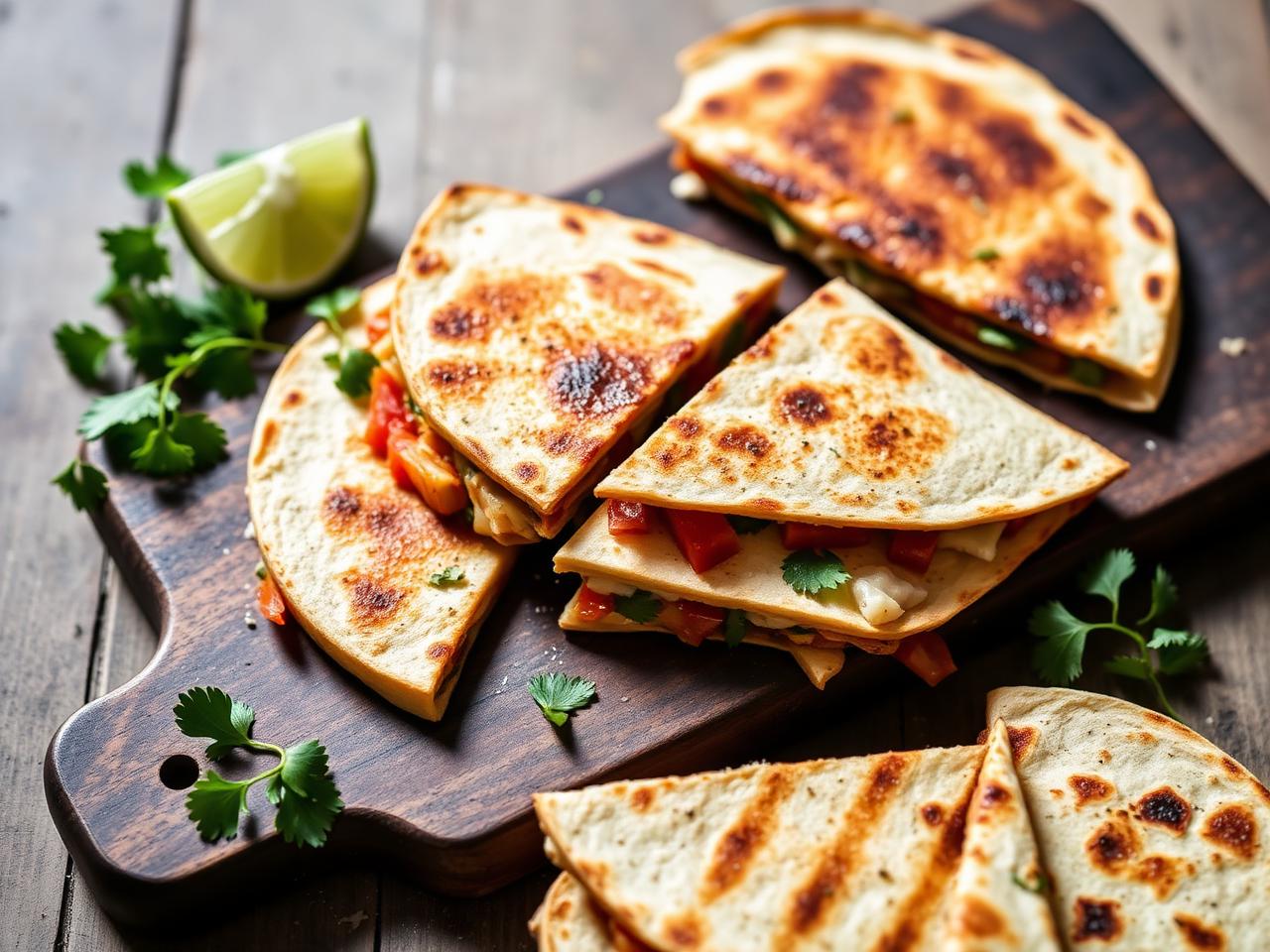
Woman & Home · the fish option
Tuna and pepper quesadillas
Crisp, golden, cut into wedges. Nobody treats them as the fish option — they simply disappear.
Read the recipe →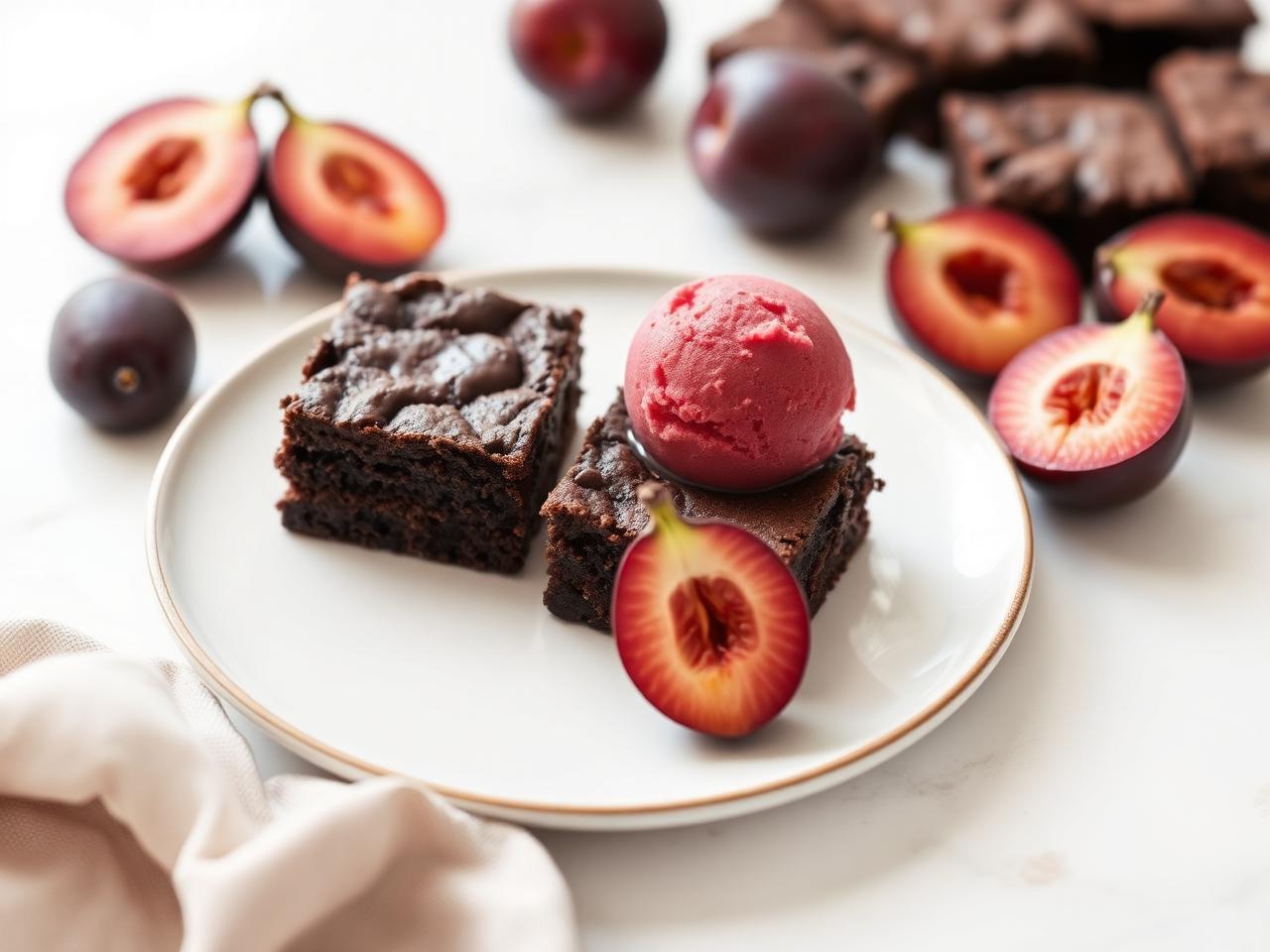
Dessert · something different
Chocolate brownies with plum sorbet
Dense fudgy squares against a sharp magenta plum sorbet. The cold fruit is what makes it grown-up.
Read the recipe →They say the All Blacks are our biggest rivals. The competition needs the greatest rivalry — so I think the drama is in the name. Either way, the tart comes out warm at kickoff.
A nod to my heritage · South African stews
Bredie — Sunday in a cast iron pot.
There are great stews from everywhere, and I will admit my absolute favourites are either French or Italian. But a lot of my childhood — the formative years especially — was stew. And there are the quintessentially South African ones that, the moment I start cooking them, put me back in bed on a Sunday morning smelling onions and lamb coming down the passage because my gran had already started. Church, then home, and by the time we walked through the door my mouth was watering and my stomach was grumbling. It is fantastic.
Given our country's dynamic, a stew here is also called a bredie. The base is always the same: lamb or mutton — I prefer lamb — with potatoes and green peppers. What you add after that gives the pot its name. Tomato, pumpkin, cabbage, cauliflower, and my absolute favourite, green bean.
Brown it properly
In batches, hard, in a heavy pot. The colour on the lamb is the whole flavour of the gravy and there is no shortcut past it.
Never let it boil
A bredie is a whisper of a simmer for two hours or more. Boiling toughens the lamb and muddies the sauce.
Let it stand
Fifteen minutes off the heat before you serve. It settles, it thickens, and it is always better the next day.
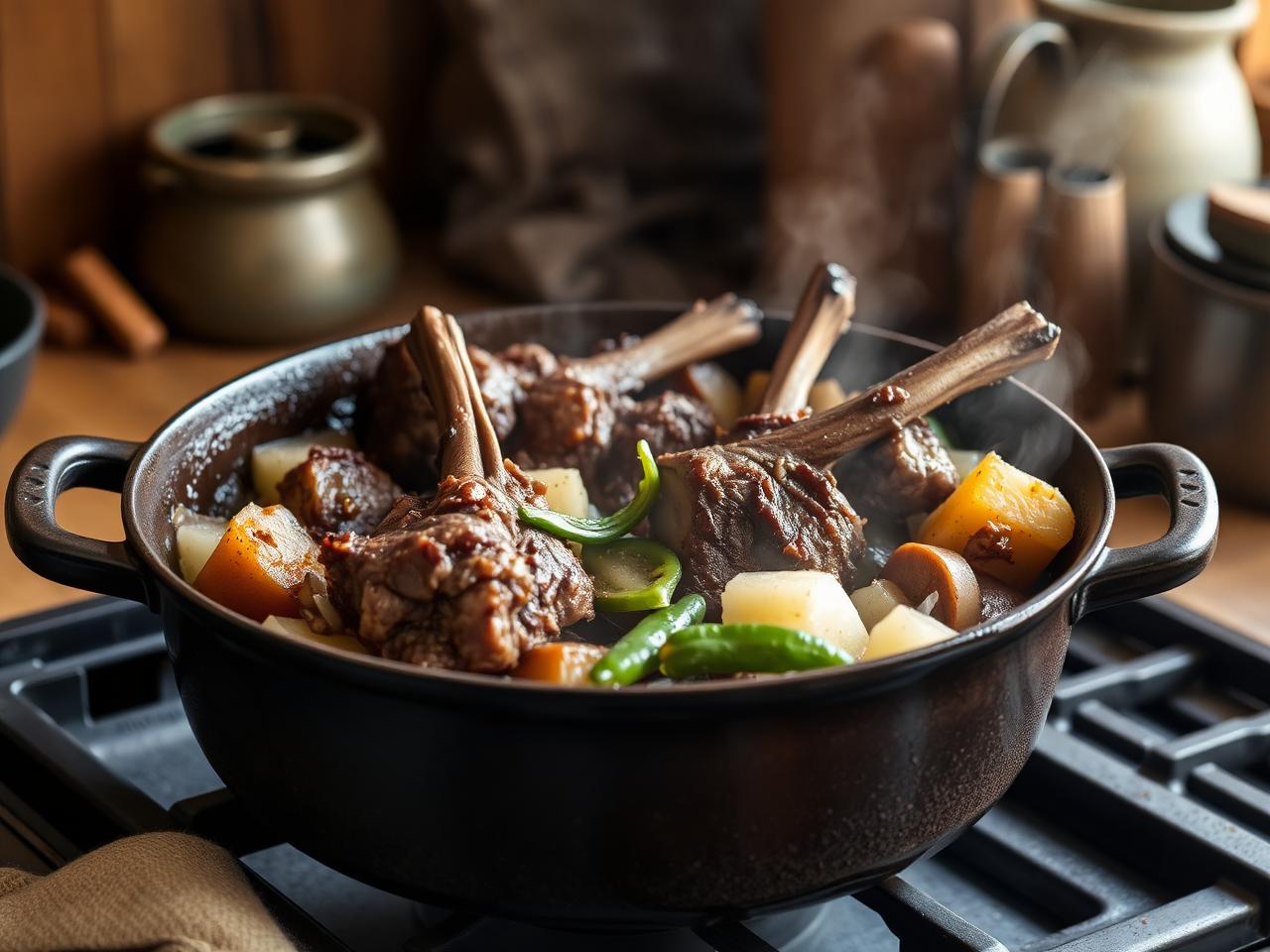
The mother recipe
The base bredie — lamb, potato, green pepper
Lamb browned hard, onions cooked to nothing, potatoes and green pepper. Everything else is a variation on this pot.
Read the recipe →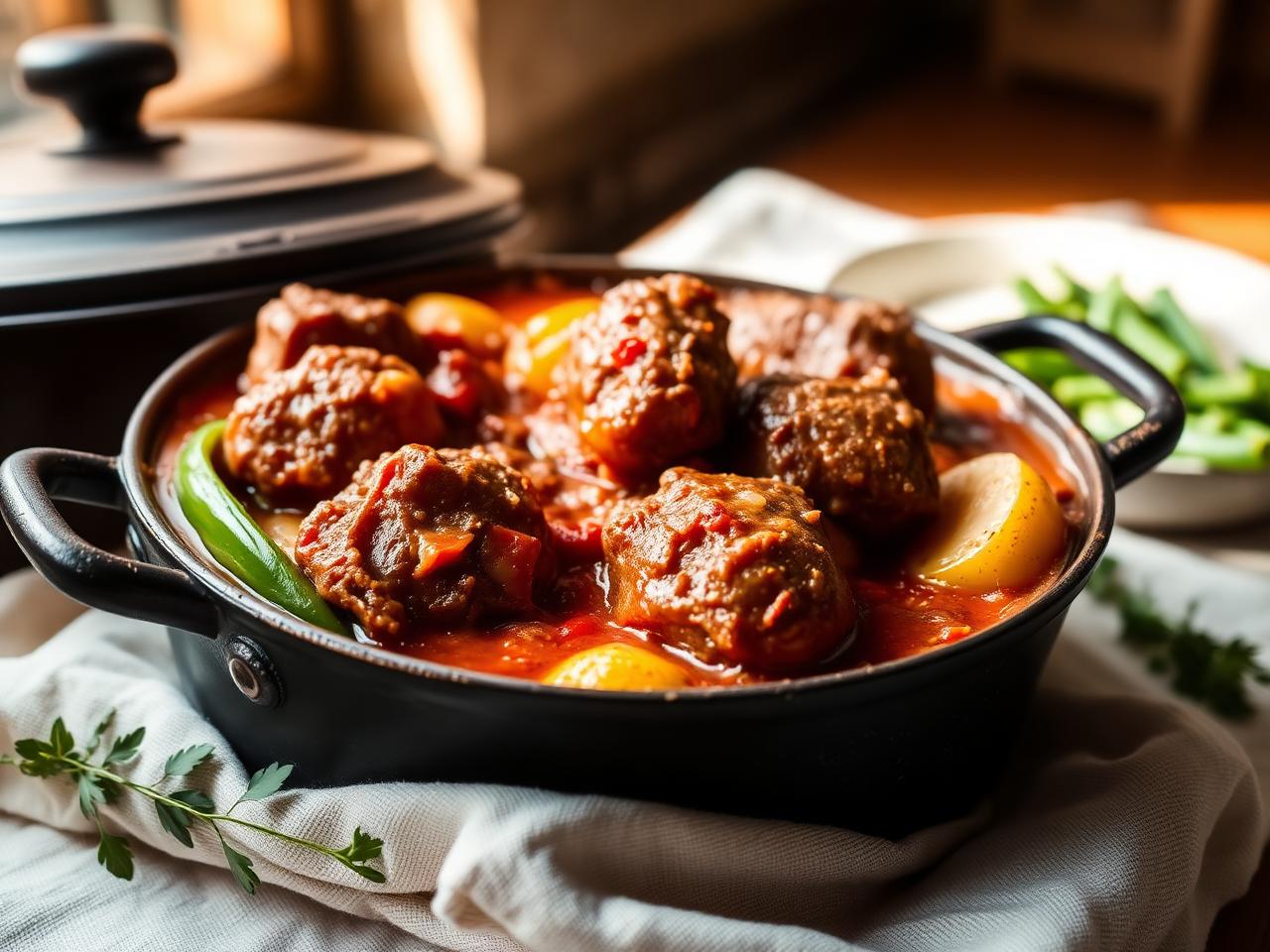
1 · Tomato
Tamatie bredie
The Cape classic. Deep, sweet-sour tomato with cinnamon and a whole chilli, cooked down to brick red.
Read the recipe →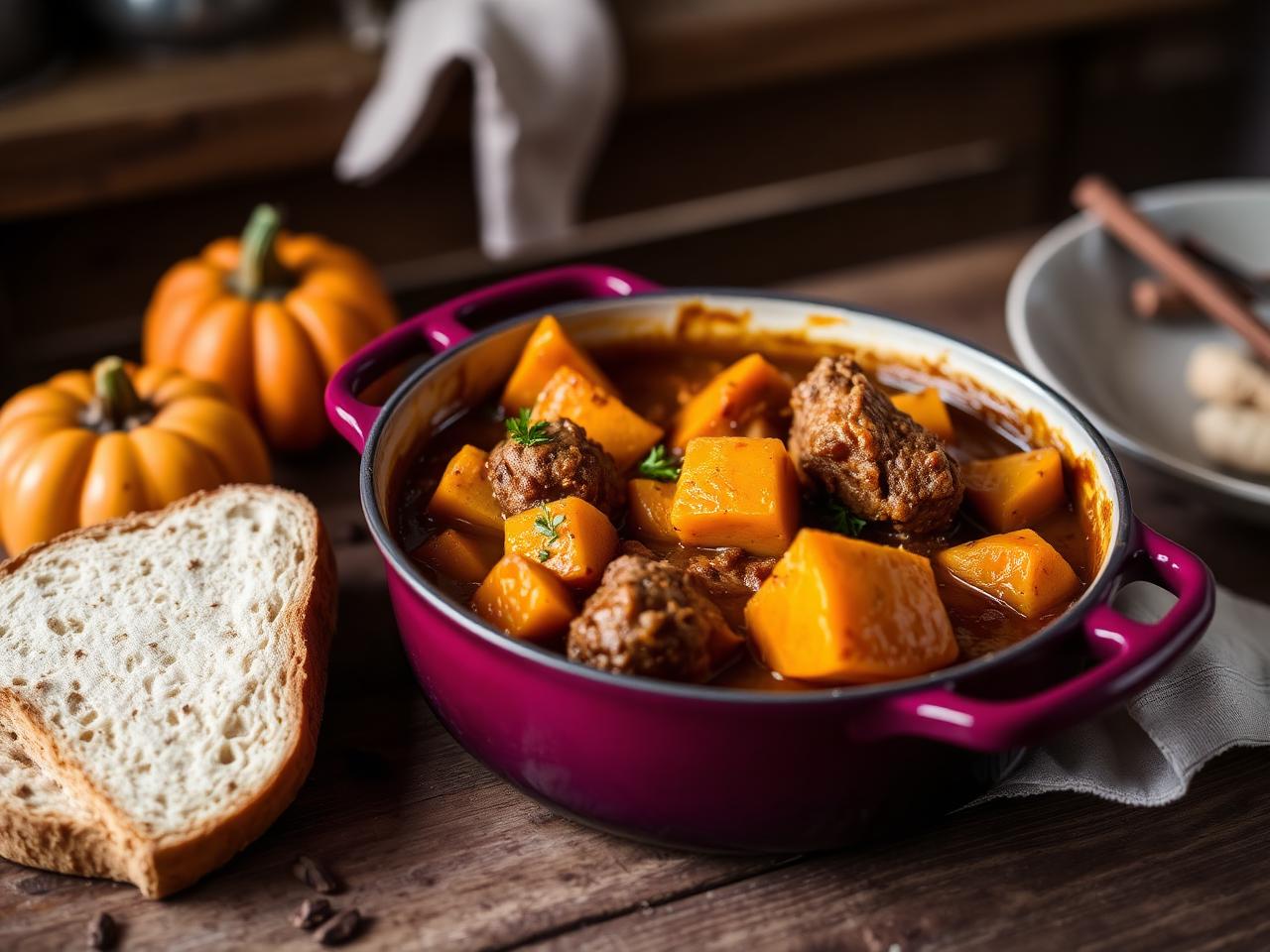
2 · Pumpkin
Pampoen bredie
Added in two goes so half melts into the gravy and half stays in pieces. Sweet, orange and comforting.
Read the recipe →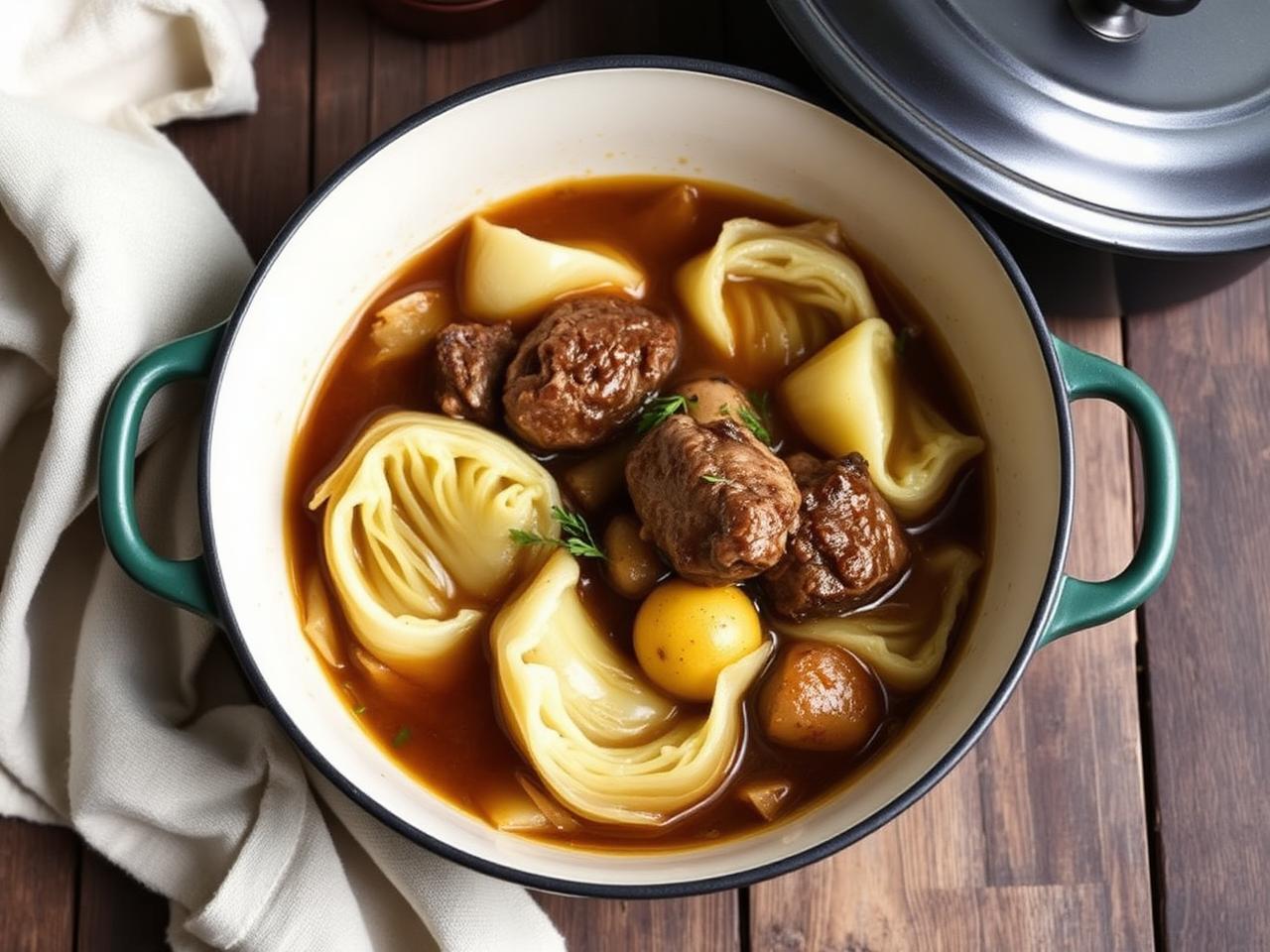
3 · Cabbage
Kool bredie
Thick wedges braised whole until silky, in a clear peppery gravy. The one everybody underestimates.
Read the recipe →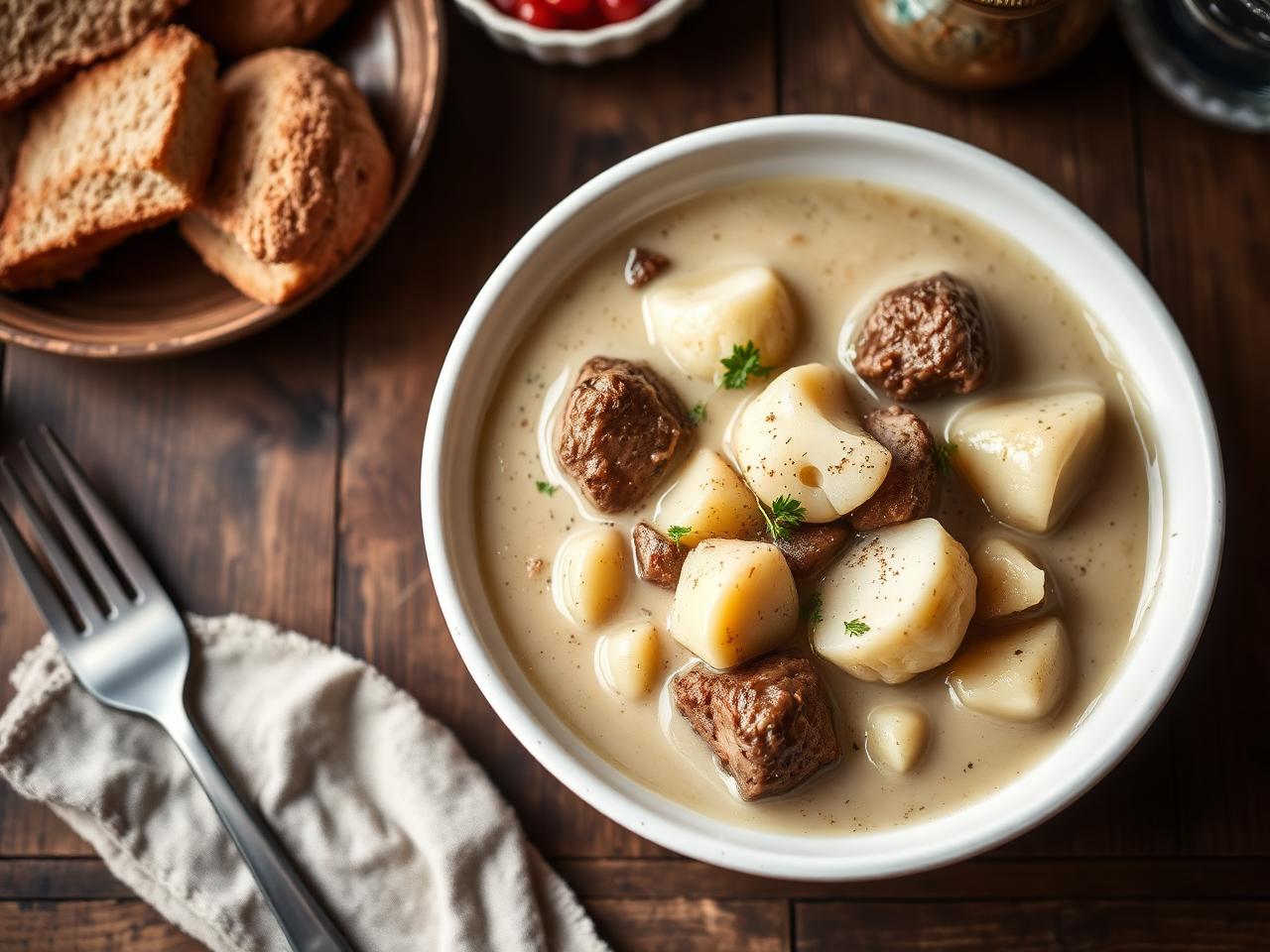
4 · Cauliflower
Blomkool bredie
The quietest and most elegant of them — pale, gently creamy, finished with nutmeg and parsley.
Read the recipe →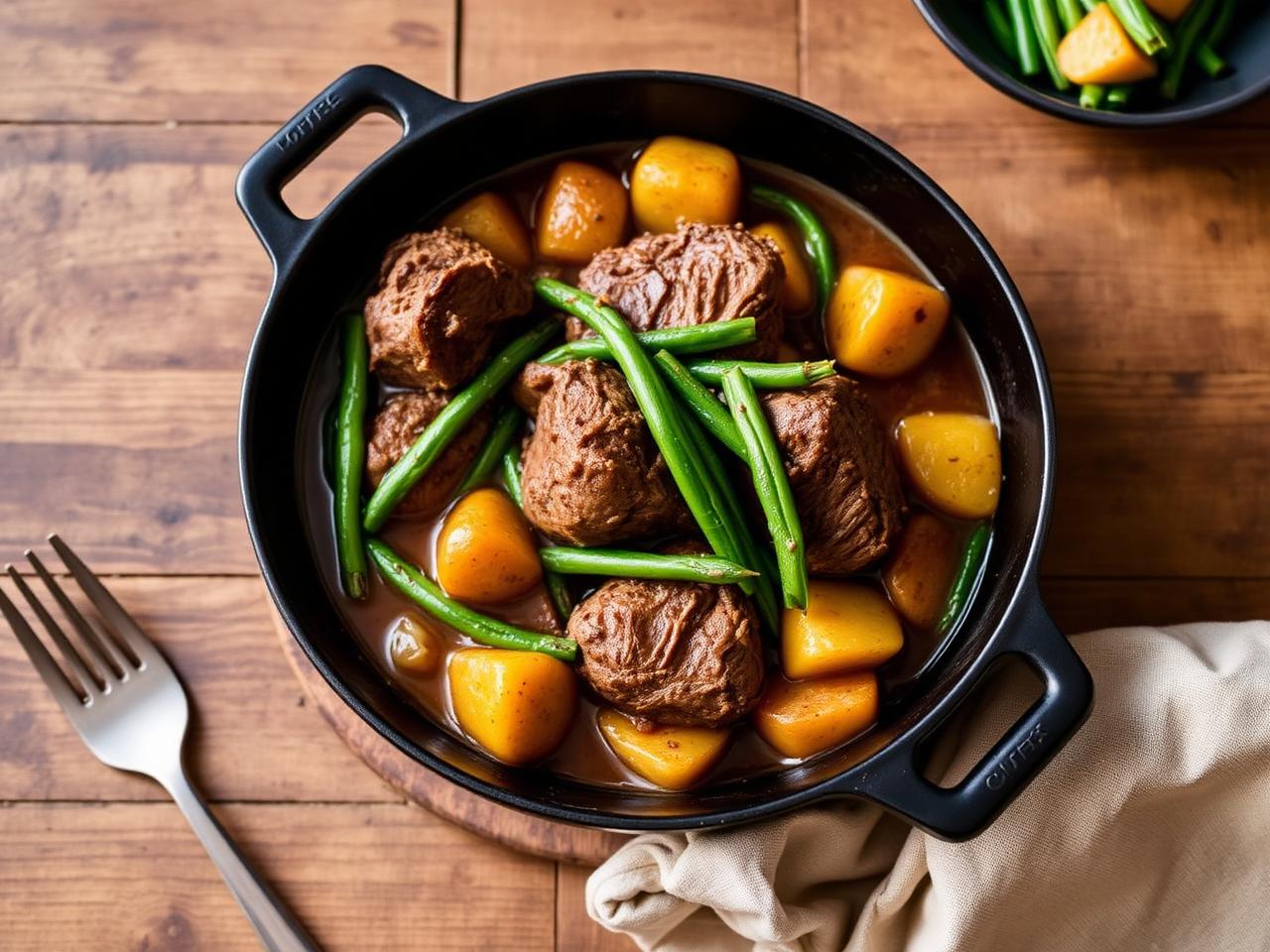
5 · Green bean · my favourite
Groenboontjie bredie
Cooked long past bright green until the beans are soft and full of gravy. Unfashionable, and the taste of my childhood.
Read the recipe →For my gran, who never measured a thing in her life and got it right every single Sunday. This is my heritage in a pot.
2 September 2026 · A heatwave dessert
When it is too hot to bake, make a granita.
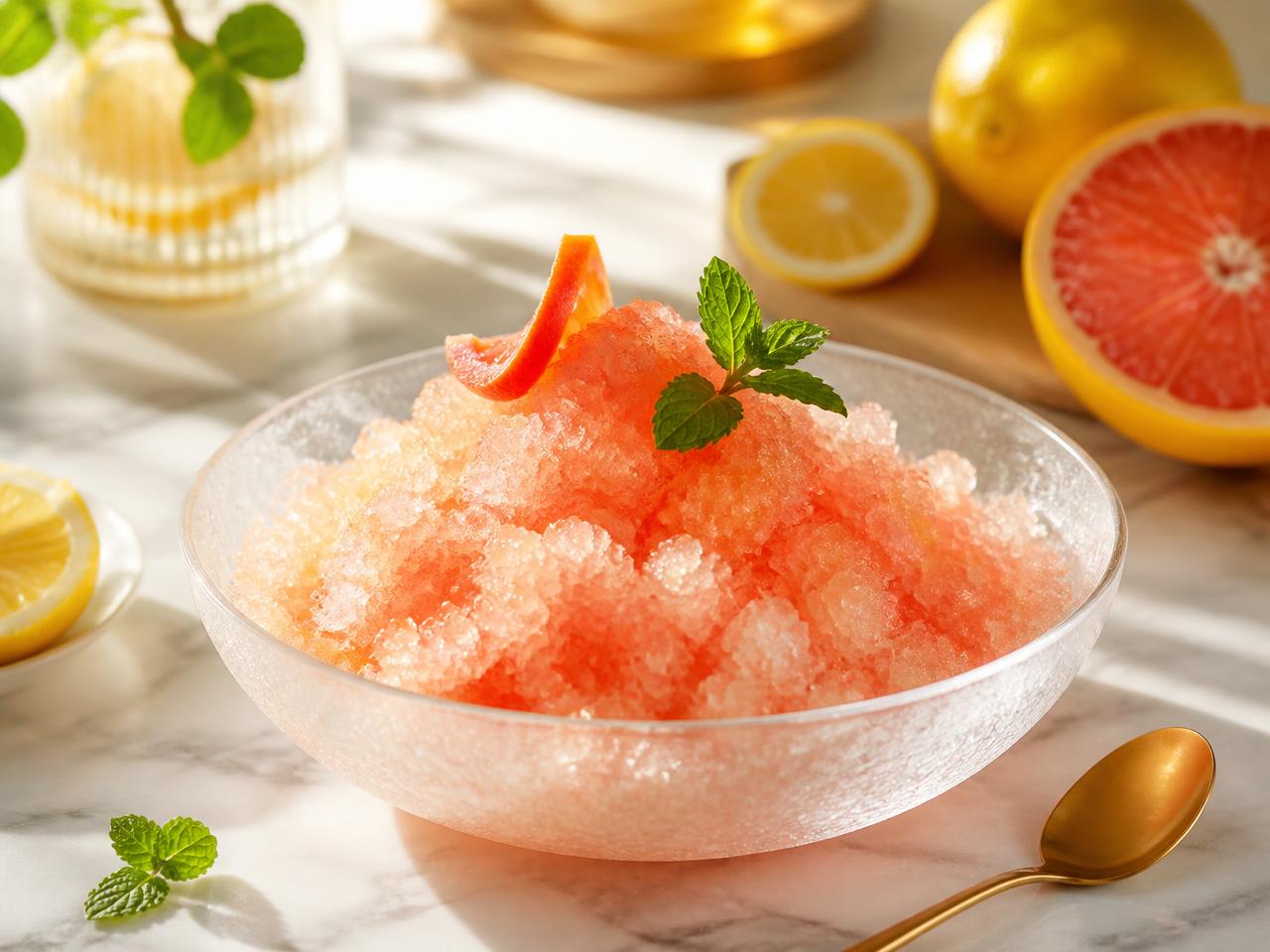
No machine required
I wanted sorbet. The freezer, however, had other plans — no ice-cream machine in sight. So granita it is: the same sharp citrus relief, scraped with a fork every half hour until it becomes a mound of fluffy, coral-coloured crystals. It is the easiest impressive dessert I know, and on a day when the body is not cooperating, it is the one thing I can still make from the kitchen stool.
The recipe is simple: fresh lemon juice, fresh pink grapefruit juice, a little sugar syrup, and a pinch of salt. Pour it into a shallow dish, freeze, and fork it through every thirty minutes. Serve in chilled glasses with a mint sprig and a twist of grapefruit peel. That is it. Summer in a spoon.
Ntombi ate her lángos with labneh and loved it. Then she ate granita and loved that too. Small wins on a hard day count for everything.