For company
Venetian duck ragù with pappardelle
In Venice this sauce would usually be served with thick, noodle-like pasta called bigoli — however, I prefer this with pappardelle pasta. Duck legs braised slowly in red wine, tomatoes, cinnamon and rosemary, shredded and folded through wide ribbons of pasta.
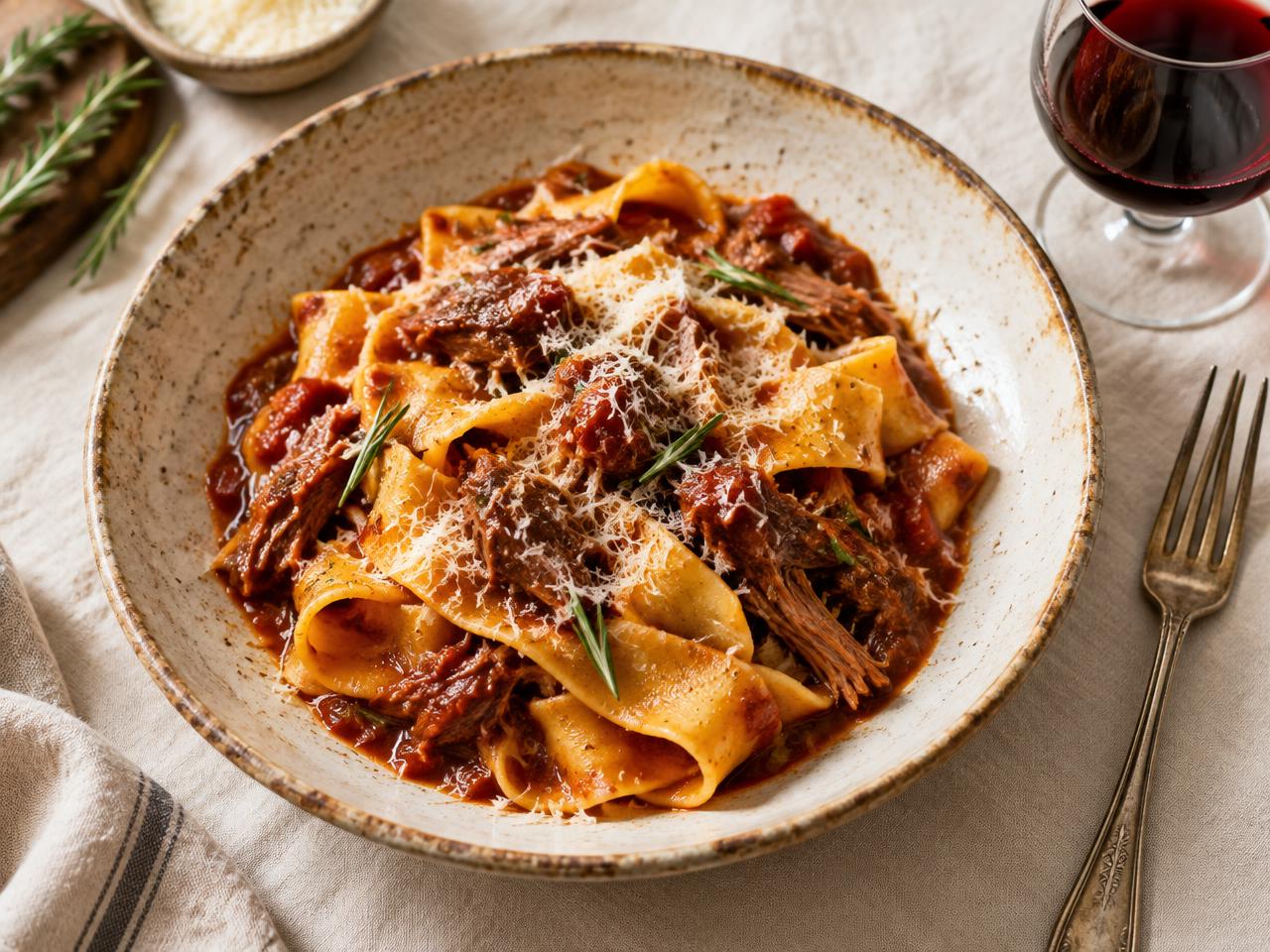
In Venice this sauce would usually be served with thick, noodle-like pasta called bigoli, however, I prefer this with pappardelle pasta. A Venetian classic, made for a slow Sunday or a lavish table.
Method
- 01
Heat the oil in a large pan. Add the duck legs and brown on all sides for about 10 minutes. Remove to a plate and set aside.
- 02
Add the onions to the pan and cook for 5 minutes until softened. Add the garlic and cook for a further 1 minute, then stir in the cinnamon and flour and cook for a further minute.
- 03
Return the duck to the pan, add the wine, tomatoes, stock, herbs, sugar and seasoning. Bring to a simmer, then lower the heat, cover with a lid and cook for 2 hours, stirring every now and then.
- 04
Next, carefully lift the duck legs out of the sauce and place on a plate — they will be very tender so try not to lose any of the meat. Pull off and discard the fat, then shred the meat with 2 forks and discard the bones.
- 05
Add the meat back to the sauce with the milk and simmer, uncovered, for a further 10–15 minutes while you cook the pasta.
- 06
Cook the pasta following the packet instructions, then drain, reserving a cup of the pasta water, and add the pasta to the ragù. Stir to coat all of the pasta in the sauce and cook for 1 minute more, adding a splash of cooking liquid if it looks dry. Serve with grated Parmesan.
In the glass
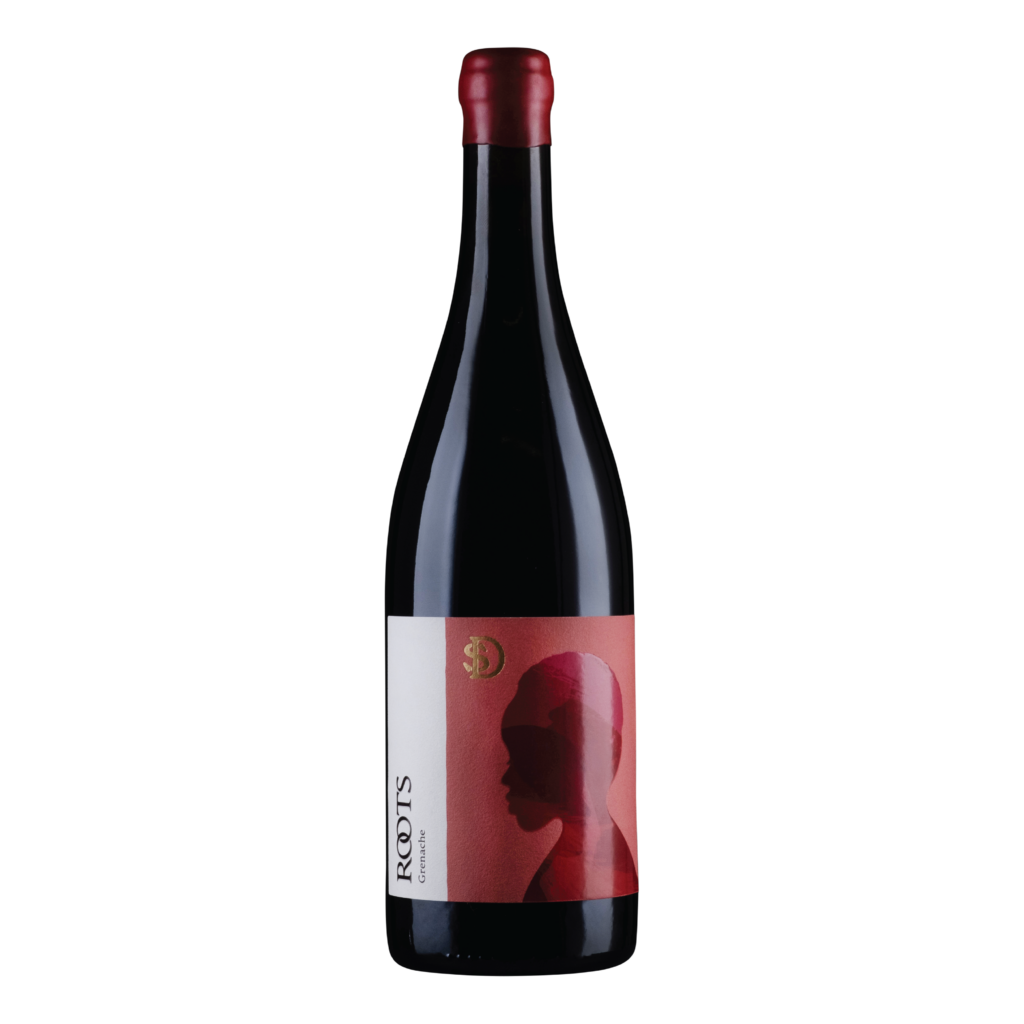
ROOTS Grenache — Dunstone Estate, Wellington
Cass’s suggested bottle, and an excellent one. Dunstone Estate lies in Wellington, at the foothills of the Hawequa and Limiet Mountains in the Cape Winelands, where the family planted their first vines in 2003. Their philosophy is to keep it simple and express the terroir of the soil: terroir-driven, single-vineyard wines, all harvested by hand, farming with minimal impact on the environment. ROOTS is the estate’s boutique range — three wines honouring three generations of women born and raised on the farm, an ode to strong, hard-working women and to the beauty of the nature around them. The Grenache is medium-bodied with a silky, supple texture: red fruit leaning toward cranberry and cherry, brisk acidity for freshness, and soft, powdery tannins — lovely alongside rich duck and cinnamon. ROOTS is also the estate’s private venue, where wine tastings (paired with artisanal Belgian chocolates) are enjoyed by appointment. For the 250 ml of red wine in the ragù itself, cook with a decent dry red you would happily drink: a Chianti or Valpolicella if you want to stay Italian, or an easy South African Shiraz or Cabernet blend. Nothing expensive — just nothing corked or tired.
Keep cooking